









Follow nature’s lead: sow in autumn
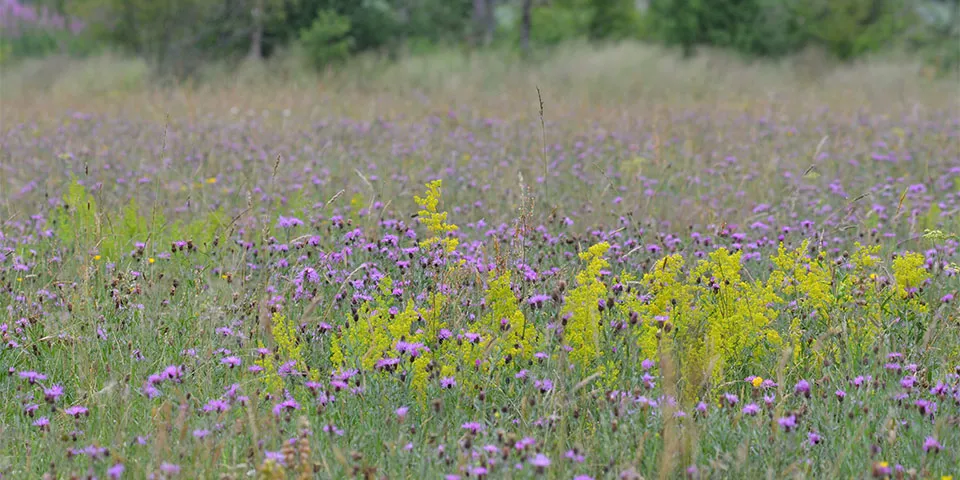
Spring draws nature lovers outdoors, for example to sow a wildflower meadow. Understandably so, but it is not the best choice. For the best results, it is preferable to sow a meadow like this in autumn. That is what nature does, too.
How to create the most beautiful wildflower meadows
Words ECOFLORA | Images ECOFLORA
Many wildflower meadows are sown in spring. However, autumn sowing offers many advantages. The prolonged dry spells we have experienced in spring in recent years are not conducive to the successful establishment of a wildflower meadow, especially if sowing takes place late. In autumn, the soil is generally
moister.
There are several other advantages to sowing in autumn. The soil is still warm enough at this time of year, and there is less pressure from weeds and unwanted grasses. What is more, many seeds need a period of cold to germinate. To germinate successfully, they need the cold winter period. Ultimately, sowing in autumn is sowing as it happens in
nature!
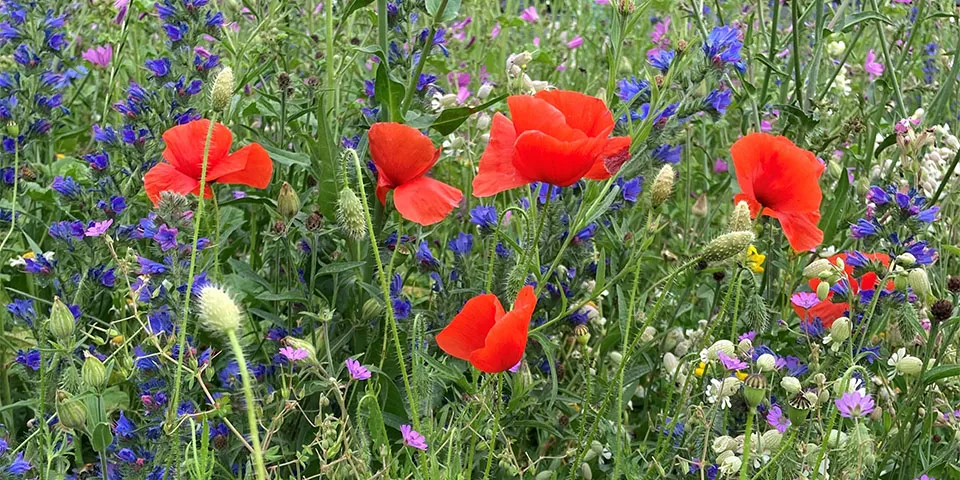
The dry spells we have faced in recent years are generally over by autumn.
Combine with naturalising bulbs
Combining a perennial wildflower meadow with naturalising bulbs can bring its flowering period forward. The bulbs can flower as early as February, followed by the flowering of the herbaceous plants in the meadow. This is not only attractive; it also provides nectar and pollen for bees, bumblebees and other insects, helping to increase biodiversity.
To combine a wildflower meadow with naturalising bulbs, individual species can be planted, or you can choose a suitable bulb mix. Ecoflora offers a number of carefully selected mixes, including one made up exclusively of native naturalising bulbs or stinzen plants.
Question about this story? Ask your question
Keep following this
Get an email when a new story is published. No account needed.
- ThemeGreen space for everyone
- SubjectGeneral







