Garden designer in the spotlight
Willow sculptures that capture the imagination
Text Elise NoyezImage Natural Living
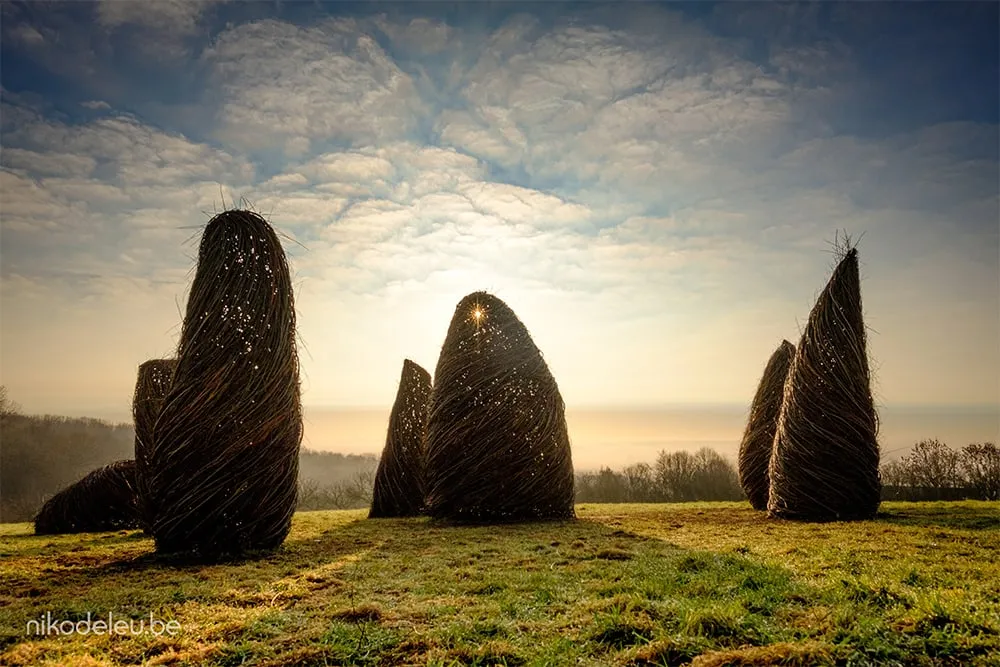
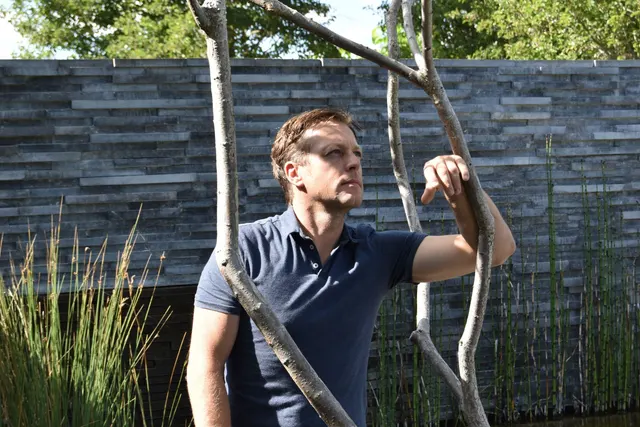
Most garden designers and contractors would probably agree that nature can inspire a sense of wonder. But for Jean-Louis Muller of Natural Living, wonder is truly at the heart of the story. With his willow sculptures, the landscape artist aims to capture the imagination, tell a story and broaden the way people view art in public spaces. “Our sculptures are not static elements. Either they decay after a few years, or they keep growing and evolving. In this way, they express the transience of things and the passing of time.”
Jean-Louis discovered his passion for greenery at fruit tree nursery Jan Sterken in Blankenberge. “The nursery has always worked in a very natural way, and this sparked my interest in fruit trees and willows. The willow is a tree typical of this region, but it also carries a great deal of meaning. On the one hand, it has strong associations with mythology and folklore; on the other, its strong, flexible branches have been used for all kinds of practical purposes for centuries. That tension is interesting.”
Scaling up
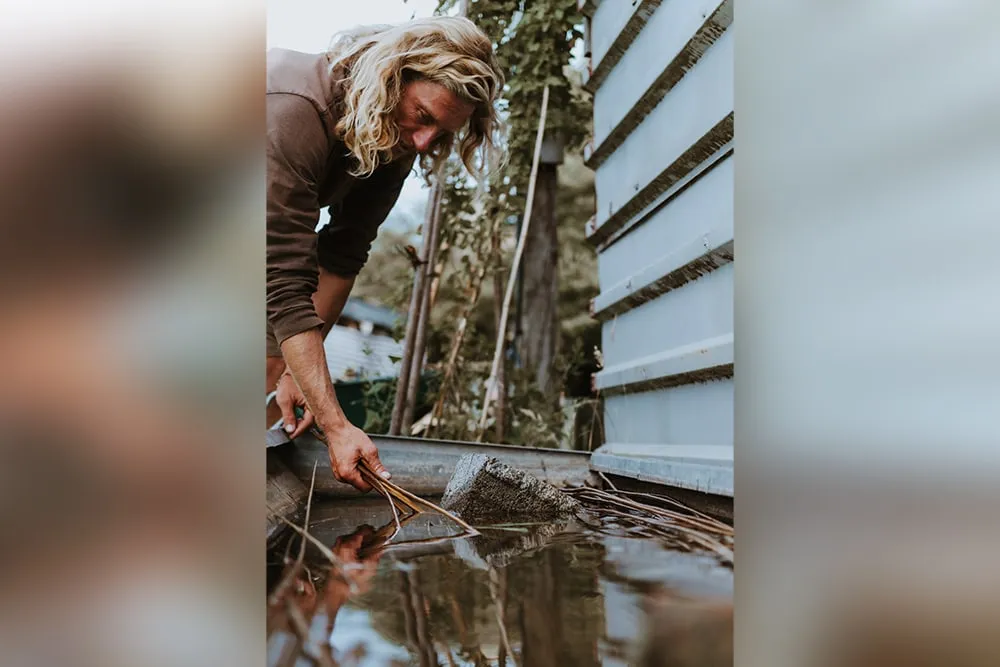
Jean-Louis initially worked as a gardener, but increasingly experimented in his spare time with the possibilities of willow branches. His training with Dutchman Piet-Hein Spieringhs of De Vlechterij left a particularly strong impression. “I took a few basket-weaving courses there, but also got to see the larger, more ambitious creations Piet-Hein made. They appealed to me. Together with a few friends, I then began using the local farmer’s prunings to make fire sculptures, which we set alight on Midsummer’s Eve. One year it was a large spiral, the next a wizard, a mushroom, and so on. Things you couldn’t find in any books. It was a real exploratory phase, in which we learned to get a feel for the material and tested how far we could take it. Through hands-on experimentation, we developed our own techniques for large-scale structures.”
Wonder
In 2020, Jean-Louis’s private experiments reached their first climax. At the international street theatre festival De Gevleugelde Stad in Ieper, Natural Living put on a full-scale fire show with fire company Part-A-Fou. Since then, willow installations have followed for Pairi Daiza, Maasmechelen Village, Onzichtbaar Landschap, and various cities and municipalities. “We occasionally make an organic windbreak or other objects for private clients too, but my heart is really in the large sculptural projects. They allow you to tell a story about simplicity, beauty, and so on. It’s wonderful to see the sense of wonder that takes hold when people walk through an installation 30 or 40 metres long, made entirely from branches. It’s such a simple material, but the impact is enormous.”
Time and transience inevitably feature in Jean-Louis’s sculptures too. “Most sculptures decay after a few years. We can extend their lifespan, for example by adding a steel frame, and weave an object again after a while, but the sculptures are certainly not static. This used to be a problem for public-sector clients, but fortunately attitudes are changing. We are also creating more and more living installations, where the willow branches are actually planted in the ground. The result is an object or sculpture that keeps growing, is woven further each year, and becomes increasingly wild and natural. A living installation without end, you might say.”
A participatory process
For living installations, Jean-Louis tries to involve clients as much as possible, so they can help the installation grow and shape it further. Participation is also an important part of the sculptural works. For Les Ancêtres in Kemmel, passers-by were even invited to help weave the seven menhirs, and collaborations with other contemporary craftspeople are a regular feature. “When Onzichtbaar Landschap contacted us to create eleven installations to bring the lost war cemeteries of the Westhoek back to life, we felt it was the perfect opportunity to involve steelworker Fer-Unique and wood artist Philou-Art as well. This cross-pollination and combination of three materials adds depth and meaning to the whole.”
New dimensions
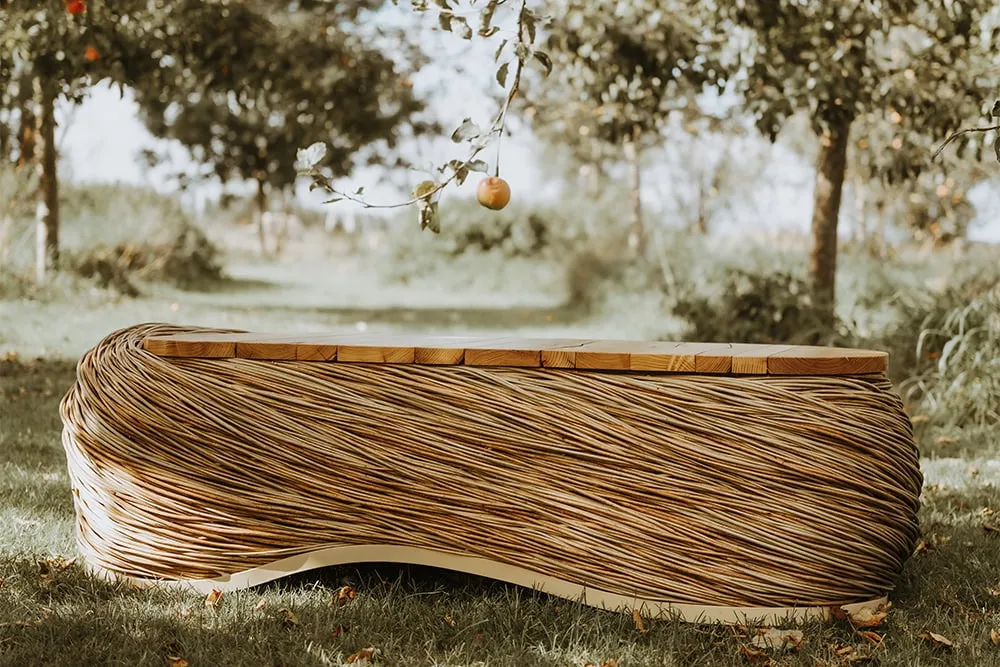
The collaboration between Natural Living and Fer-Unique has already produced several projects, including light installations for the city of Blankenberge and seating elements for Maasmechelen Village. “There are still many aspects of our niche to explore,” Jean-Louis admits. “A sculptural object can also serve a perfectly practical purpose. Cities could certainly pay a little more attention to that.”
Jean-Louis is currently working on a new installation for Maasmechelen Village. “For Fashion is our nature, I’m also working with birch branches and trunks from the neighbouring Terhills estate. A lot of trees had to be felled there, and they have now been given a new lease of life in various installations. This means the elements are firmly rooted in their surroundings.”
Question about this story? Ask your question
Keep following this
Get an email when a new story is published. No account needed.
- SubjectGarden designer in the spotlight