









Go against nature and you will always lose
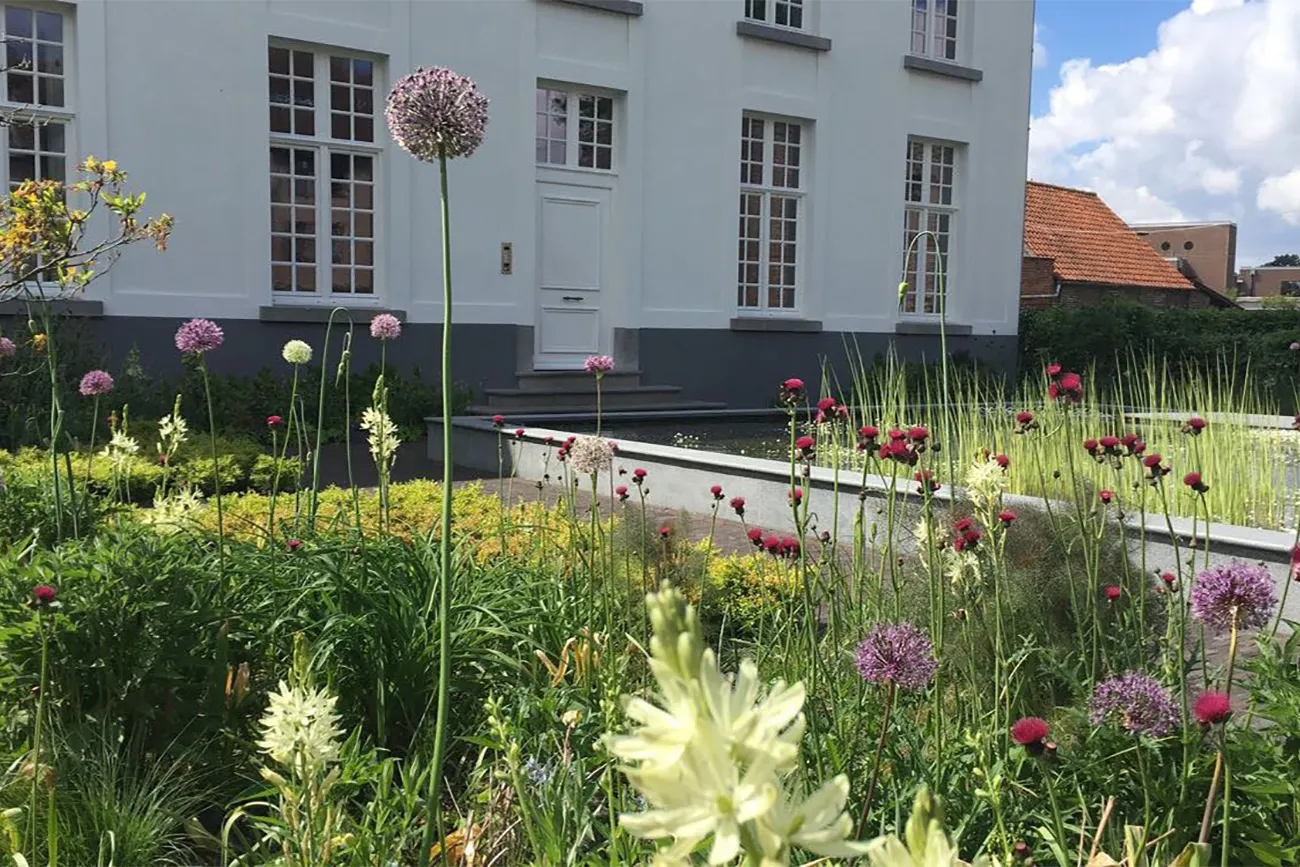
Edible gardens, more than just vegetable gardens
Renowned Bruges garden designer Jan Maenhout has been designing beautiful gardens since 1986. After graduating from the Higher State Institute for Horticulture, he took his first steps in the green sector by designing, creating and maintaining private gardens. Later, he focused almost exclusively on designing private and semi-public gardens. The friendly Bruges native is also no stranger to the Floraliën, in Belgium and the Netherlands alike. Together with the celebrated master florist Daniël Ost, he even made his way to Thailand…
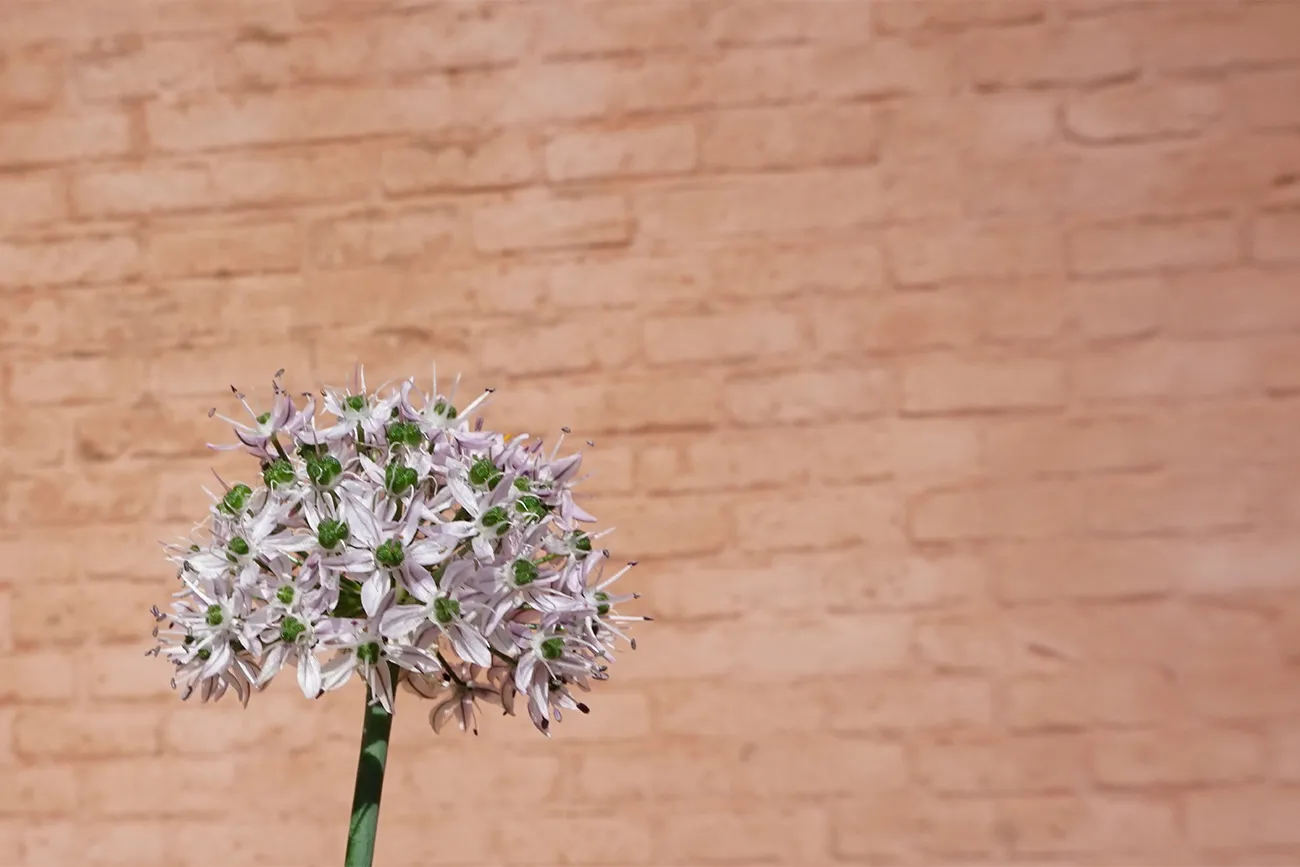
Jan Maenhout: “In the meantime, particularly over the past six years, I’ve gone back a little to my roots. In the winter of my career, I’m once again pursuing my original hobby: carrying out projects myself. And I mean that literally. For some assignments, I spend days and weeks on my knees, putting seeds and bulbs into the ground myself. I get a great deal of satisfaction from it. I’ve done this since I was a child: trying things out, growing new or ‘forgotten’ varieties… Our industry is also undergoing huge changes, partly due to climate change, and that creates opportunities. You see crops appearing here that we never saw in the past. It’s best to respond to that. Because if you go against nature, it’s a contest you’ll always lose!”
‘Forgotten’ plant knowledge
“At the beginning, plant knowledge was hugely important. But I’ve noticed that this fundamental skill has declined a little, including in most existing training courses. That’s understandable, of course. First and foremost, it’s a matter of supply and demand, but the financial aspect also plays a major role. Creating a garden devoted purely to plants takes a great deal of time, not just to establish it, but also for the plants to grow and for the garden’s subsequent maintenance. And time is money. Many clients want to see results straight away, so alternatives are often chosen. Think swimming ponds and pools. Before long, you can add padel courts to that list.”
A true craft
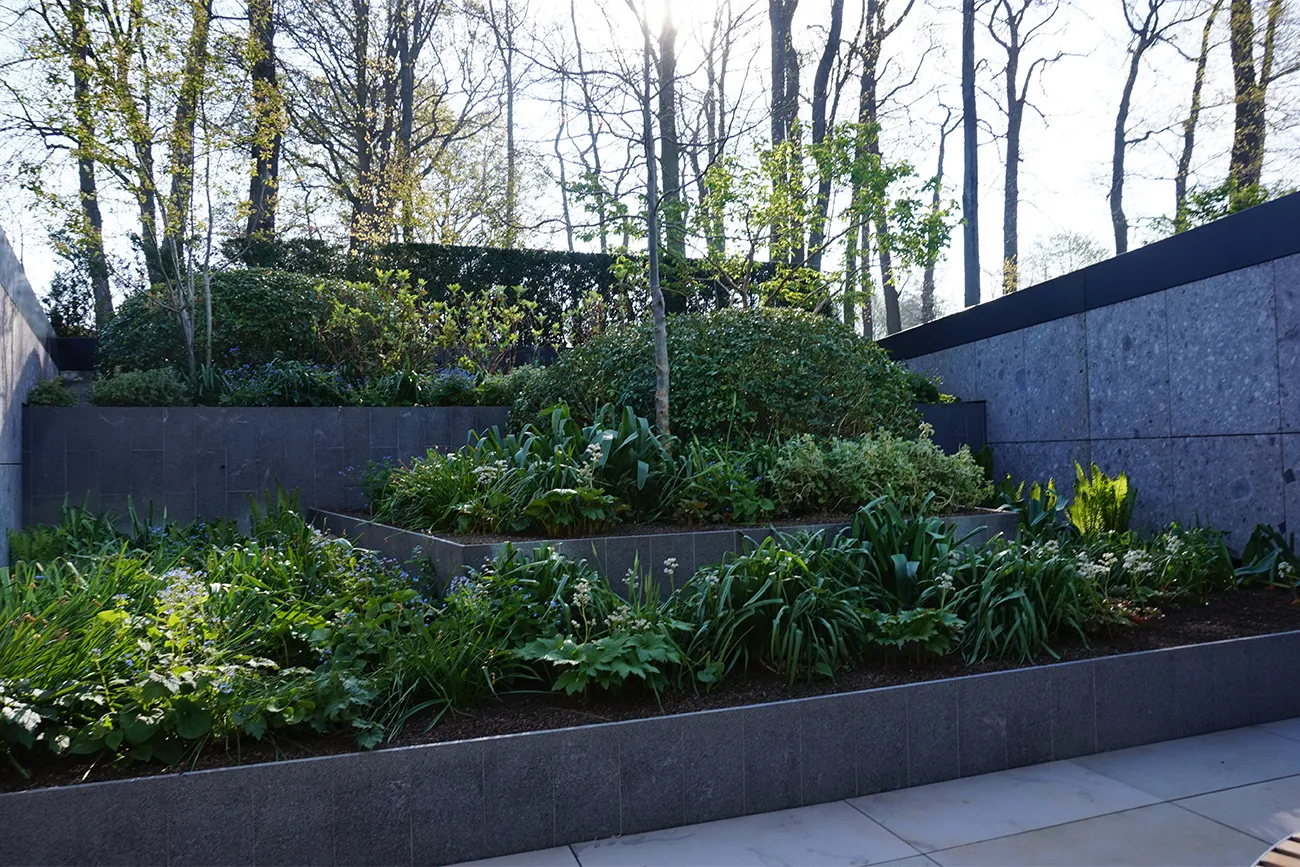
“Sound plant knowledge also takes time. It’s still very much a craft. I call it my non-productive hours: reading books and building knowledge, especially about things that are less prominent in the commercial world. And to be honest, that has been part of what saved me. I now take on projects I would never otherwise have had to start, where knowledge of, for example, bulbous and tuberous plants is essential. These are also ongoing jobs, rather than just visiting once, completing all the work and moving on to the next one. No, a truly traditional plant garden is not only beautiful to look at, it changes with the seasons and never bores the person who lives or works in it. It’s deeply satisfying.”
Sharing knowledge
“I’m also happy to share my knowledge. I now teach a course for garden professionals and colleagues at PCLT, the Practical Centre for Agriculture and Horticulture in Roeselare. It also means I have to keep up with all existing knowledge and the latest developments. So I do a lot of reading in my few ‘free’ hours. I have a very extensive library covering pretty much every plant family. Often, there’s a substantial reference book for each family and/or species. A real life’s work.”
Edible gardens
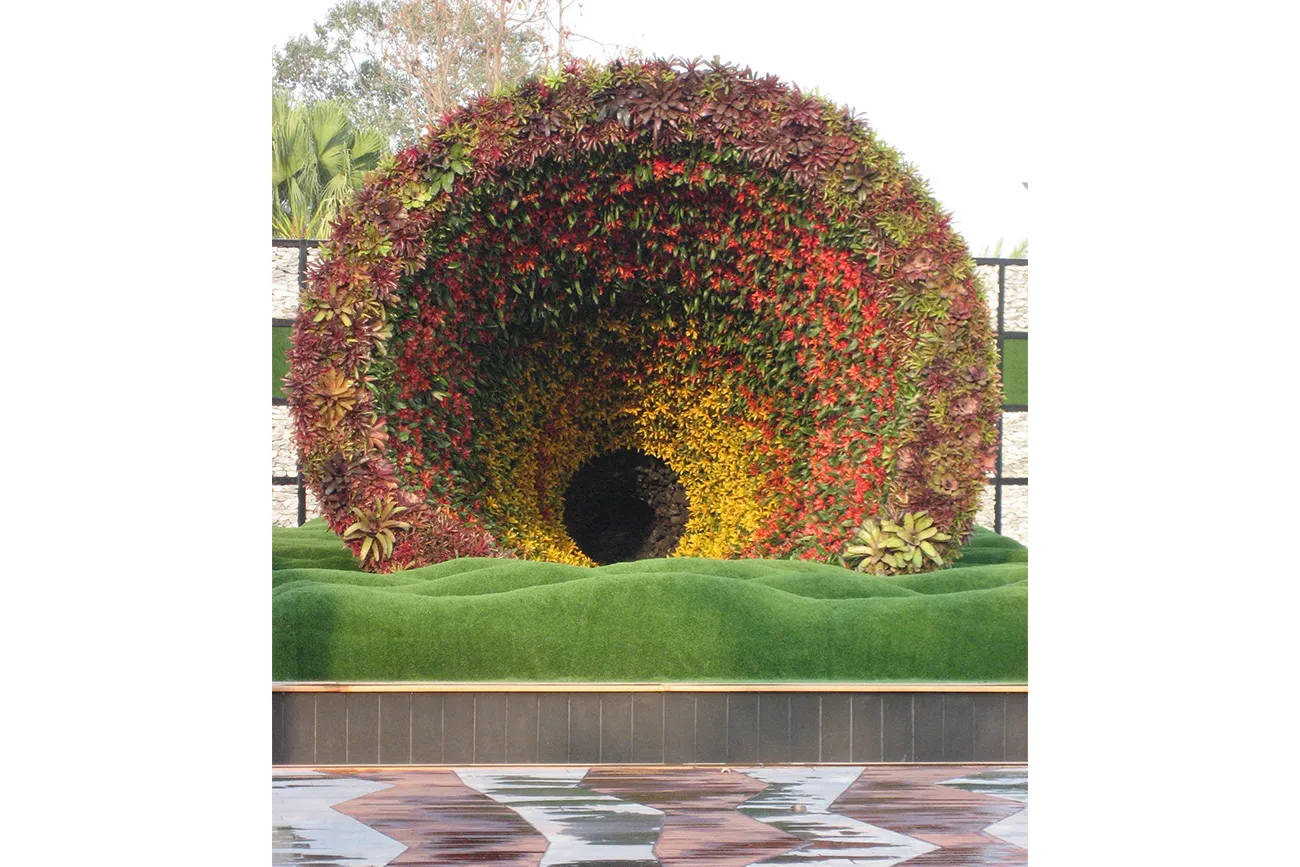
“What I’ve noticed recently is that clients, especially younger ones, are returning to the idea of ‘edible’ gardens. In the past, people would put up fences, behind which they grew vegetables and herbs. That idea is now returning in a different form, probably driven by top chefs who have started growing their own herbs and plants. The products they want to use are becoming increasingly difficult to find on the market, or are too expensive or not good enough in quality. Different varieties of mint and thyme, for example… You’re now seeing this more and more in private gardens too. And I don’t mean the classic vegetable garden, with rows of lettuce, carrots and tomatoes… I mean truly beautiful, high-end gardens. The forest garden concept, but in a private garden. Gardens where children play, where you live, relax and celebrate, but with ‘edible’ areas. It’s a positive development!” concludes Jan.
Question about this story? Ask your question
Companies in this story

Keep following this
Get an email when a new story is published. No account needed.
- SubjectGeneral
- CompanyPCLT







