









Green professionals can help prevent a devastating outbreak
Report suspected plant diseases easily online.
Anyone who spots an unfamiliar plant disease or pest in their garden or neighbourhood can now identify and report the pathogen using the new Beware&Note application on the waarnemingen.be website. The Flanders Research Institute for Agriculture, Fisheries and Food (ILVO), the Ornamental Plant Research Centre (PCS) and Natuurpunt Studie hope to involve members of the public, scientists and professionals in protecting our green spaces from non-native diseases and pests.
A plant disease or pathogen is designated a quarantine organism (or Q organism) when it is considered harmful to plant health under EU legislation. These Q organisms are not native to the EU, or occur only in certain areas, and their spread to other areas through trade can cause significant economic and ecological damage. Policy therefore seeks to prevent their introduction and further spread. One of the measures taken to achieve this is reporting suspected introductions.
Your help is needed
ILVO, PCS and Natuurpunt are now calling on nature volunteers, as well as gardening enthusiasts, students, scientists, green professionals and professionals in agriculture, horticulture and forestry, to help speed up this process. They can use the Beware&Note alert system to find out what they think they have seen. The new online tool (www.waarnemingen.be/species/Q-organismen) makes it quick and easy to identify and report these Q organisms. This enables the competent authorities and managers of forests, nature areas, agricultural and horticultural land and plots to take action sooner.
The immense value of reports from members of the public about suspected organisms has already been demonstrated. In 2006, a bonsai enthusiast reported an unusual beetle he had found on a small bonsai tree in Geraardsbergen. It soon became clear that it was a citrus longhorned beetle, a non-native species that can cause serious damage to many broadleaf trees. It had been imported from Asia with the tree. The beetle and tree were placed in quarantine, and fortunately no other eggs or larvae were found. In the Netherlands, around 270,000 plants had to be destroyed in 2007 and 2009 after a similar Asian longhorned beetle species broke out in residential areas. The quick response of the man from Geraardsbergen therefore prevented a great deal of damage.
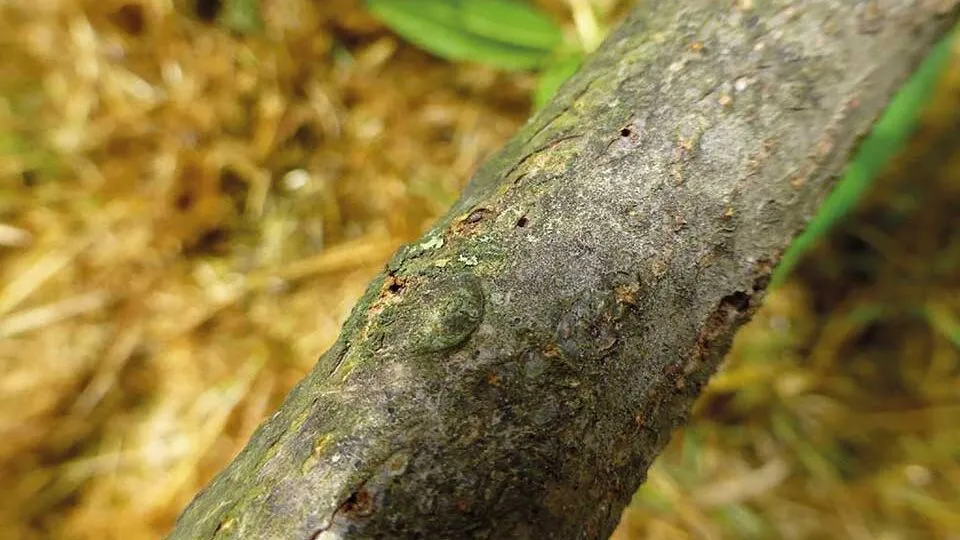
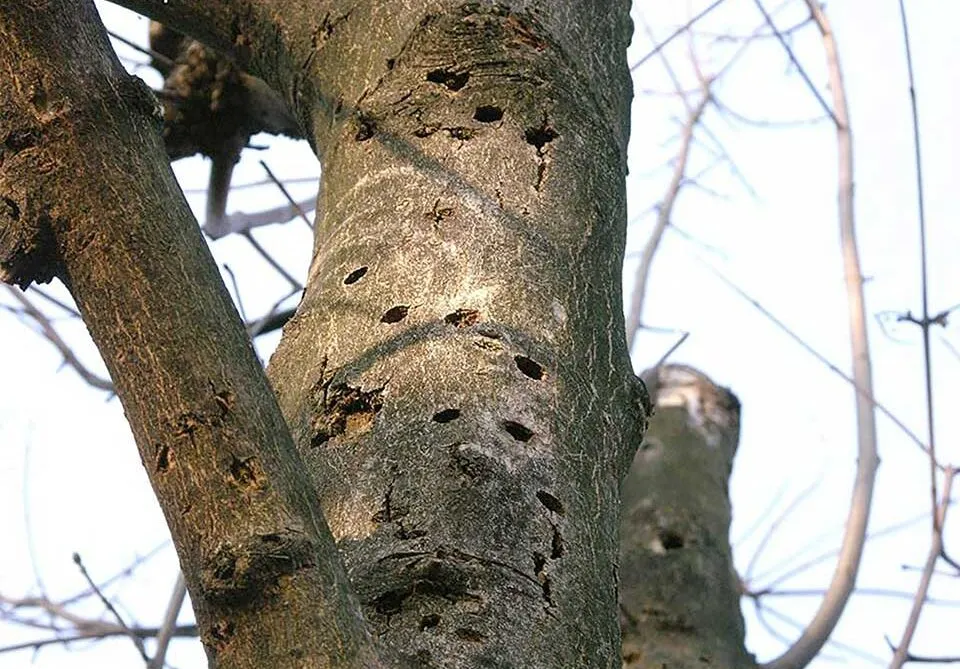
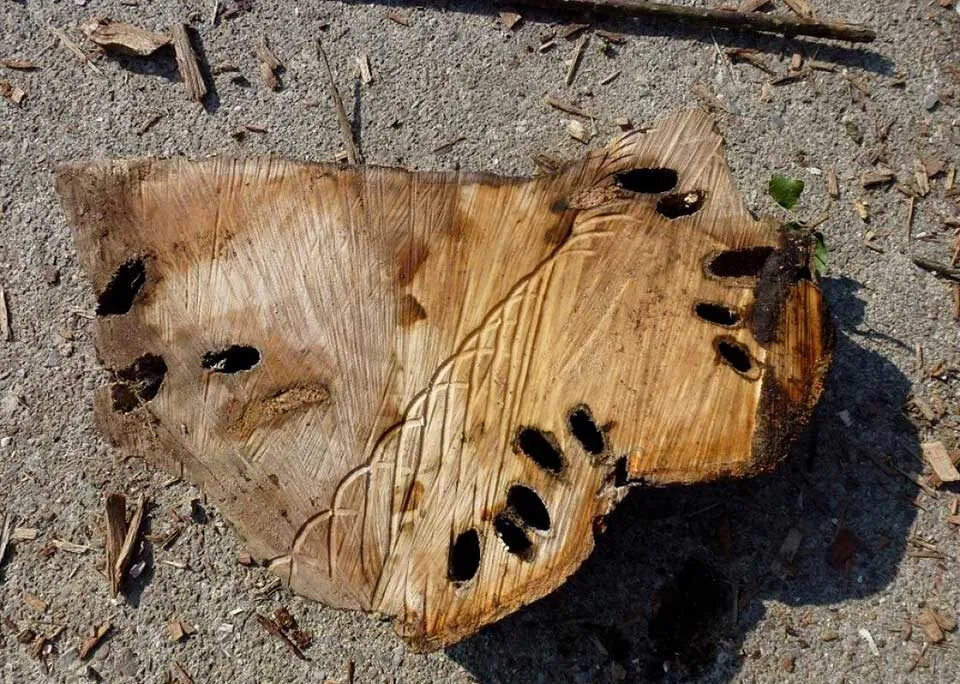
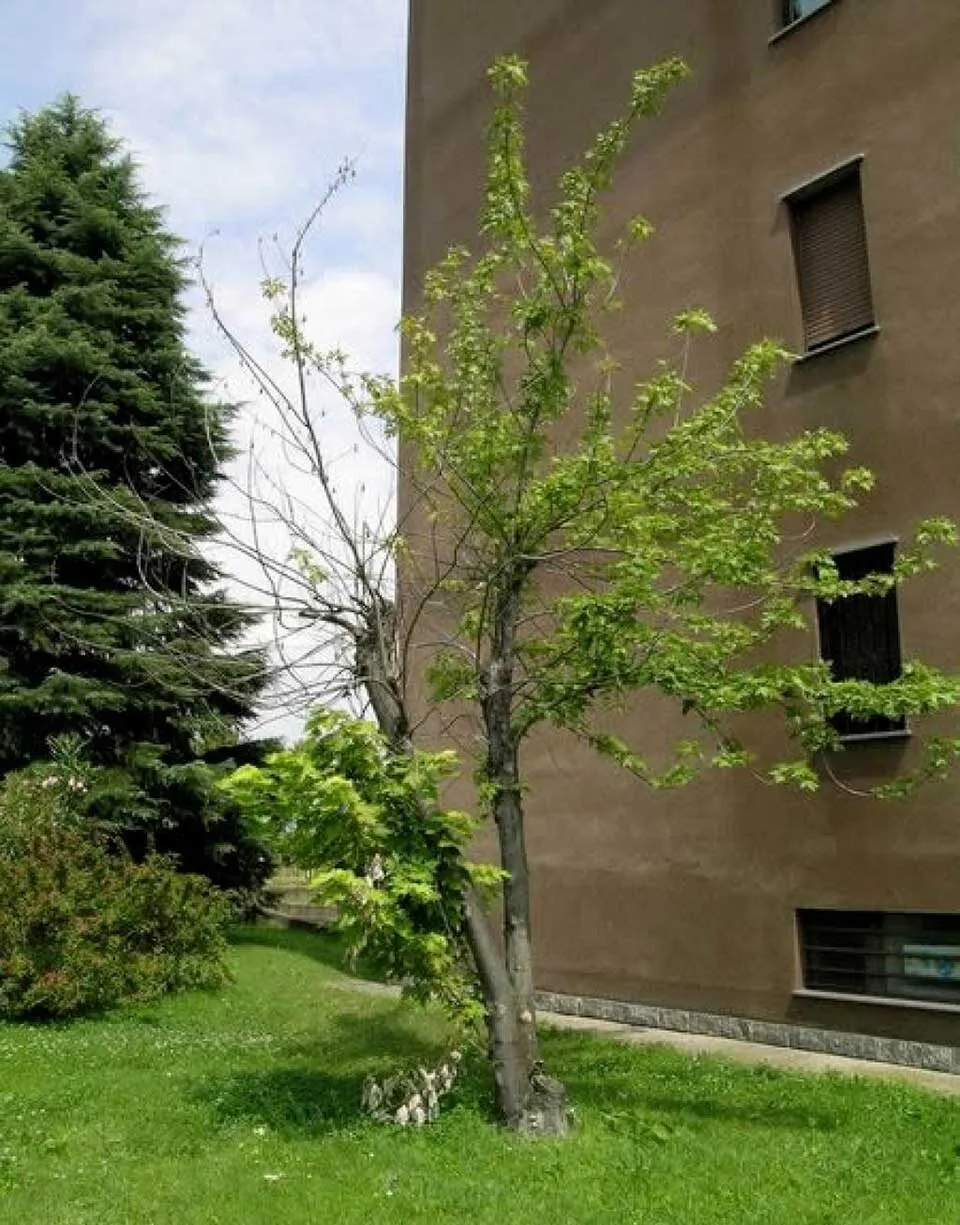
Sometimes disease is caused by a combination of pathogens, as with thousand cankers disease in walnut trees. The culprits are a combination of a tiny bark beetle (Pityophthorus juglandis), which acts as a vector, and a fungus (Geosmithia morbida). The bark beetle larvae carry the fungus on their bodies, and as they burrow into the branches of walnut trees, the fungus spreads through the tree. Neither organism is harmful on its own, but together they can kill a healthy, mature tree in three or four years. In our region, Juglans regia, the common walnut, is the most widespread species. An outbreak of thousand cankers disease in Flanders could cause many of these trees to die or be removed. Consider the Dutch elm disease outbreak in the 1930s and again in the 2000s, when around 60% of elms died.
How does the new app work?
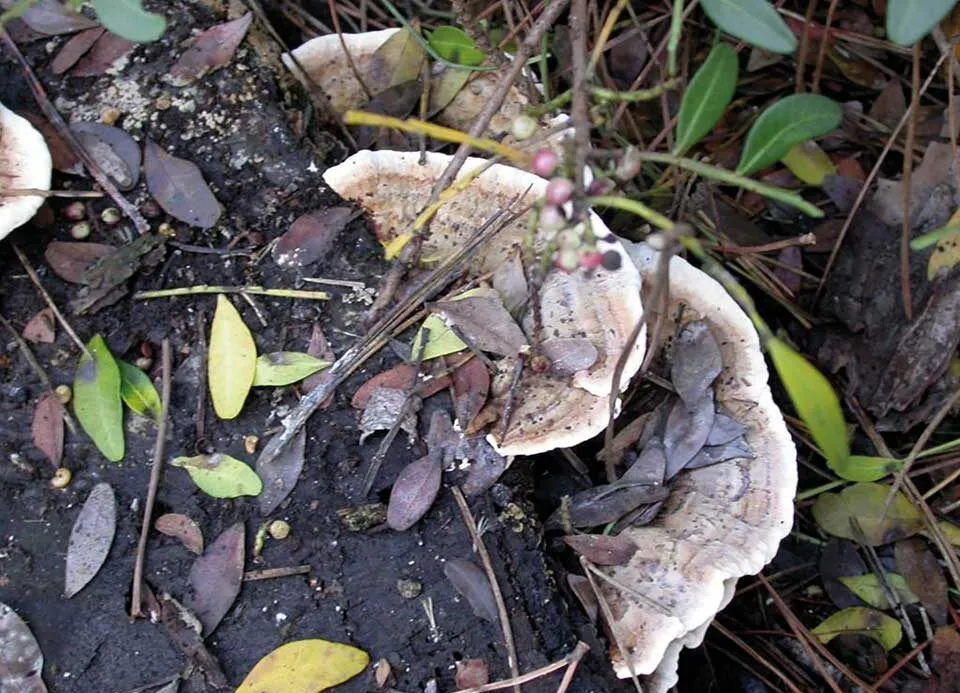
Suppose you come across conifers showing signs of drying out, with mushrooms growing on their trunks, during a walk. Sign in to Beware&Note and filter the harmful-organism database for coniferous trees (‘Coniferous trees’).
You get two suggestions and think the fungus in question may be the aptly named ‘pine killer’ (Heterobasidion irregulare). The information sheets (under the ‘Identification’ button) explain, among other things, the symptoms caused by this fungus and list the plant species it can infect. If, after reading this information, you are convinced that it is the pine killer, simply click ‘I have seen this species!’ to report your sighting. You can also submit a photo for verification by an ILVO or Natuurpunt expert. If you wish, you can receive further updates about the sighting. Each user can indicate which crops and regions they are interested in and receive notifications when a Q organism is found in that area (via www.waarnemingen.be/species/Q-organismen/alerts/).
Action only after verification by experts
Reports are forwarded to ILVO experts. If it is unclear whether the submitted photo shows a Q organism, a sample is taken on site. Only once the experts have confirmed the identification does the Federal Agency for the Safety of the Food Chain (FAVV), together with the owner or manager of the infected greenery, decide what measures to take. These can range from felling trees to destroying all crops within a specified radius. As such emergency measures can be quite far-reaching, it is crucial that every report of a Q organism is checked for authenticity, and that no further action is taken until the experts have verified it and the authorities have approved it.
Question about this story? Ask your question
Keep following this
Get an email when a new story is published. No account needed.
- ThemeTrees and plants of tomorrow
- SubjectGeneral







