









How do you control chafer larvae? Grubs, the lawn’s hidden destroyers
Prevention is better than cure. Make sure the lawn gets enough water and fertiliser, and maintain the correct pH and optimum soil structure.
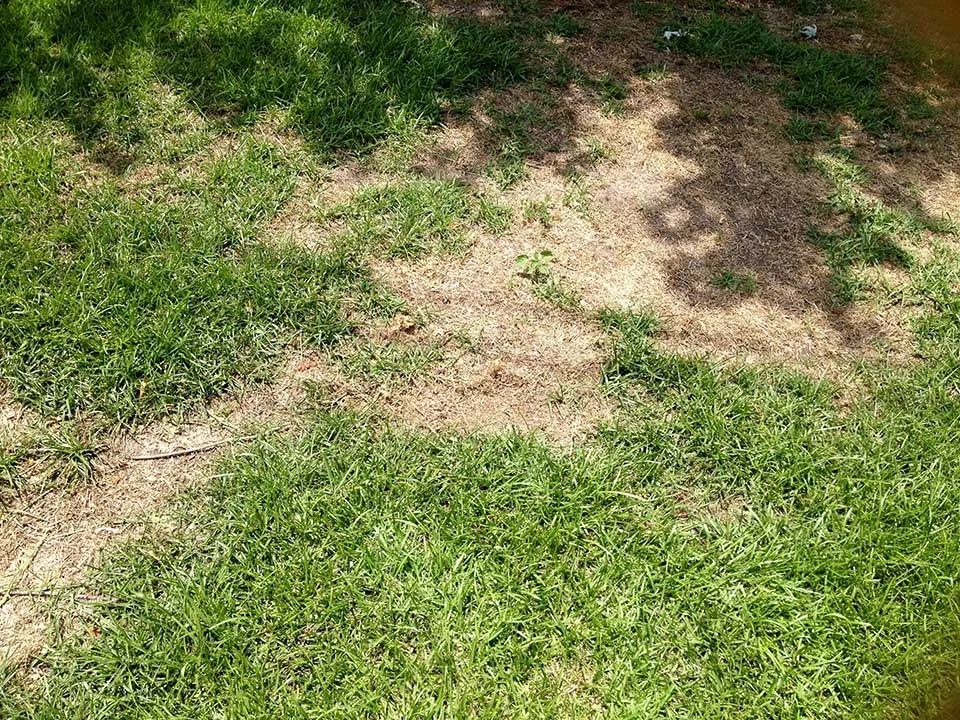
Does your lawn turn yellow in spring, and can you lift the turf from the soil? You are most likely dealing with a severe chafer grub infestation. A 100% effective chemical or biological treatment for this pest is unfortunately all but impossible, but researchers and government bodies are working hard to find an effective solution. This article provides an overview of the damage, life cycle and control options for the garden chafer in particular.
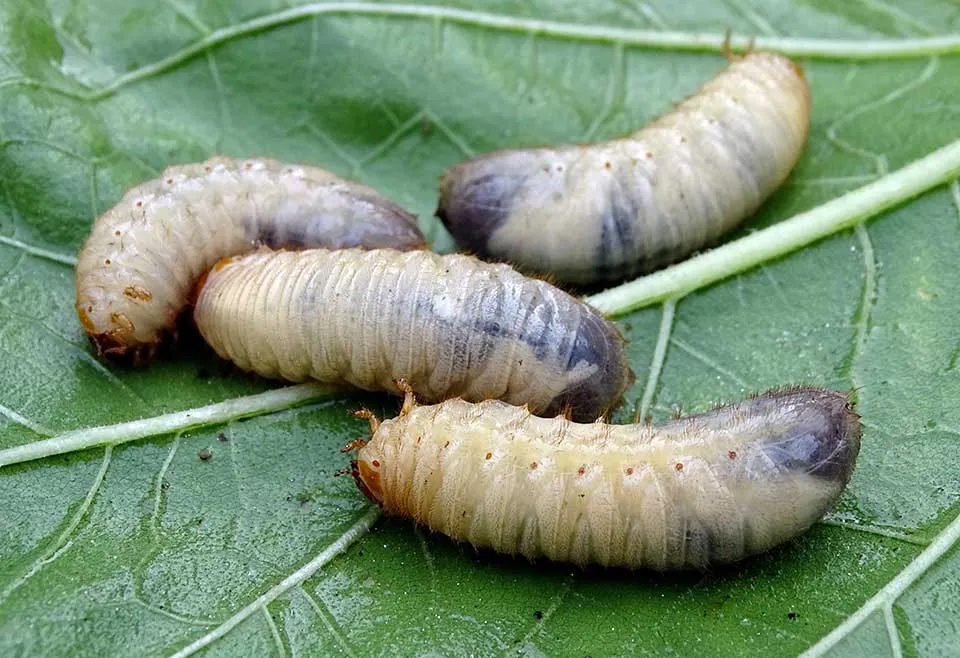
Chafer grubs is a collective term for the larvae of scarab beetles. The larvae feed on grass roots, eventually loosening the turf. The result is a lawn with dry, dead, yellow or even bare patches here and there. Since blackbirds, crows, starlings and other birds are fond of the large grubs, their foraging also causes secondary damage in most cases. The adult beetles can also fly several kilometres, allowing the damage to spread widely.
To confirm an infestation, simply lift a damaged piece of turf with no roots. You will soon find dozens of larvae.
Life cycle
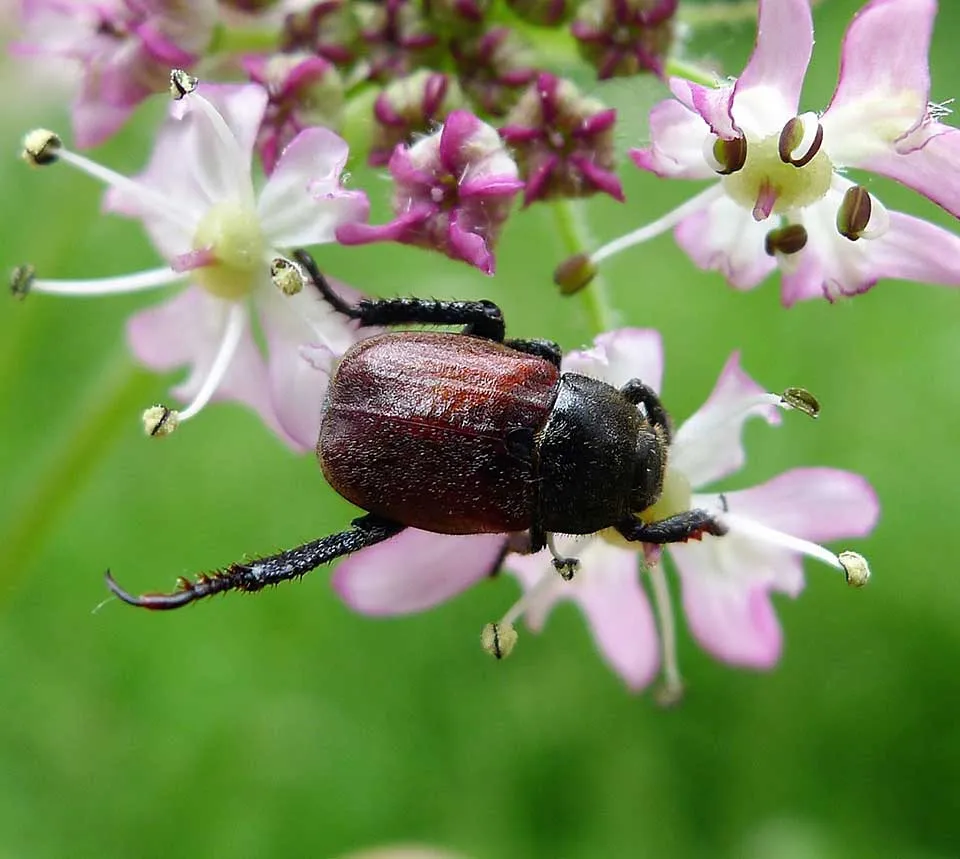
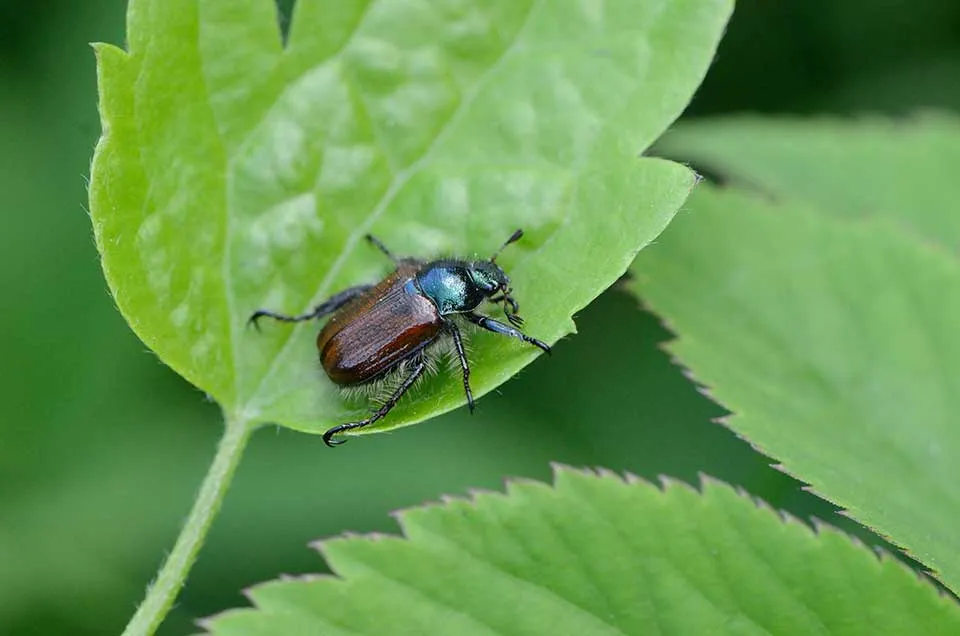
Most chafer grubs that feed on lawns are larvae of the garden chafer, Hoplia philantus. The garden rose chafer, Phyllopertha horticola, is also found in lawns, although less frequently.
The garden chafer has a two-year life cycle, while the garden rose chafer has a one-year cycle. In badly affected gardens, adult beetles emerge from the grass in large numbers at dusk from early May to June. The female lays translucent oval eggs in groups of 12 to 30 at a depth of 15 to 20 centimetres in the lawn, and the eggs hatch a few weeks later.
During their first few weeks, the larvae feed on humus-rich, dead plant matter. They then switch to feeding on root hairs, eventually devouring all the plant roots. The damage to the lawn will therefore only become apparent in early autumn of the following year. As temperatures fall in autumn, the larvae burrow deeper into the soil, before coming back to the surface in spring to feed on grass roots. They pupate underground in spring and emerge as beetles. Adult beetles generally cause little damage.
Prevention
Poorly maintained lawns are more susceptible to damage. Make sure the lawn gets enough water and fertiliser, and maintain the correct pH and optimum soil structure.
Repair damaged grass by sowing new grass seed or laying turf. It is advisable to turn over the soil before re-turfing, as this creates unfavourable conditions for eggs and larvae. Scarify regularly too, to prevent moss from taking hold.
The natural enemies of chafer grubs include entomopathogenic nematodes and fungi, birds, chickens, hedgehogs, shrews and moles.
Chemical control
Curative chemical control is currently not possible, as no effective, authorised plant protection products are available for controlling chafer grubs in lawns (see www.fytoweb.be). Preliminary trials by PCS in the past indicated that larger, older larvae are very difficult to control with insecticides.
Biological control
Garden rose chafer grubs can be controlled biologically using insect-parasitic nematodes. Commercial products include B-Green, Biogreen and Larvanem. These microscopic nematodes actively seek out beetle larvae. They enter the larvae and release bacteria that kill the grubs. The bacteria convert the host’s gut contents into liquid food for the nematodes, enabling them to reproduce and produce a new generation that can seek out any remaining grubs. Infected beetle larvae change colour from whitish beige to bright red or brown, and the insect decomposes, which often makes it difficult to find. The first grubs can be killed within two to four days.
However, there are several important points to bear in mind when using this treatment. Correct identification of scarab beetle larvae is essential. Nematodes produce inconsistent results when used against the garden chafer, while June and May beetles are completely resistant. If in doubt, larvae can be sent to the Waarneming & Waarschuwingsdienst van het PCS.
Nematode applications also need to be carefully timed. The treatment is best applied between mid-July and September, when the beetle larvae are just below the turf and larvae of the new generation are most susceptible to biological control. The older and larger the larva, the harder it is for nematodes to penetrate. The fact that several generations often occur in the same lawn makes matters even more complicated.
The soil temperature must not fall below 12°C, and the soil must be sufficiently moist. Nematodes are highly sensitive to drying out and exposure to sunlight. They should therefore be applied in cloudy weather, preferably in the evening. Water the nematodes in after application. The lawn must then be kept moist for several weeks. It is worth noting that these nematodes also kill the larvae of the harmful vine weevil.
Future prospects
Several landscape contractors have already contacted PCS about the problem of chafer grubs in lawns. Long dry spells mean that nematodes do not always spread effectively through dried-out soils. PCS will therefore focus in the coming years on practical research to improve the biological control of chafer grubs, in collaboration with government bodies, companies and the green sector.
Question about this story? Ask your question
Keep following this
Get an email when a new story is published. No account needed.
- ThemeHard-wearing turf
- SubjectGeneral







