









Kortrijk wants to tap into both public and private potential. From a region short on woodland to Flanders’ largest forest?
We look at the initiatives being taken to promote nature experiences, green-space management or biodiversity, bearing in mind the specific circumstances of the alderman’s city or municipality. This time, we head to the City of the Golden Spurs.
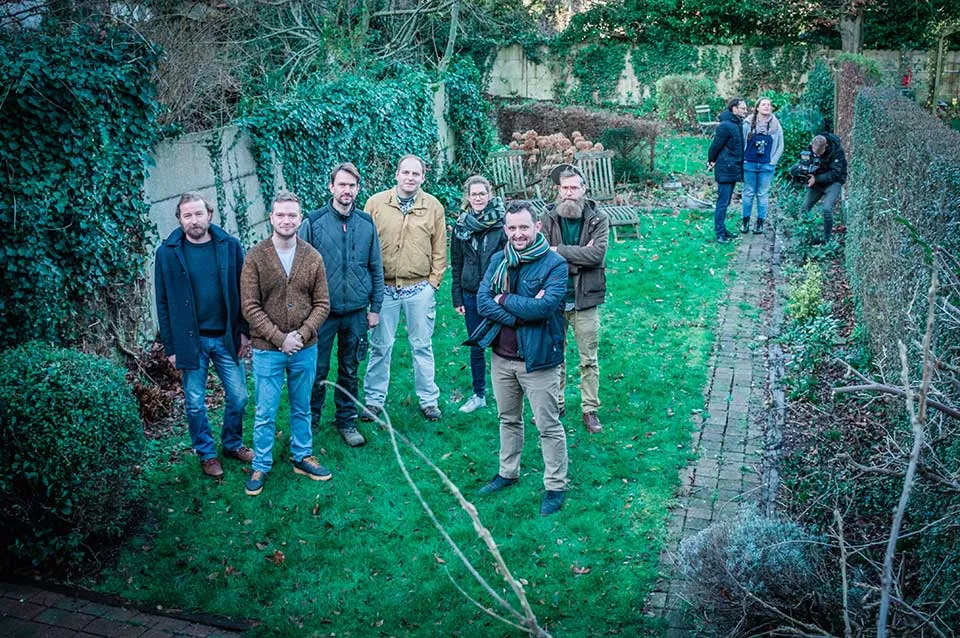
Bert Herrewyn was first elected to Kortrijk’s municipal council in 2007. Six years later, he became an alderman with responsibility for the Environment, Climate, Biodiversity and Nature, a role he continues to hold in the current term of office. The fact that Kortrijk is now one of the regions with the least woodland in Flanders poses a particular challenge for an alderman committed to enhancing biodiversity in and around the city.
Strengthening existing woodland cores
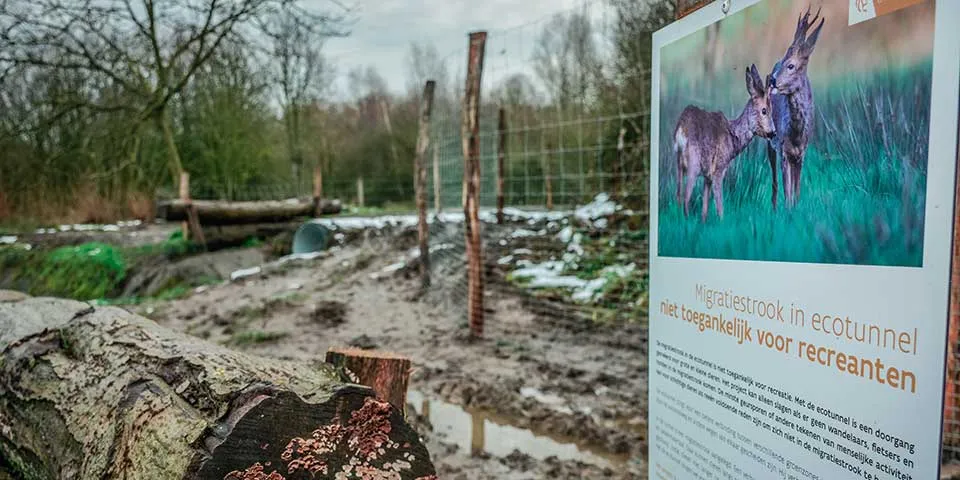
Kortrijk manages around 220 hectares of green space in total, from parks and gardens to several larger green hubs on the outskirts of the city. During the current term of office, Herrewyn aims to add 100 hectares of nature and woodland. “That is an ambitious but achievable target. There are still 350 hectares of land within our boundaries that are either already designated for nature but not yet developed, or have the potential to be. We will tackle this systematically, starting by strengthening existing woodland cores. We are already actively assessing which plots might be suitable, which we still need to acquire and which we may need to
redesignate, including around Preshoekbos and in the Interfluvium.”
A green network reaching into the city centre
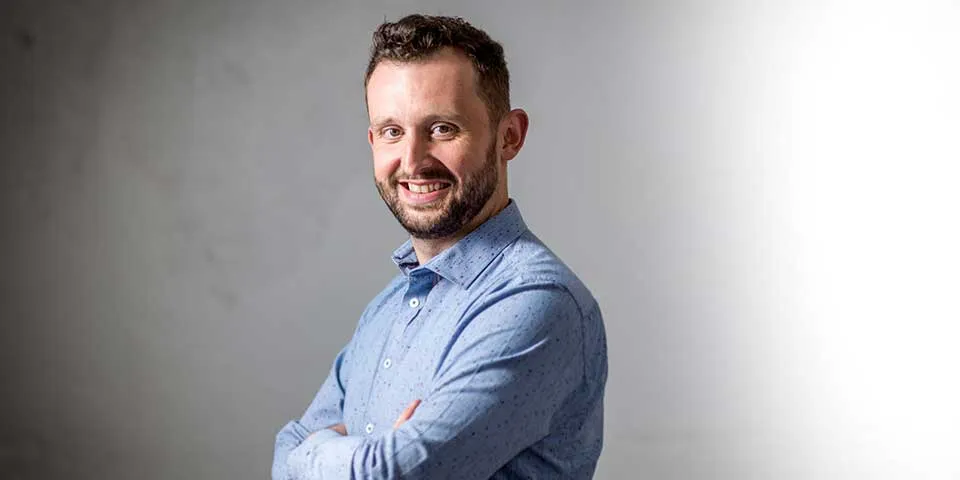
While the ambition to create an additional 100 hectares of nature will primarily be realised on the outskirts of the city, Herrewyn also wants to extend the biodiversity boost right into the centre. “That takes more than efforts by the local authority. Just look at the figures. Kortrijk may have little woodland, but private gardens account for 11.7% of our area, well above the Flemish average of 8%. That is even more than the average proportion of woodland in Flanders. Given that most gardens today are not very wildlife-friendly, there is huge potential there. To put it bluntly, if everyone turned one square metre of their garden into a natural space, we would have the largest forest in Flanders.”
Targeted support
Herrewyn cannot, of course, intervene in his citizens’ private property, but he can lower the barriers. Following the launch of its renovation coach, Kortrijk introduced a garden coach last year. “Many people want to take steps to support biodiversity in their garden but do not know how. Or they worry that it will not suit the layout of their garden or other needs, such as a play area or a patio. Our garden coaches, a team of five professional garden experts, provide free advice tailored to their needs and their garden, so that they can then put the ideas into practice themselves or through a garden contractor.”
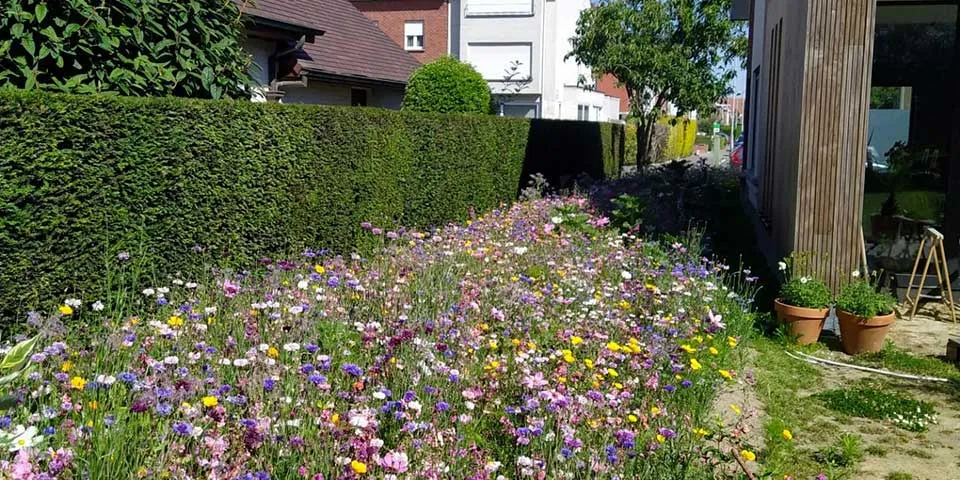
The original target of helping 500 gardens become more nature-friendly during the current term of office should be easy to meet. A year after the scheme was launched, more than 500 applications have already been submitted and several projects completed. “The large number of applications shows that residents are willing to contribute to a biodiverse city. To respond effectively, we are issuing a new call this year for interested experts. We want to double the size of our garden-coach team.”
Question about this story? Ask your question
Keep following this
Get an email when a new story is published. No account needed.
- ThemeGreen space for everyone
- SubjectGeneral







