









More than greenery to look at: Wuustwezel focuses on placemaking and small-scale green projects
Text Elise NoyezImage Gemeente Wuustwezel
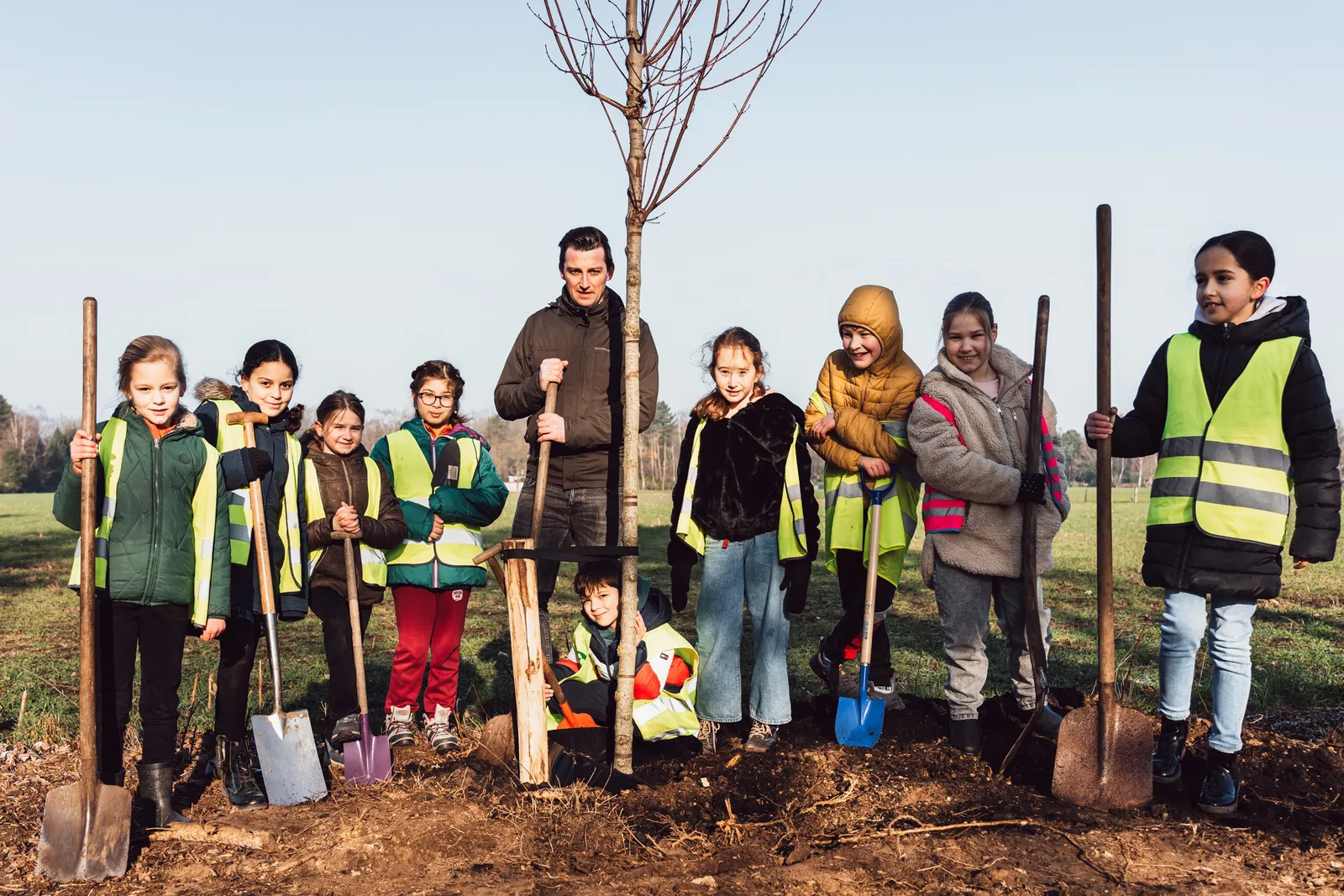
In our ‘City in the Spotlight’ feature, each edition gives a city or municipal authority the floor to discuss its initiatives in nature management, green space and biodiversity. Wuustwezel, for example, places great emphasis on targeted interventions and opportunities to combine projects across its extensive area. These are often small-scale, but are designed with their use as places to spend time in mind.
With 21,800 inhabitants and an area of around 90 km², only 11% of which is built up, Wuustwezel is a large, distinctly rural municipality. Its name refers to a wild (‘wuust’) area of meadows and woodland (‘wieze or wezel’). Alongside its major green spaces, often managed in collaboration with organisations including Bosgroep Antwerpse Gordel and Regionaal Landschap De Voorkempen, the municipal authority also makes a conscious effort to deliver smaller green projects. These are increasingly carried out in-house, from design and funding through to construction and maintenance.
Tree avenues as a backbone
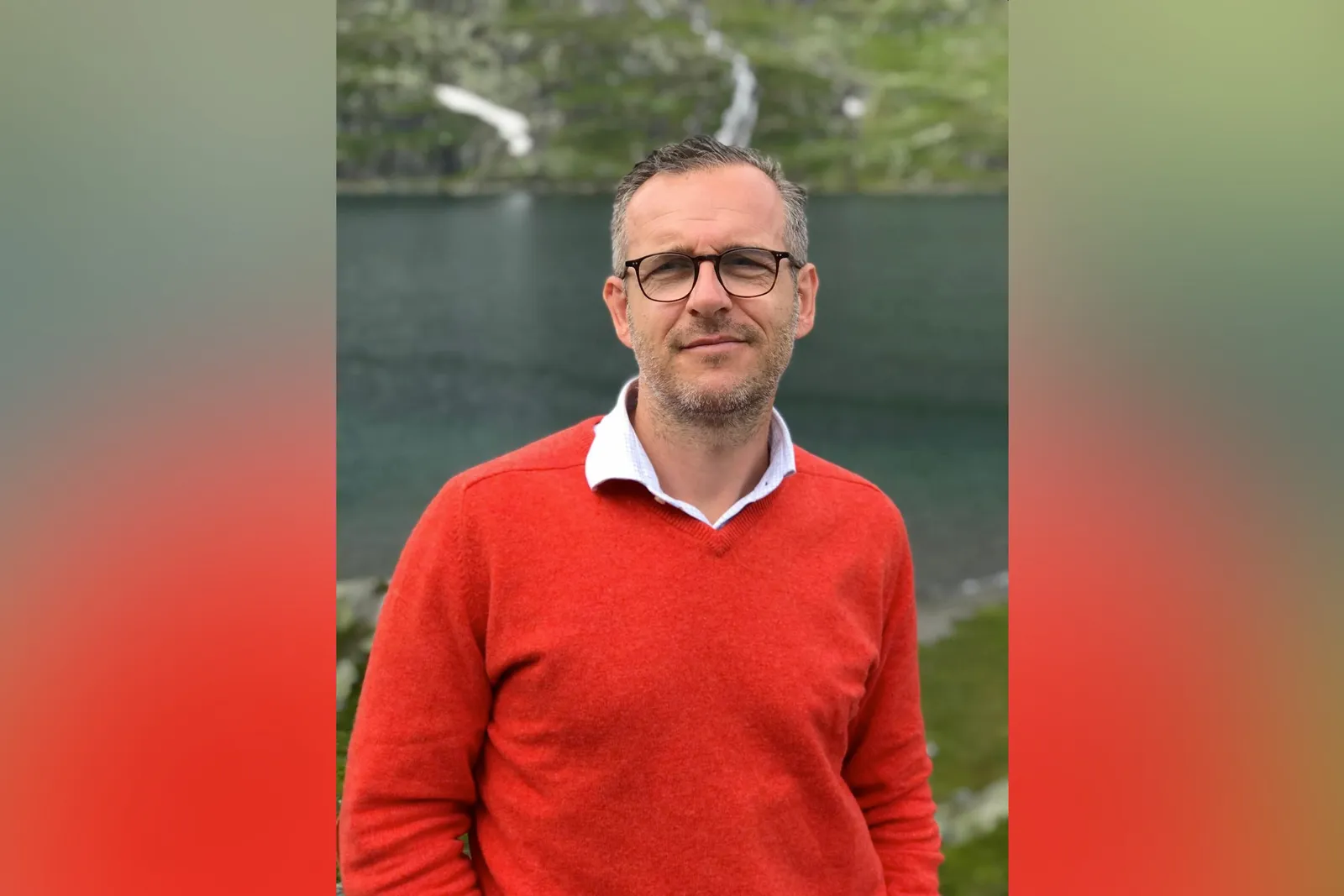
“One of our municipality’s great assets is its many tree-lined avenues and valuable rows of trees,” says Pieter Cools, alderman for environment, landscape, enterprise and digitalisation. “We do our best to preserve them and replant them where necessary.”
“Given the size of our area, that is a challenge,” adds landscape specialist Paul Deckers. “With our relatively small team, we can’t tackle every avenue each year. So we work in zones, addressing a different area each year.”
And it is not just the parks department that helps shape the avenues. Whenever new planting is planned, nearby schools are also involved. “The pupils come and help for an hour,” says Cools. “It always generates a lot of enthusiasm.”
From greenery to look at to green space to enjoy
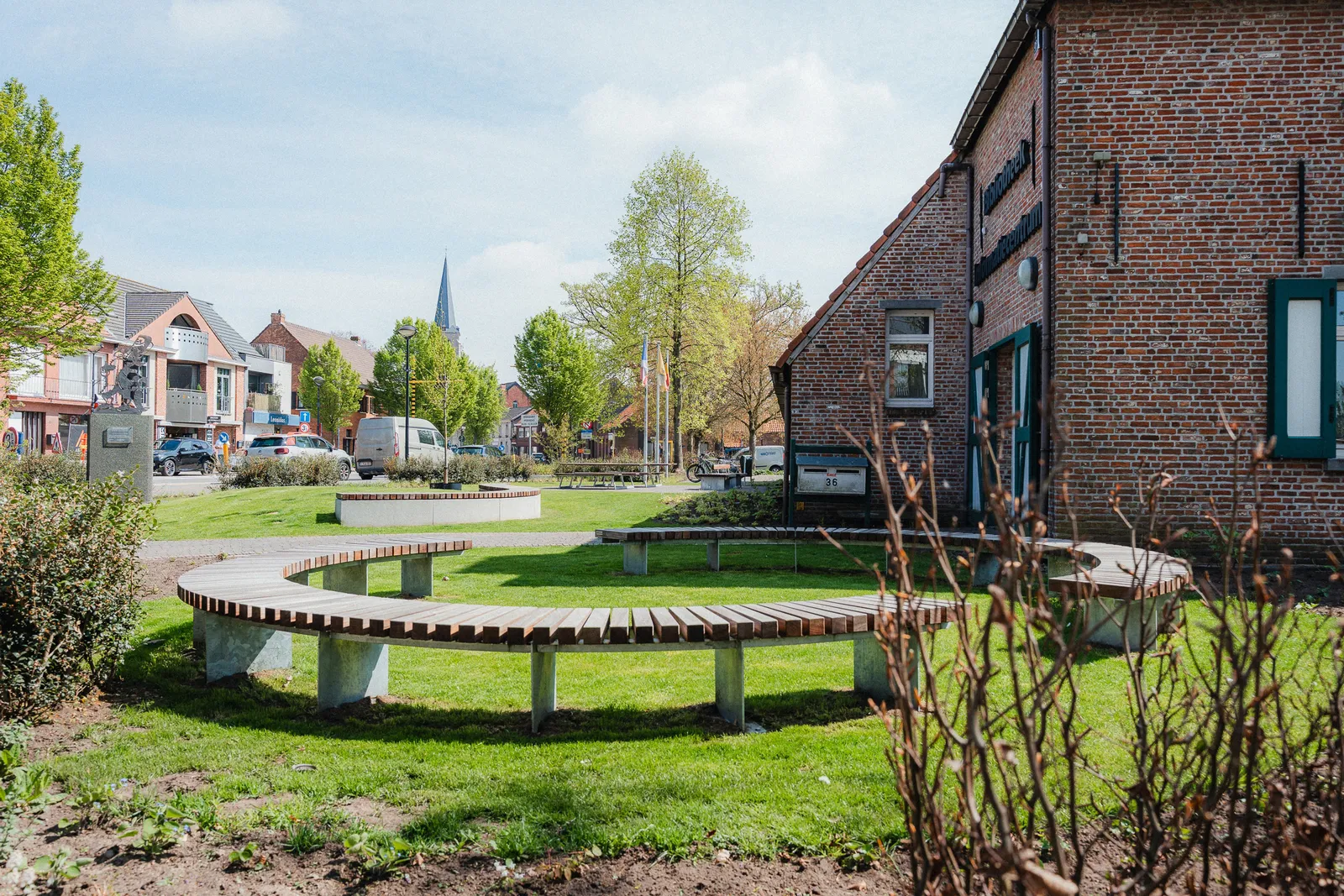
Community involvement plays a central role in Wuustwezel’s green projects. When the Bibliotheekplein was redesigned, for example, specific consultation sessions were held for children. The project went on to win in the Public Realm Greenery category at the VVOG Awards 2025. “The curved benches and play mounds came directly out of that participation process,” says Deckers. “The great thing is that children can turn almost anything in a public space into a play feature.”
Through projects like these, the municipality wants not only to add greenery but also to improve the quality of public space. “We want to go beyond greenery that is simply there to be looked at and create spaces where people can spend time. Green spaces should invite people to use them. That obviously calls for suitable planting and extra attention to maintenance, so our parks department continues to build its knowledge in this area. We see our municipality as a kind of laboratory where we keep learning.”
Making the most of opportunities to combine projects
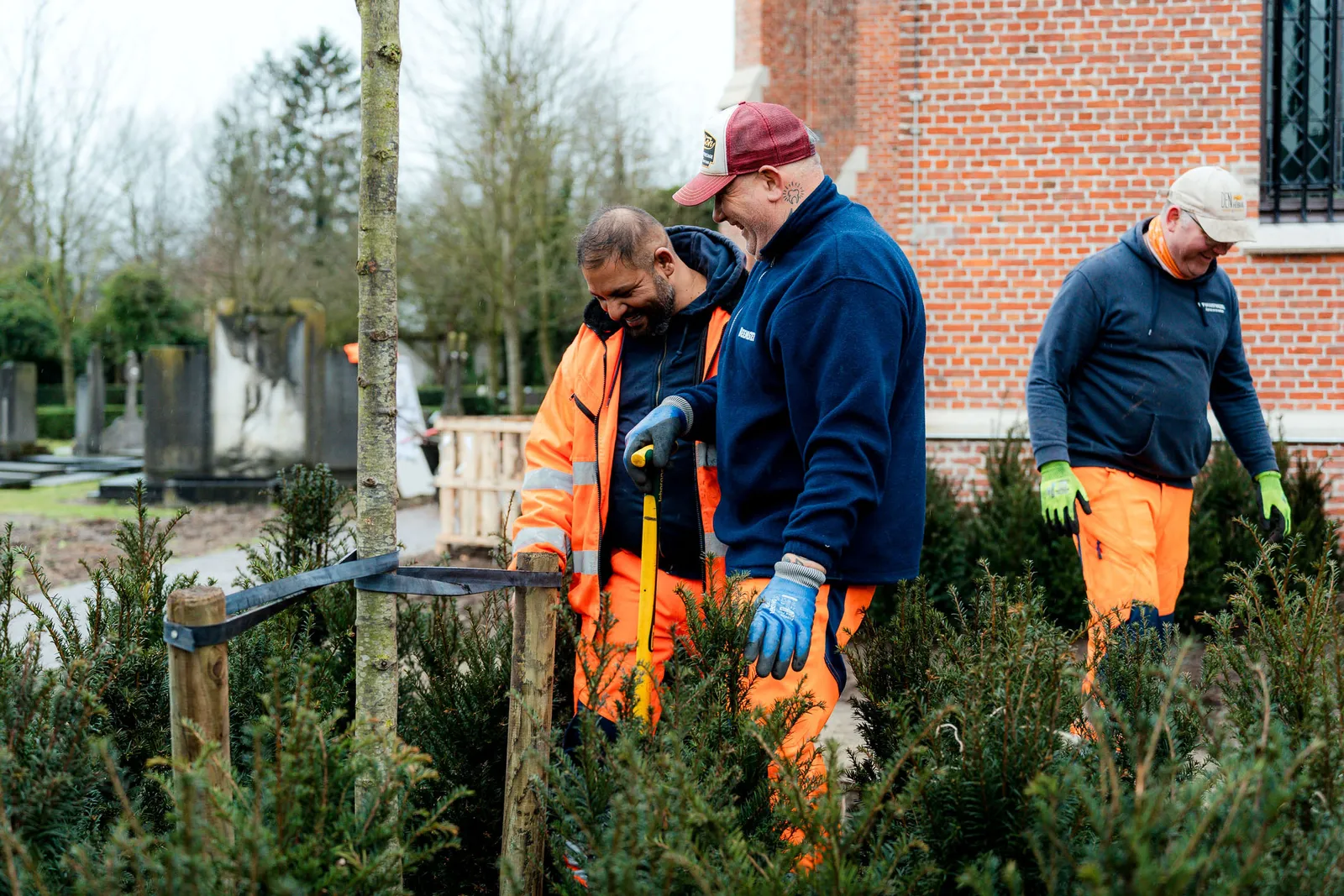
Small-scale interventions are playing an increasingly important role in the municipal fabric. “The impact of projects like these will only grow,” says Cools. “That’s why we try to seize opportunities as they arise.” For instance, plans to install a new monument in Mansionpark provided an opportunity to upgrade the entire site. The restoration of the Onze-Lieve-Vrouw-Hemelvaartkerk was also an ideal occasion to green the surrounding area. “In these places, the focus is less on play, but benches still give them a clear function as spaces to use and spend time in.”
Question about this story? Ask your question
Keep following this
Get an email when a new story is published. No account needed.
- ThemeGreen space for everyone
- SubjectGeneral







