









Nature as a solution for a resilient and healthy living environment
Text and images CORRIDOR BV
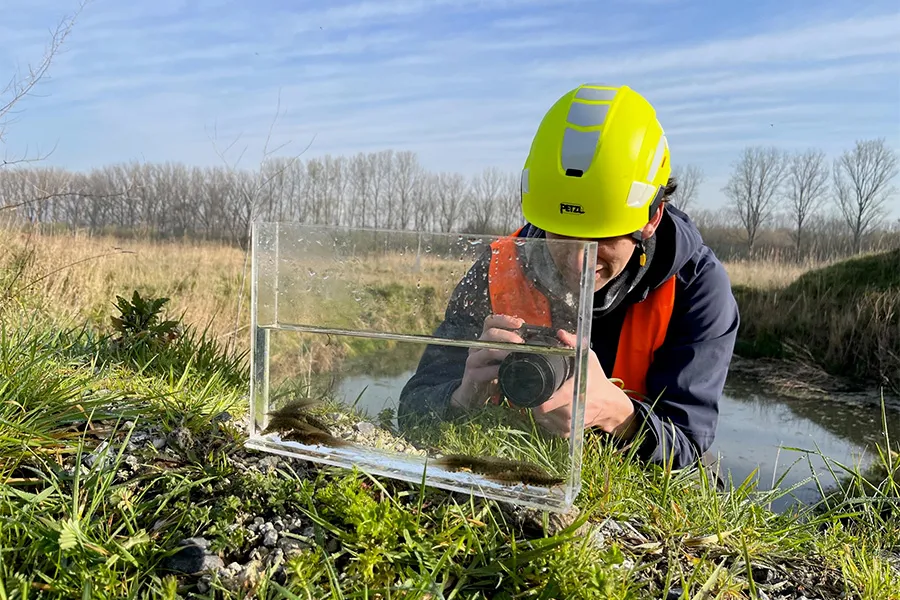
Nature provides food, drinking water, clean air, flood control, outdoor recreation, liveable green cities… Sadly, all this is under pressure from biodiversity loss and climate change. We need more high-quality green and blue space. This means focusing in particular on high-quality depaving, climate adaptation and green-blue networks in specific new projects.
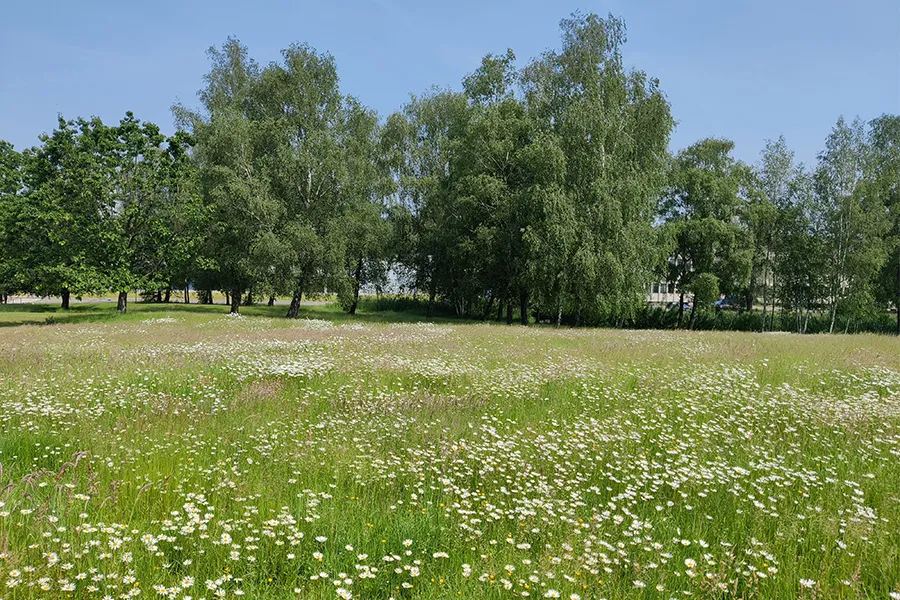
When it comes to investing in green space, we are not satisfied with a patch of grass and a few new trees. No, we go a step further and invest in nature-inclusive green space. We want to increase biodiversity and create habitats for wildlife. Imagine walking through a lush park full of birds, butterflies and other animals. That is the kind of experience we are aiming for. Green-blue connections: a network of interlinked parks, green spaces and waterways where animals can move freely and thrive. Worthwhile, wouldn’t you say?
Understanding complex ecosystems is essential
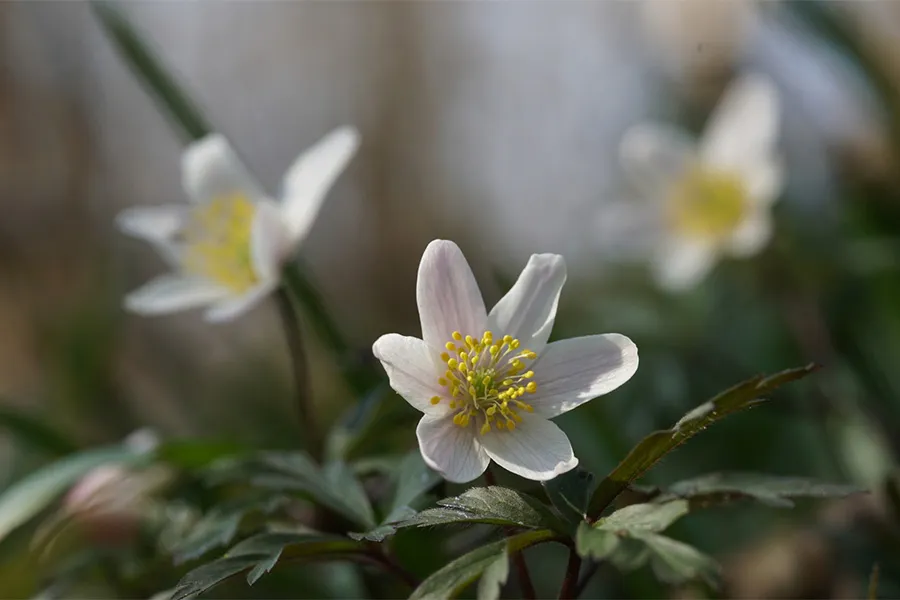
When developing green spaces and nature areas, it is important to have a thorough understanding of the complex ecosystem. This means knowing the different species, their ecology, and how they interact with one another and their surroundings. Knowledge of abiotic conditions, such as soil quality and water availability, is also required. Finally, it is important to know how species respond to management techniques such as pruning or mowing. With all this knowledge, an ecologist can make informed decisions that maintain the health and balance of the system.
An ecologist brings progress and conservation together
Corridor’s ecologists assess the natural value of sites and provide expert advice on how to protect, conserve and enhance it. We assess the impact of projects on nature and ensure that nature and development thrive together, with progress and conservation going hand in hand.
Our work begins with a thorough survey of natural value, including an inventory of flora and fauna. Based on this, we guide action to make projects nature-inclusive, alongside practical advice on how to handle protected species. We take a holistic approach, considering the wider project and the landscape as a whole.
Many solutions can be found in nature
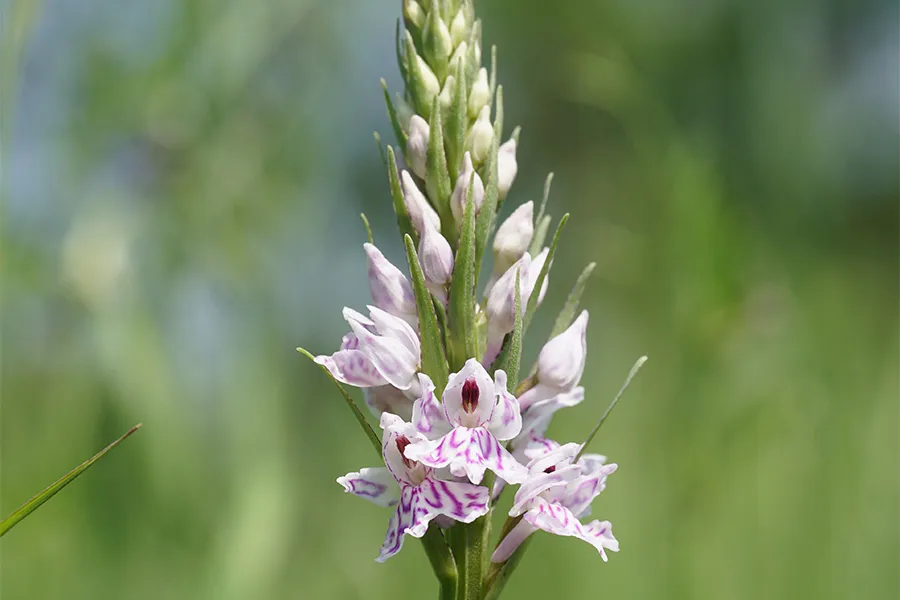
Nature is not only beautiful, but powerful too. And we know how to harness that power to address urban climate problems such as heat, flooding and drought. For a new project, architects, contractors, lawyers, soil experts, ecologists, hydrologists and landscape architects need to work together to create a feasible, nature-inclusive solution.
When ecologists are involved in a new project from the outset, they can not only assess the presence of protected plants and animals, vegetation or habitats, but also ensure that natural value is enhanced.
With population growth and urbanisation, it is important to integrate nature into urban design. Whether it involves green roofs, vertical greenery, bioscreens or rain gardens, we ensure that every project benefits from our expertise.
And that expertise is essential, because nature is not an afterthought, but the key to a successful and sustainable project. It is about creating a space that works with nature, not against it. Think cooler temperatures, less flooding and better connections between habitats. Our green-blue projects connect all kinds of animal species, turning our cities into not just functional, but thriving ecosystems.
Nature-inclusive thinking is increasingly becoming the norm in heavily urbanised areas, and ecologists play a crucial role in this. By integrating projects into the landscape, we create a green-blue network that delivers climate resilience, biodiversity and a healthier living environment.
Corridor is a member of Natuurpro, a network of landscape architects, engineers, ecologists and landscape contractors.
Question about this story? Ask your question
Keep following this
Get an email when a new story is published. No account needed.
- ThemeGreen space for everyone
- SubjectGeneral







