









Professional tree consultant essential for tree health
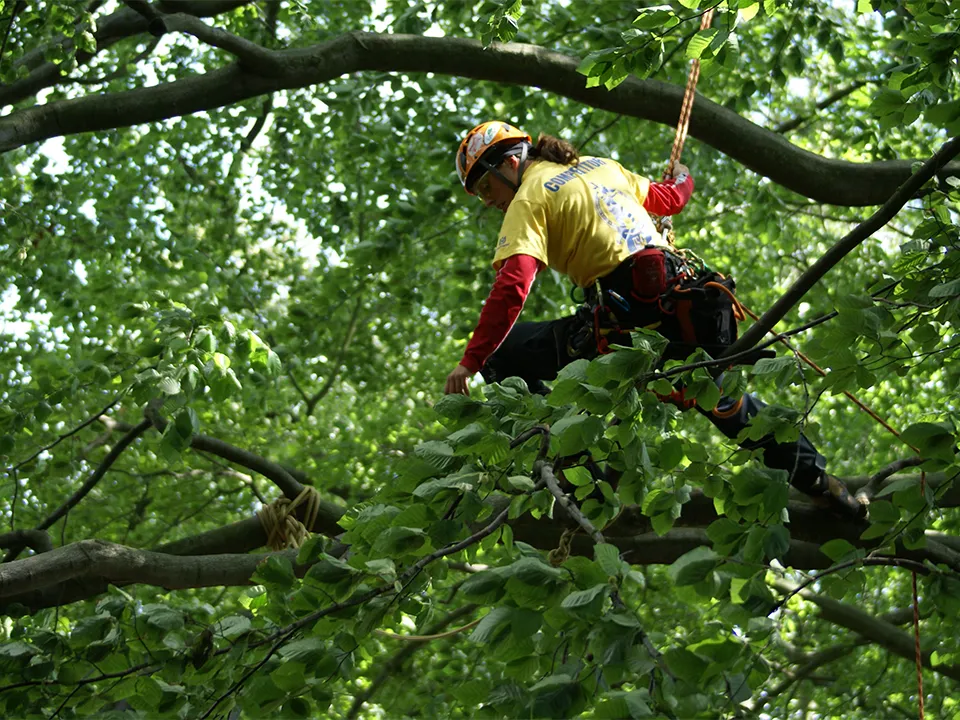
Back in 2000, the Praktijkcentrum voor Land- en Tuinbouw recognised the need for a tree care training programme. Since then, a whole generation of professional arborists has graduated from PCLT, many of them earning the European Treeworker Certificate. One of them is Dirk Berteyn: “The importance of our profession can hardly be overstated.”
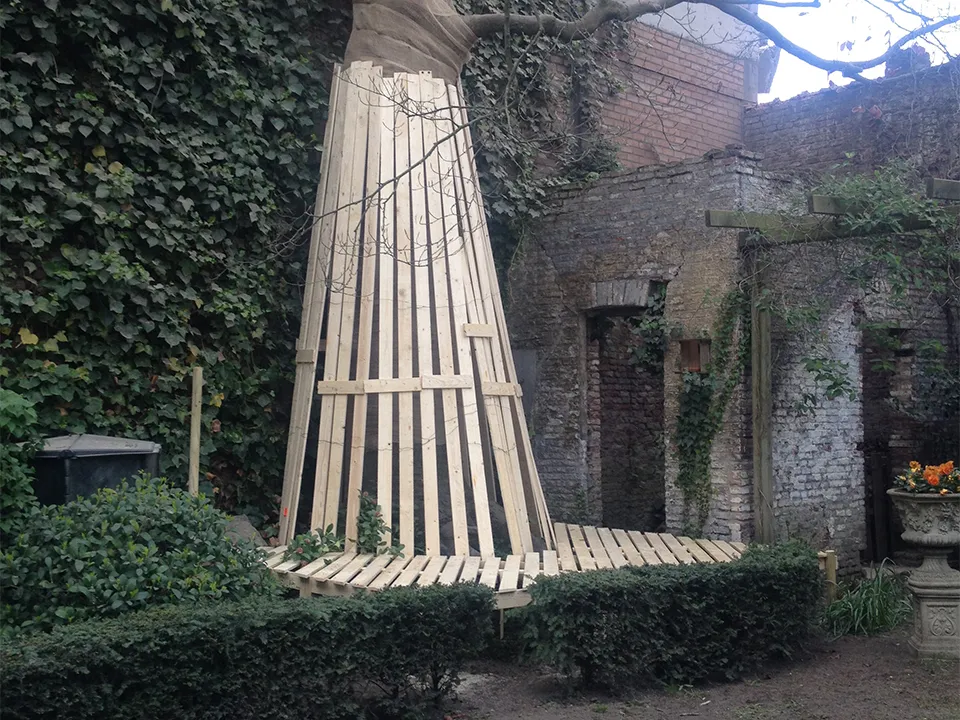
From planting to decline
Dirk Berteyn, tree consultant, Certified European Treeworker and wind load analyst, started out as a self-taught arborist. He completed several specialist training courses in both Germany and the Netherlands, and has been working as an arborist since 1983. He has also been a lecturer at PCLT for many years.
“The importance of our profession can hardly be overstated,” says Berteyn. “Unlike a tree surgeon, who only steps in when urgent problems arise, we care for trees throughout their entire life cycle, from planting to decline. This enables us to maintain green spaces in the best possible condition, including in urban areas, and helps create a natural, liveable society.”
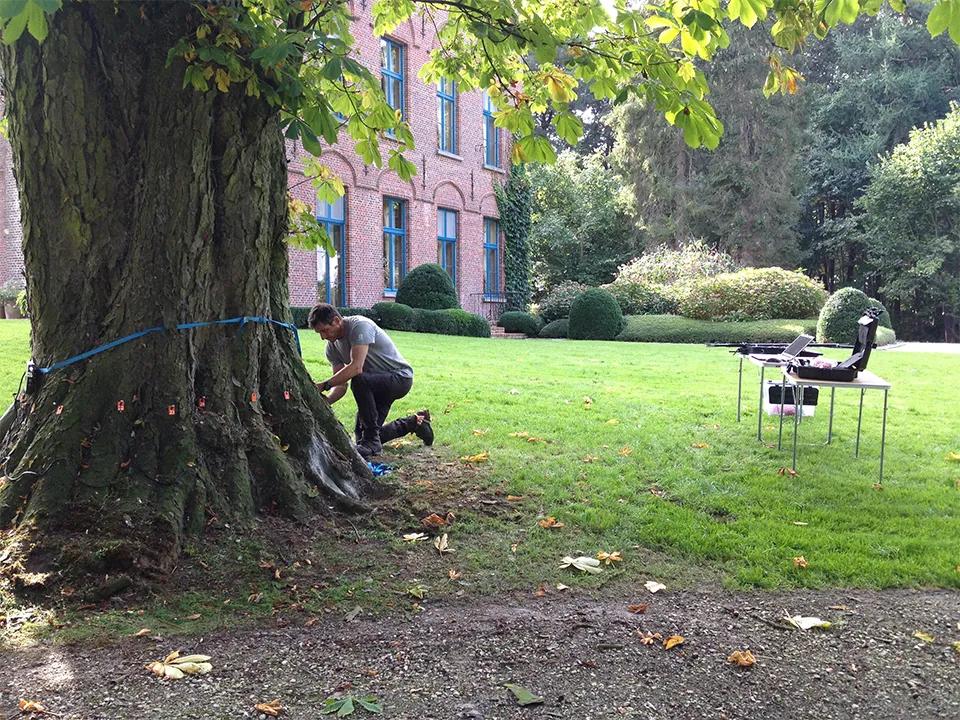
Prevention is better than cure
“The most important stage in a tree’s life is its first ten to fifteen years. Good care and monitoring during this period determine the tree’s health and lifespan. Timely intervention prevents problems later on. Here too, prevention is better than cure.”
“When planting trees, we should always start by asking ourselves a few fundamental questions. Am I planting the right tree in the right place? What are the soil conditions like? And what do I want the finished result to look like? Combined with regular monitoring, this allows us to ensure a healthy tree population over the longer term. Keeping trees alive is one thing, but we also need the courage to fell them if necessary. This may be because of infectious diseases, or to improve the chances of survival for other, more valuable trees.”
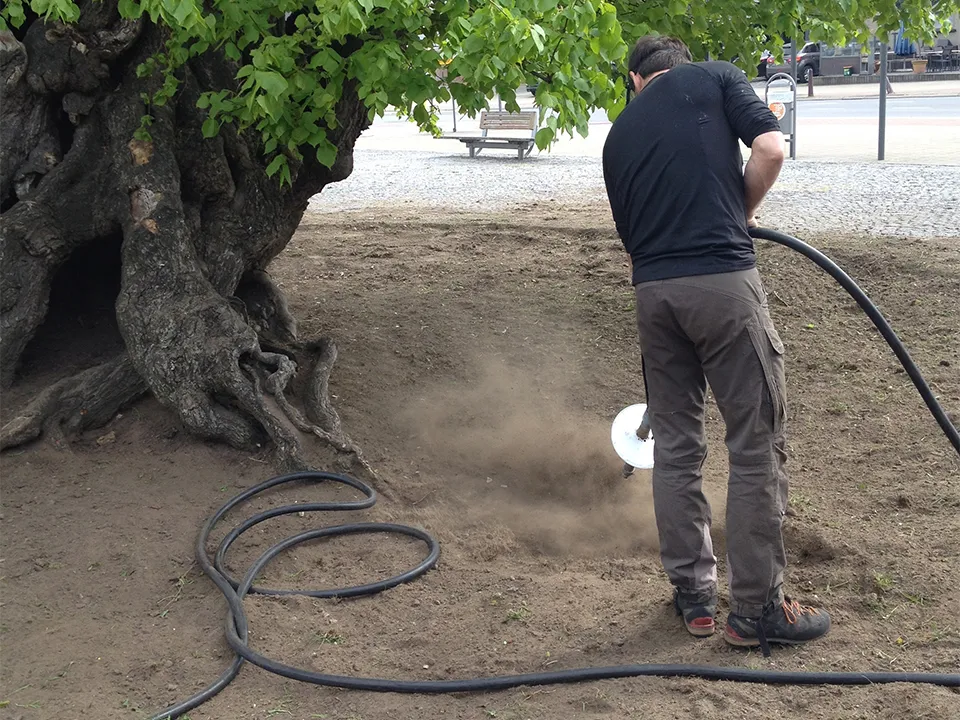
Trees in an urban context
“Urban green spaces are essential to life. Trees in our cities and towns often have a hard time, for example because of exhaust fumes, soil compaction or water shortages. Here too, the key is to intervene and provide for their needs in good time. This is particularly important because the average lifespan of such trees has fallen over the years to just 25 years. Preserving trees during construction projects, for example, is currently a major focus.”
“We can also prevent the spread of infectious diseases, for example by avoiding monocultures. In a number of European cities, boulevards and avenues lined with uniform rows of trees are disappearing and being replaced by varied plantings of different tree species,” Berteyn argues.
The impact of climate change
Climate warming has also affected the arborist’s profession in recent years. There is an increasing need to plant trees from temperate Mediterranean climate zones in our regions too. To better protect native trees, some cities are already using sensors to measure soil moisture and automatically water trees when necessary, without wasting water.
Dirk Berteyn puts his expertise as a tree consultant at the service of clients at home and abroad every day, contributing to a green and healthy living environment. He also passes on his knowledge and experience to students on the arborist training course at PCLT with great enthusiasm and enjoyment.
Question about this story? Ask your question
Companies in this story

Keep following this
Get an email when a new story is published. No account needed.
- SubjectGeneral
- CompanyPCLT







