









Renting vs buying in the green sector: costs, flexibility and electrification
Text Kris VandekerckhoveImage Huurland
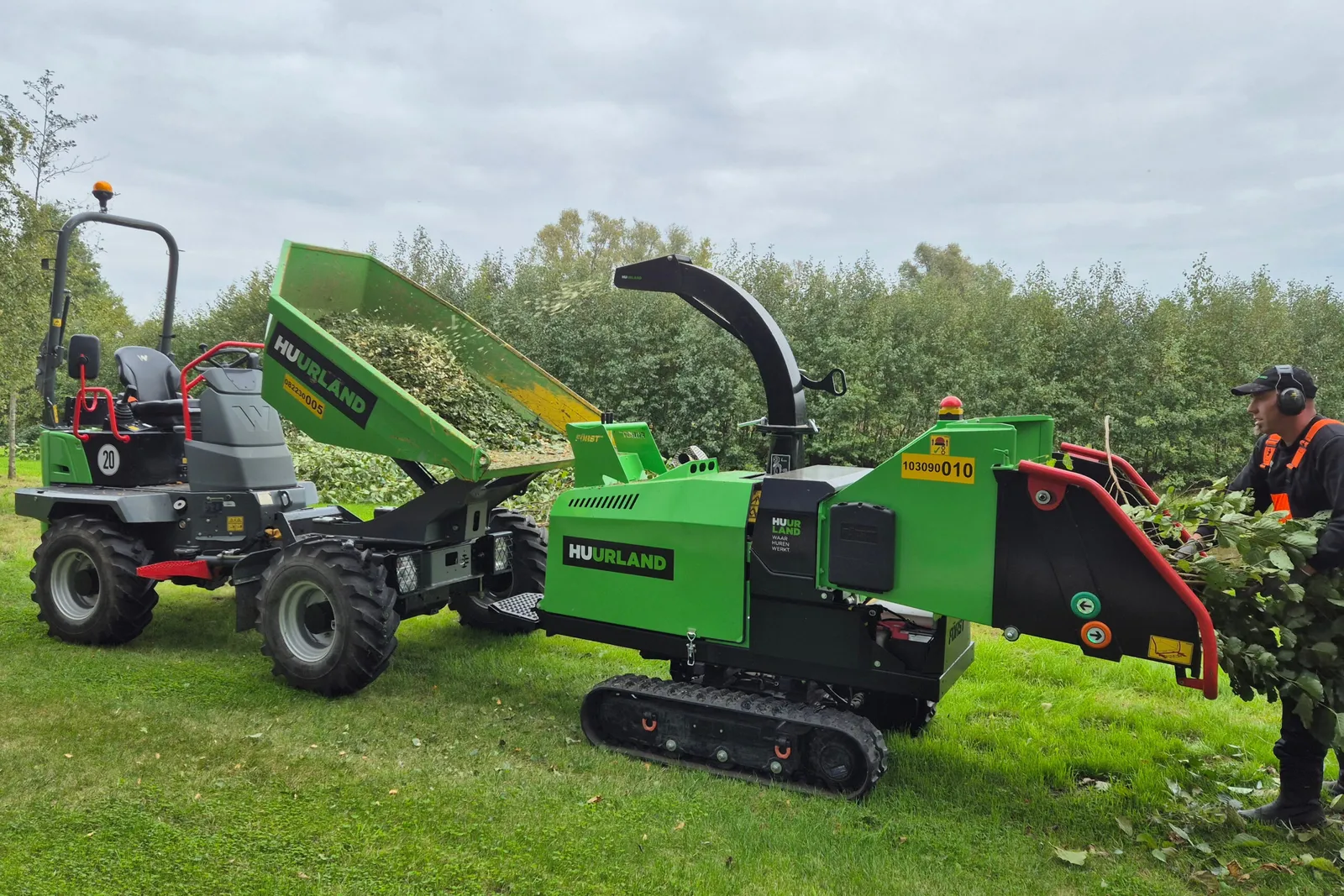
The green sector is changing fast. Machines are becoming quieter, cleaner and smarter to use, while landscape contractors need to work more flexibly than ever. According to Sofie Ameloot, managing director at Huurland, much of the solution lies not only in technology, but also in mindset. “Anyone who still thinks purely in terms of buying today is often missing out on the real efficiency gains.”
This change is clearly visible in the electrification of machinery fleets. “The shift to batteries has been under way for a few years now,” says Ameloot. “Electric machines have become commonplace for smaller equipment.” Battery technology has become firmly established in this area, from hand tools to compact machines. She also sees a clear shift in access platforms. “Today, you can work electrically at heights of up to 24 metres.”
But the story is not yet complete. In heavier applications, such as mini excavators and articulated loaders, the sector is still looking for the right balance between power and autonomy. “We’re not quite there yet,” Ameloot admits. At the same time, she notes that manufacturers are making rapid progress. Batteries last longer and machines are gradually becoming more affordable. The direction is clear, although progress varies between segments.
From ownership to use
While technology is evolving, attitudes sometimes lag behind. Many landscape contractors still opt to buy, often out of habit. “The biggest hurdle is that people don’t look at the total cost of ownership,” says Ameloot. And that is precisely where the difference lies. Buying a machine may seem logical, but hidden costs quickly add up: maintenance, transport, storage and downtime. “The purchase price is often only part of the total cost,” she says.
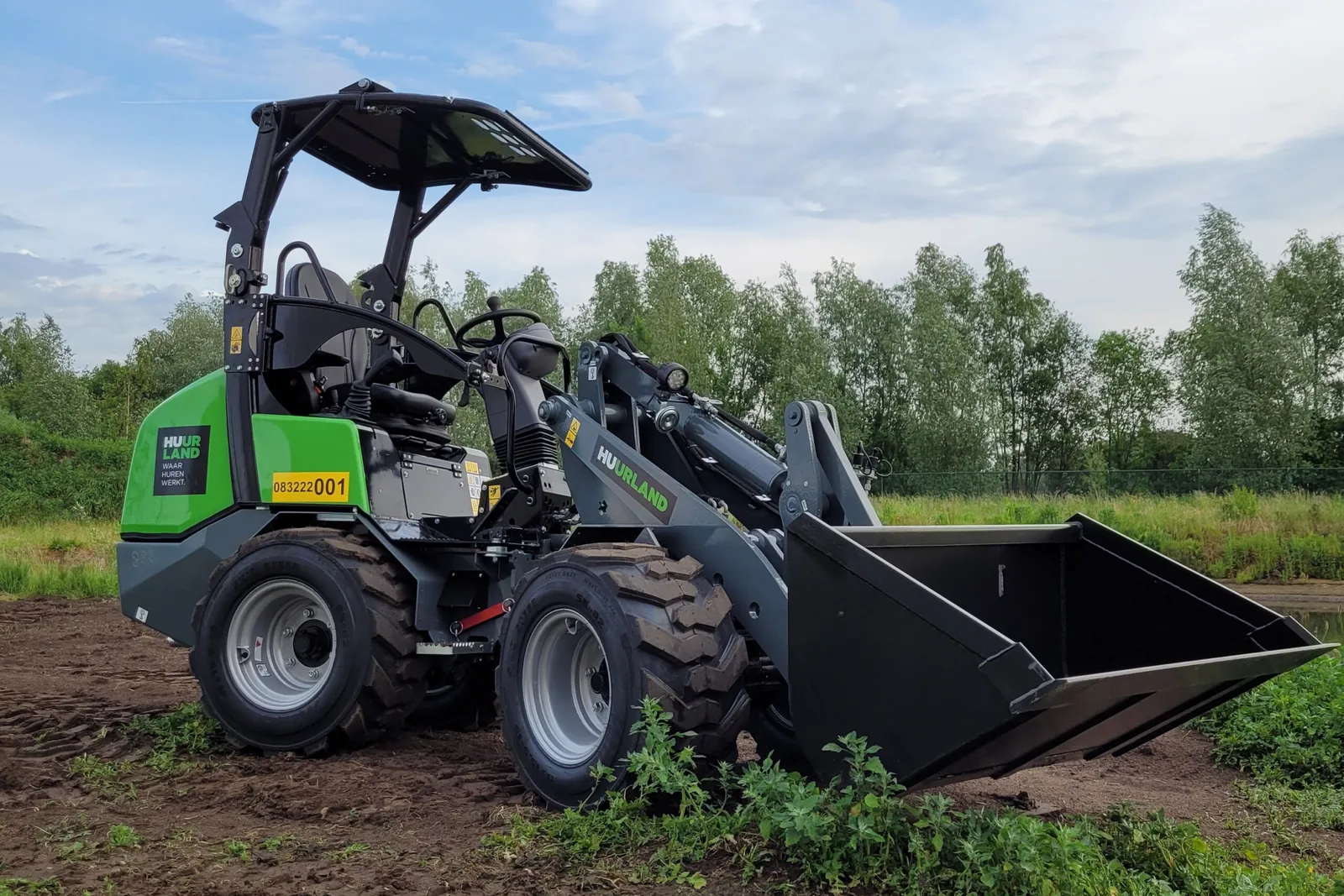
On top of that, there is a familiar practical problem: one machine has to do everything. “Contractors might buy one excavator, for example, and try to use it for every type of job. With rental, you can choose exactly the right machine for the job.” The result: greater efficiency, less overkill on small sites and more options for complex projects.
Sustainability through sharing
This approach ties in with the sharing economy, which Huurland has been committed to for years. “The real sustainability gains come from sharing machines,” says Ameloot. Using equipment more intensively means fewer machines are needed overall. That means less manufacturing, fewer raw materials and higher utilisation rates.
Going electric is an important step, but according to Ameloot, it is not the whole story. “Using equipment more efficiently and reducing downtime also make a big difference.” Sustainability is therefore not just about what you use, but above all how you use it.
Hassle-free rental
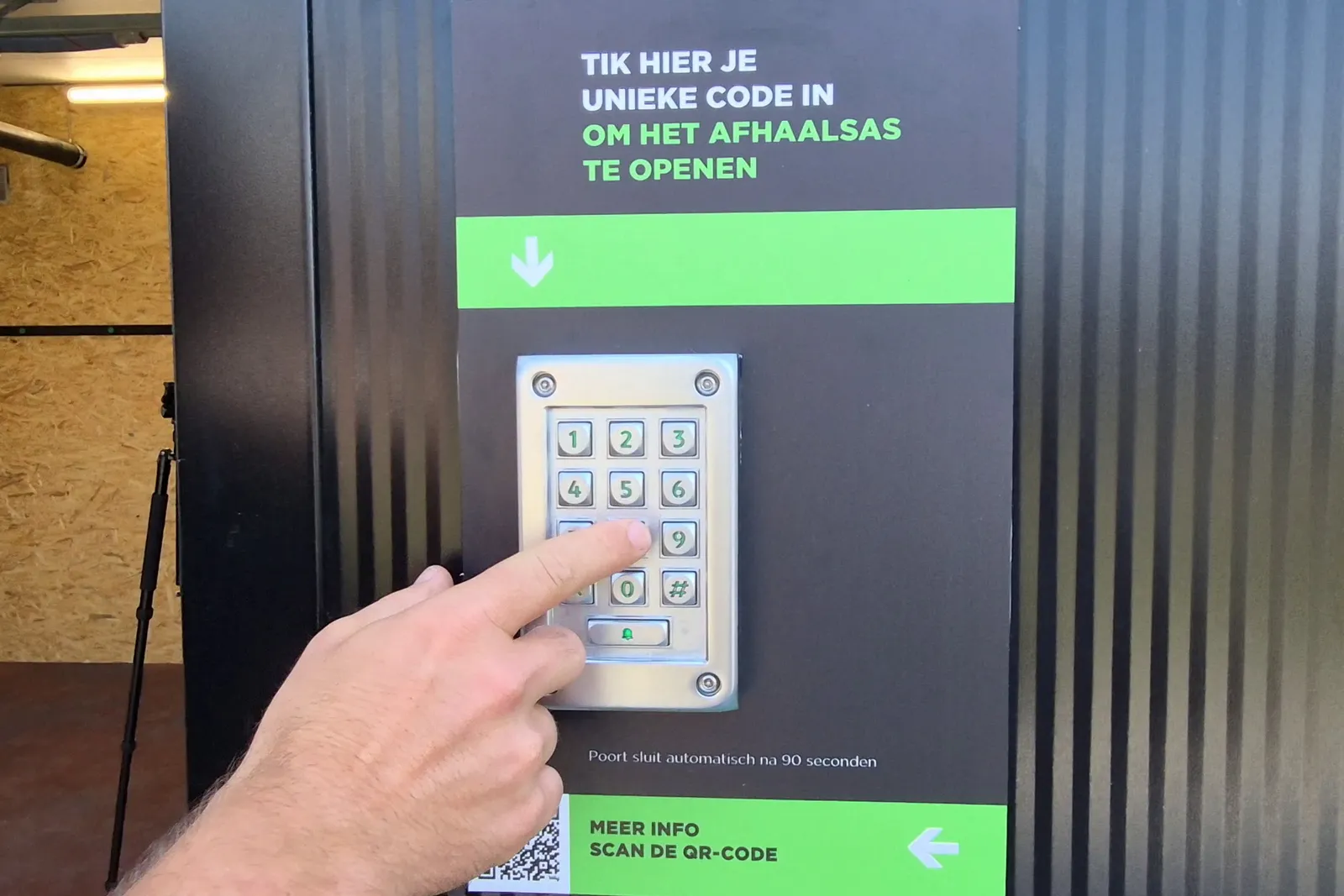
This focus on efficiency also extends to service. One practical example is the 24/7 collection bay that Huurland is currently trialling in Roeselare. The concept is simple: book online and collect your machine whenever it suits you. “For many landscape contractors, that’s a huge benefit,” says Ameloot. It is a familiar scenario: a job overruns and extra equipment is needed, but there is no time to wait until the next morning. With this system, a contractor can book on Friday evening and get straight to work on Saturday morning.
The next step is already in the works. Huurland wants to automate the process further, allowing customers to work entirely digitally, including access via an automatic code. At the same time, the human touch remains important. “There will always be a group of customers who prefer to call or drop by. We’ll continue to offer both options.”
A smart start means making smart choices
Ameloot has a clear message for landscape contractors looking to become more sustainable without making major investments: start pragmatically. “Renting is often the smartest first step.” It allows you to use modern, sustainable equipment without making a major investment. If you do buy, make the decision carefully, taking account of both emissions and total cost. “Think in terms of TCO and choose what you really need, not what you think you need,” she concludes.
Een zakelijke vraag aan Huurland? Get in touch
Companies in this story

Keep following this
Get an email when a new story is published. No account needed.
- ThemeRunning a business in the green sector
- SubjectGeneral
- CompanyHuurland







