









Road verge management offers great potential for nature development
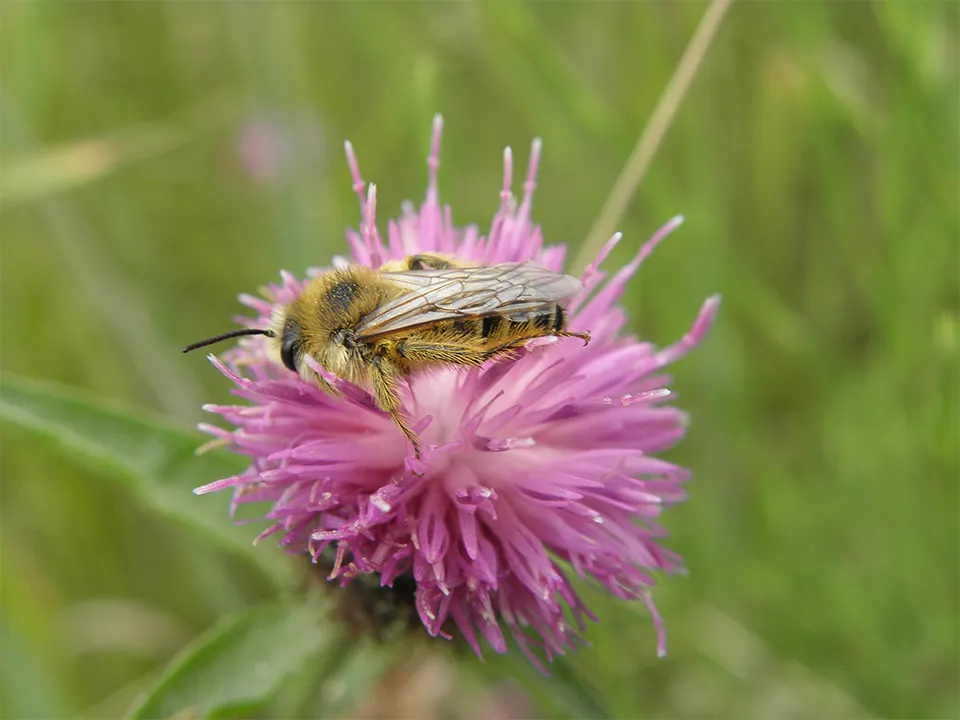
The Flemish landscape has changed dramatically over the past hundred years. Increasing urbanisation, our extensive infrastructure network and the intensification of industry and agriculture have led to significant fragmentation.
In our limited open spaces, the habitats of wild plants and animals often have to give way to other uses. Many species have been forced to retreat to one of the few places where they can still live: our road verges. Fortunately, the total area of road verges in Flanders is greater than that of all recognised nature reserves combined. Taking a considered approach to verge management is therefore only logical. Eco-logical.
Potential
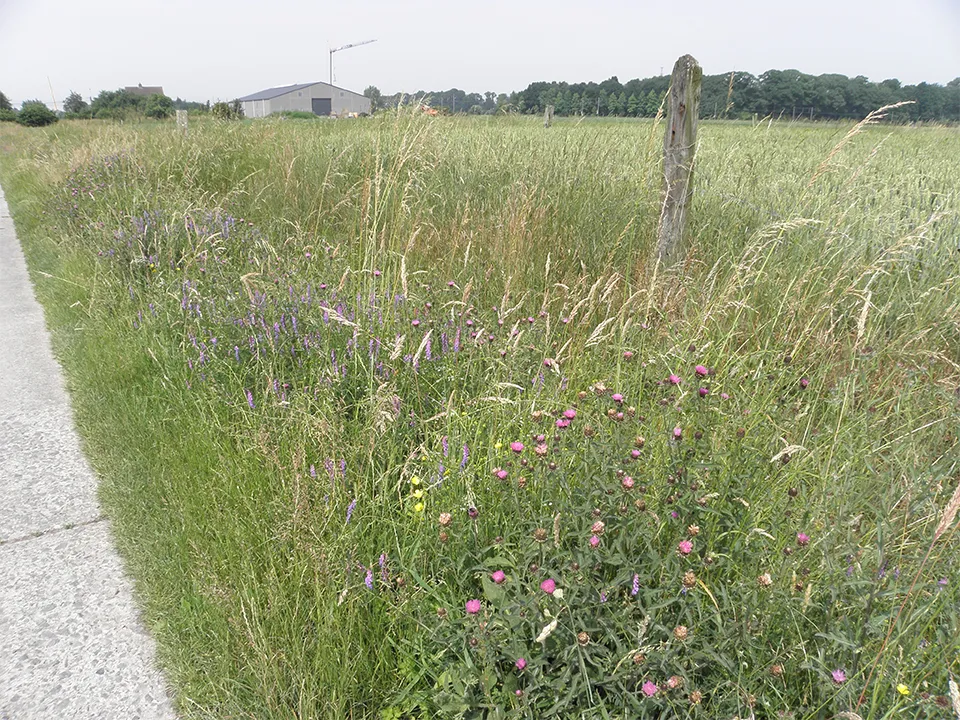
There is also enormous potential for nature development in Flemish road verges, outside nature reserves. They are often one of the few remaining havens for wild plants and animals. Through ecological verge management, we aim to make verges more valuable for nature by applying tailored, intensive management.
Verges provide high-quality habitats for wild flowers and plants, which serve as a food source for many bees, butterflies and other insects. These insects, along with the various seeds and berries found in verges, in turn provide food for many birds, and so on.
Ecological verges can also act as refuges or stepping stones, or as linear landscape features connecting natural areas. In addition, they are often more attractive and enhance the experience for road users. In short, road verges can be much more than strips of land to be mown alongside the road.
More diversity, less growth
Under the Verge Decree (Belgian Official Gazette, 2 October 1984), the first cut of road verges may not take place before 15 June and the second before 15 September. Cuttings must be removed within ten days, and the use of biocides is prohibited. These measures are intended to encourage ecological verge management by public authorities and municipalities. They are based on the following principles.
Cuttings left permanently on the verge enrich the soil and reduce species diversity. This is because competitive species such as common nettle and tall grasses such as false oat-grass benefit from the nutrient-rich conditions and become dominant. The cuttings left behind also form a dense layer of litter (thatch) that is difficult to penetrate, creating a barrier for new seedlings. Removing the cuttings gives dominant species less of a competitive advantage and increases species diversity on the verge. The mowing dates are intended to ensure that flowers and herbs have the chance to set seed before they are cut. Otherwise, less desirable species that can spread rapidly by vegetative means via runners would become dominant, reducing biodiversity once again.
Easier said than done! The different functions of a road verge must be taken into account, including its functions for traffic, water management, ecology and landscape. The regulations also give little consideration to the technical and financial aspects of management. A verge management plan can provide a clear framework for the future and allow an application to be made for an exemption from the Verge Decree.
Verge management plan
At Landmax, as an ecological consultancy, we have the experience and expertise needed to develop an effective ecological verge management plan. We tailor each plan to the site, starting with a thorough survey of the current ecological value within and around the verges. We then assess and classify their value, and determine the frequency, timing and methods of management work. We always take into account the budget available and the facilities for carrying out the work. On this basis, we draw up a practical and achievable management plan, complete with the instructions needed by any municipal parks department or green-space professional to put it into practice.
We also provide support with communicating the ecological verge management plan and raising awareness among all parties involved, and can offer further planting advice.
Question about this story? Ask your question
Companies in this story
Keep following this
Get an email when a new story is published. No account needed.
- SubjectGeneral
- CompanyLandmax







