









Selling produce from your vegetable garden: the requirements for your own business
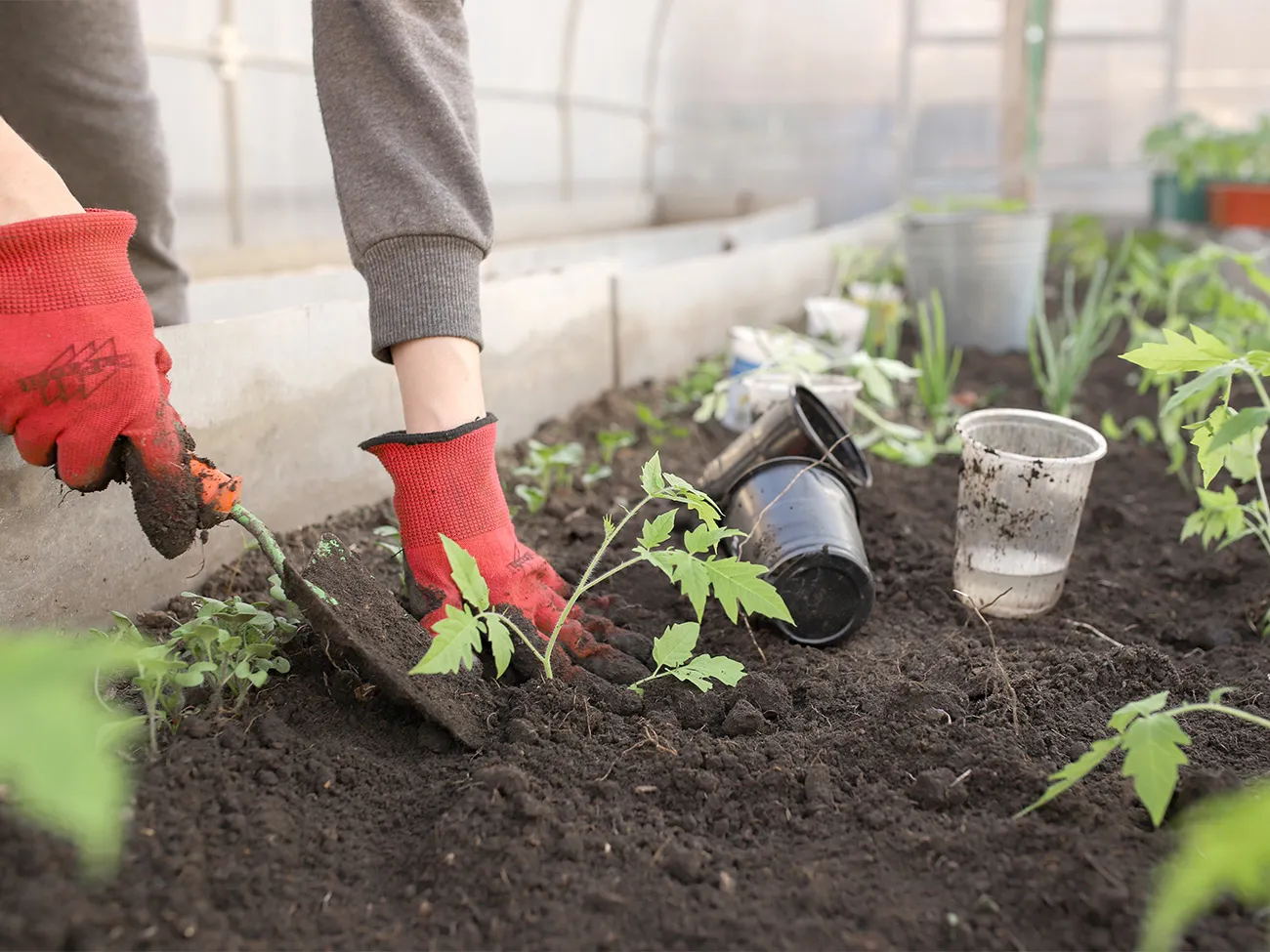
New forms of agriculture are emerging more and more often. One such initiative is an oversized vegetable garden that has grown beyond a hobby, with the harvest sold to customers. But can you simply do that? What is involved in starting a new business activity? We explain the steps you need to take below.
Starting a business
As soon as you want to sell produce from your vegetable garden, you must set up a business. This means becoming a self-employed farmer or horticulturalist on a part-time basis. But what exactly does that involve?
To become self-employed on a part-time basis, you must be at least 18 years old and have full civil rights. You must also hold a certificate in business management if you set up your business in Brussels or Wallonia. The Flemish Region has decided to abolish the requirement to demonstrate this knowledge when registering with the Crossroads Bank for Enterprises (KBO). However, Flanders recommends that new business owners acquire this basic knowledge.
First, you are required to apply for an enterprise number from the KBO. This applies to both sole traders and companies. You are free to choose an accredited business counter. If you choose to set up a company, you must establish it before you can be assigned an enterprise number. You must then file the deed of incorporation with the registry of the Commercial Court in the judicial district where your company’s registered office is located. This filing must be made within 15 days of the date of the deed of incorporation. After the deed has been filed, the registrar will enter the company’s identification details in the KBO, which will then assign the company an enterprise number. Remember to notify your health insurance fund if your status changes.
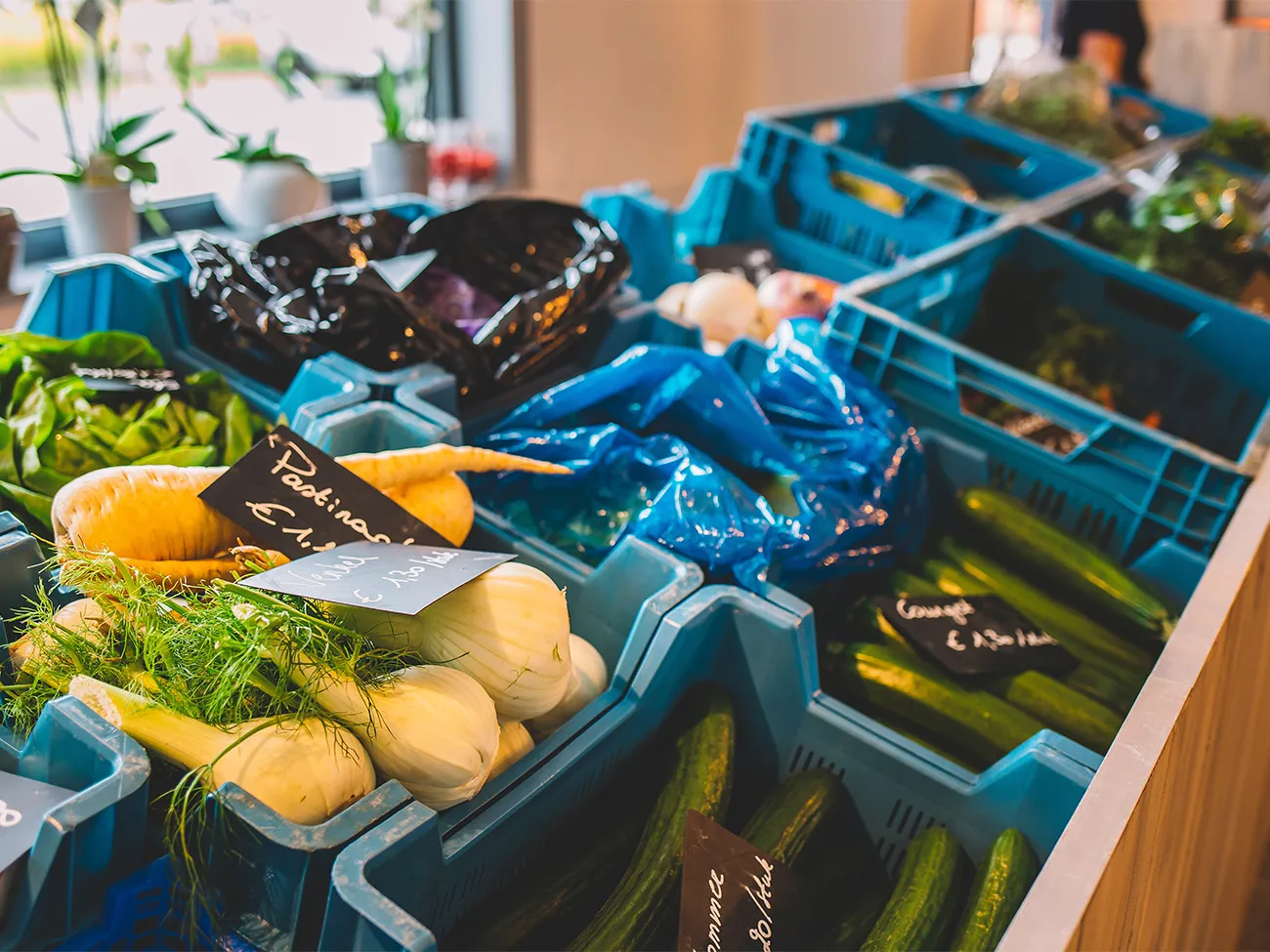
What about VAT and social security contributions?
Normally, you must also apply for a VAT number. For a vegetable garden, you can opt for the special VAT scheme for agricultural businesses. This means that, as a business owner, you are exempt from the VAT obligations that would apply under the normal scheme, such as issuing invoices, paying VAT to the authorities and submitting periodic returns. You cannot deduct the VAT charged by your suppliers, but you will receive it back in the form of flat-rate compensation paid by your taxable customers.
You are also required to join a social insurance fund and pay social security contributions every quarter. Unlike someone who is self-employed as their main occupation, a part-time self-employed person does not build up their own social security entitlements, such as child benefit, healthcare, sickness benefit and a pension. If your annual income from your part-time activity does not exceed 1.553,57 euros, you are exempt from contributions. As a self-employed person with equivalent status as a part-time activity (Article 37), your net taxable annual income must not exceed 7.356,08 EUR. Each year, it is checked whether you met the conditions for part-time self-employment in the previous contribution year. The National Institute for the Social Security of the Self-employed (RSVZ) first carries out this check automatically, using data from the Crossroads Bank for Social Security.
I’m becoming a farmer. What now?
As a new farmer or horticulturalist, you must apply for an agricultural number and an operating number from the Department of Agriculture and Fisheries. Every year, all farmers must also submit a single application. Under the Manure Decree, you are exempt from filing a manure declaration with the Flemish Land Agency (VLM) if you operate a farm or horticultural business in Flanders that, among other things, has an area of less than 2 ha, less than 50 ares of permanently covered agricultural land, and annual manure production of less than 300 kg of phosphate.
As soon as you sell vegetables or fruit, you must follow a number of rules to ensure food safety. You must be particularly careful when using plant protection products and biocides. The products must be authorised for use in Belgium and used in accordance with the instructions on the label: crop type, dose, pre-harvest interval, and so on. You must also keep a usage register of the plant protection products and biocides you use. This must include, among other things, the name of the product used, the application date, the crop it was used on, the dose applied and the harvest or sale date. If you grow less than 50 ares of potatoes and standard fruit trees, less than 25 ares of low-stem fruit trees or less than 10 ares of other plant products, you do not have to register with the FASFC. You are also exempt from the annual contribution to FASFC funding.
If you want to carry out an itinerant activity, meaning selling products away from your own business premises, you need authorisation to do so. You must apply for this authorisation, or hawker’s licence, in advance through an accredited business counter of your choice. If you sell your products at your business premises, you may also sell them at an event once without a hawker’s licence, for example at an annual neighbourhood party.
Question about this story? Ask your question
Keep following this
Get an email when a new story is published. No account needed.
- SubjectGeneral







