









Sint-Niklaas opts for large-scale reuse of clay pavers
Text Elise NoyezImage Steenbakkerij Vande Moortel
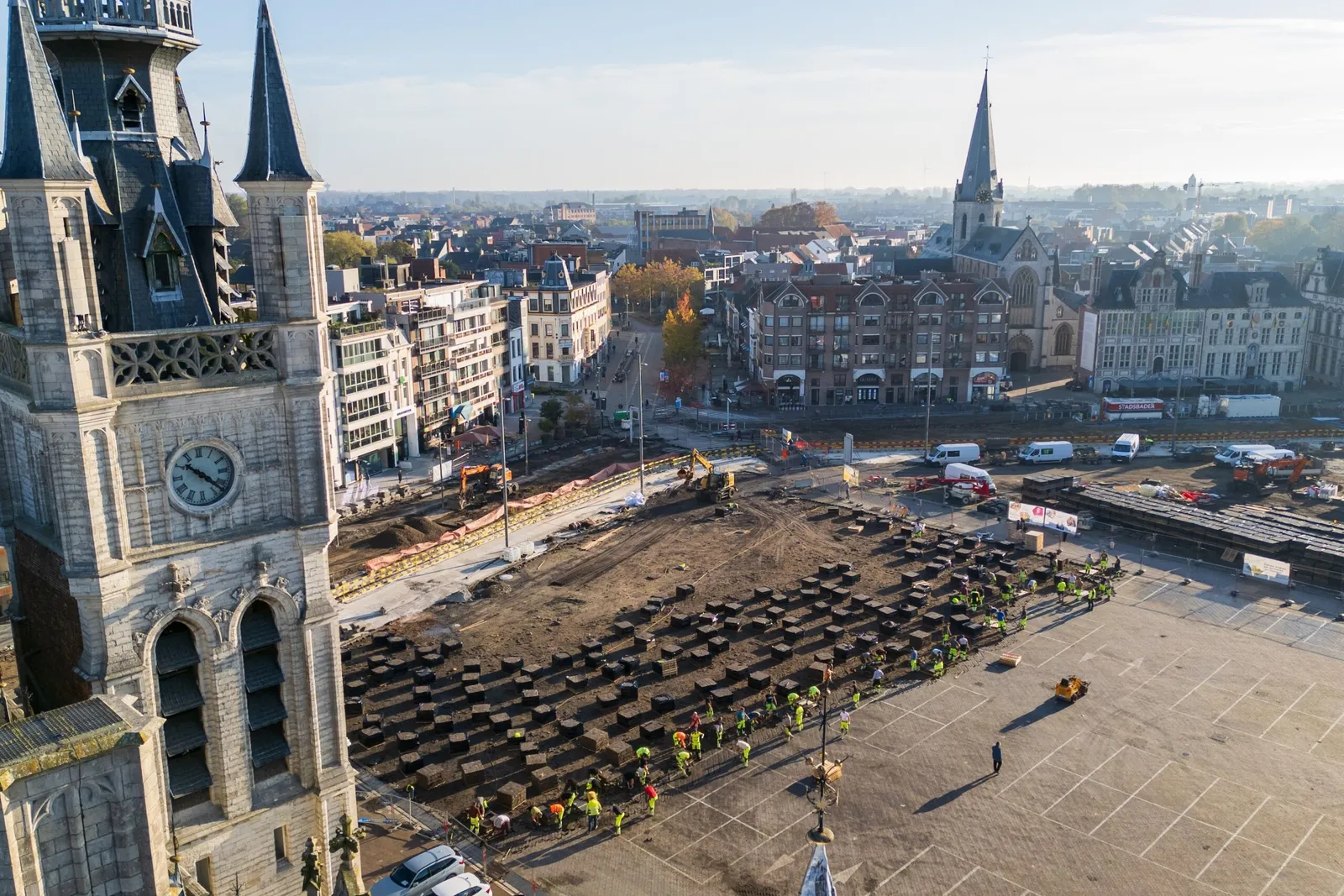
The Grote Markt in Sint-Niklaas, Belgium’s largest market square, is undergoing a major transformation. Its almost entirely paved 3.19-hectare surface is being converted into a green, vibrant square with space for terraces, water features and events. Sustainability and circularity are high on the agenda for the redevelopment. This is reflected, among other things, in the special approach to the existing paving.
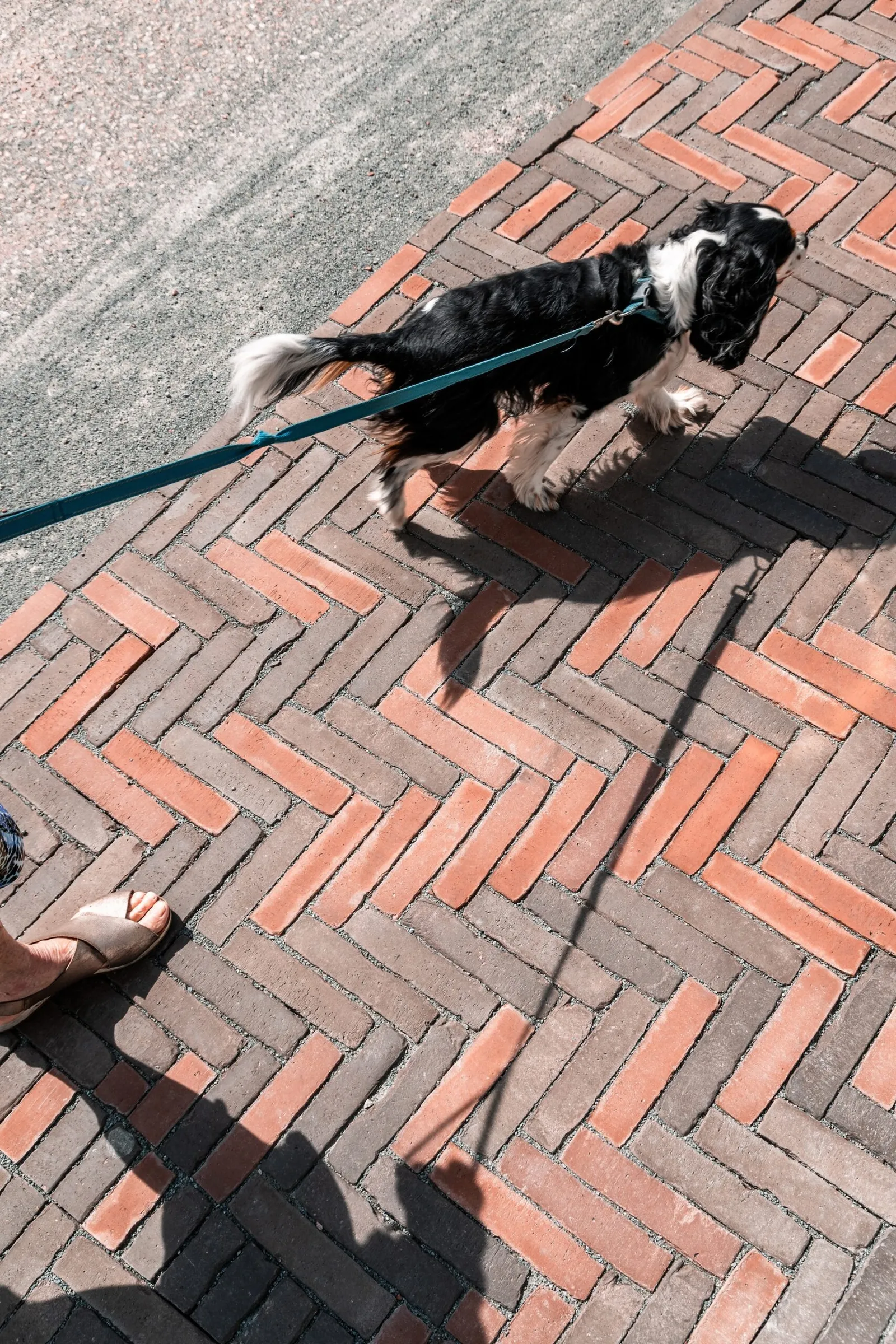
Around twenty years ago, Steenbakkerij Vande Moortel supplied clay pavers in two different colours for the previous redevelopment of the Grote Markt. In the new design by Sweco Belgium and LAMA landscape architects, around 60 per cent of these pavers will be reused, with the remainder being sold as reclaimed pavers.
Enormous circular potential
The idea of keeping materials in use for as long as possible is a natural fit with the principles of circular construction. Rather than sending materials to landfill, the city of Sint-Niklaas is firmly committed to reuse and recycling in this project. This makes sense when you consider that clay pavers have an average lifespan of more than 150 years. Their high quality and ease of installation make them ideally suited to reuse. This not only minimises waste, but also reduces the need for new production.
Local reuse
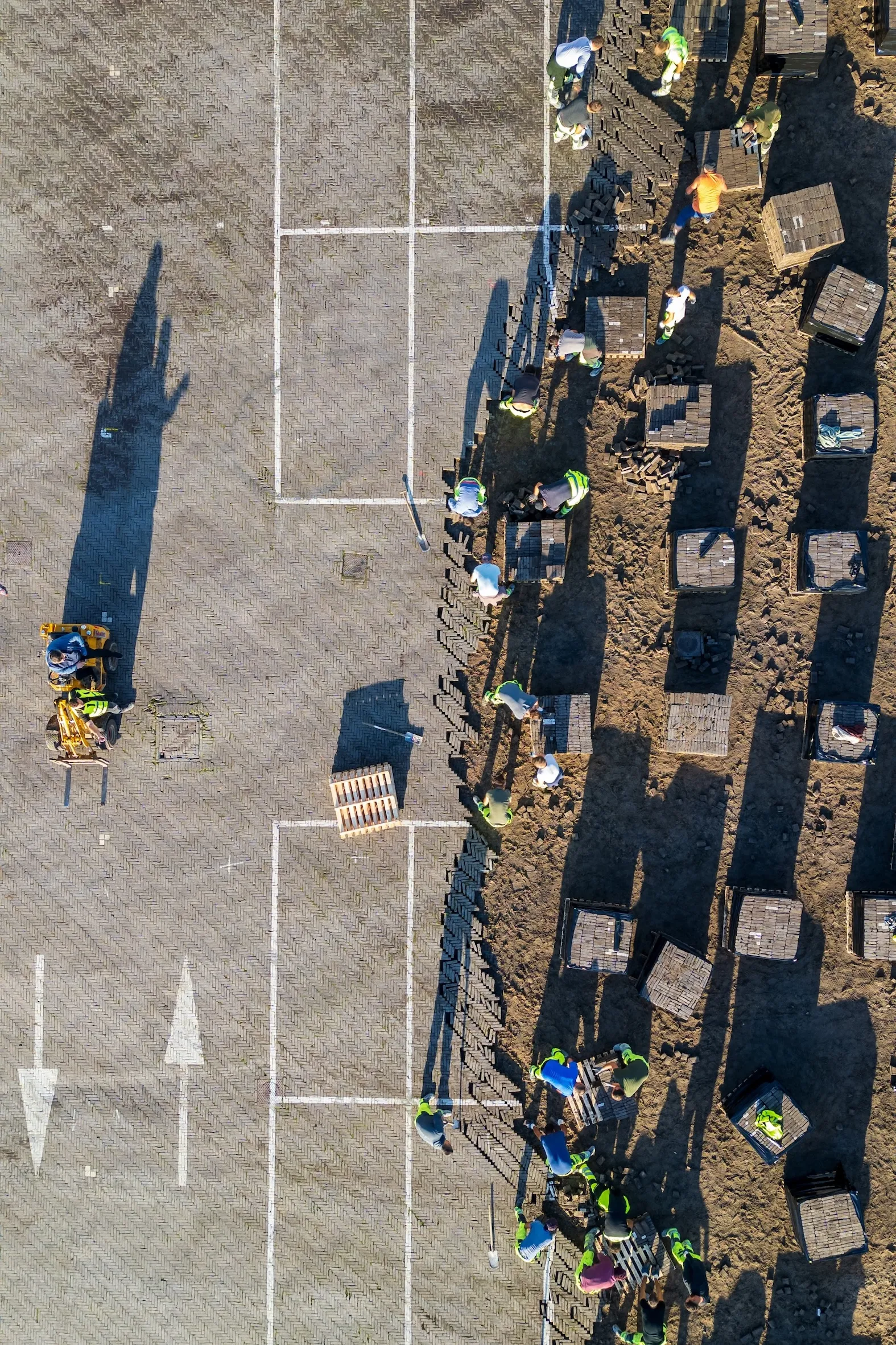
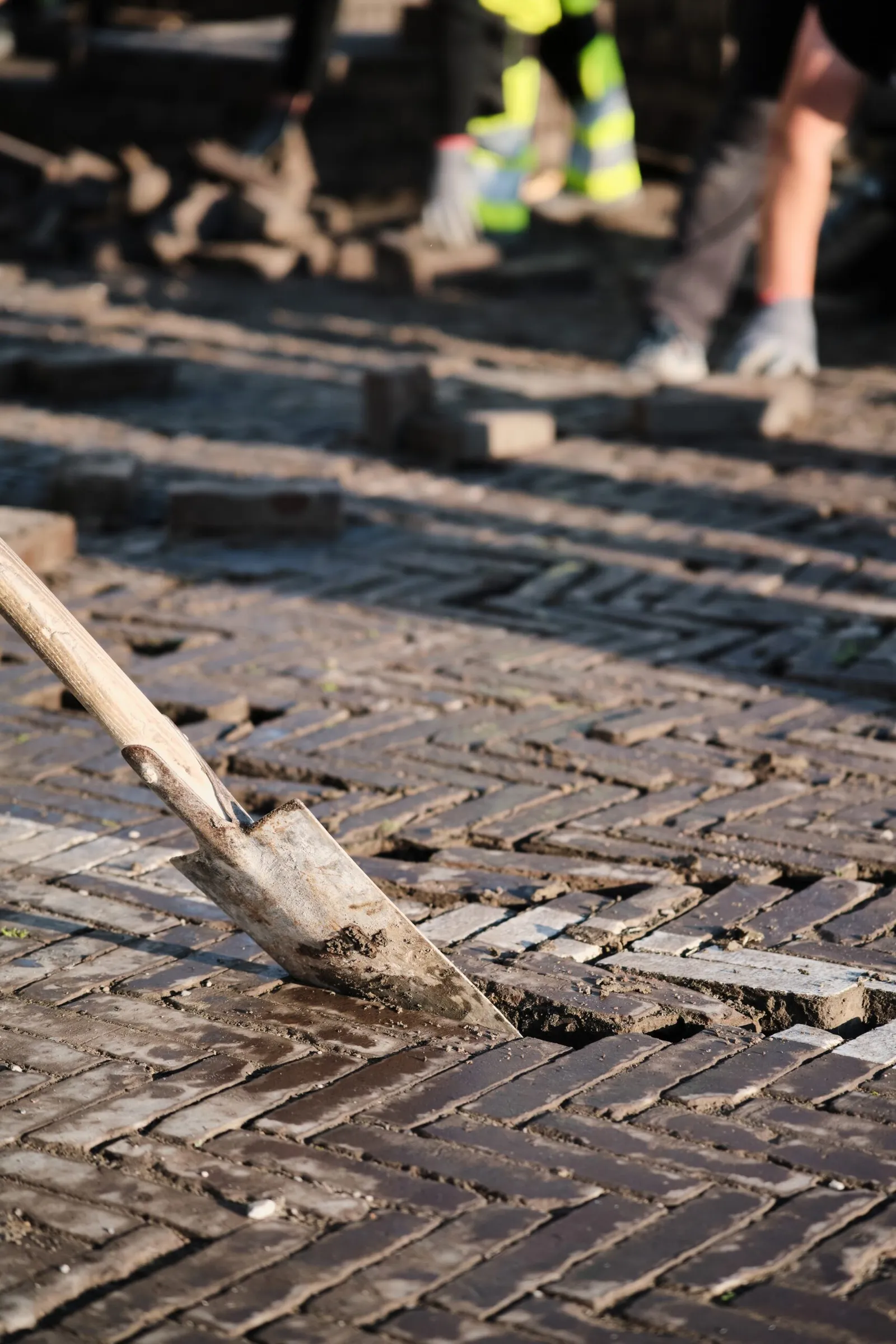
To enable the existing pavers to be reused, they are lifted from the ground zone by zone, sorted and stacked on pallets. The pavers that are reused on site never leave it. This results in significant transport savings and, consequently, lower CO2 emissions. Reusing the clay pavers therefore not only reduces waste and the need for new production, but also contributes to a more efficient construction process.
The new Grote Markt will ultimately feature a combination of SeptimA pavers in Sepia, Amarant and Antraciet, and DecimA pavers in Sepia and Amarant. They will be used primarily for paving the square, as well as for parking bays. DecimA pavers will be used specifically in areas where heavy vehicles may travel. In line with current standards and the project’s sustainability ambitions, existing and new clay pavers will be laid in a water-permeable manner wherever possible, for example in pedestrian areas. Water-permeable jointing material will ensure that rainwater can infiltrate the ground. Main contractor Stadsbader is managing the project.
Reclaimed pavers for every project
Because the new design provides considerably more space for green and blue infrastructure, not all the existing pavers can be reused locally. The remaining pallets will therefore be returned to Steenbakkerij Vande Moortel and put back on the market. This gives contractors and landscaping contractors the opportunity to use reclaimed pavers from Belgium’s largest market square in both public and private projects.
A sustainable DNA
Although this is the first time the manufacturer has offered reclaimed pavers directly, Steenbakkerij Vande Moortel has long been committed to a sustainable, circular vision. More than 20 years ago, Vande Moortel introduced the ecological ECO-7 format. It is now the standard for 90 per cent of its own clay paver range, as well as far beyond it. The brickworks also sells surplus production and other stock lots through the Brick and Paver Outlet, and processes various production residues into crushed aggregate for foundations, infiltration layers and even paving. In this way, the company contributes every day to a world with less waste and lower CO2 emissions.
Een zakelijke vraag aan Steenbakkerij Vande Moortel? Get in touch
Companies in this story
Keep following this
Get an email when a new story is published. No account needed.
- ThemeWater and hard landscaping in the garden
- SubjectGeneral
- CompanySteenbakkerij Vande Moortel







