









Small landscape features, more than just an embellishment of the landscape
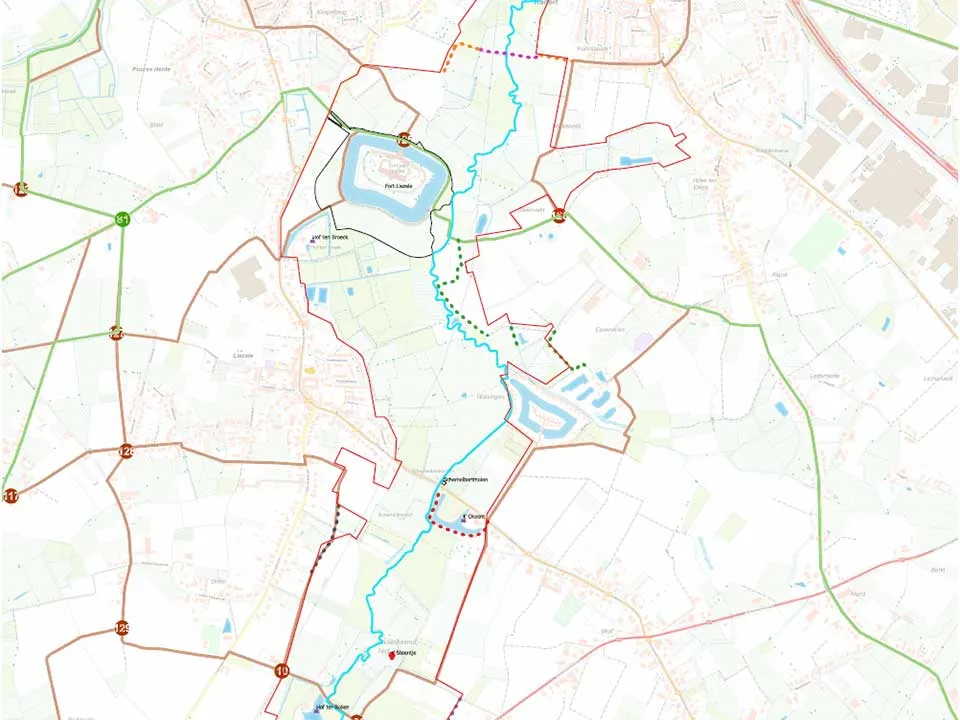
Small landscape features, or SLFs for short, is a collective term for linear and point-like natural features that help define the appearance, structure and character of the landscape.
Examples include small patches of woodland, solitary trees, springs, hedgerows, ponds and more. The importance of SLFs should not be underestimated, and their functions go far beyond enhancing the landscape. They make the landscape easier to read, point to historical land uses, provide windbreaks and shade, and create growing sites and habitats for characteristic animal and plant species, among many other benefits. Pressure on land and intensification in recent decades have led to the disappearance of many SLFs from the landscape, along with the many functions they perform.
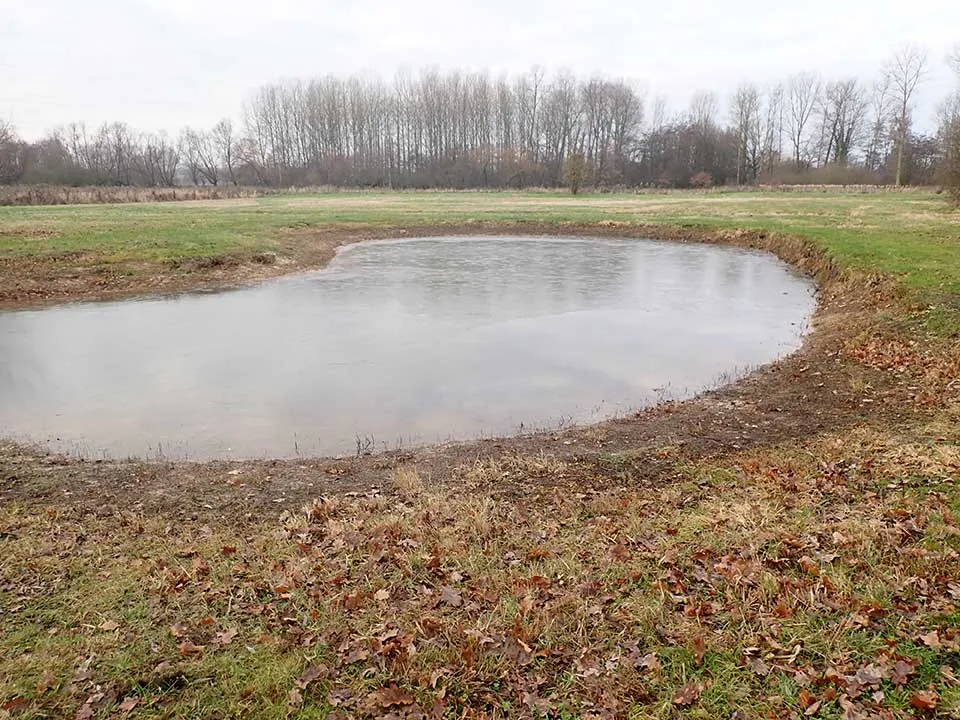
Redefining our relationship with our surroundings
Changes in land use, intensification and large-scale development, driven by the spirit of the times, have caused the fine-grained network of SLFs to decline significantly. More and more, the focus has been on maximising land use without considering its potential for integration. Today, more than ever, we are faced with a whole range of challenges, from the coronavirus crisis to the biodiversity crisis and the climate crisis. What these different crises have in common is our loss of connection with our surroundings. It is clear that we must join forces and redefine our relationship with our surroundings to meet these challenges.
Many small features make a big difference
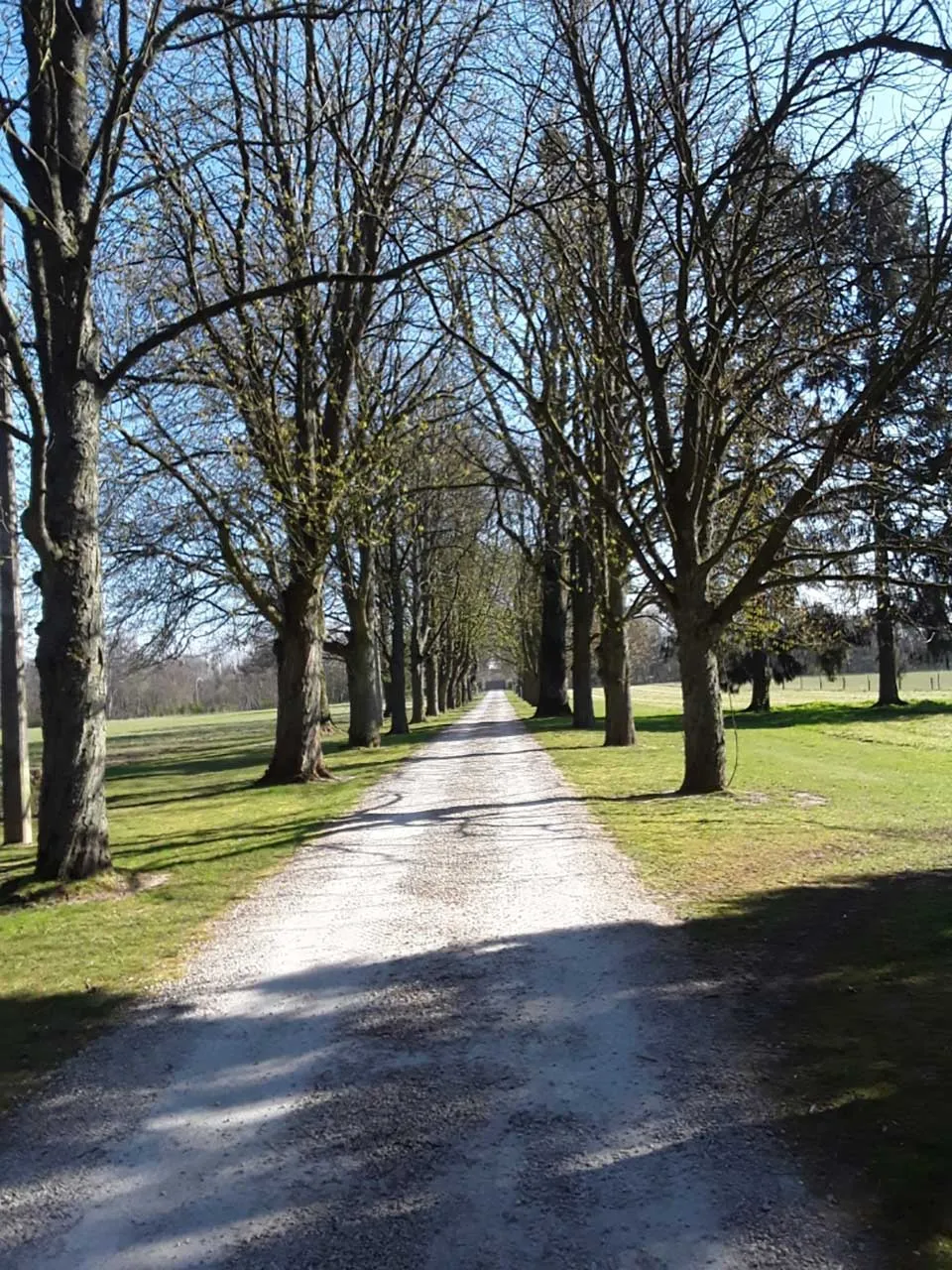
One way to get ahead of current and future crises is to make use of SLFs. The current fragmentation of the landscape makes it difficult to extend viable, accessible green-blue corridors across the landscape, from nature reserves through open spaces and into the city. This can involve retaining or planting individual trees or rows of trees, establishing natural roadside verges, or creating or restoring ponds, lakes or even meanders. These are often small green features, but each is part of a larger network. Did you know, for example, that all our roadside verges cover a greater area than all recognised nature reserves? This means there is significant potential in retaining, restoring and expanding the SLF network. The SLF network helps create green-blue networks, making the landscape more robust, liveable and enjoyable.
From SLFs to a green-blue network
Turning individual SLFs into a green-blue network requires a clear vision. This vision defines the main green-blue structures in the landscape. Based on this landscape vision, each area can be assessed to determine how the network can be strengthened, restored or expanded in relation to the various land uses and stakeholders. This creates a framework for developing individual features at a local scale, at the level of SLFs. In this way, individual SLFs grow into a green-blue network.
Landmax can guide and support you in preparing this type of landscape and ecological study. As an ecological consultancy, it has built up the experience and expertise over the years to produce effective, pragmatic vision documents supported by all stakeholders.
We can also offer our experience and expertise in drawing up verge or nature management plans.
Towards more liveable and enjoyable green-blue networks.
Question about this story? Ask your question
Companies in this story

Keep following this
Get an email when a new story is published. No account needed.
- SubjectGeneral
- CompanyLandmax







