









Stone ensures a fair supply chain with TruStone, from quarry to showroom
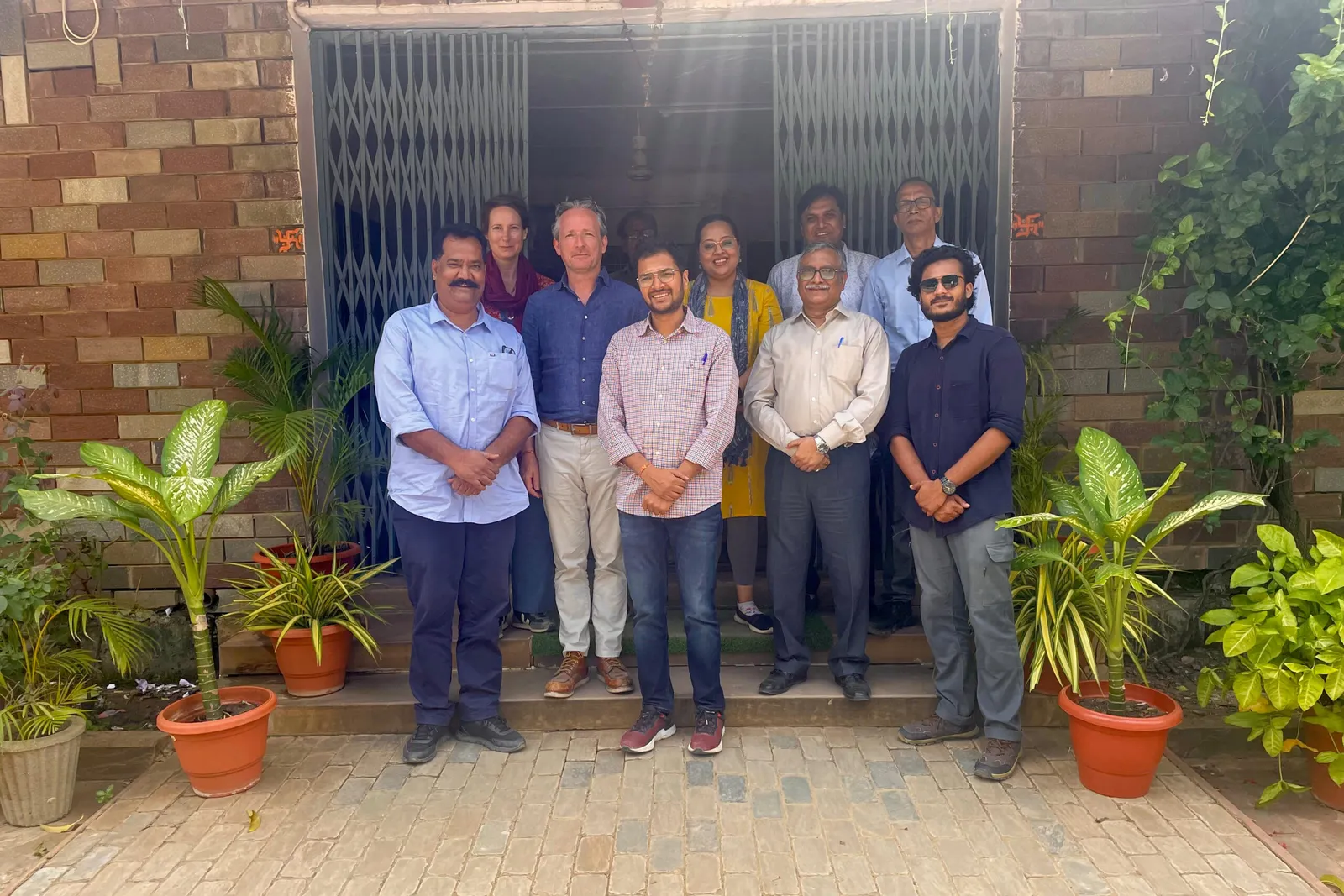
By the time a sandstone tile, marble slab or rubble-stone wall reaches a garden or terrace, it has travelled thousands of kilometres. Every piece of natural stone has a long journey behind it. To offer products that are both high-quality and fairly sourced, Stone is part of the TruStone international corporate social responsibility initiative. Together with other importers, the company is working step by step towards a more responsible supply chain. As part of this commitment, Stone’s product and marketing manager, Kristof T’Sjoen, travelled to the Indian state of Rajasthan in September.
In 2019, members of the Benelux Natural Stone Association signed up to the TruStone international corporate social responsibility initiative. This means doing business with due regard for human rights, working conditions and the environment. “TruStone aims to create transparency and join forces to tackle environmental and human rights abuses in natural stone extraction in Asia, Africa and South America,” says Kristof T’Sjoen, Stone’s product and marketing manager. “As an individual company, there’s little you can change, but as an industry, there is. By working together, we can stamp out child labour and forced labour, provide drinking water and sanitation, and guarantee fair wages and traceable production.”
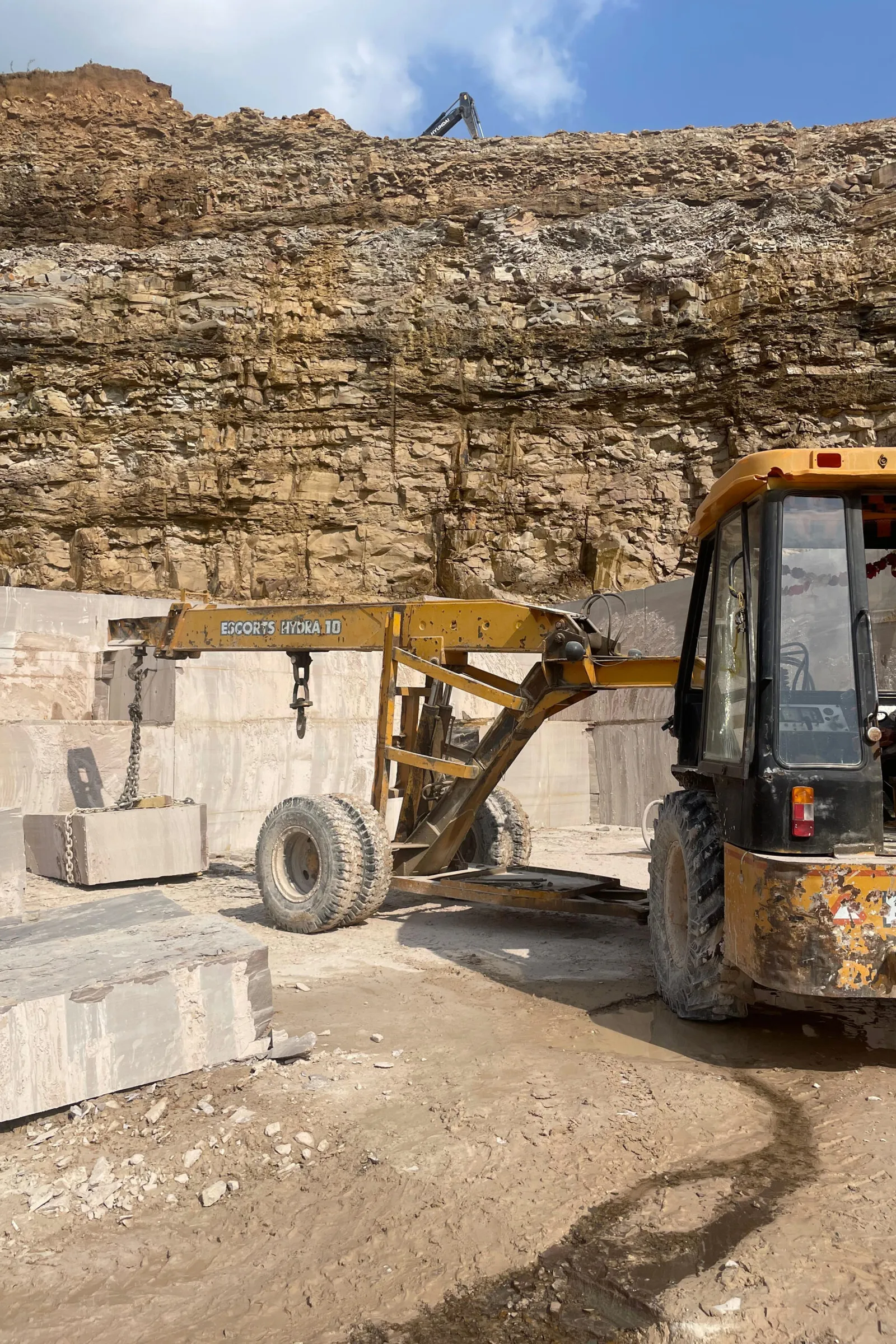
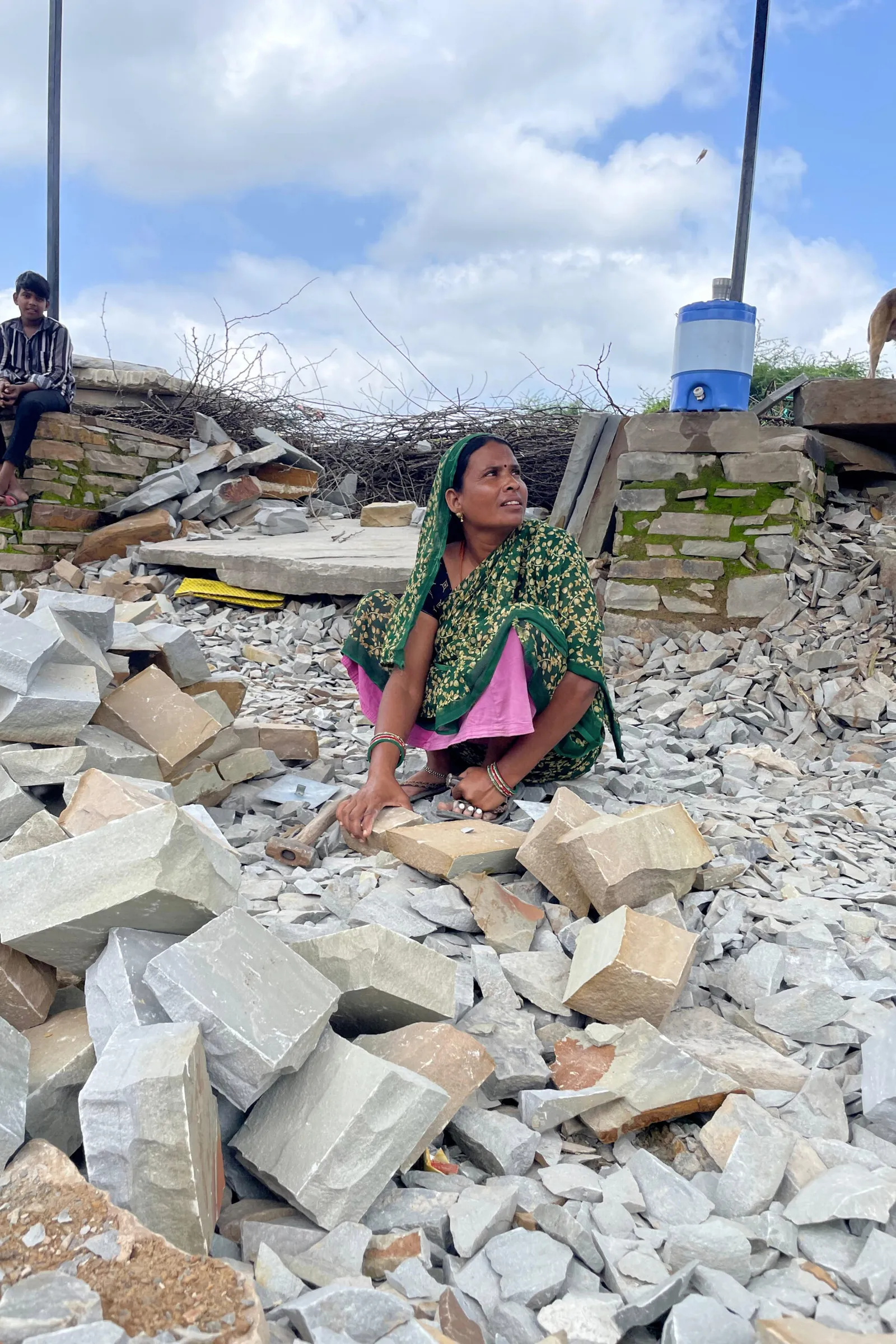
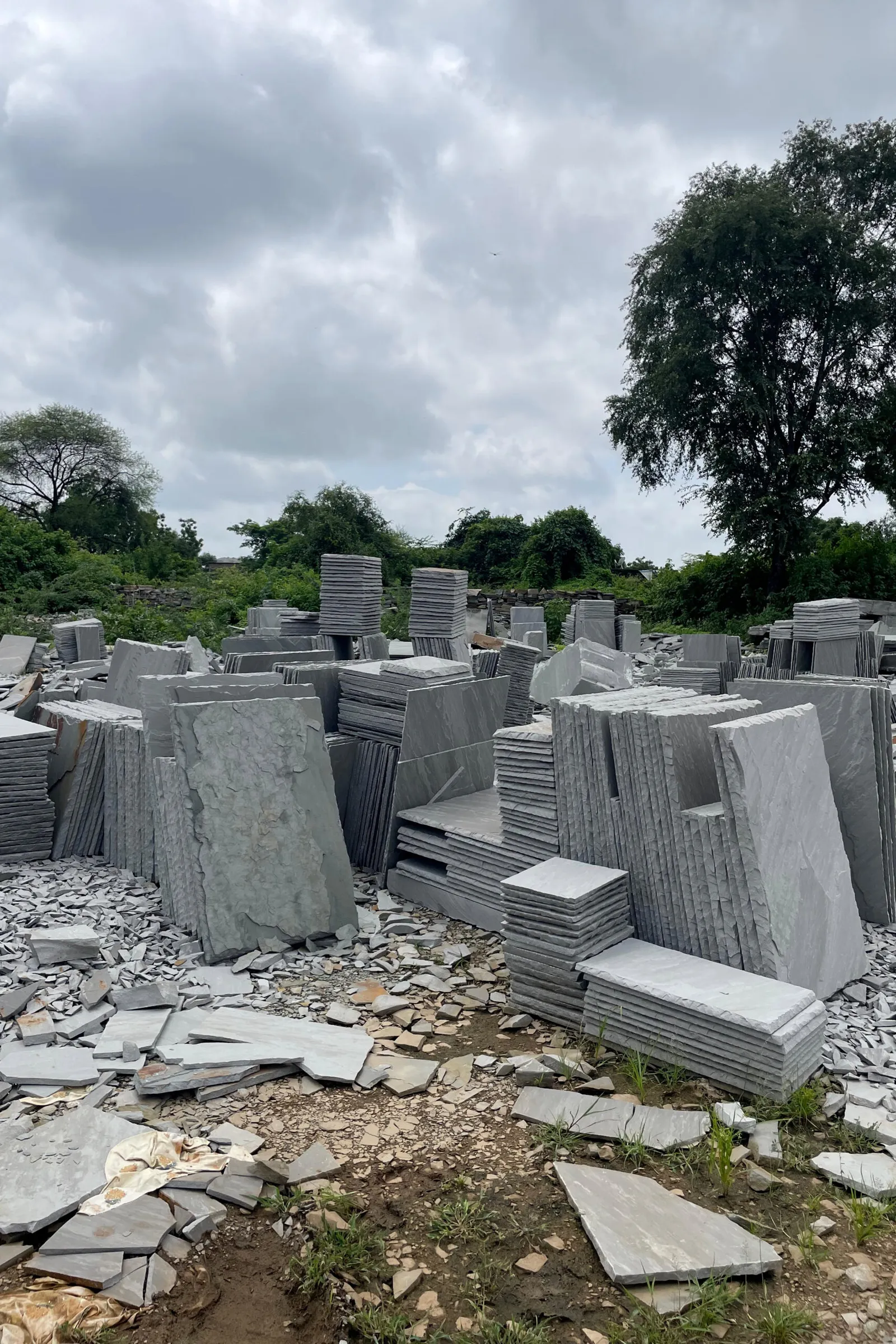
From quarry to community
Safe processes lead to high-quality, reliable products. That is why Stone actively takes part in stakeholder meetings, commissions independent audits of its suppliers and works with local NGOs such as Arisa. As in 2023, T’Sjoen returned to Rajasthan last September, together with a fellow Belgian importer. “On our previous visit, we went to several factories we work with,” he says. “A lot has changed since then. Clear rules have been introduced on pay and worker registration, along with safety equipment and grievance committees. Real progress has been made.”
On the recent visit, the delegation looked further down the supply chain, focusing on quarries, cobble yards and homeworkers. Stone works with Arisa, which acts as a bridge between Belgian importers and local NGOs. Together, they set up projects to bring improvements at every level of the chain. “We visited health & education centres that provide training on personal protective equipment and medical care. Alongside training for miners and cobble yard workers, they also support children’s education. By involving local communities, we can make a wider impact, including among homeworkers,” T’Sjoen explains. “Mapping the supply chain all the way down to this level helps us prevent abuses such as predatory loans.”
Progress, step by step
“Two years after our first visit, we can see clear progress,” concludes T’Sjoen. “Together with our partners, we want to continue developing this improvement programme. That way, our customers can be confident that our products have been ethically quarried.”
Question about this story? Ask your question
Keep following this
Get an email when a new story is published. No account needed.
- ThemeWater and hard landscaping in the garden
- SubjectGeneral







