









The future of the garden: industry experts on soil, water and sustainability
Text Kris VandekerckhoveImage Thomas Goossens / Leonie Snauwaert
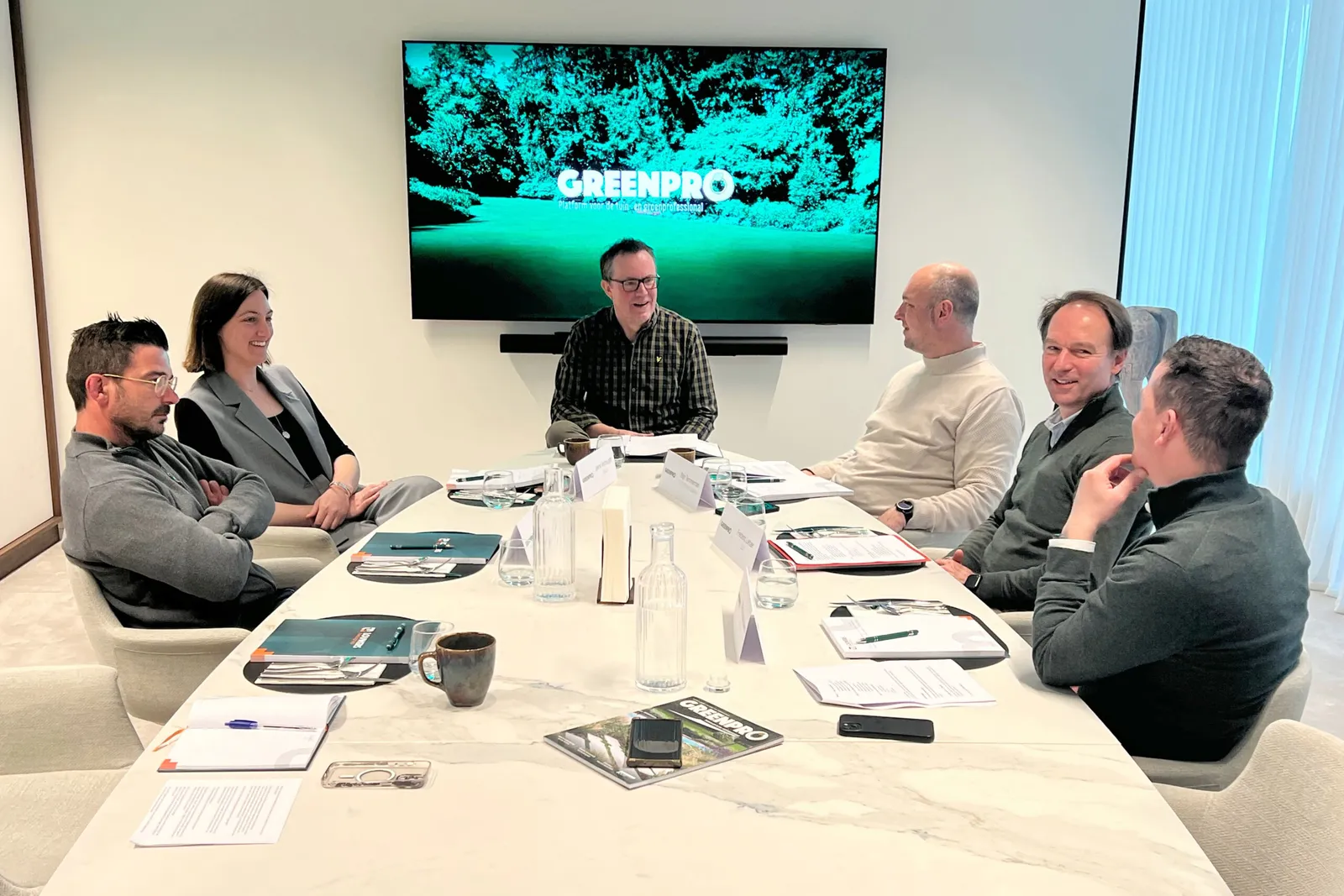
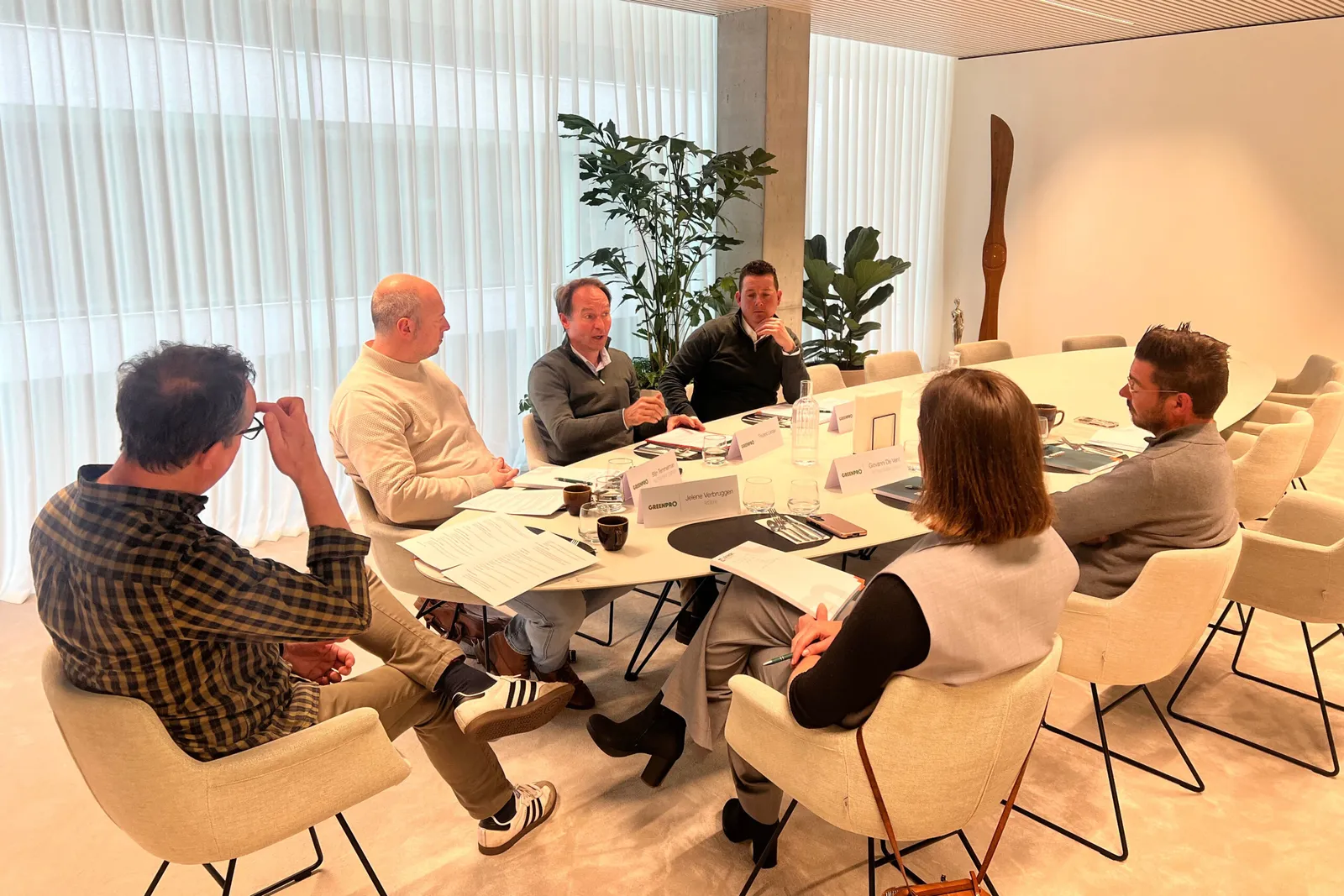
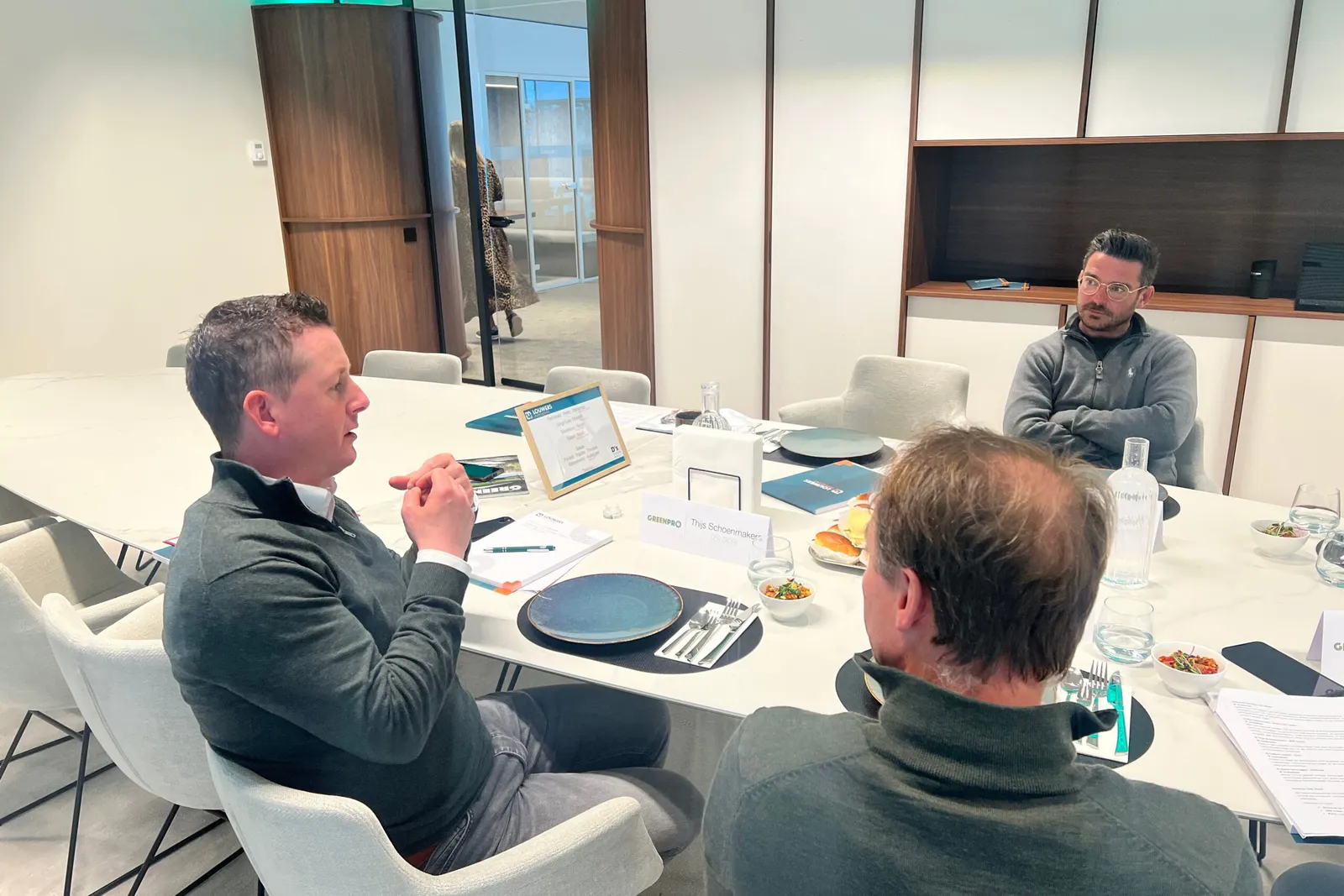
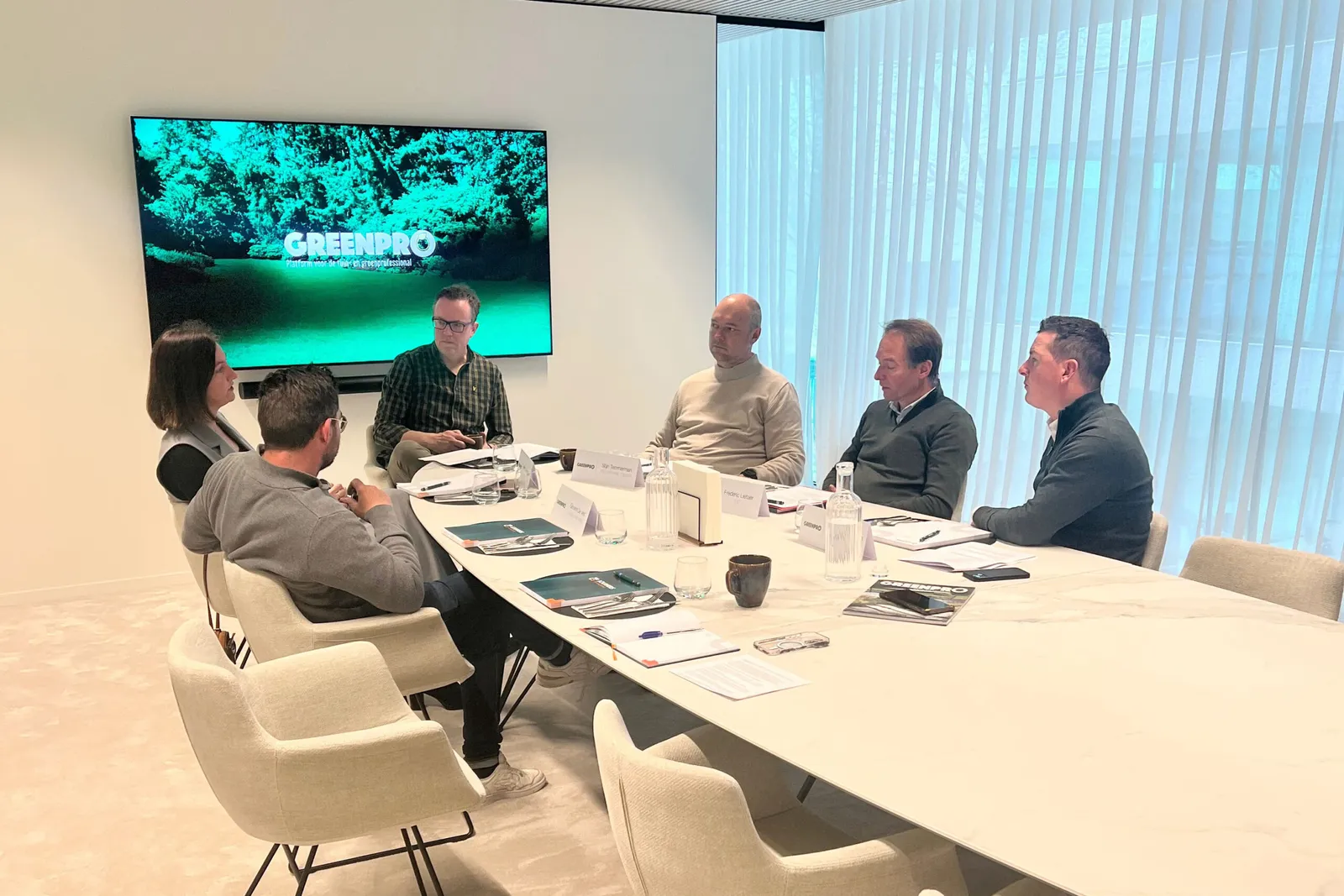
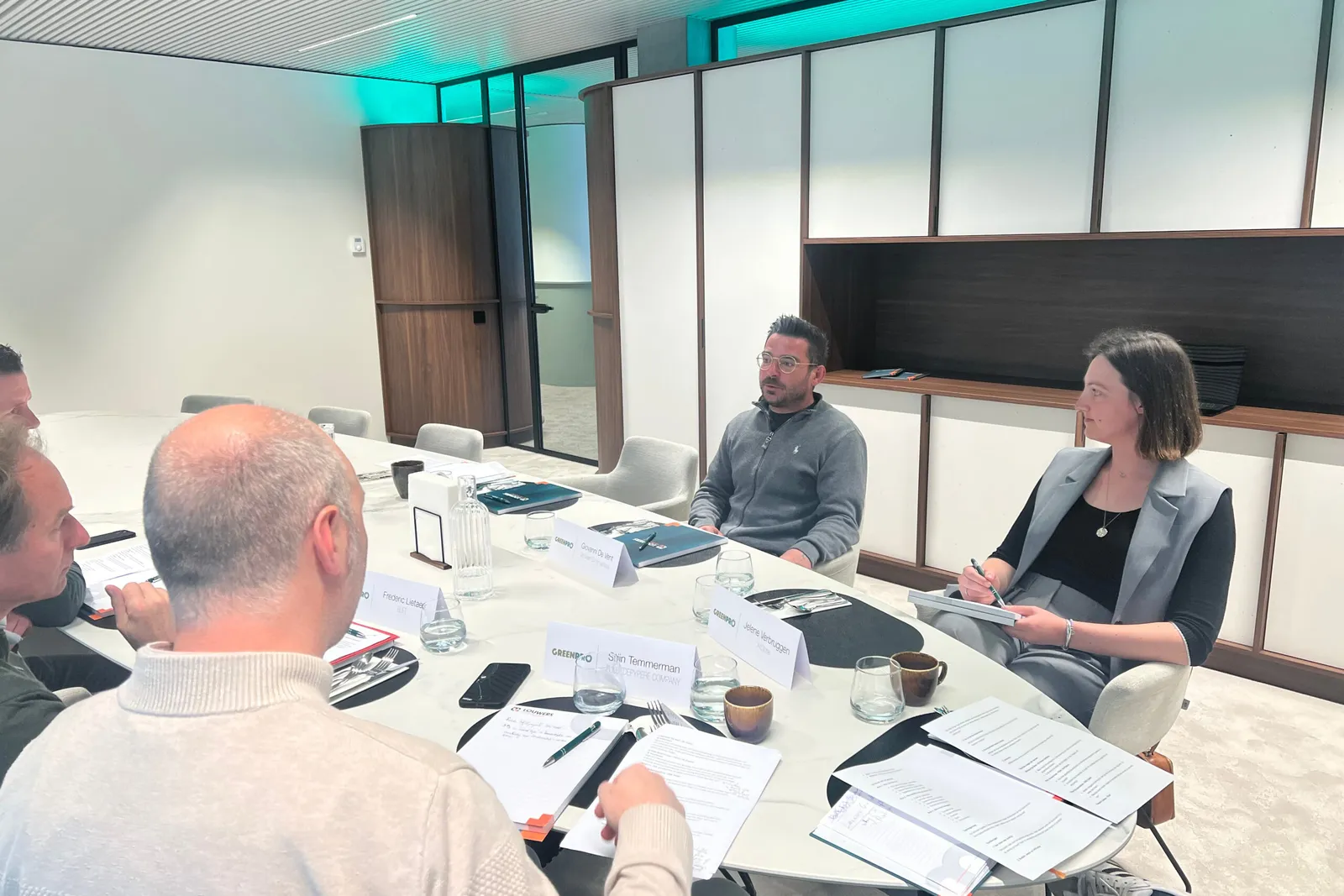
There is no such thing as a future-proof garden. Or rather, it exists only if you look at it as a whole. That became clear very quickly at GreenPro’s very first round table, where five experts from different corners of the sector came together. What began as an apparently straightforward question, how do we make the Flemish garden future-proof?, soon developed into a nuanced discussion about soil quality, water management, paving, machinery and the role of the client.
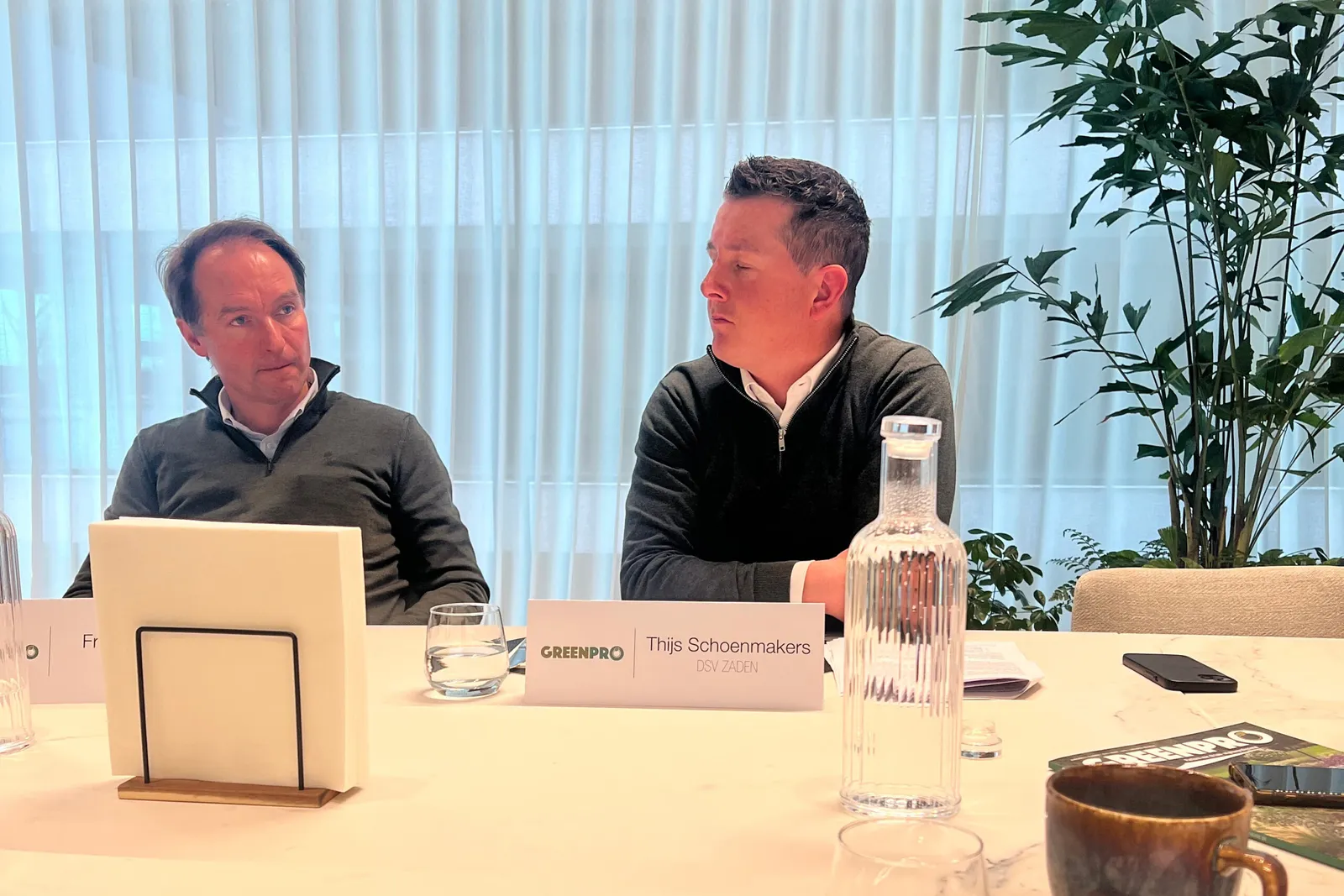
The tone was set in the first few minutes. Thijs Schoenmakers, recreation grass sales manager at DSV Zaden, did not mince his words: “Artificial grass should be banned from private gardens.” The reasons are easy to guess: artificial grass contributes nothing to a healthy soil ecosystem, intensifies the heat island effect during hot spells and, over time, wears down and produces microplastics. Yet it remains popular, especially with private clients looking for a low-maintenance solution. And there is the first point of tension: what is ecologically desirable often clashes with what the client wants.
It all starts underground
It was striking that participants from different backgrounds reached the same conclusion: the biggest mistake is not what we do above ground, but what happens below it. Frederic Lietaer, managing director of Eliet, put it bluntly: “To a large extent, the solution lies in the soil. It still gets far too little attention.”
Poor soil leads to recurring problems: poor infiltration, weak growth and a constant need for intervention. Healthy soil, by contrast, provides infiltration, water storage and resilience. Without that foundation, even the most innovative solution is undermined.
The myth of the perfect lawn
From soil, the discussion naturally moved on to biodiversity, or rather, the lack of it. The traditional, closely mown garden is increasingly coming under fire. Not because it is necessarily wrong, but because it often represents a one-sided approach. “Everyone does the same thing. As a result, biodiversity declines,” said Stijn Temmerman, commercial & export director at Polet / De Pypere. But here too, nuance was needed. A closely mown lawn is not necessarily bad. The real question is not whether a lawn is kept short or long, but what happens around it. Biodiversity does not come from a single measure, but from the whole.
At the same time, a shift is under way. New mixes containing microclover and drought-tolerant species, along with less intensive management, are gaining ground. But this change takes time, and conviction too. As Giovanni De Vent, managing director of Go Green Gardens, put it bluntly: “You can’t talk people out of it. Some clients simply want a perfect green lawn.”
Paving is not the problem
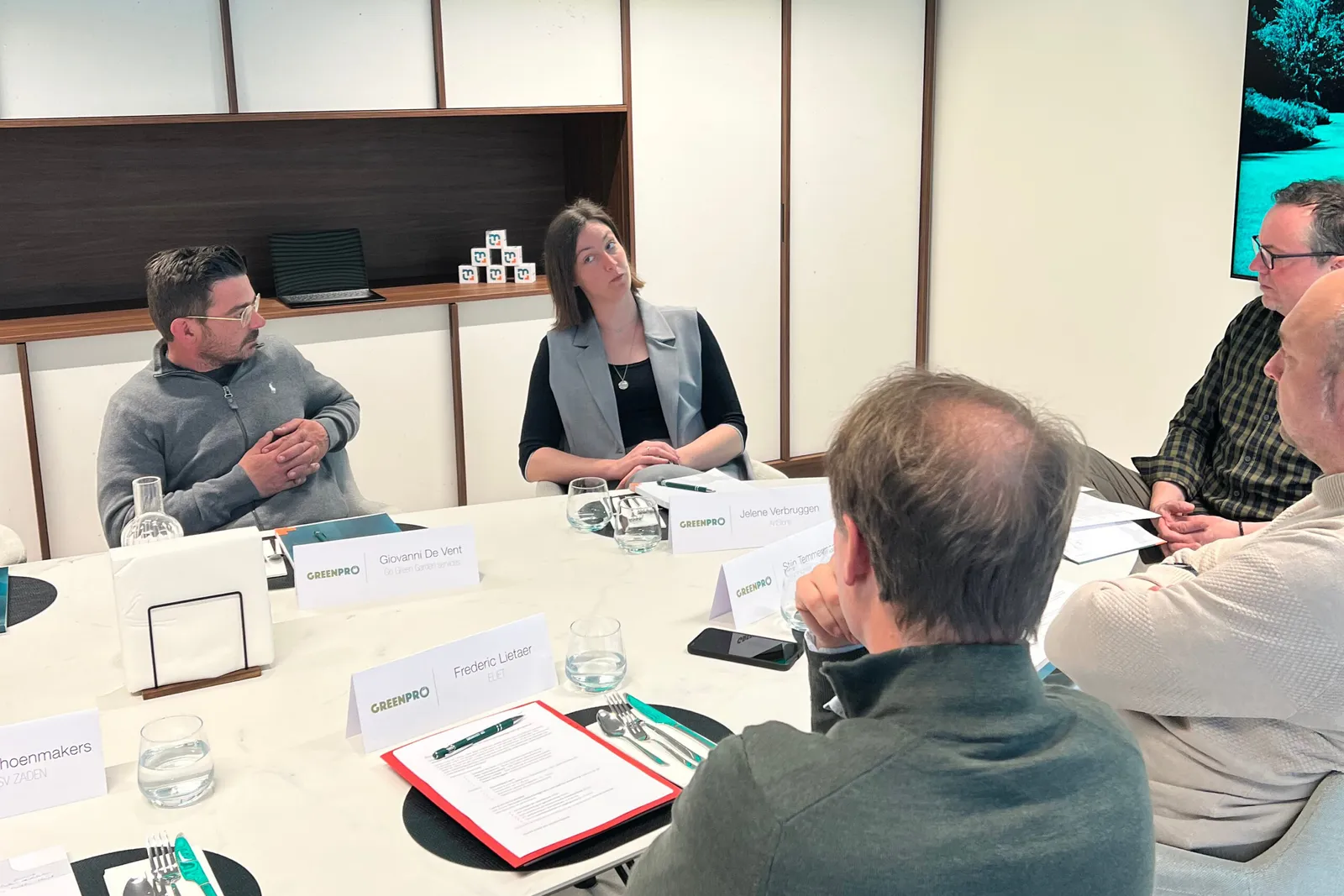
Perhaps the most interesting point of tension emerged in the discussion about paving. While public debate often focuses on removing paving, a different nuance came to the fore here. “We need to stop thinking in black and white. It is not a choice between green space and paving, but a case of having both,” said Jelene Verbruggen, production manager at ArtStone.
That statement perfectly sums up where the sector stands today. Yes, we want less paving. But at the same time, we also want comfort, accessibility and ease of use. A driveway, a patio or an accessible path remains essential. So the answer is not simply less paving, but smarter paving: permeable, able to store water and suited to the underlying ground. In other words, paving needs to evolve from a problem into part of the solution.
Regulations versus reality
That nuance is often missing from regulations. Several participants pointed to the gap between policy and practice. “In regulations, everything is black and white. Paving is paving.” This can lead to situations that are difficult to justify. One example cited was a wheelchair-accessible garden with gravel and planting, which was classed as ‘paving’ and had to be removed. To make way for grass…
This illustrates a broader problem: regulations are often based on principles, but fail to take sufficient account of technical solutions and conditions on the ground.
Water: from drainage to management
Water management was another major theme of the discussion. It is not only drought, but also intense downpours that put gardens and infrastructure under pressure. There was clear consensus: as much water as possible should be retained on site. But how that is done depends on the situation. “It is no longer about one solution. A combination of systems is what keeps water on the plot.”
Wadis, infiltration systems, infiltration crates, permeable paving and healthy soil are all pieces of the same puzzle. The challenge lies in finding the right combination. Notably, paving has a role to play here too. Not as an obstacle, but as a buffer and a zone for slowing infiltration.
Machinery, electrification and reality
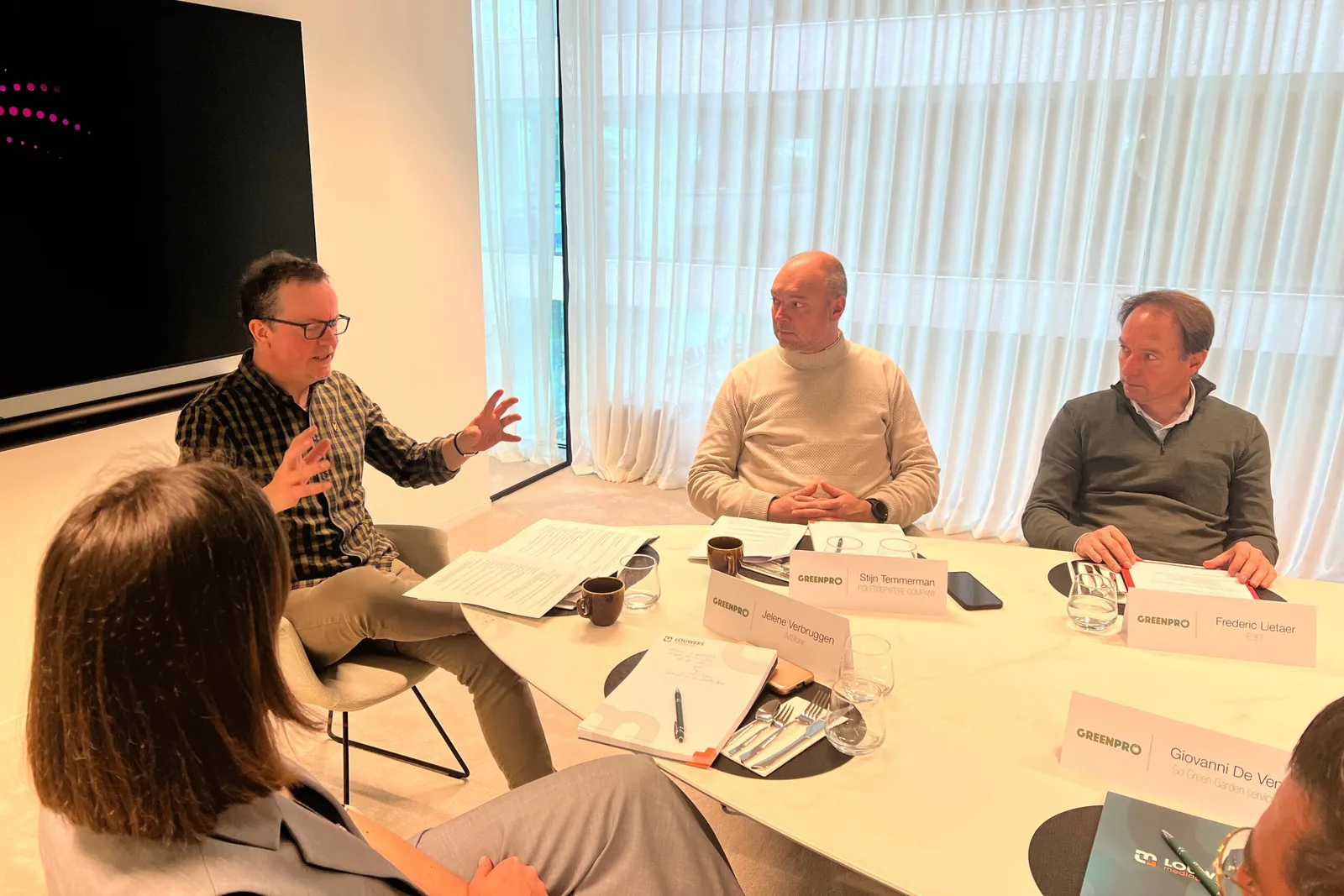
The technological side of things also featured prominently. Electrification is often put forward as the solution, but in practice the transition is proving more difficult. “The products are available, but nobody is buying,” said Lietaer. The transition is already largely complete for smaller machines. There, the benefits, including less noise and vibration, clearly outweigh the drawbacks. It is a different story with larger machines. High investment costs, limited range and a lack of demand are slowing progress. The sector is clearly in a transitional phase.
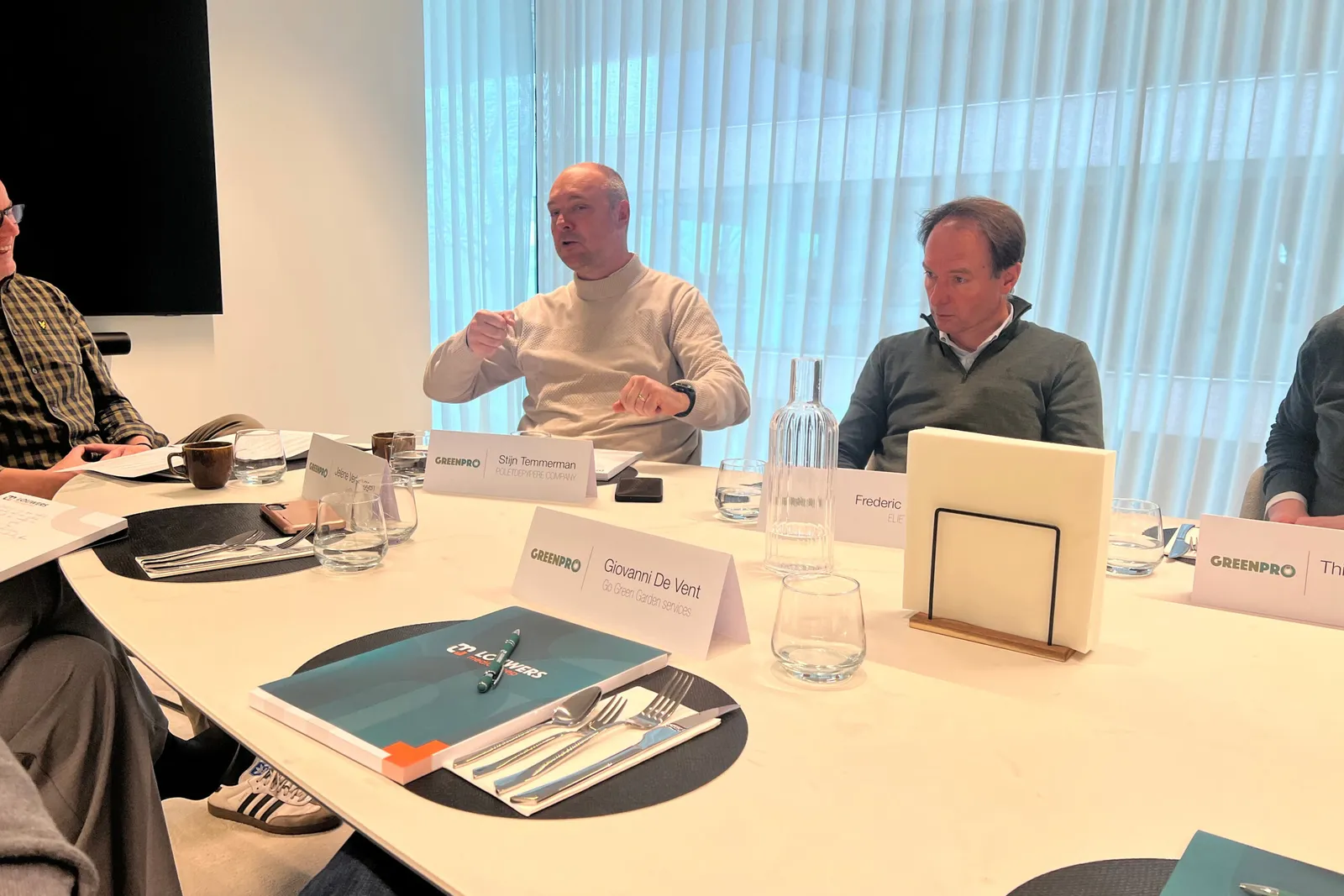
Another question is ownership versus use. Machinery is becoming increasingly expensive and is often used only occasionally. The obvious solution, sharing or hiring, is proving difficult in practice. “The problem is the business model. People expect sharing to be free,” said Temmerman.
The contractor as adviser
Alongside all these changes, the garden contractor’s role is also shifting from carrying out work to providing advice. But this brings new challenges. Giving advice also means taking responsibility… and debating with the client. De Vent put it clearly: “You need to have the confidence to charge what you’re worth. Cheap can end up costing more.”
The discussion made it clear that the sector is still finding its way on this front. How far do you go along with what the client wants? And when do you draw the line?
The role of government
Finally, the role of government came up. It was both criticised and seen as necessary. Not so much to regulate everything, but to set a direction. “It does not need to dictate everything, but it should set a good example.”
Public space can play a key role in this. Today, we still see too many large, fully paved squares, even though these offer an ideal opportunity to showcase innovative solutions.
No quick fix
After two hours of debate, one conclusion remained clear: there is no quick fix. The future-proof garden is not the sum of products or techniques, but the result of an integrated approach that brings together soil, water, plants, paving and use. Or, as it was aptly put during the round table: “It starts with the soil. But everything is connected.” And perhaps even more powerfully: “Knowledge is power. Sharing knowledge is strength.” That also seems to be the sector’s greatest challenge. Not a lack of solutions, but bringing them together.
Tomorrow’s garden will look different. Less formal, less predictable, but more thoughtfully designed. What makes the difference is not what we add, but how we deal with what is already there: water, soil, materials and use. And above all, how we think together, rather than in opposition to one another.
Question about this story? Ask your question
Companies in this story

Keep following this
Get an email when a new story is published. No account needed.
- SubjectGeneral
- CompanyDSV zaden
- CompanyArtstone NV







