









The impact of climate change on our horticultural sector
Text Trees AccouImage Belgische Tuincentra Vereniging, PCLT
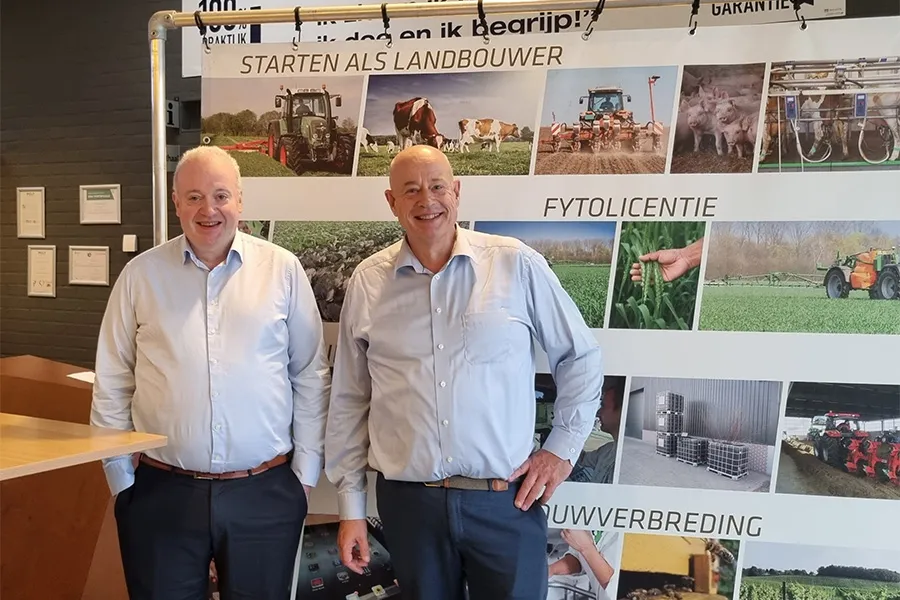
Drier, hotter summers and shorter, wetter winters: in a nutshell, that is what we in the garden sector will have to take into account over the coming decades. Climate change is bringing renewed attention to green spaces and environmentally friendly techniques. We are guests in rural Wortegem-Petegem for a joint interview with Marc and Dirk Ballekens, director of the Practical Centre for Agriculture and Horticulture (PCLT) and director of the Belgian Garden Centre Association, respectively. From their garden, resplendent in autumn colours, they reflect on the future of their industry.
The Ballekens brothers are firmly rooted in agriculture, horticulture and the green sector. “Landscaping contractors used to need green fingers. Today, they need a green mind. Managing open space is becoming more complex, but also more sustainable,” says Marc Ballekens of PCLT, summing up the situation. His brother Dirk adds: “We’ve seen the core business of our trade, plants, doing very well in recent years. This trend began during the pandemic, when people had to make do with their own surroundings. Today, the government is encouraging everyone to add more greenery and make their gardens more biodiverse. Garden centres are benefiting from this and will continue to do so over the coming decades.”
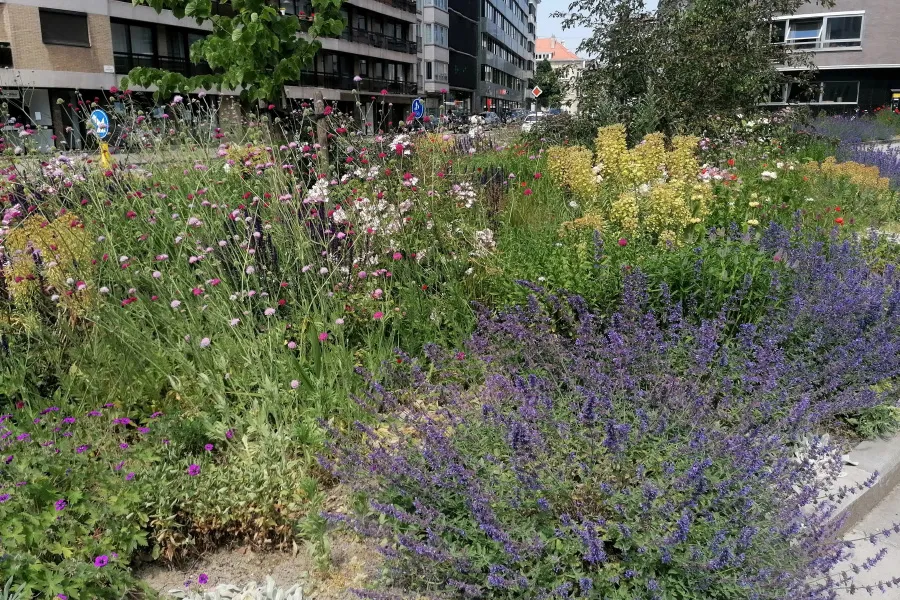
Dirk is clear that the area devoted to green space is expanding. This is happening to some extent in the countryside, but especially in cities. Removing paving is the clearest example. Paving is being taken up in favour of greenery. Marc adds that the city of Roeselare, for instance, aims to green one square metre per resident. That means 6.5 hectares of concrete or paving will be removed.
Marc says that, in the private and public green space sector, the machinery sector is evolving at an incredible pace. “This isn’t an evolution, it’s a revolution. Machinery fleets are adapting, with battery-powered machines being added at an ever faster rate. It makes sense: the green sector doesn’t want to release more CO2 into the air. We teach local authorities and landscaping contractors how to work with this new equipment. How do you charge a battery? How do you optimise your work? These machines are lighter, more ergonomic and produce less noise. It’s a win-win.”
More work with fewer hands
As summers get warmer and winters wetter, landscaping contractors have to make the most of good days. That means working more efficiently. “We need to pick up the pace. There are already fewer workers in our sector, while the workload is increasing. Plant protection products are being banned, which means we will have to control weeds using more labour-intensive methods anyway. Knowledge of plants is also changing,” says Marc. “We need to know more about drought, because you don’t want to plan a garden full of drought-sensitive plants. With practical training courses such as ‘Tree species in a changing climate’ and ‘Sustainable weed control on paved surfaces’, PCLT is responding to this in a big way.”
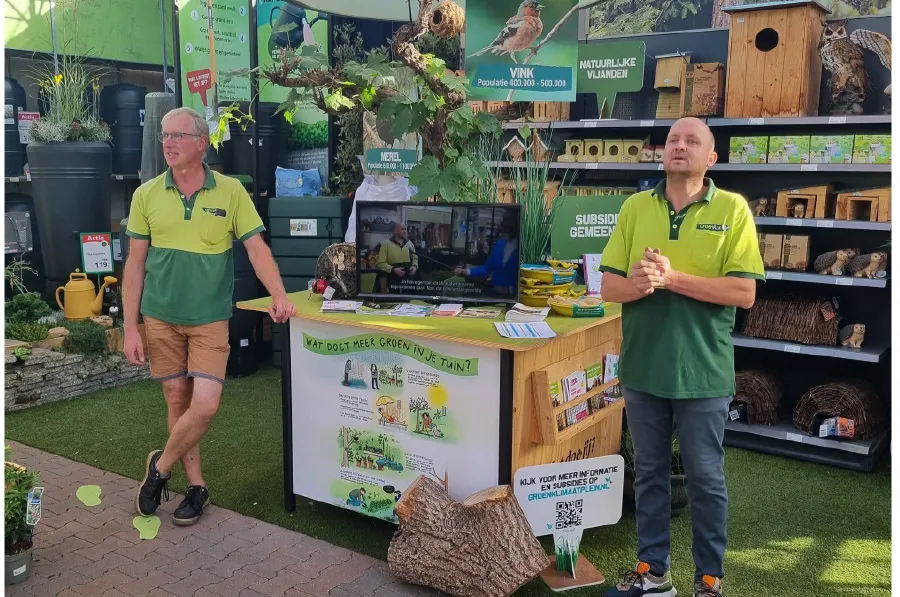
Dirk puts it plainly: garden centres, too, are taking on new responsibilities as a result of climate change. Plants and trees need to be more resilient to changing climate conditions, and garden centres will have to guide their customers and make their own infrastructure more sustainable. They are feeling the effects of climate change. But if they make smart adjustments to their product range, they can reap the commercial benefits.
“It’s already clear that figs will replace savoy cabbage. The plants in vegetable and ornamental gardens will change as a result of climate pressures. Traditional hedges and lawns are becoming less important. Our members face major challenges, and the Belgian Garden Centre Association wants to guide and support them.” Last year, for example, the Association organised a visit to climate squares in the Netherlands, where garden centres bring together knowledge and products to make gardens climate-proof. Its study meetings also focus on digital marketing and the sustainability philosophy of garden centres.
A necessary change
The most important thing in this turning point for the garden sector is, of course, recognising that change is necessary. Marc and Dirk see a shift in that respect, although there is still work to be done. “Garden centre owners focus on what sells today and forget that they are helping shape the future. That’s why we’re putting climate squares in the spotlight, for example,” says Dirk. “At times, progress seems slow, but my Dutch and German colleagues tell me they thought the same thing about three years ago. And now everyone is on board. So the train will be leaving the station here soon too.”
Een zakelijke vraag aan PCLT? Get in touch
Companies in this story

Keep following this
Get an email when a new story is published. No account needed.
- SubjectGeneral
- CompanyPCLT







