









The importance of public space
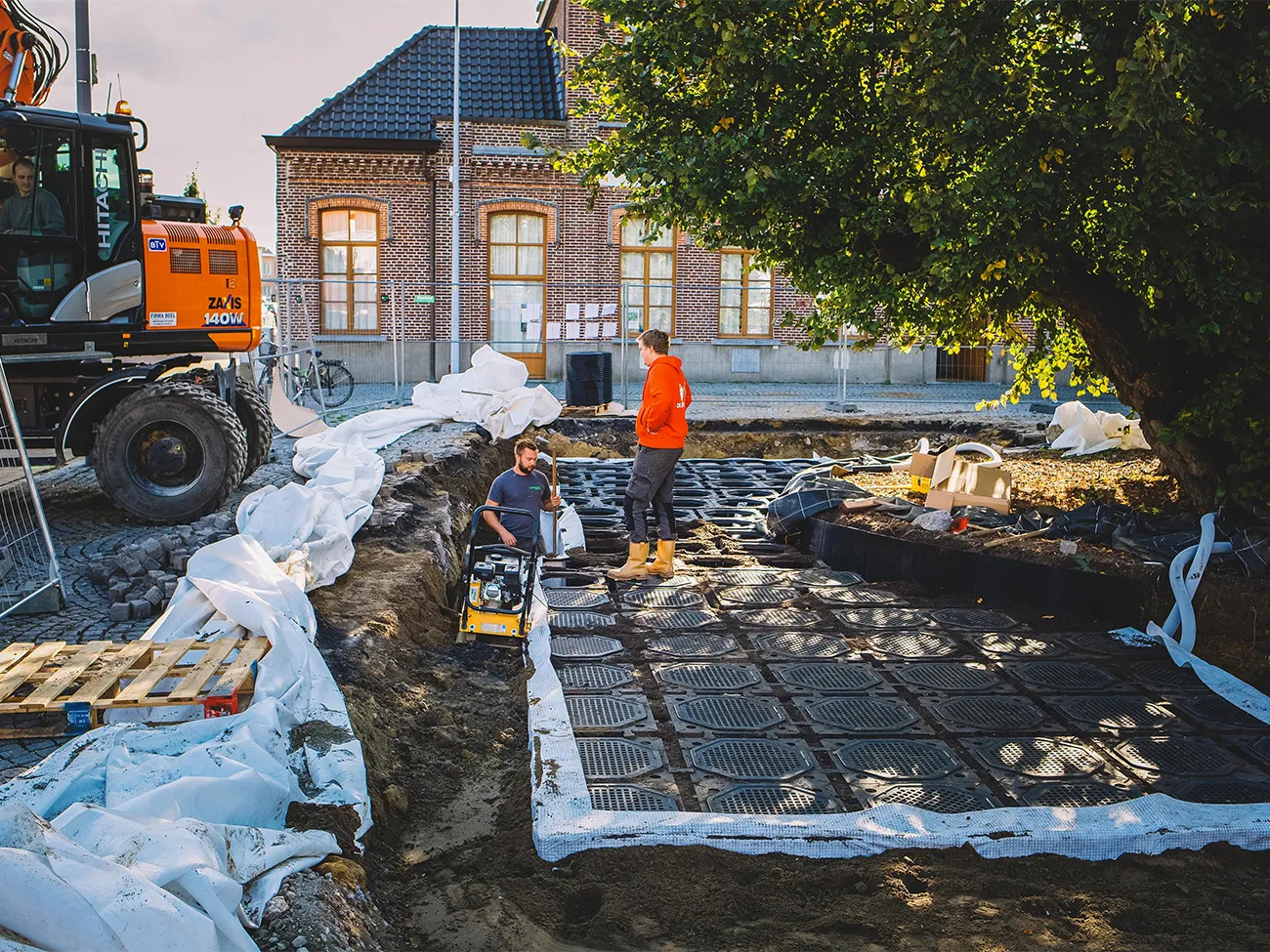
Space in Flanders is becoming increasingly scarce, while demand continues to grow. To make Flanders resilient and better equipped to face the many challenges of the future, we need to make the best possible use of our public space. By making space serve multiple functions, we can create a sustainable, liveable environment that supports biodiversity and is resilient to climate change.
Optimising, rethinking or redeveloping public space requires an understanding of the various factors, functions and values that are inherent to its public character. Key topics include user experience, water storage, CO2 sequestration, temperature regulation, enhancing biodiversity, capturing particulate matter, green-blue networks and cultural heritage values.
But how should existing green features and trees be managed, and how should new green features be maintained? Effective management and preservation of green features are essential to making full use of their many functions.
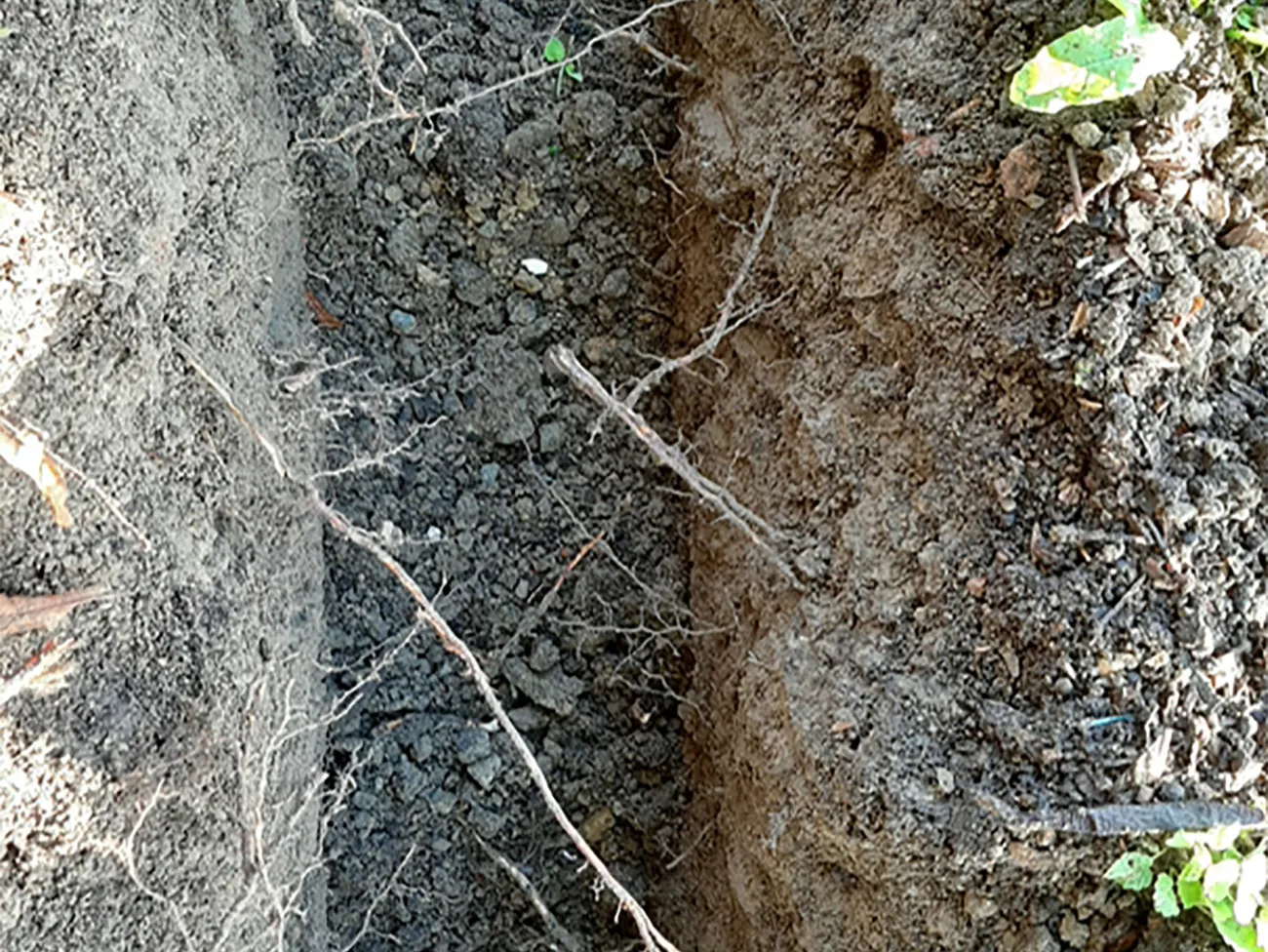
Greening public space starts with a nature-inclusive, climate-resilient design and the sustainable preservation of valuable existing green features. New or redesigned public spaces must therefore take both current and future green features into account from the outset. This requires an integrated approach that focuses not only on infrastructure, but also on incorporating green features and selecting materials. Fortunately, there are several tools to help achieve this, including planting plans, management plans and/or protection plans.
A planting plan sets out a carefully considered design and choice of materials, and provides a detailed assessment of species based on their morphological and ecological characteristics. Not every species is equally suitable for greening public spaces. The growing site, available rooting space and surrounding environment are also crucial to the success of greening.
A management plan, by contrast, describes the measures required and when they should be carried out to ensure that green features are managed correctly and preserved sustainably in the long term. It should always take account of ecological qualities, practical feasibility, safety and management costs. Verge management plans are a familiar example, but plans can also be drawn up for an entire park or an individual tree.
The final tool, and certainly no less important, is a protection plan. This usually takes the form of a tree protection plan. Trees, especially mature ones, cannot simply be replaced. They have significant aesthetic, ecological and social value, and often support very high levels of biodiversity. A tree protection plan safeguards existing trees during work in their vicinity. It is based on a survey and valuation carried out before work begins. It also provides a detailed description of the practical measures to be taken before, during and after the work. A tree protection plan is also a useful tool for preventing potential conflicts between different parties and any resulting damage claims.
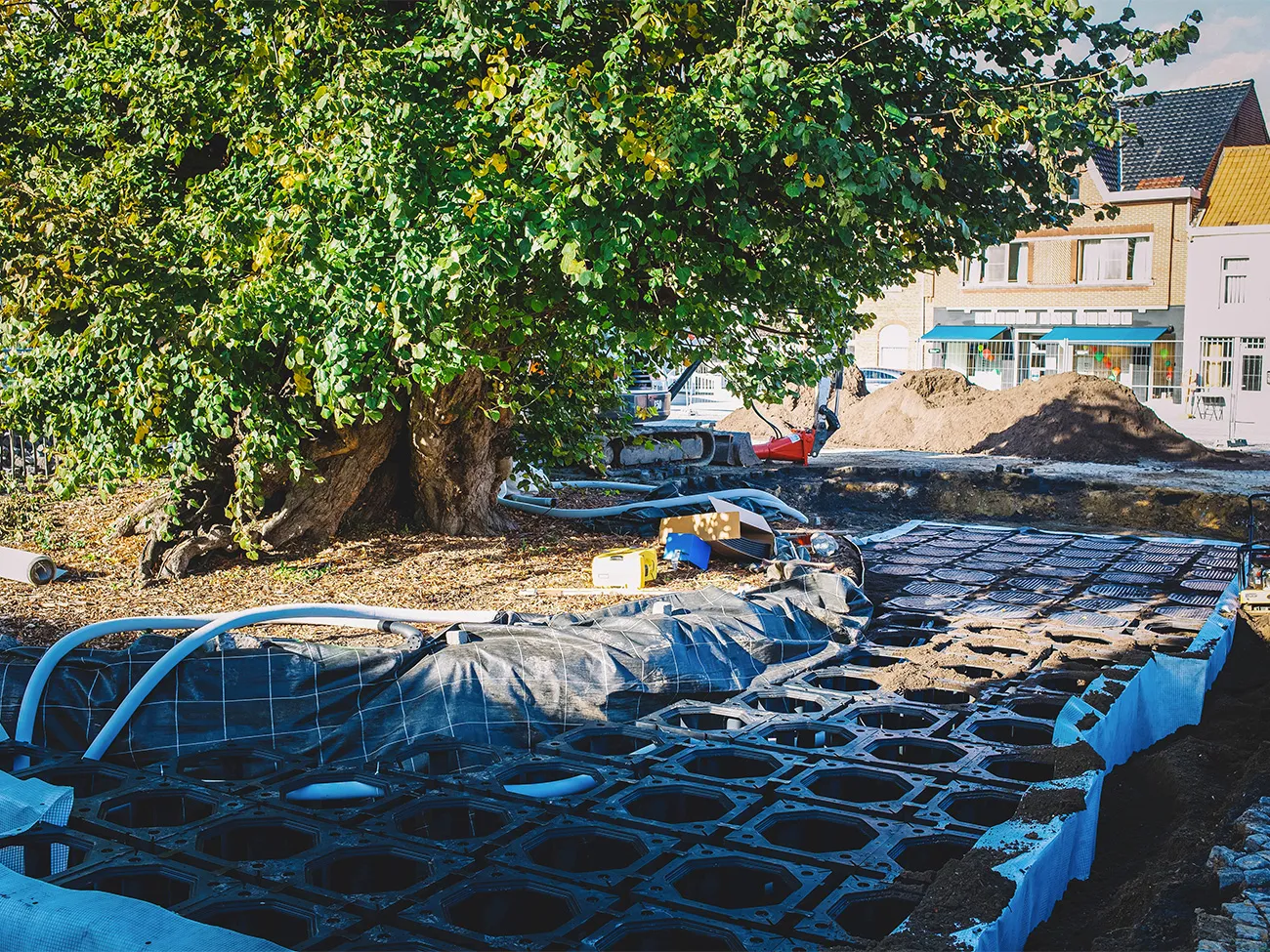
Not all green features are the same. At Landmax, they know this only too well. As an ecological consultancy, they have the experience and expertise needed to guide the greening of public spaces. Their ambition is to work with municipalities, government bodies, project developers and green-space professionals to bring about the transition to higher-quality green public spaces. As specialists in drawing up planting, management and protection plans, they always work independently and with a focus on solutions. They also support communication and awareness-raising among all parties involved, and can provide additional ecological advice.
Question about this story? Ask your question
Companies in this story

Keep following this
Get an email when a new story is published. No account needed.
- SubjectGeneral
- CompanyLandmax







