









The Pen | Luc De Cleene, former lecturer in green space management and ecology, Odisee
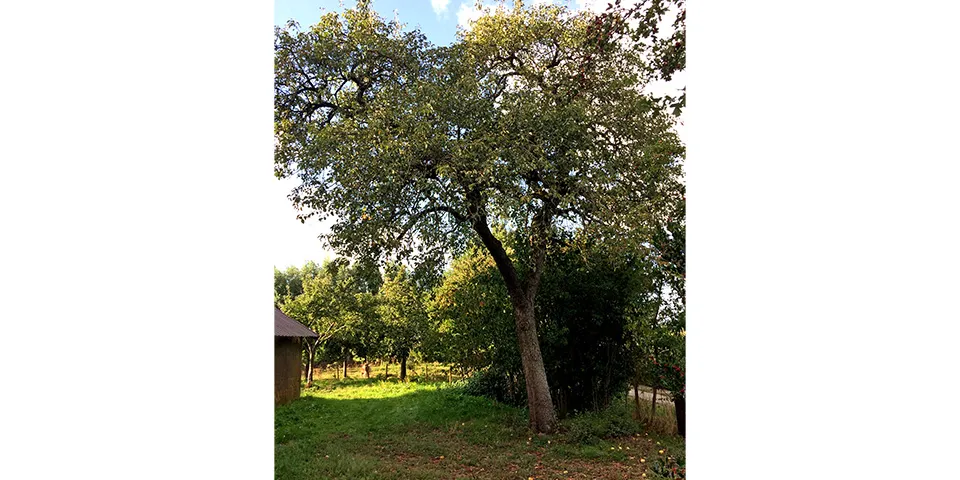
To open the ecology course, I gave the students the following message: ecological processes and the vast majority of environmental problems require a long-term vision. And that is where the problem lies, because policymakers think in the short term, that is, over a period of four to five years, and certainly no longer.
Trees in public spaces: do we still want them?
A well-managed tree is the best long-term investment. Once it is mature, maintenance costs are minimal, and it will serve you well for 100 years or more. But there are conditions, namely a carefully considered choice of species, a suitable growing site, and the correct implementation of essential initial and subsequent measures.
What does a tree need to grow for a long time and stay healthy? A sufficiently large volume of soil that roots can penetrate and that provides water. A tree draws water from the soil, out of sight. Everything goes well for the first few years, and then… Yet the calculation is simple: we know the desired crown spread (= end result), the water requirements associated with it, and the average annual rainfall that supplies the water, because in most cases the water table is beyond reach. Here is a practical example: a tree with a crown diameter of 15 m needs a rootable soil volume of 230 m² (depending on species and site). Climate models predict drier summers and wetter winters, so the calculated growing space will need to be increased further.
Two examples from practice:
• Many young trees stop growing after about 10 years. The available space has been taken up. Survival is the priority; growth is no longer an option.
• During roadworks, (old/weakened) trees often struggle to survive. In some cases, despite the emotional response and much protest, it is better to remove those trees and plant new, vigorous specimens of a more suitable species. Planting of pedunculate oaks replaces the despised American counterpart, with an underground tree-pit construction!
However, AWV (Agenstchap Wegen en Verkeer) considers the calculations submitted to it, based on the TVB (Technisch Vademecum Bomen), to be ‘overkill’. In other words, it does not see it as its problem how the trees will grow, or not, in a few decades. Yet the cost is only a fraction of the total budget.
When it comes to tree policy, it seems logical to me to leave this to professionals who take a scientific approach to trees and what they need, as happens in other sectors. The trees themselves tell a story. They live longer as individuals than humans do and go their own way, robust and proud. Let us cherish and admire them, just as they are...
Question about this story? Ask your question
Keep following this
Get an email when a new story is published. No account needed.
- ThemeGreen space for everyone
- SubjectGeneral







