









The romanticisation of nature
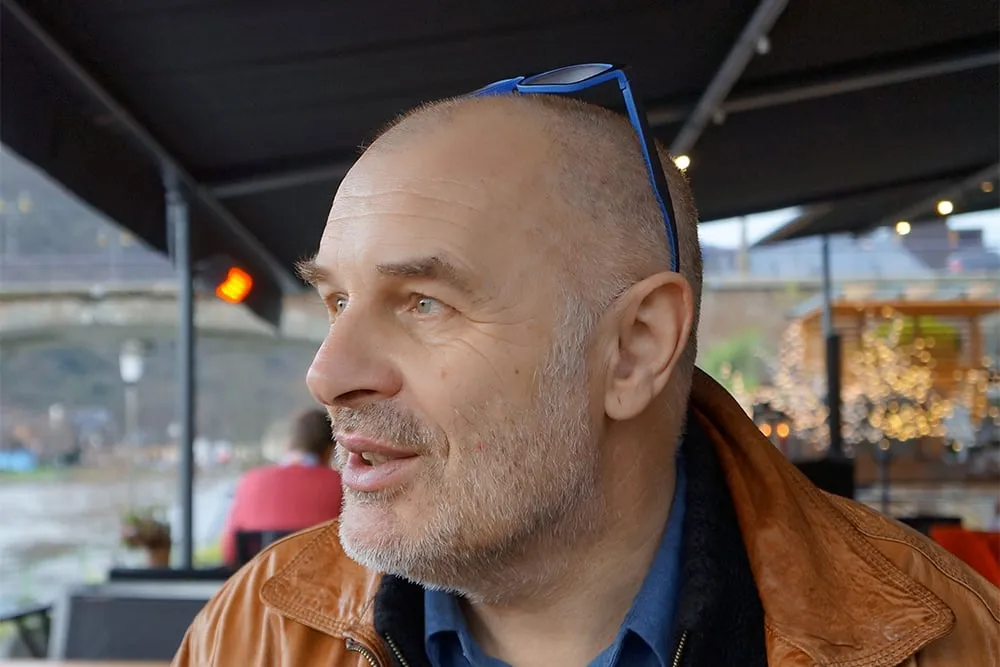
Our profession shows that nature is a field of diverse plants and animals, shaped by conditions that offer every living thing opportunities, driven by the innate urge to survive.
The bottom line of my philosophical attitude towards nature is that nature is indifferent to humanity. Humans are merely tiny pinpricks in the universe. But people do have a vested interest in being “friendly” towards nature if they want to enjoy a good quality of life.
The idea that humans ‘dominate’ nature, or can turn that idea into reality through a particular (overconfident) form of design, as in Renaissance and Baroque gardens, is quite obviously a complete illusion. Humans may reassure themselves theatrically that they have nature under control, but this is like tilting at windmills.
My attitude towards nature is really one of ‘negotiation’. You have to be friendly towards nature because, as mentioned, nature does not care about humanity.
On drought and wet conditions
Over the past decade, I have specialised as a landscape architect in two specific types of project: roof gardens and rain gardens.
In theory, they represent opposing conditions. In roof gardens, plants have to survive in very dry conditions. Rain gardens, on the other hand, are about getting water into the soil and, as a first step, establishing a good link with biodiversity. Anyone familiar with biology knows that water in the landscape creates interesting habitats.
What fascinates me about this is the process-driven nature of nature’s dynamics. Roof gardens and rain gardens show perfectly that everything in nature is constantly moving. This is the Greek concept known as ‘Panta Rhei’. In both rain gardens and roof gardens, we work with mixtures of different species that we consider theoretically capable of coping with the situation. So we do not impose our will on nature, but let the ‘process’ of the best-adapted species take its course.
This applies to both xerophytes (drought-loving plants) and helophytes (plants that thrive in water). You then see that those best able to cope with the conditions win out. In visual terms, the result is never predictable. We tolerate some wild plants in these mixtures, if they can enhance the overall look or attract bees, insects or birds. After all, an attractive appearance rarely guarantees good biodiversity. This is a fundamental observation, one that is often muddled in policy decisions or communications.
But then you find that some dominant species take over. Diversity disappears! Take the example of maples, which can cover entire fields through self-seeding. Or the common willows, which quickly colonise the rain garden.
The essential gardeners
Fortunately, where the dynamic balance or desired vision is disrupted by one or more species, gardeners can step in with the necessary expertise to guide the ‘theatre’ that every garden is!
Denis Dujardin
Landscape-Urbanism-Scenography
Question about this story? Ask your question
Keep following this
Get an email when a new story is published. No account needed.
- SubjectGeneral







