A healthy hedge: practical care and prevention with STIHL as your green partner
Text STIHL / Geert Van CauwenbergeImage STIHL
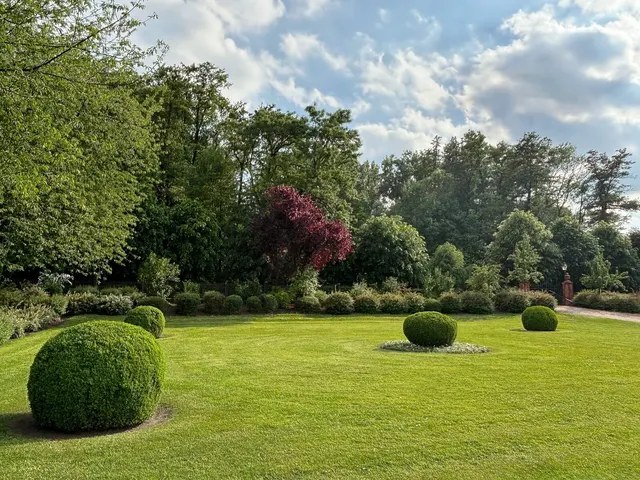
A hedge is more than just a green boundary. It is a living ecosystem that provides protection from wind and noise, and adds to the tranquillity and appearance of your garden. But like any living plant, a hedge is susceptible to disease. With the right knowledge, regular care and professional tools, such as those from STIHL, you can prevent many problems and strengthen your hedge.
Common hedge diseases such as powdery mildew, leaf spot and root rot are often caused by excessive moisture, poor air circulation or incorrect pruning. Correctly identifying these causes is the first step towards healthy hedge management. Key points to consider include:
- Prune at the right time using sharp, well-maintained tools
- Water directly at the roots, not onto the leaves
- Fertilise wisely: enough, but not too much
- Choose plants suited to the soil and location

Efficient pruning with care for nature
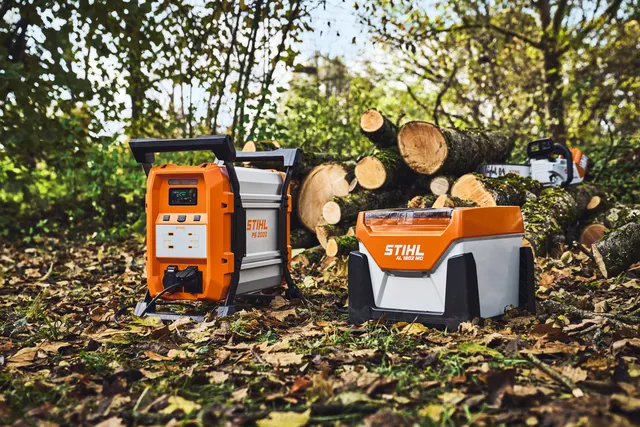
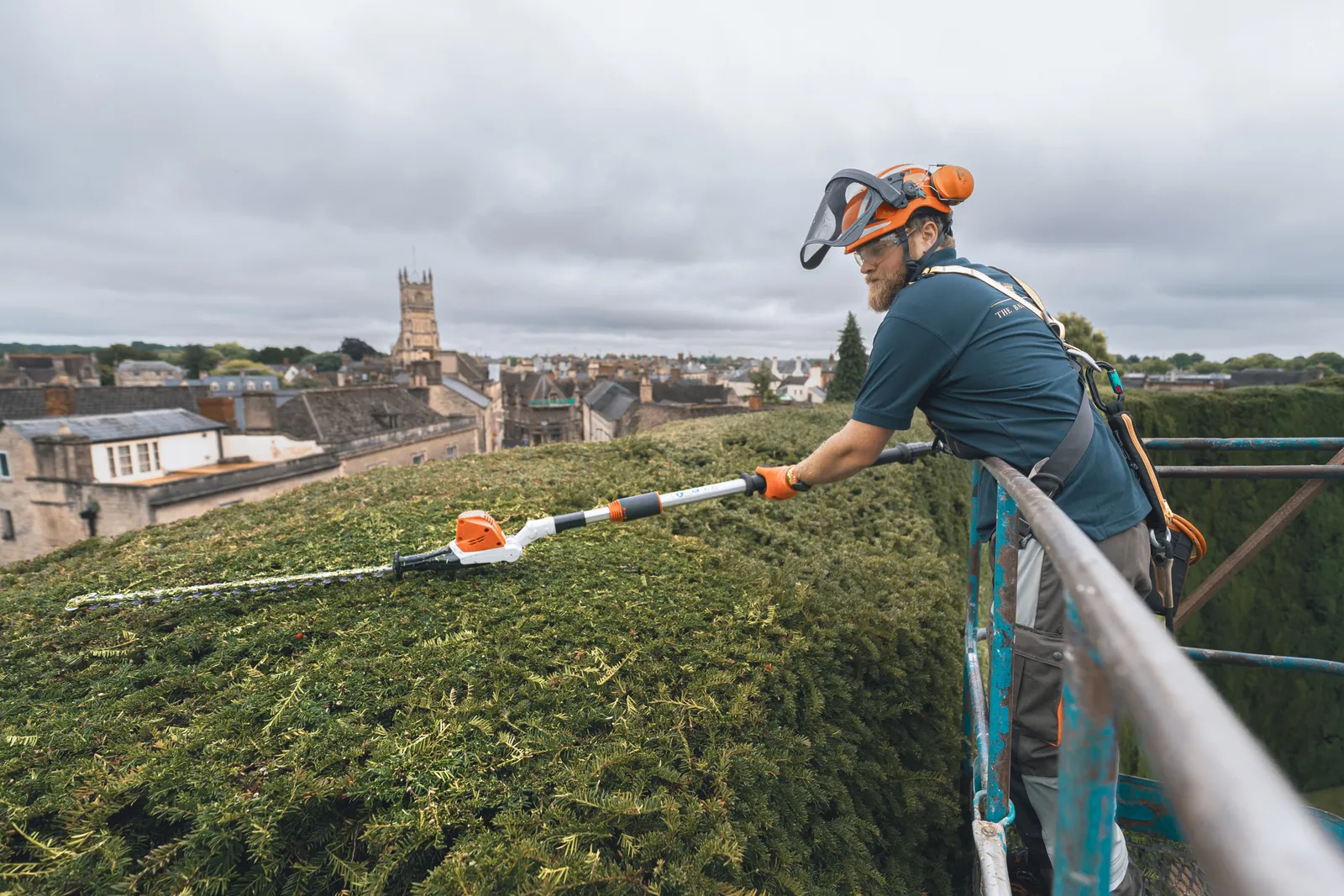
An open, well-shaped hedge is less susceptible to fungi and grows more vigorously. With a STIHL cordless hedge trimmer, you can prune easily and quietly without compromising on power or precision. Its ergonomic design ensures comfortable working, even for extended periods. Telescopic models combine safety and reach for tall or hard-to-reach hedges. To prevent diseases spreading via pruning tools, STIHL also offers maintenance products for optimum cleaning and tool performance.
Hedge diseases: key risk factors
What are the main causes of hedge diseases? Here are the biggest risk factors:
- Contaminated tools: pruning blades that are not cleaned properly can spread fungi and bacteria, including the pathogen that causes root rot (Phytophthora). The risk increases when tools are used at multiple sites without being disinfected.
- Climate change and pests: extreme weather conditions, such as prolonged drought or heat, weaken plants and reduce their resistance to disease. This led to an increase in fungal infections at Bathurst Estate in England.
- Pruning errors: careless pruning or broken branches leave open wounds through which diseases can enter. Always use sharp tools and the correct technique.
- International plant trade: importing plants increases the risk of new diseases and pests. Inspection and quarantine of new plants are therefore essential.
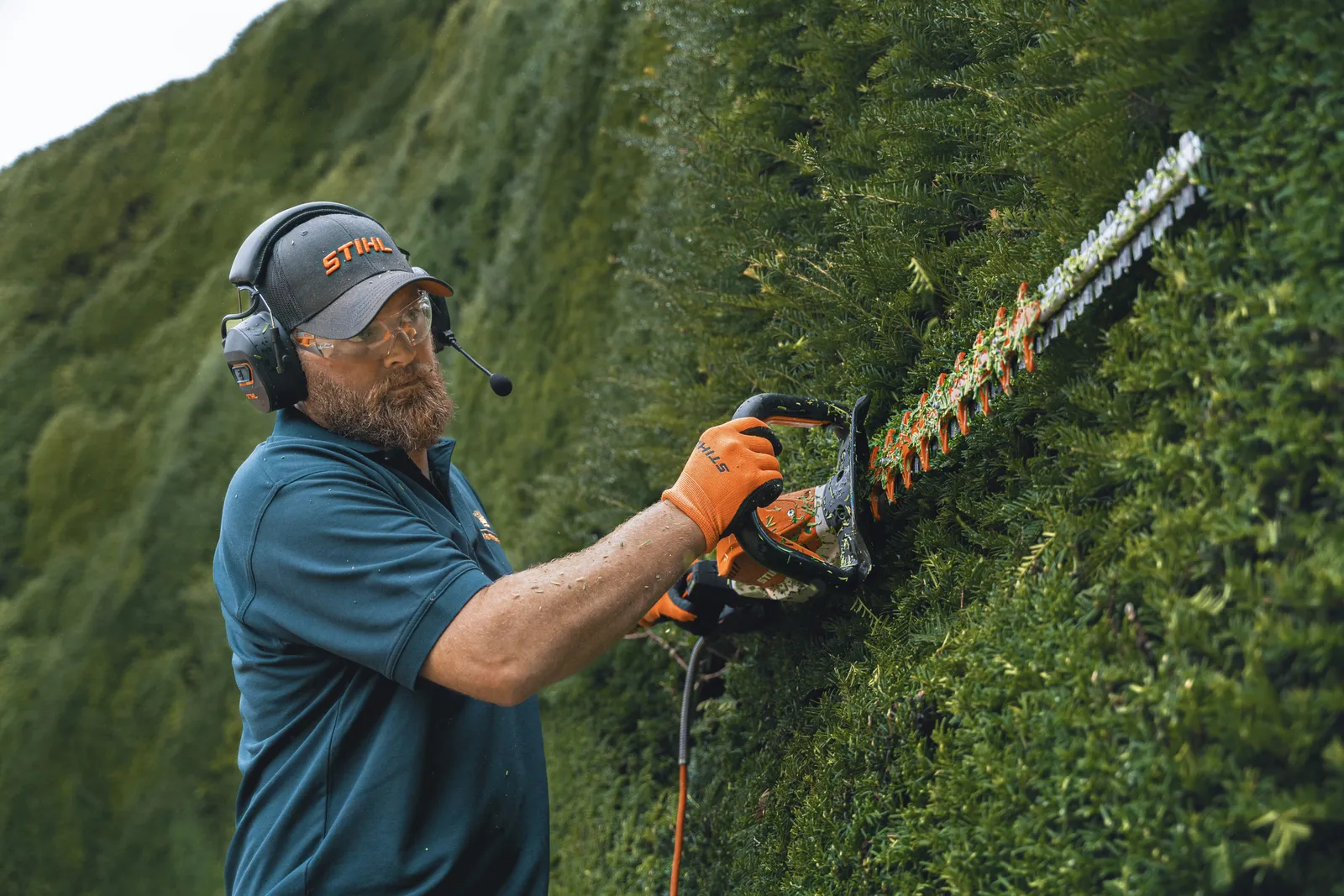
Case study: Bathurst’s historic hedge
An impressive hedge project featuring, among other plants, cherry laurel and privet was carried out at Bathurst in England. The park is also home to the world’s tallest yew hedge: 14 metres tall and 120 metres long, planted in 1720 and recognised by Guinness World Records.
This centuries-old hedge is maintained every year in August, with the work taking around ten days. While pruning, experienced grounds staff inspect the hedge for signs of damage, such as chlorosis (yellowing caused by a lack of nutrients) or fungal diseases. Timely detection and swift action have repeatedly prevented further damage. It is an excellent example of effective, proactive management.
STIHL technology supports skilled work
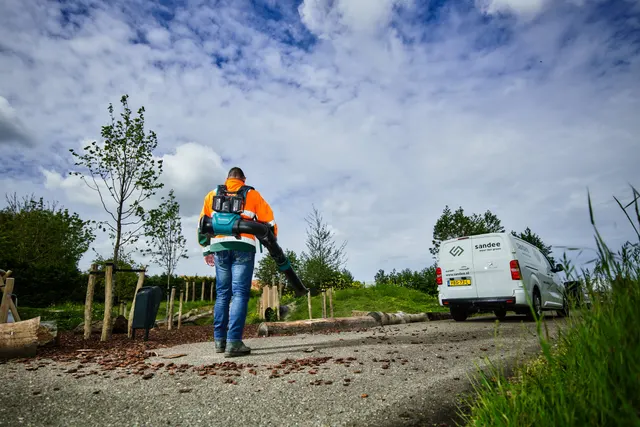
Modern gardening tools are essential for maintaining this historic hedge. The STIHL HLA 135 cordless hedge trimmer, with an adjustable cutter bar that can be angled up to 145 degrees and a length of 2.49 metres, makes it possible to prune even the highest section of the hedge safely and accurately. STIHL cordless blowers then provide a neat finish and help the recovery process get under way smoothly.
Whether you are maintaining a centuries-old hedge or nurturing a young one, the secret to success lies in prevention, care and quality tools. With STIHL as your trusted gardening partner, you can give your hedge the best chance of a long, healthy and attractive life. Strong, resilient and perfectly shaped.

A business enquiry for Andreas STIHL NV? Get in touch
Companies in this story

Keep following this
Get an email when a new story is published. No account needed.
- SubjectProduct information
- CompanyAndreas STIHL NV