Climate change calls for adapted grass mixtures
Text Elise NoyezImage DSV zaden
New label makes resilient mixtures easy to recognise
Extreme drought, waterlogging, a drastic decline in insect populations … The effects of climate change are now not only well known, but also painfully tangible. Demand for resilient, sustainable solutions is growing in public green spaces, agriculture and private gardens alike. DSV’s new ClimateSmart label is designed to help green space managers make targeted choices.
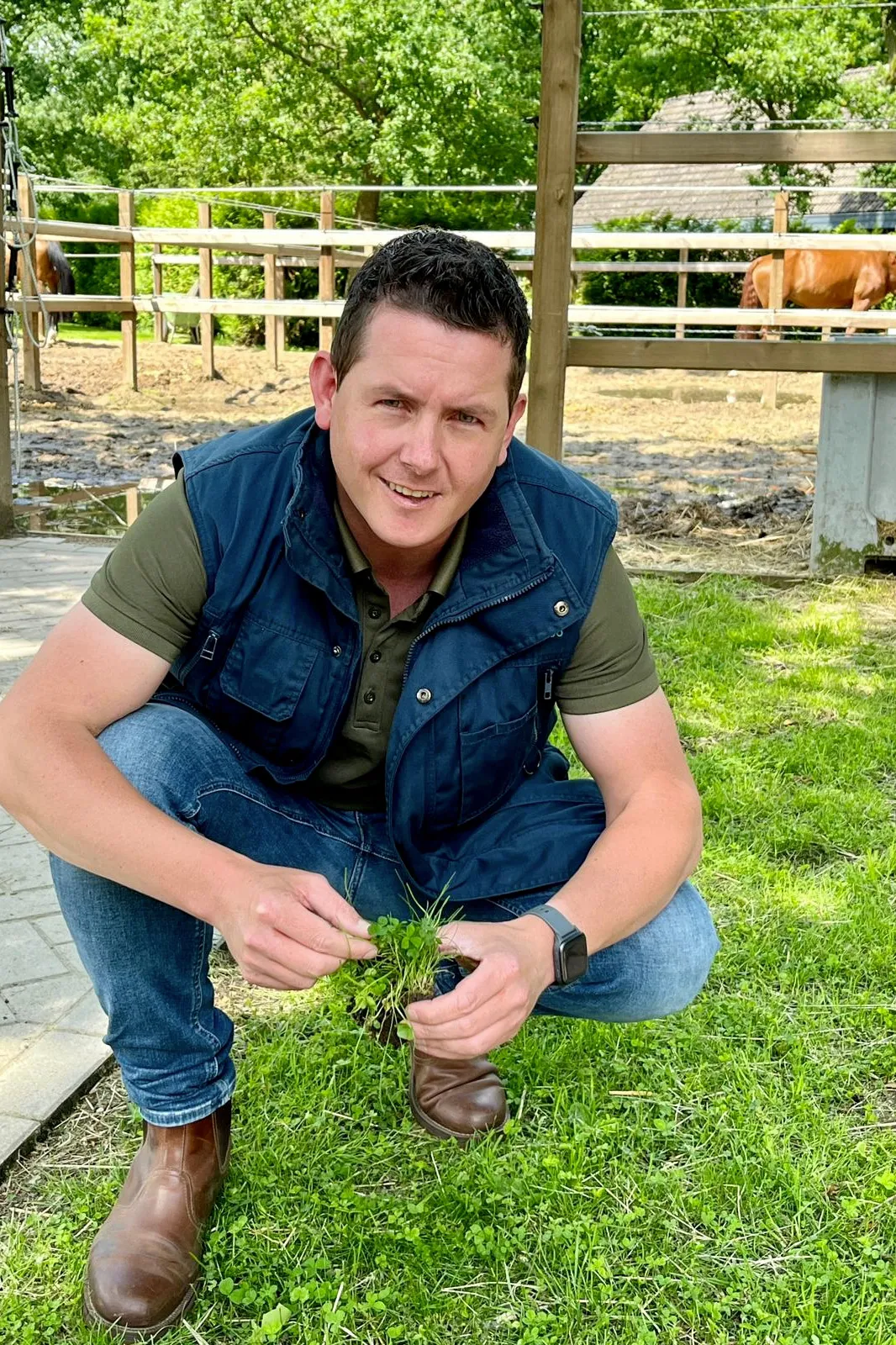
“The impact of climate change is clearly visible,” says Thijs Schoenmakers, product specialist at DSV zaden. “In the first half of 2025, we experienced long periods of extreme drought. Early 2024, by contrast, brought exceptionally wet months. Biodiversity loss is also a cause for concern: in 2024, butterfly numbers fell to their lowest level since records began in 1992, and bee mortality has been above the critical threshold of 15% for four years. With the ClimateSmart label, we want to make mixtures that help address these challenges easy to recognise, while also being resilient and supporting biodiversity.”

Scientifically substantiated
Schoenmakers deliberately cites specific figures to explain the urgency. “Scientific substantiation is crucial to us,” he stresses. “Sustainability is too often an empty concept. We want to make a real impact. That is why we explicitly base the award of the ClimateSmart label on scientific studies.”
A mixture must meet at least three of four criteria to qualify for the label: resilience, water efficiency, species diversity and nitrogen efficiency. “We achieve resilience to extreme weather by combining at least three different grass species,” Schoenmakers explains. “Red fescue, smooth-stalked meadow grass and perennial ryegrass complement one another in their growth habits, water use and rooting depth, creating a resilient sward in a wide range of conditions.” The varieties also use water efficiently: red fescue, for example, has a low transpiration coefficient, while other species root deeply. This keeps the soil covered and healthy for longer.
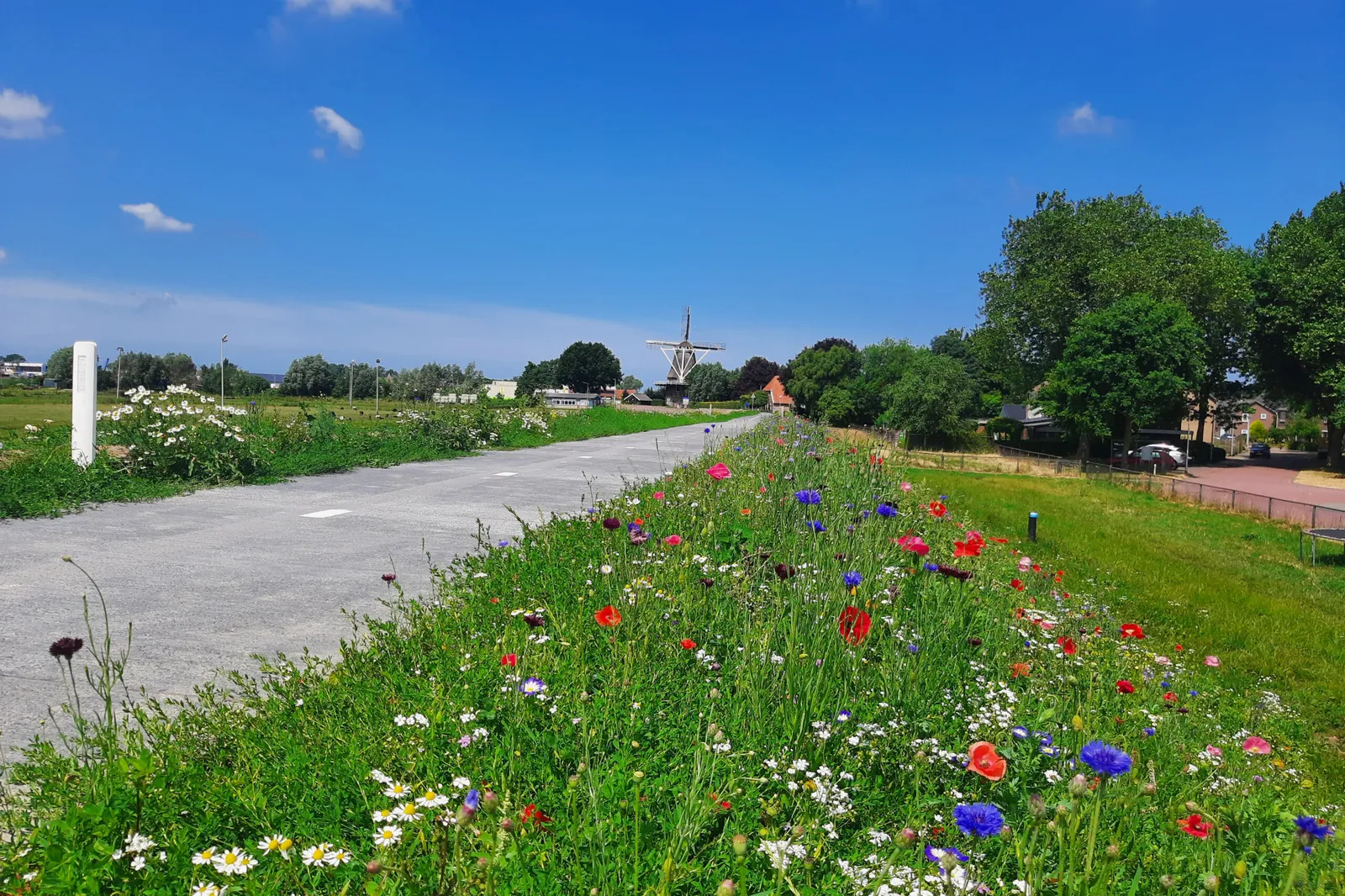
Adding clovers, herbs or flowers also supports biodiversity above and below ground. What is more, combining varieties with low nitrogen requirements and legumes reduces the need for fertiliser. “Legumes such as microclover take nitrogen from the air and release it gradually into the soil,” says Schoenmakers. “This enriches the soil naturally and means you need to apply less fertiliser.”
For public green spaces and lawns
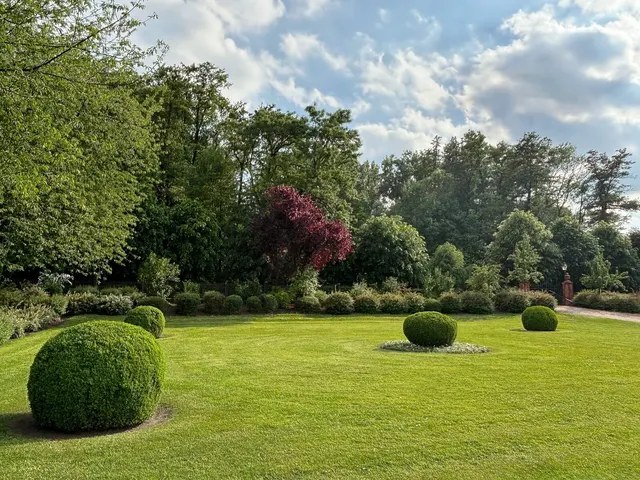
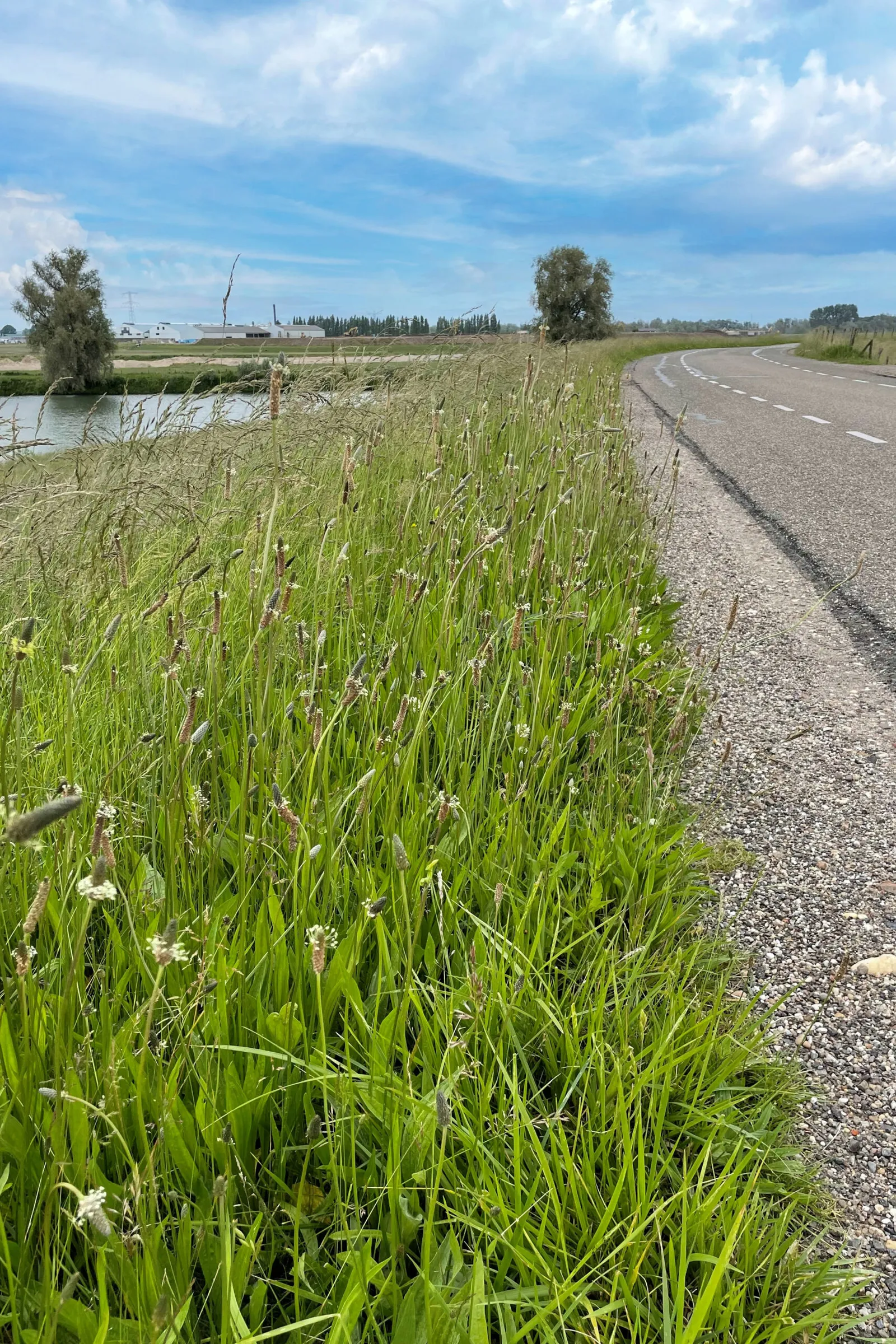
Several existing mixtures from DSV zaden have now been awarded the ClimateSmart label. New to the range is EUROGRASS Trifolino, a mixture specifically for lawns. “We already had a good range for public green spaces, but interest in climate-resilient design is also growing in private gardens,” says Schoenmakers. “That is why we developed EUROGRASS Trifolino. The combination of perennial ryegrass, red fescue, smooth-stalked meadow grass and our own microclover (EUROMIC) produces a strong, sustainable sward with a fresh appearance. It withstands extreme weather and regular foot traffic.” The microclover provides natural fertilisation and keeps the lawn fresh green, even during drier periods and without spreading aggressively.
Looking ahead
DSV zaden plans to bring more mixtures under the ClimateSmart label in the future. “The label itself is evolving too,” says Schoenmakers. “As scientific knowledge continues to grow, we keep refining our methods. Plant breeding is always about looking ahead: we improve our mixtures, test varieties worldwide in a range of climate zones and develop new genetics with traits such as drought tolerance, disease tolerance and low nutrient requirements.”
“We want to continue supporting green space managers with robust mixtures that are not only able to withstand today’s challenges, but are also prepared for tomorrow’s climate,” Schoenmakers concludes.
Een zakelijke vraag aan DSV zaden? Get in touch
Companies in this story
Keep following this
Get an email when a new story is published. No account needed.
- SubjectProduct information
- CompanyDSV zaden