Elegance with a rough edge: natural stone on the rise in garden projects
Text Trees AccouImage Stone
For some, a garden can never be sleek enough. For others, a rough stone adds that little touch of ‘je ne sais quoi’. While smooth façades and large-format paving have been the trend in recent years, demand is now also growing for natural materials with character. Enter natural stone: ideal for adding a touch of ruggedness and authenticity. For garden contractors, it is also the perfect opportunity to showcase their craftsmanship.
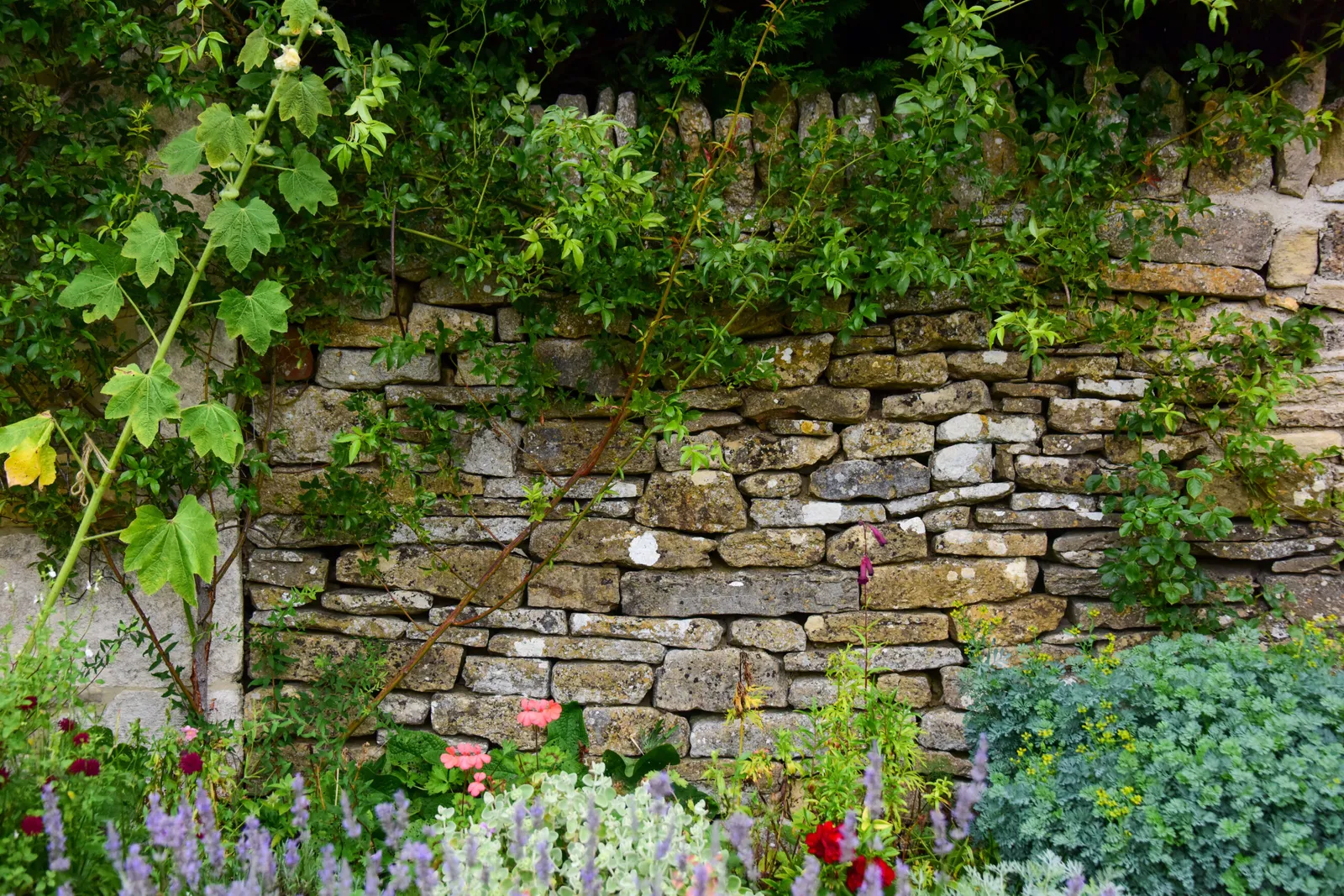
Whether it is a garden path, a terrace, a dry-stone wall or a charming façade, natural stone always catches the eye. Because the stones are split, they have irregular shapes and vary in size. Laying them takes some careful planning, but the result is an authentic, natural look. Their character comes through best when the stones blend seamlessly into their surroundings or are deliberately set against them.
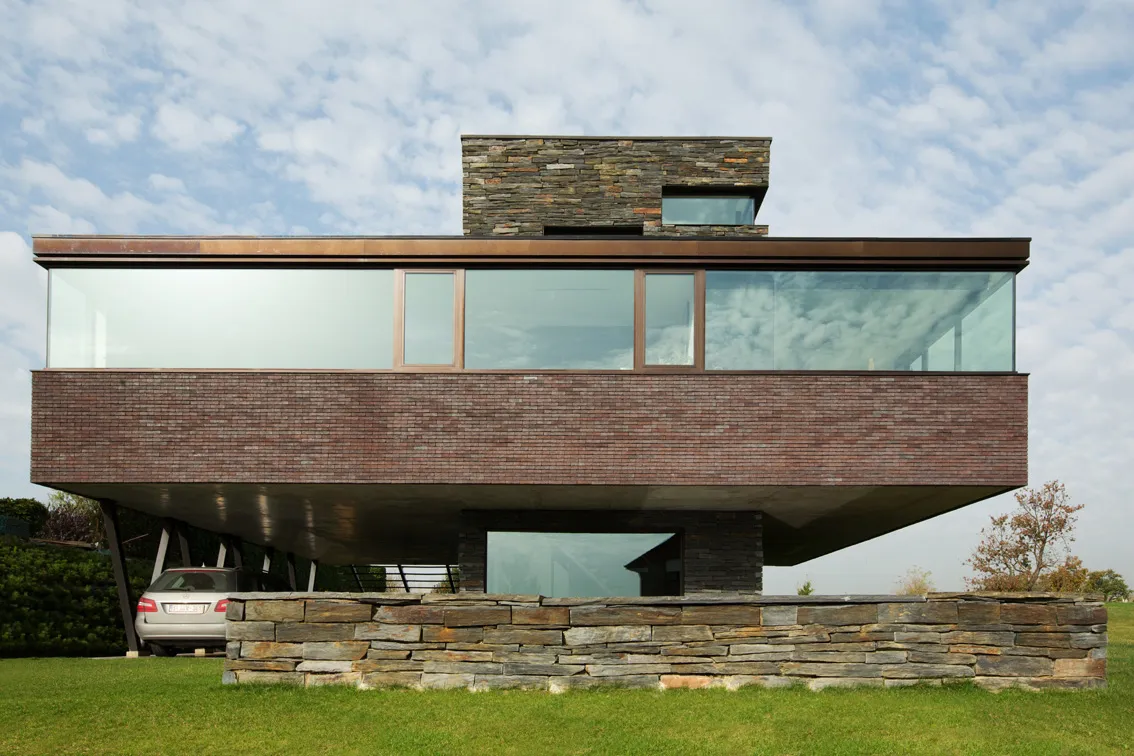
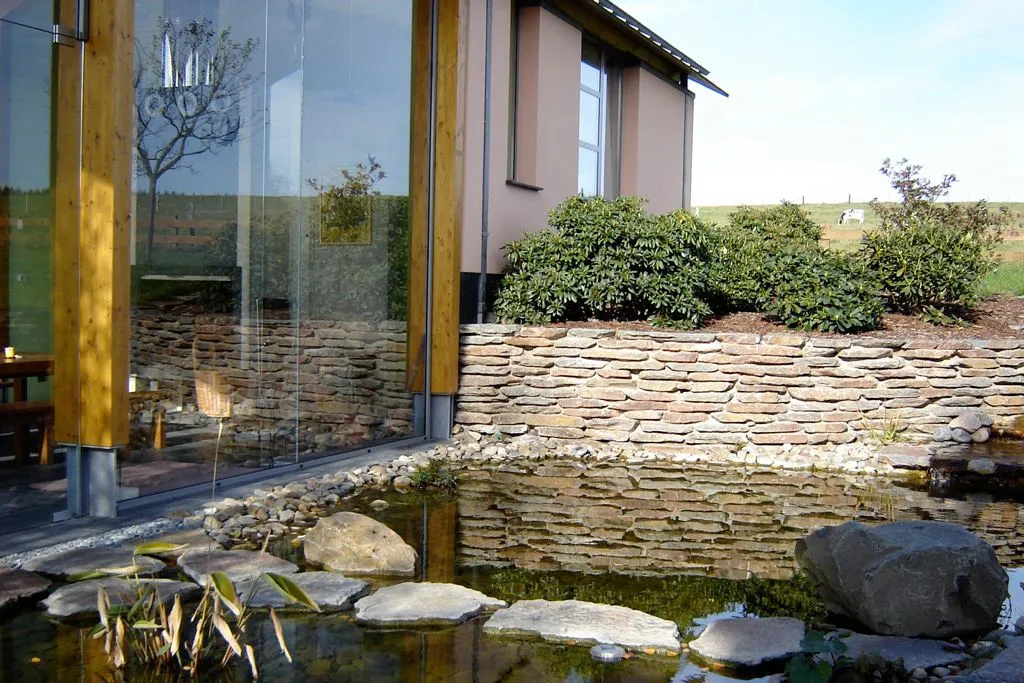
From stepping stones to façade cladding
Natural stone blocks are traditionally solid stones that are split or cleft. They are used as stepping stones, in grass or in a water feature, and are often incorporated into dry-stone walls or façades. With technical advances and stricter insulation standards, contractors and architects today increasingly opt for insulated constructions. This is where Rockfaces come into their own: natural stone with a sawn back, which can easily be bonded to insulation or a supporting wall. The result combines charm with comfort.
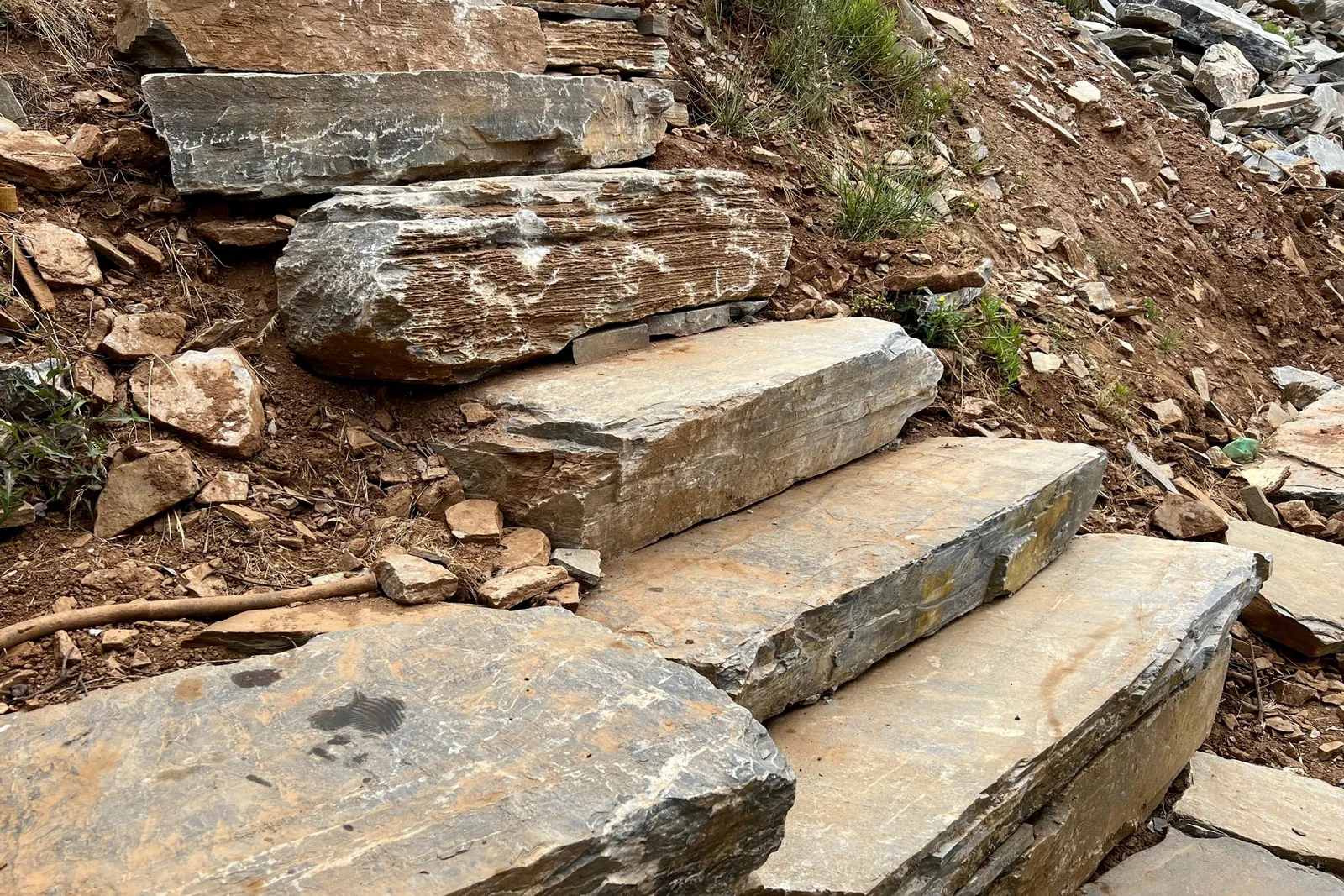
A versatile material
Slate, limestone, quartzite or sandstone: natural stone comes in many varieties and colours. Warm orange-pink shades create a southern European feel, while blue-grey varieties exude calm. “We are seeing a clear trend towards rougher materials and larger formats,” says Kristof T’Sjoen, marketing director at STONE. “Large solid rock formations are challenging to trade, but they make a real statement in gardens and ponds. And natural stone is not just for rural projects. It is also a rewarding material for garden paths, terraces and façades.”
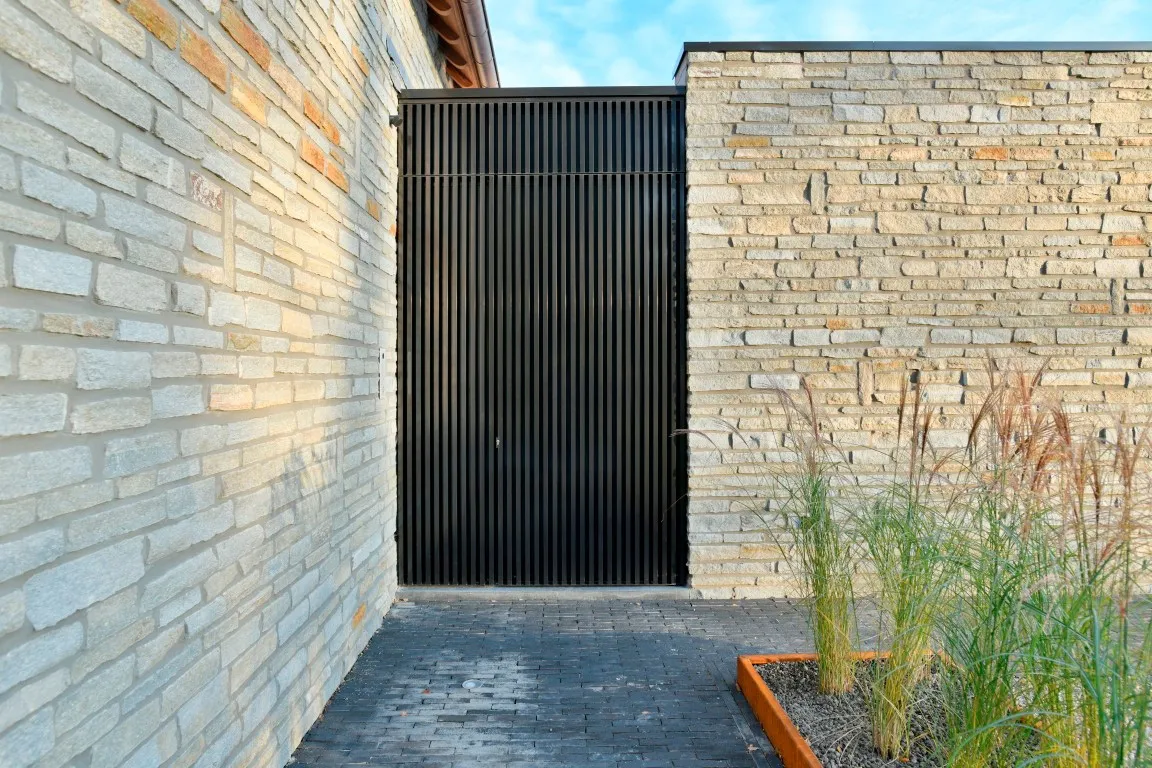
Elegance with a rough edge
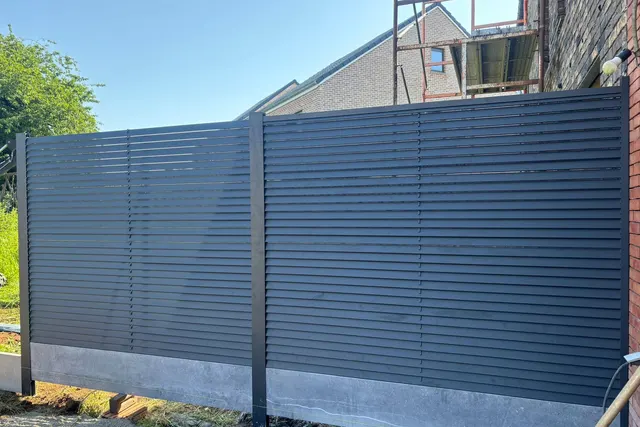
You might associate cleft stone with rustic gardens or historic buildings, but it also fits perfectly into sleek, contemporary designs. “A minimalist villa, for example, was given warmth and character by combining natural stone with brick and concrete. In a project by architect Bill Cosman, irregular natural stone alongside a sleek louvre door created a unique focal point. That is the strength of this material: timeless, versatile and always surprising,” concludes T’Sjoen.
Question about this story? Ask your question
Keep following this
Get an email when a new story is published. No account needed.
- ThemeWater and hard landscaping in the garden
- SubjectProduct information