No healthy soil without good soil structure
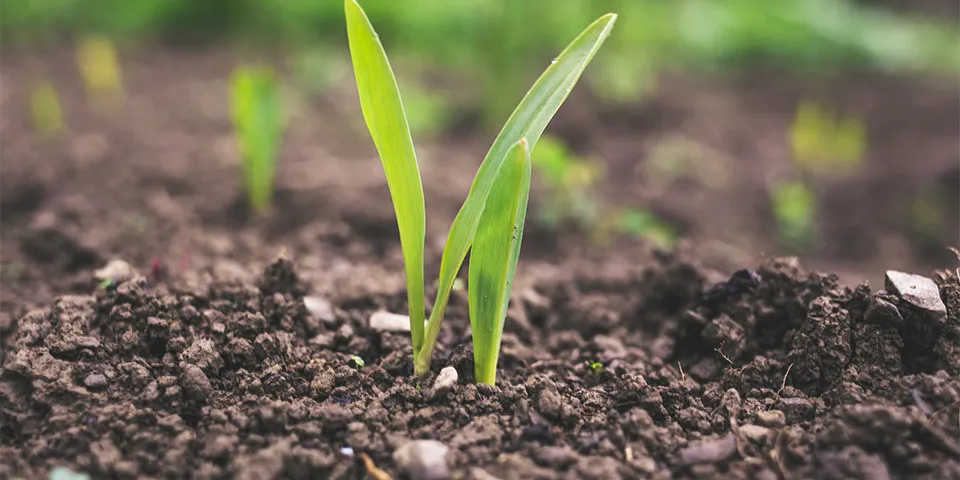
A healthy soil: it is something almost every landscape professional, garden contractor and amateur gardener strives for. And rightly so. But are we aiming at the right things in this pursuit, or are we unknowingly missing the mark? Global player COMPO EXPERT wants to get to the heart of the matter.
What is a healthy soil?
When people talk about soil health, they probably think first of its biological condition and the presence of soil microorganisms: the bacteria, fungi, earthworms and other organisms found in the soil. Soil structure, fertility and any nutrient imbalances tend to receive far less attention. Yet these are precisely the factors that underpin healthy or unhealthy soil.
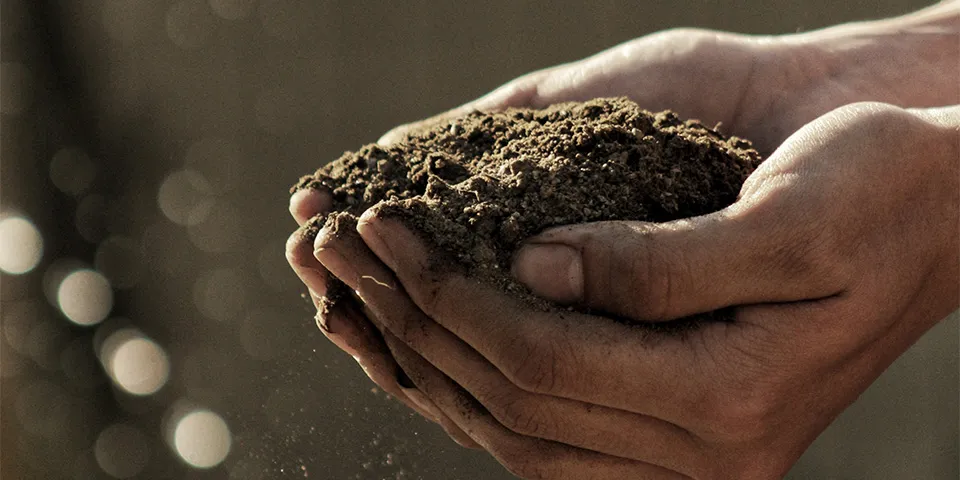
The desired microbial life can only flourish if certain conditions are met. It will never thrive in compacted, oxygen-depleted soil. So it is not enough for the soil to contain sufficient nutrients and biodegradable organic matter; it must also have a friable, open, crumbly structure. Only then can there be optimal gas exchange between the soil and the atmosphere, and can water rise through small pores or, when present in excess, drain away through larger pores.
The clay-humus complex
A key factor in healthy soil, and particularly in an optimal crumbly soil structure, is the so-called clay-humus complex, or CHC. Since both clay and humus carry a negative charge, this complex can store and exchange nutrient ions, which also means it plays an important role in the healthy development of plants. The greater the proportion of CHC in the soil, the greater its capacity to store and exchange nutrients, and therefore the more fertile the soil.
However, quantity is not the only thing that matters. Trials and observations show that an open, crumbly structure is only possible when calcium ions are bound to the CHC in particular. Calcium provides stability to the CHC; a deficiency leads to compacted soil. The proportions of magnesium, potassium and other positively charged ions must therefore always be lower.
Balanced soil improvement
In practice, however, the opposite is usually the case. Soil analyses show that most soils suffer from nutrient imbalances: there is too little calcium in the soil, while the proportions of potassium and magnesium are relatively high. This leads to a decline in soil structure and leaves soils that allow little or no development of the desired soil life, whatever soil cultivation measures are carried out to improve them.

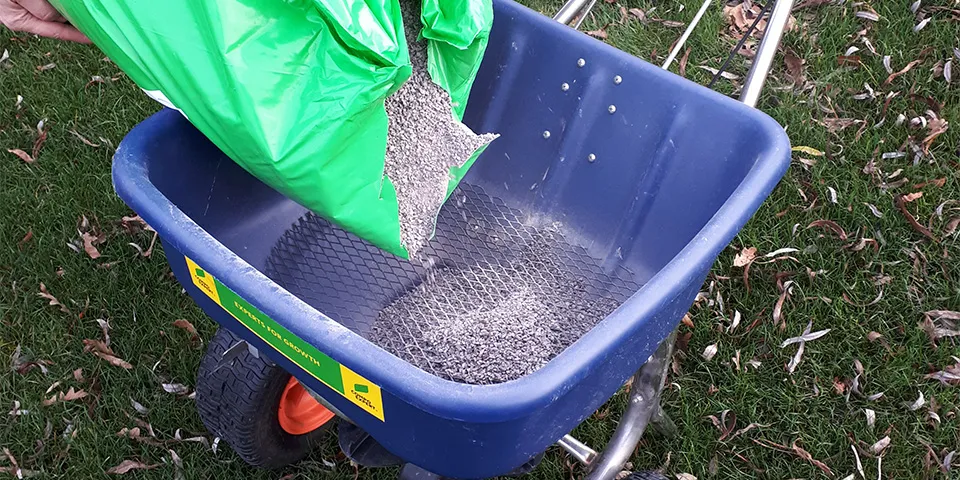
Fortunately, a soil improver with extra calcium can help in such cases. COMPO EXPERT has therefore developed Karisol® Complex, a soil improver rich in organic matter that not only increases the proportion of CHC in the soil, but also boosts the presence of calcium ions. All without affecting the soil’s pH. This gives unhealthy soils the chance to become fully healthy, with attention to both soil structure and soil life...
Question about this story? Ask your question
Companies in this story

Keep following this
Get an email when a new story is published. No account needed.
- ThemeHealthy soil and smart water management
- SubjectProduct information
- CompanyCompo Expert