The battle for a pristine golf course or sports turf

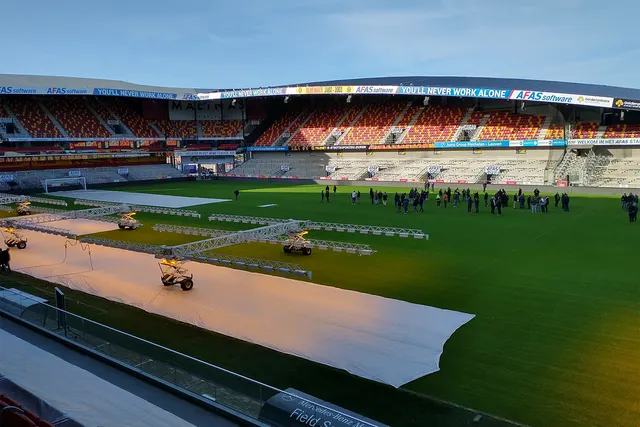
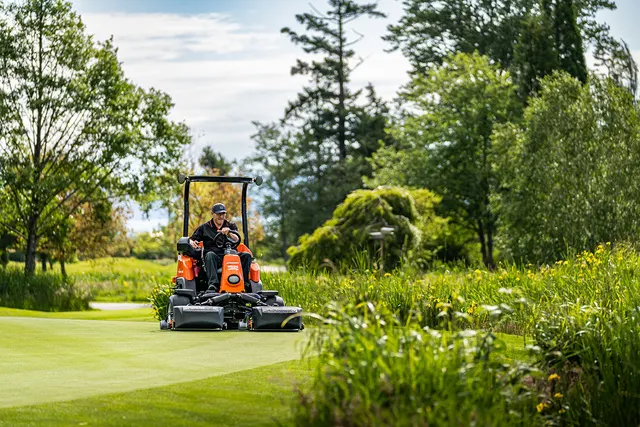
We expect sports and golf turf to look pristine at all times. To achieve results like these …
We expect sports and golf turf to look pristine at all times. But to achieve these results, greenkeepers have to contend with more than scorching summers. Weeds, unwanted grass species and all manner of diseases and pests also need to be controlled or, preferably, prevented. But how exactly do you do that, particularly within the constraints of pesticide-free management? On 22 September, horticultural supplier Luc Pauwels organised a study day on the issue.
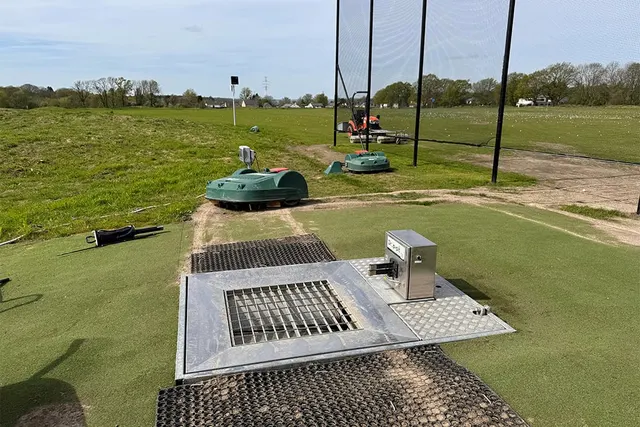
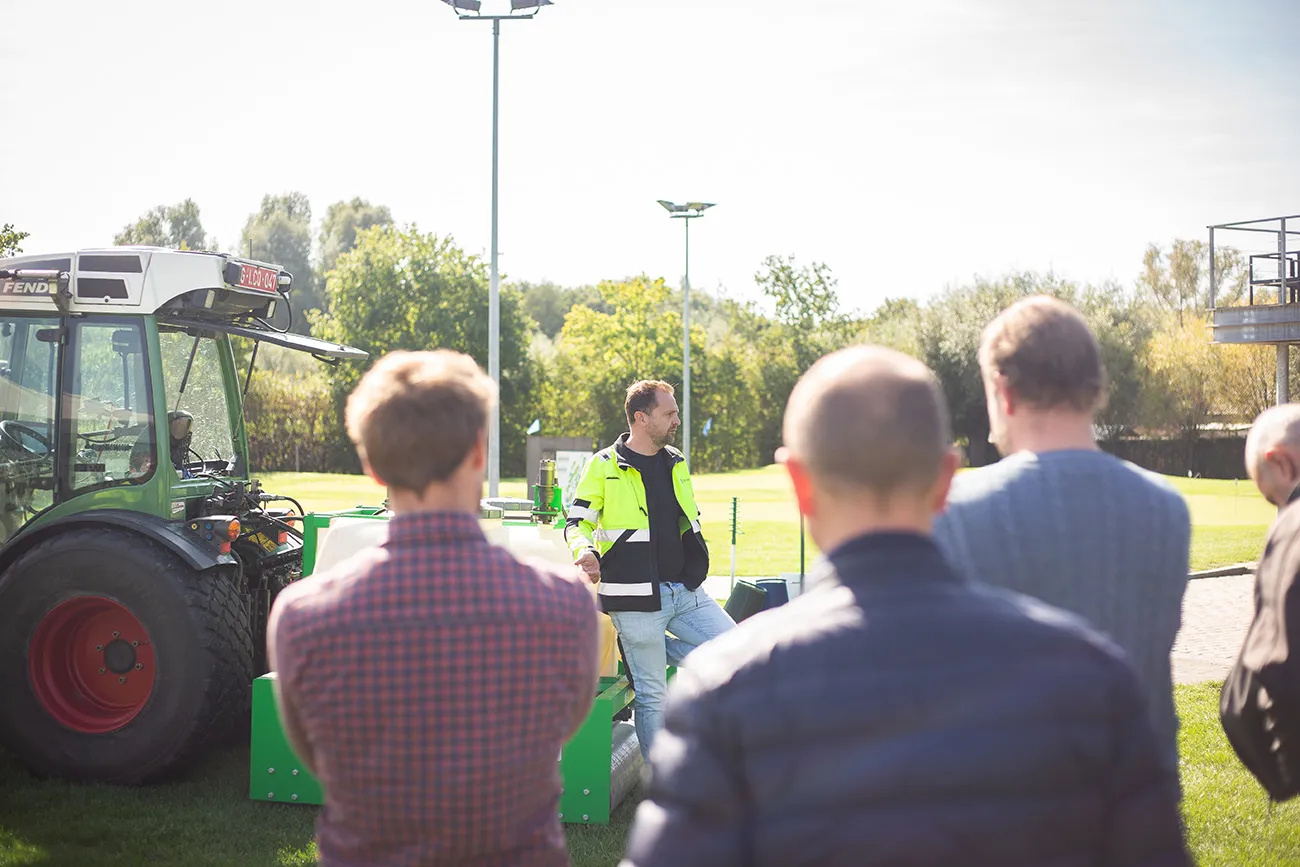
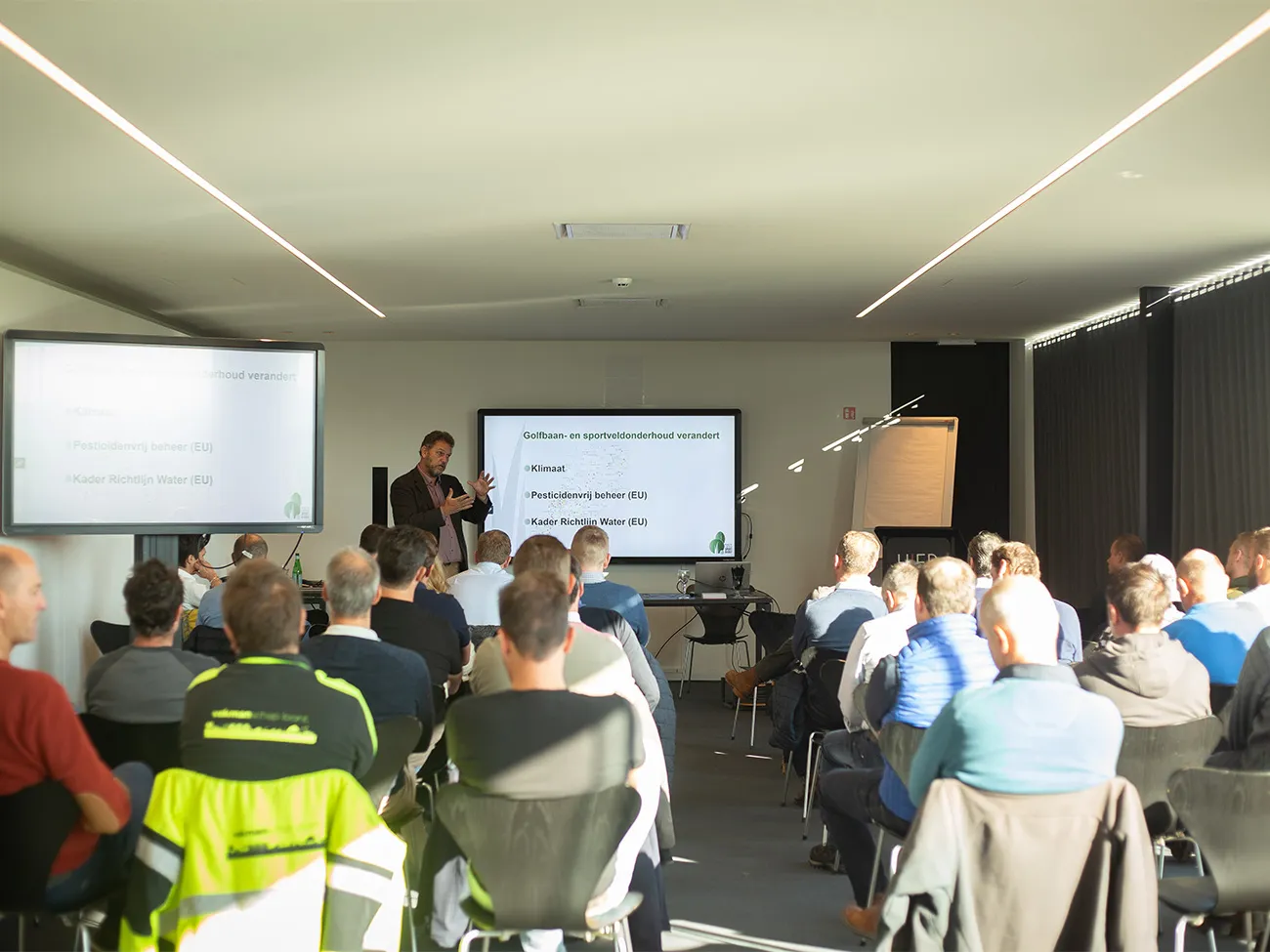
The study day took place at De Kluizen golf club in Aalst. Bathed in the light of a pleasant autumn sun, guest speakers Ernst Bos (Praktijkcentrum Sport en Golf), Tim Baldwin (Bion Benelux BV), Stein De Meulemeester (Envu Benelux), Olaf Bos (Barenbrug) and Kim Swinnen (De Ceuster) explained the measures that can be taken during construction, maintenance and renovation to tackle some typical troublemakers. In Kim Swinnen’s case, the presentation also included a demonstration.
Think in terms of target grasses
As in many other sectors, the guiding principle in maintaining sports and golf turf is clear: prevention is better than cure. That is why prevention, under the banner of Integrated Pest Management, has come to play an increasingly important role. And it undoubtedly starts with the turf itself.
“Simply sowing top-quality seed is not enough,” Ernst Bos warns. “You need to understand how a grass sward works, and why pests, diseases and weeds develop. A pest, for example, needs somewhere to lay its eggs and a suitable food source; a disease needs not only a pathogen, but also a susceptible host and the right environment. You can intervene in all these areas to reduce the opportunities for them to take hold.”
When it comes to weeds in particular, Bos stresses the importance of choosing the right grass. “Although you can tackle certain weed species with an appropriate mowing regime, the main aim is to prevent them from germinating and becoming established. Two factors play an important role here: a dense sward, on the one hand, and growing conditions, on the other. If you look at the characteristics of the main grass and weed species, for example, you will see that perennial ryegrass needs the same growing conditions as most weeds. Common bent, by contrast, does better in dry soil, where weeds thrive less. This allows you to work towards a new balance. Think in terms of target grasses, and tailor your maintenance accordingly.”
Unwanted annual meadow-grass
Of course, not all grass species are equally desirable on sports and golf turf. Olaf Bos of grass-breeding company Barenbrug has his sights set on annual meadow-grass, or Poa annua. “Annual meadow-grass is a tough adversary,” he stresses. “It flowers up to eight times a year, produces seed under stress and germinates at temperatures as low as 8°C. You need to be able to beat it on all these fronts.”
Olaf Bos puts forward three solutions: “SOS® provides the necessary competition at low temperatures. This Super Over Seeding grass species germinates at just 4°C, so it fills bare patches in the sward before annual meadow-grass gets a proper chance to take hold. RPR® is a self-repairing perennial ryegrass that also produces stolons under stress and repairs damage caused by foot traffic before annual meadow-grass can germinate in the loose soil. Finally, Resilient Blue® is a blend of Kentucky bluegrasses with high genetic tolerance to heat, drought and other stress factors. This helps you maintain a dense sward, even in difficult conditions, leaving no room for annual meadow-grass.”
Preventing and treating snow mould
There are several reasons why annual meadow-grass is undesirable on sports and golf turf. One is its high susceptibility to snow mould, or Fusarium nivale. “This disease affects no less than 80% of golf courses in autumn and winter,” says Tim Baldwin. “If you want to prevent it, you really need to tackle it as the spores germinate, although of course it is difficult to see at that stage.”
According to Baldwin, key strategies for preventing snow mould include reducing shade and ensuring sufficient air circulation, reducing the thatch layer, maintaining soil pH between 5.5 and 6.5, and applying dew dispersants to prevent the leaves from staying wet for long periods.
He also recommends an adapted winter nutrition programme, with iron, calcium and potassium playing a central role. “We have carried out several trials using this nutrition programme. They showed 35 to 40% less snow mould. Across the entire area of a golf course or sports turf, that has a significant impact. It means you need to apply fewer treatments, and that treatments will be more successful in many cases.”
If treatment is nevertheless required, Stein De Meulemeester recommends the first biological fungicide of its kind. “Harmonix® Turf Defense is a biological plant protection product based on a specific strain of Bacillus amyloliquefaciens, namely QST 713, which works through contact action on the leaf. In the Netherlands, the product has already been recognised and authorised for controlling fungal diseases on sports fields and golf courses; authorisation in Belgium is expected in the course of next year.”
White grubs and leatherjackets
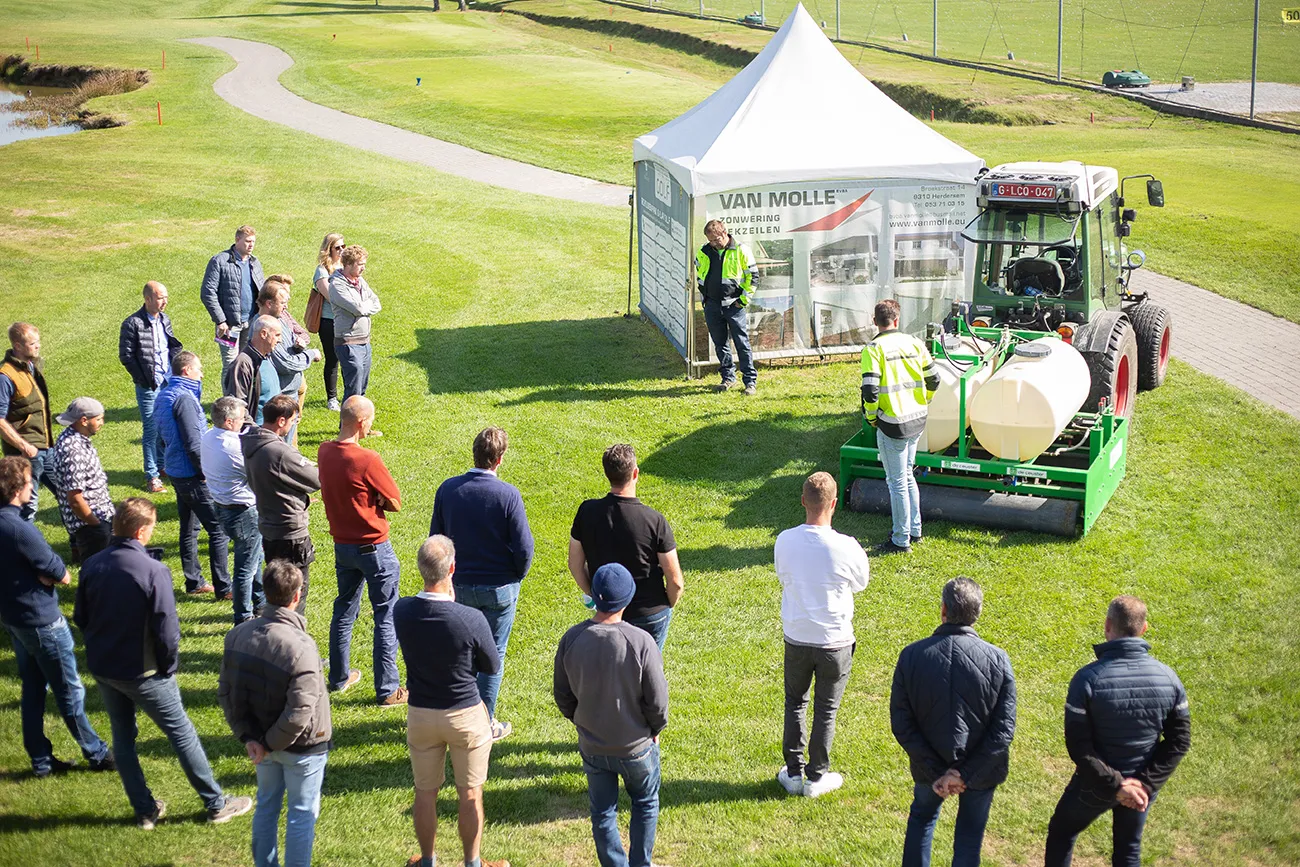
As well as weeds, unwanted grass species and diseases, pests can also compromise the impeccable condition of golf and sports turf. On the golf course, Kim Swinnen demonstrated how contracting company De Ceuster optimises nematode application.
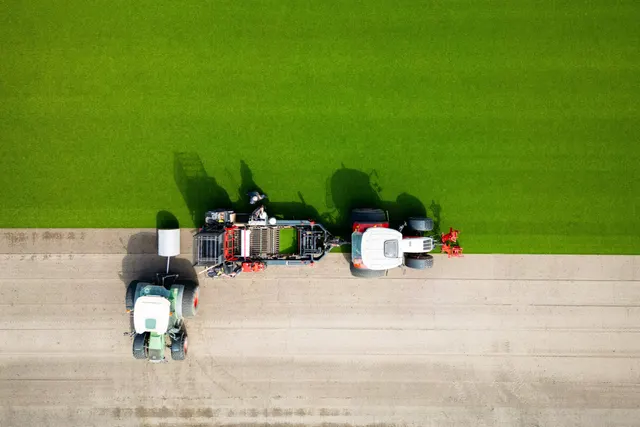
“Nematodes are a well-known biological method for controlling white grubs and leatherjackets, but in practice several factors can stand in the way of a successful treatment. These include exposure to UV light, temperature and the nematodes’ limited mobility, among other things. To address this, we have developed a machine that first cuts slits in the turf, then sprays nematodes over the surface and rinses them in with water, optionally enriched with biostimulants. Everything is designed to get the nematodes as close as possible to the larvae without damaging them during treatment, thereby maximising its effectiveness.”
Question about this story? Ask your question
Companies in this story

Keep following this
Get an email when a new story is published. No account needed.
- SubjectSports grounds & golf courses
- CompanyDe Ceuster NV