A well-informed approach to swimming ponds
Text Guy De MeulenaereImage Guido Lurquin
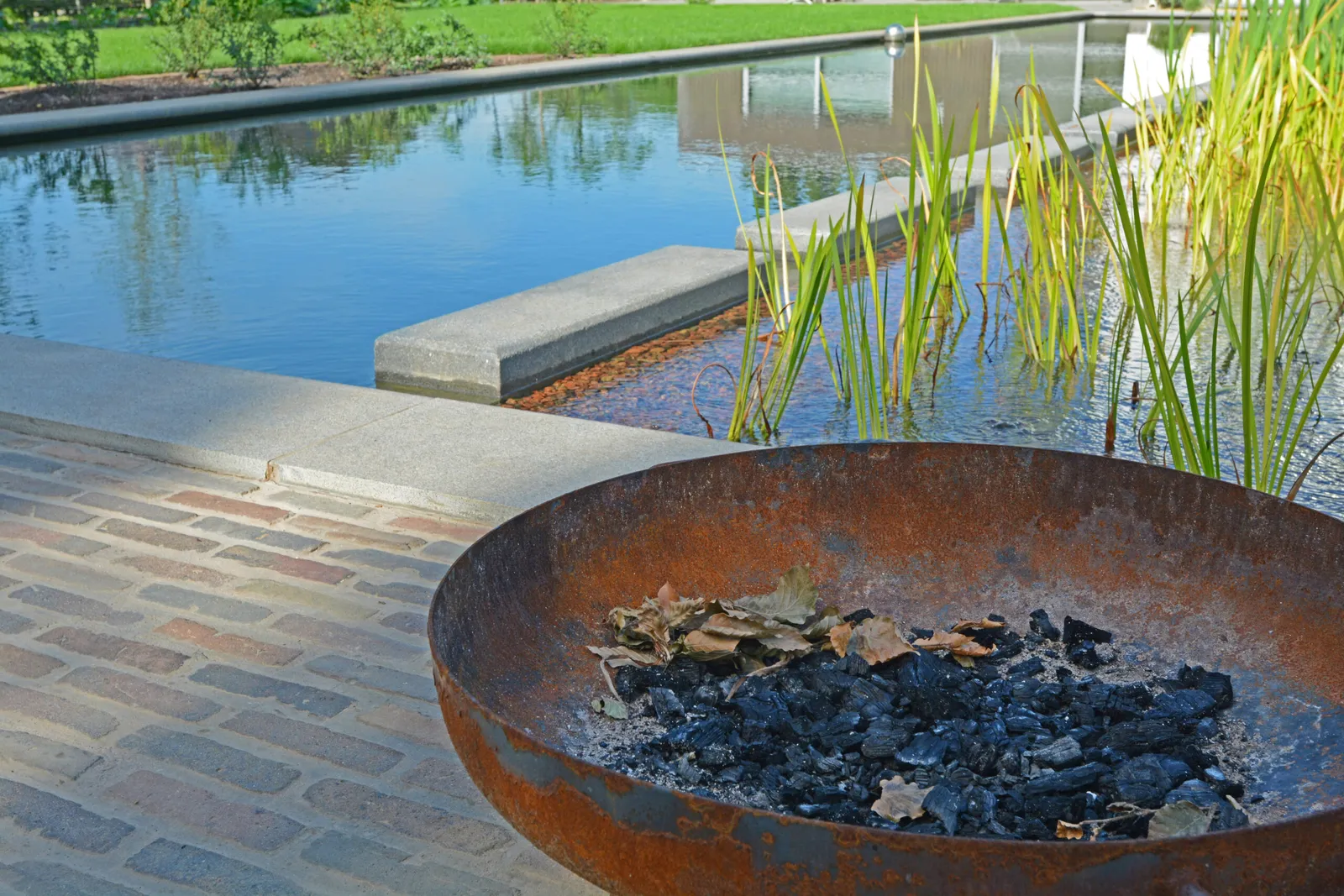
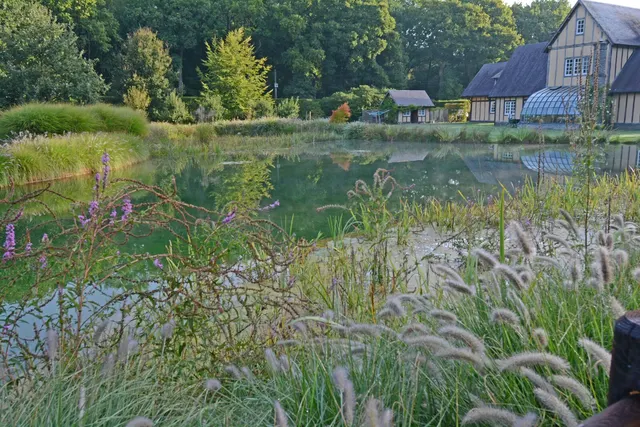
Garden ponds have long been more than an aesthetic feature in the landscape. They are a focal point, an ecological hotspot and a place to enjoy. Interest is high and demand continues to grow, especially for swimming ponds. Terms such as ecological, natural, biological and hybrid can cause confusion, so we’re here to clear things up.
Swimming pond or swimming pool?
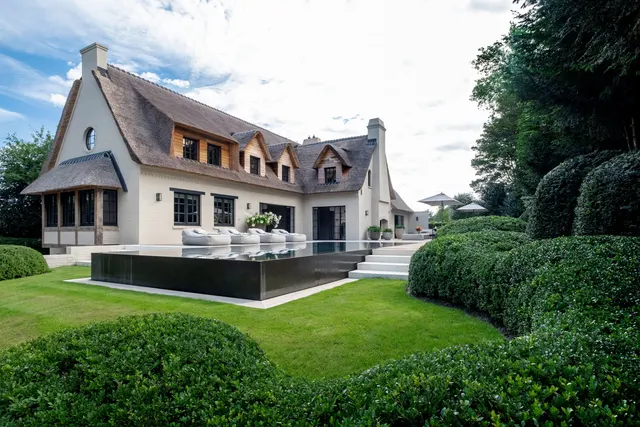
Swimming ponds often look very much like swimming pools, but they work in a fundamentally different way. They work with nature to create their own biotope. This can mean algal blooms, biofilm on the walls or a period of slightly cloudy water after a storm. These are all part of the experience, and choosing a swimming pond also means accepting a degree of natural fluctuation. Does that mean clear water is out of reach? Not at all. Well-designed systems mean you can see the bottom on most days without any difficulty.
It is important to give customers accurate information and set realistic expectations. Promises such as “no maintenance” or “not a single mark on the liner” are unrealistic. Traces of biofilm are always visible on light or white liners. On dark liners, they can even create a charming marbled effect. The aim is to ensure customers understand what they are choosing and why.
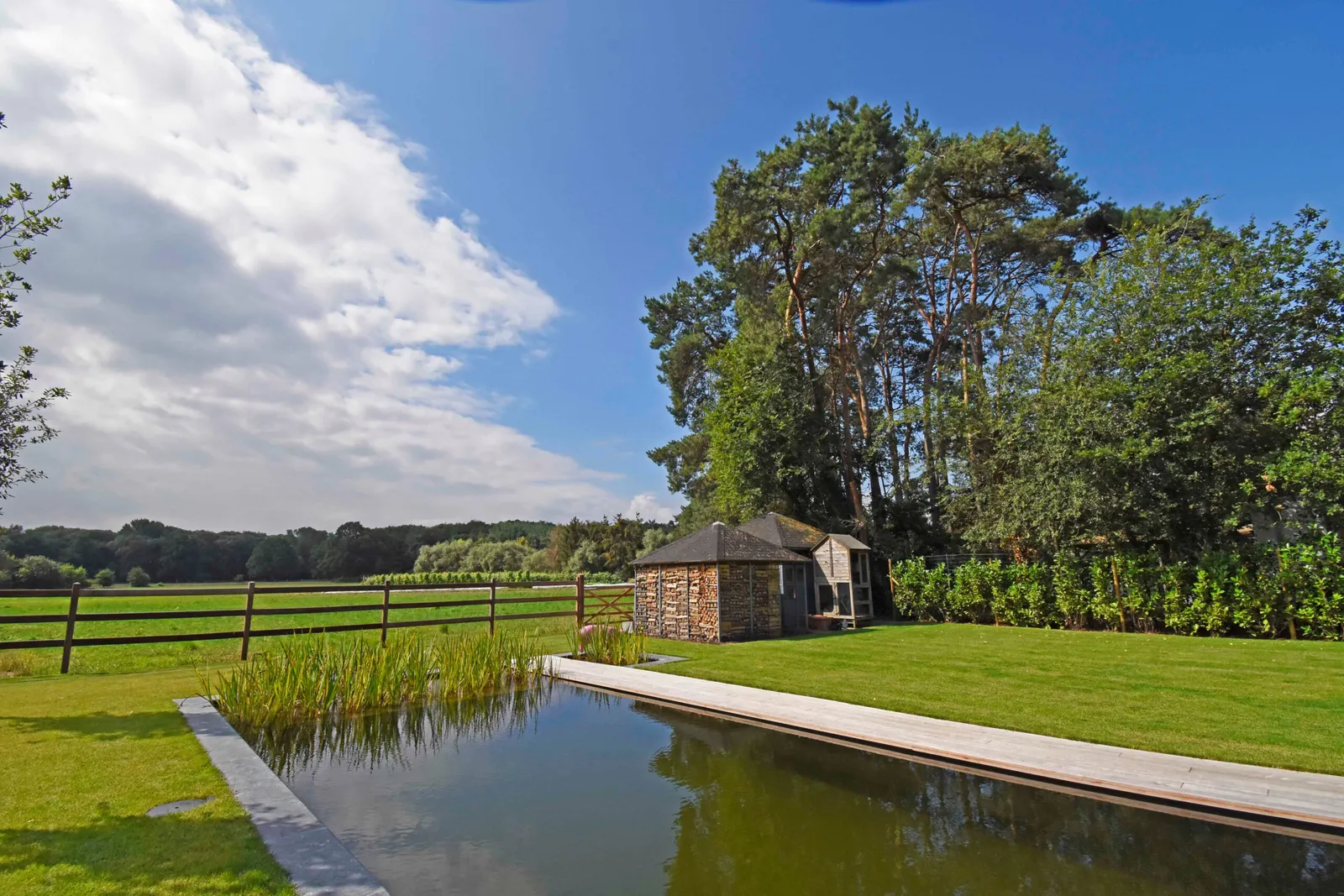
Keep construction and material choices simple
The basic structure of a swimming pond plays an important part in its ecological footprint. An excavated pond with sloping sides, ecolat edging and a waterproof liner is considerably more sustainable than an entirely concrete structure. Less construction means less material use and a less dominant visual presence in the garden.
Those opting for a more robust structure with lounging areas, steps or straight sides should weigh up comfort, impact and cost. The more technical the system, the higher the initial and running costs.
Let nature do the filtering
A high-quality filtration system works both mechanically and biologically. The biological component, the biofilm containing microorganisms, is particularly valuable. It helps break down dirt and keeps the water balanced. The water must circulate continuously, however, so pumps run day and night, all year round. That makes it worth investing in energy-efficient pumps. Especially with energy prices high, the savings can make a real difference.
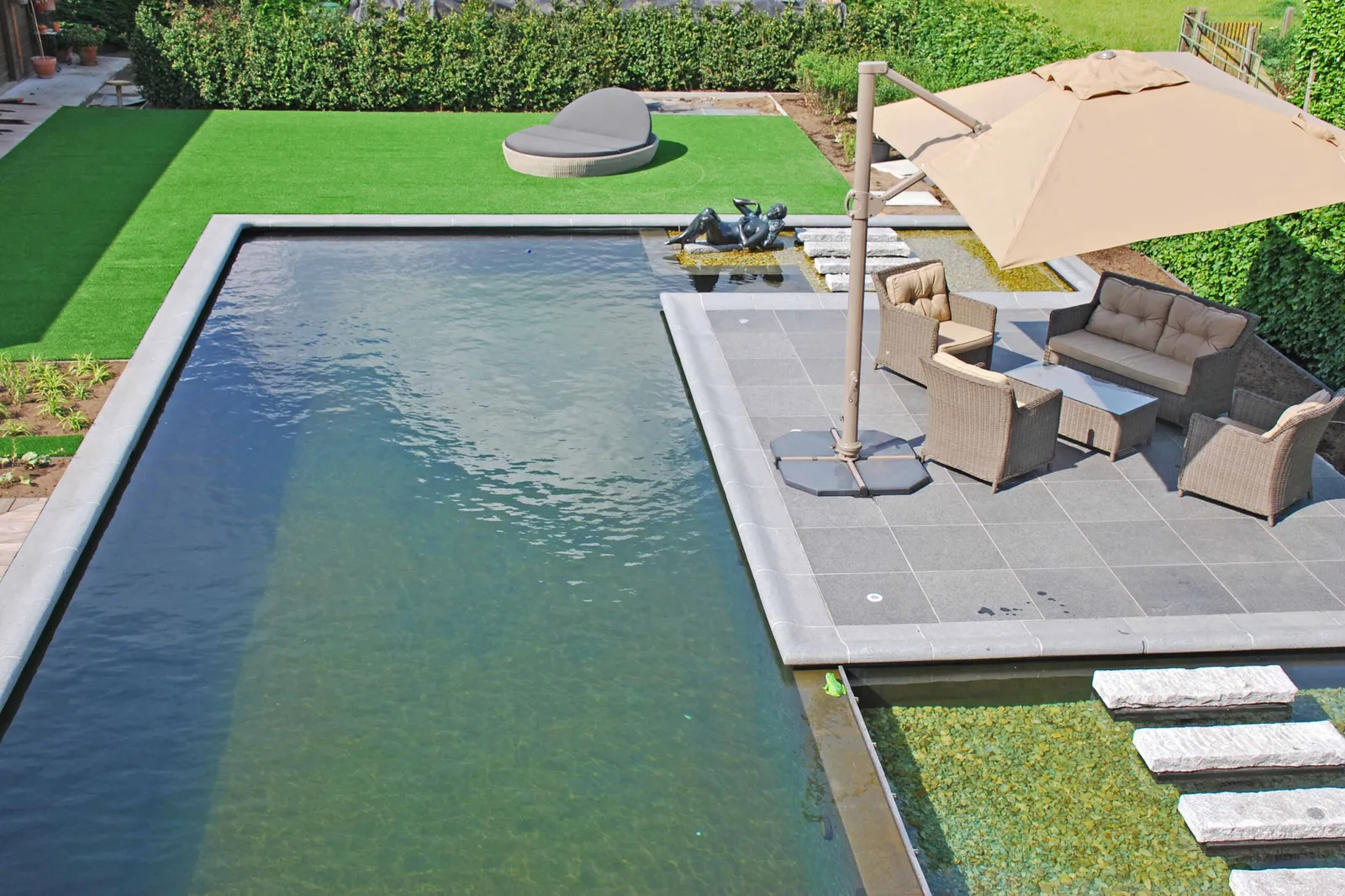
Not everything that glitters is ecological
Some systems are marketed as hybrid. They are said to switch easily between natural and chemical treatment, like hybrid cars switching between petrol and electric power. But the reality is less straightforward. Switching from a biological to a chemical system requires a substantial amount of disinfectant. In the other direction, it takes weeks for nature to recover. Honesty with customers is crucial.
Warm water, smart choices
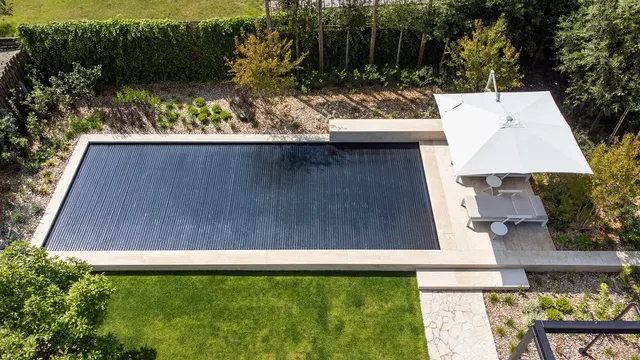
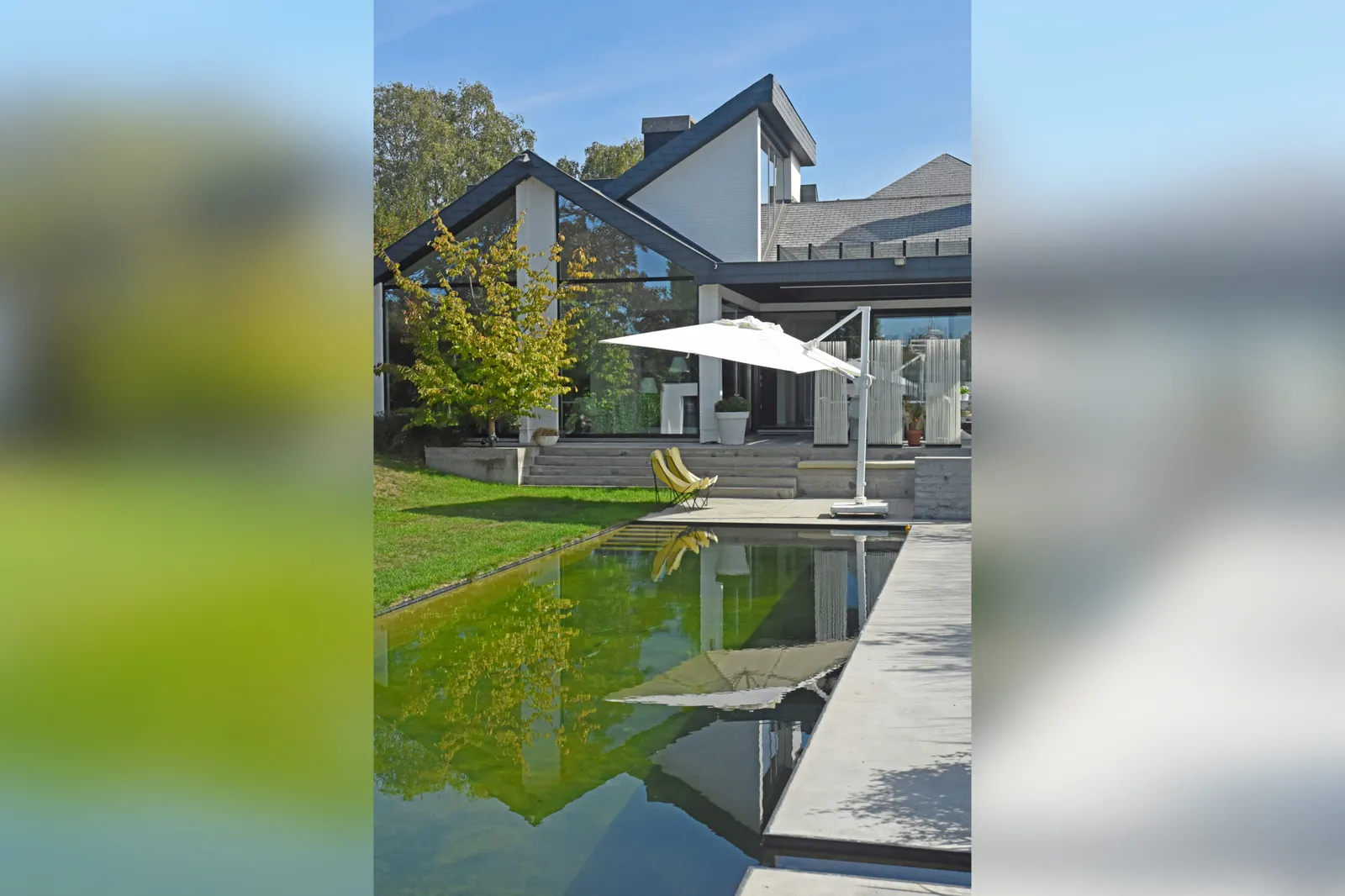
Finally, it is worth noting that liner colour affects the water temperature. Black absorbs the sun’s heat, making a difference of 4 to 6 degrees. This makes swimming more pleasant and also saves energy if additional heating is used.
A swimming pond is a balancing act between people and nature. The simpler and more transparent the choices, the greater the enjoyment and the more satisfied customers will be in the long term. As a green professional, you have an important role to play: informing, inspiring and guiding customers with expertise. Have a wonderful summer!
Question about this story? Ask your question
Keep following this
Get an email when a new story is published. No account needed.
- ThemeWater and hard landscaping in the garden
- SubjectSwimming ponds & pools