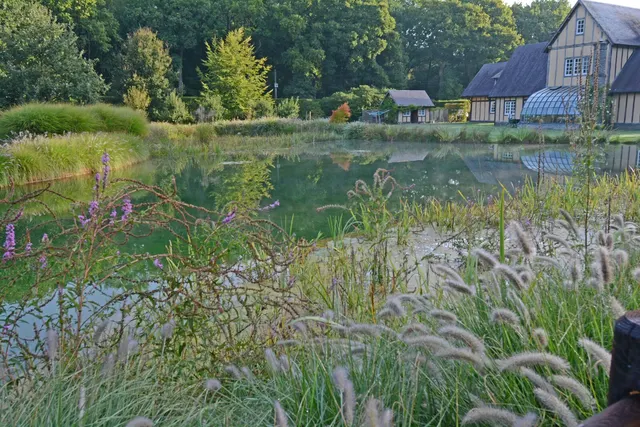
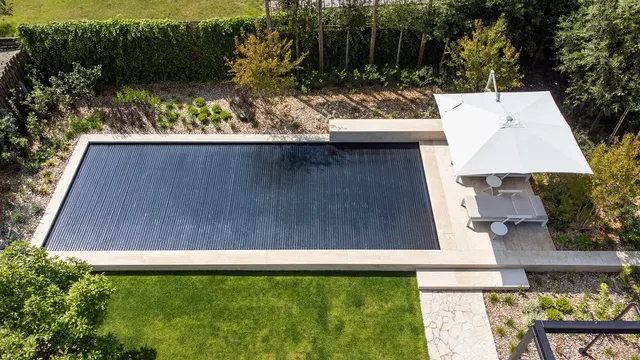
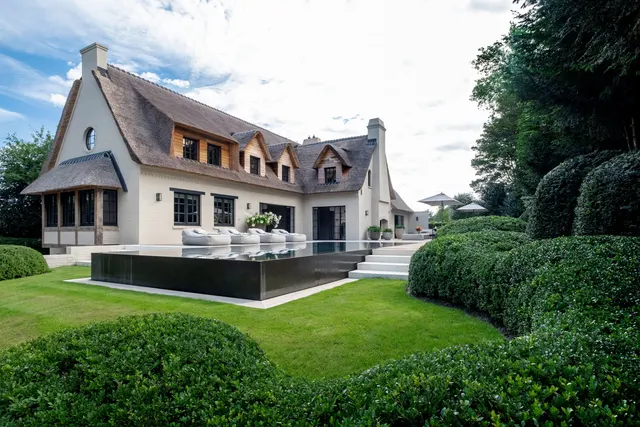
It’s all about an ecological swimming pond
Text Amy van LoonImage De Wase vijverwinkel
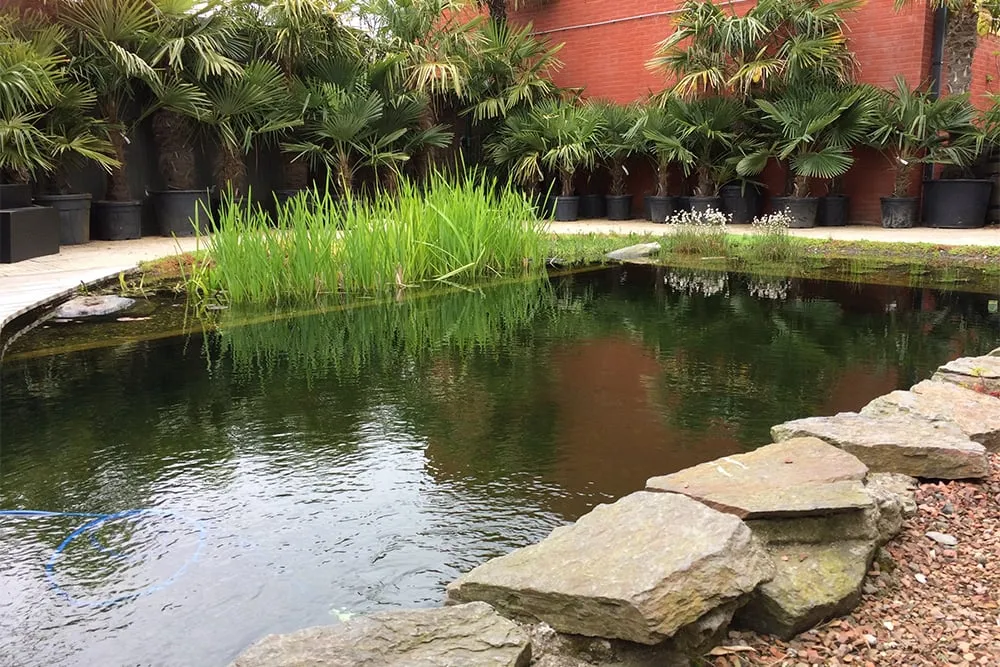
Times are changing, products are evolving, and supply and demand are moving with the times. The combination of climate change and sharply rising energy prices is also driving a growing trend towards more ecological and energy-efficient choices in swimming ponds.
“Swimming pools are losing ground, and more and more people are now opting for a swimming pond,” says Len de Wulf of Wase Vijverwinkel. “Rising energy prices have put people off, leading them to look for alternatives to a swimming pool. A swimming pond is an attractive solution because it uses far less energy.” Stefaan Verbauwhede of Verpi adds: “As well as energy costs rising, garden plots are getting smaller. A small swimming pond makes more sense than choosing a small swimming pool.” Alongside the economic benefits of a swimming pond, people are also paying more attention to ecological choices, and this is reflected in their choice of swimming pond too.
Swimming ponds are being insulated too
To make use of their garden swimming pond for more of the year, and enjoy that holiday feeling at home for longer, swimming pond owners are increasingly choosing materials with good insulating properties, such as polypropylene (PP). Whereas concrete and liner were often the preferred options in the past, PP is now being used more and more. The sun and outdoor temperatures warm the water. Better-insulated walls and floors reduce heat loss, helping the swimming pond reach a comfortable temperature sooner and retain it for longer.
External pumps
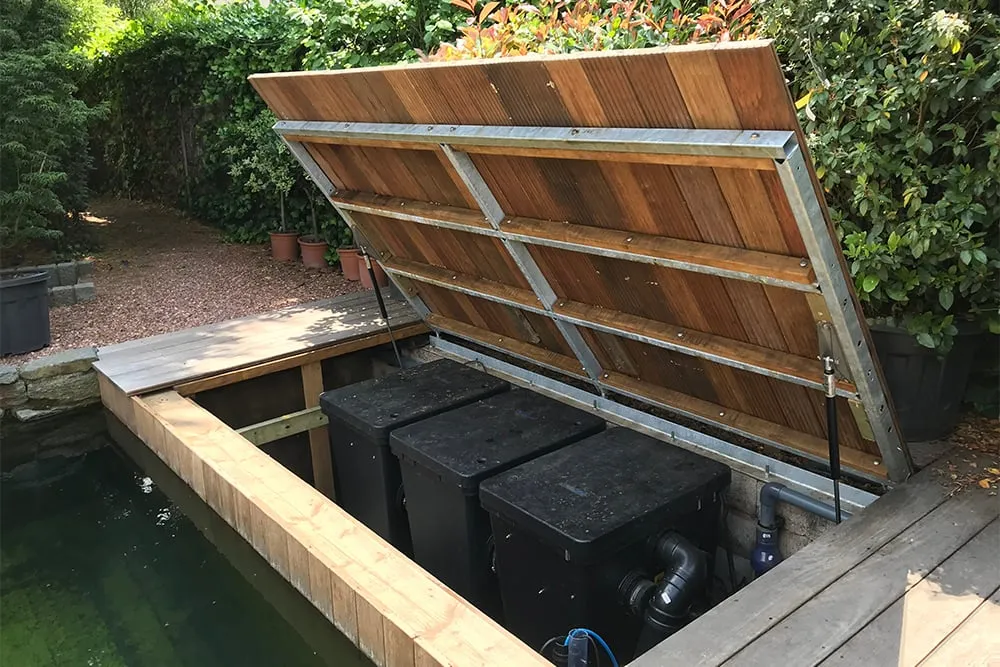
The traditional filter has been used for many years, with water plants and lava stones working together to filter the pond water. Here too, we are seeing a slight shift in the trend. Increasingly, people are opting for external filtration with drum filters or moving bed filters. These take up much less space than a traditional filter, leaving more room to enjoy swimming in a pond, even in ever-smaller gardens.
External filters also provide better, cleaner water quality and require less maintenance than traditional filters. One major drawback of a traditional filter is that the area where all the dirt is pumped eventually becomes saturated. Cleaning it out completely is very labour-intensive, a problem you avoid with an external filter.
Rainwater harvesting: hot or not?
Opinions among swimming pond builders remain sharply divided. Some are fully in favour of harvesting rainwater for use in swimming ponds, while others remain very cautious. Naturally, a lot also depends on where in the country the swimming pond is being built. Rainwater is considerably more polluted near large cities than in rural areas.
“We’re seeing growing demand for rainwater for swimming ponds. In the past, fewer people chose to harvest rainwater because it has to be remineralised. This was an expensive process, making the cost comparable to that of mains water. Now that remineralisation costs have fallen and mains water prices have risen, harvesting rainwater has become a cheaper option. So here too, we can see that this is not just an economic consideration, but an ecological one as well,” says Len de Wulf.

Lighting is becoming increasingly important
Naturally, you want to enjoy a beautiful, natural feature in your garden all day long. During the day, you can see all the greenery, water features, water plants and the pond. When it gets dark, people want to enjoy them too. In the past, nobody opted for mood lighting in their swimming pond, but now half of all swimming ponds have lighting. Appearance is becoming increasingly important, alongside ecology.
Question about this story? Ask your question
Keep following this
Get an email when a new story is published. No account needed.
- ThemeWater and hard landscaping in the garden
- SubjectSwimming ponds & pools