Sustainable swimming pools are gaining ground in gardens
Text Trees AccouImage Archipool
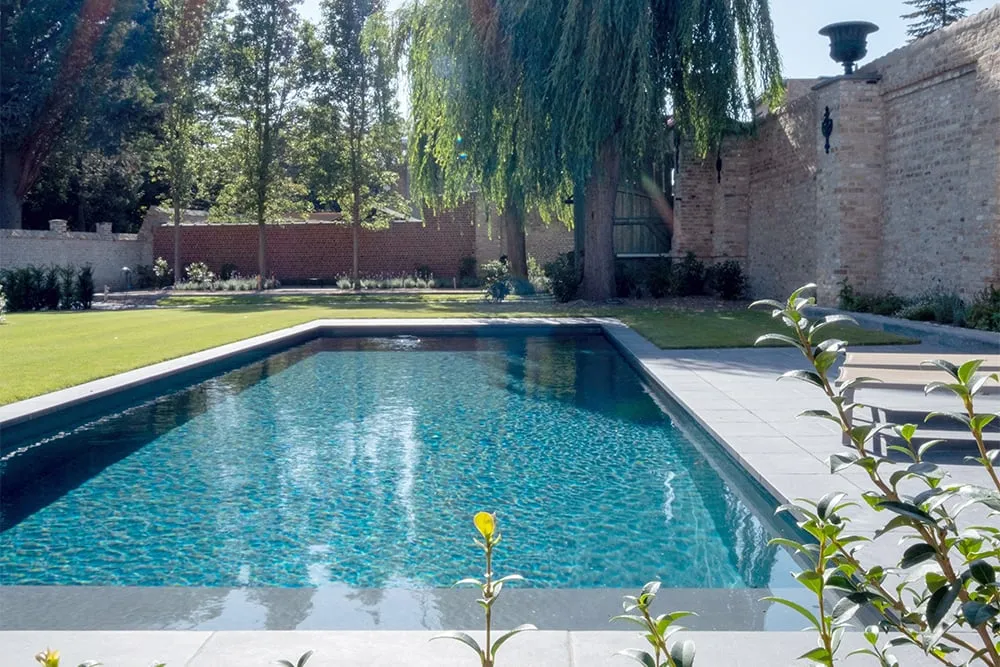
Relaxing in your own garden is becoming increasingly popular. A private swimming pool is the perfect addition to make a personal paradise even more enjoyable. Would you recommend an in-ground or above-ground pool to your client? Is every garden suitable for a swimming pool? And what about fossil-free heating? Take the plunge and find out exactly what your client is looking for.
A well-designed garden is a paradise for its owner, and adding a private swimming pool is the luxurious finishing touch. It guarantees relaxation, a chance to cool off and fun during the warm summer months. When well executed, a pool also enhances the look of a contemporary garden. Several factors influence the choice of pool: the size of the garden, the resident’s taste and budget, and energy efficiency.
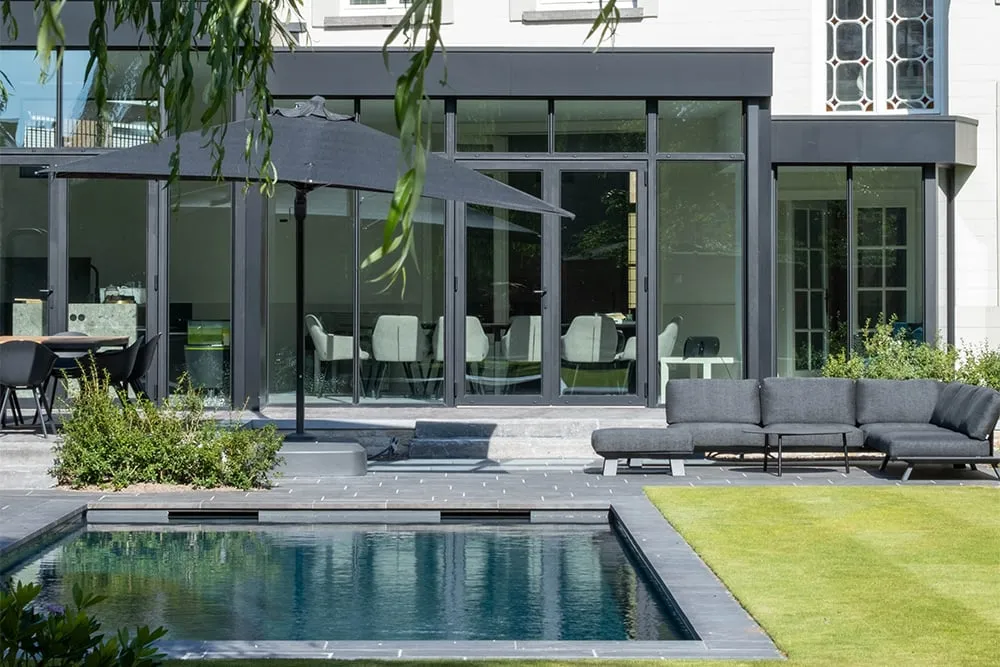
A showstopper or a reflection of the garden
First, let’s clear up a misconception: even a small garden can accommodate a swimming pool. However, if your client wants to swim laps, they will need a pool measuring at least ten metres long and five metres wide. A smaller pool is also well worth considering for a relaxing splash. What’s more, a counter-current system lets you swim on the spot: all the exercise, none of the distance. Bear in mind that, whatever the size of the pool, you will always need to build a plant room.
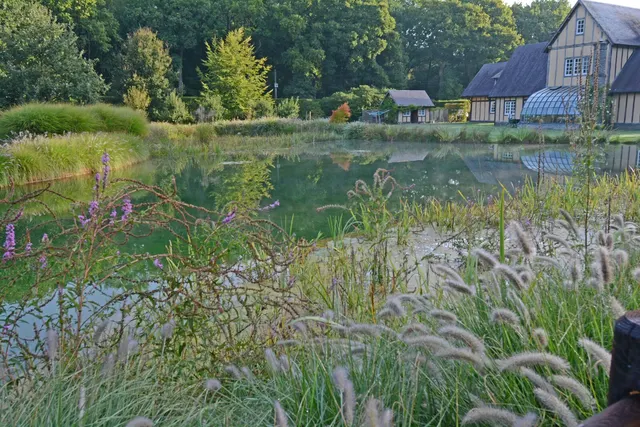
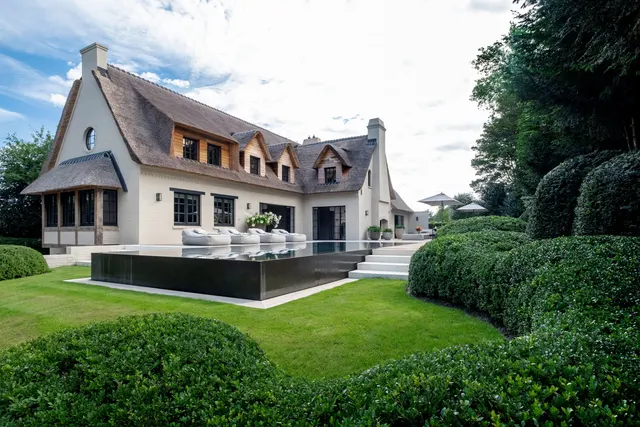
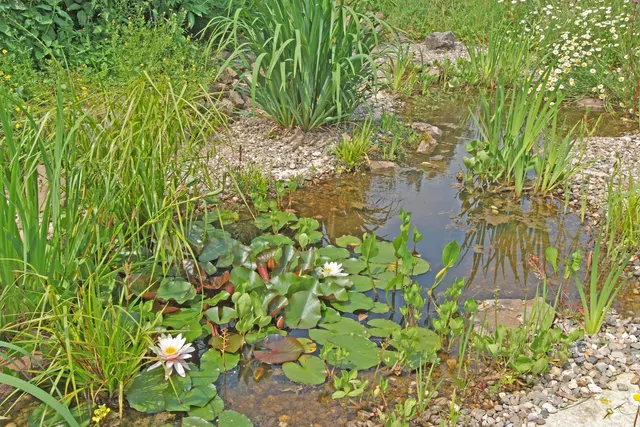
Then there’s the aesthetic. An in-ground pool has a more exclusive look than an above-ground pool, although the latter is considerably cheaper to buy and install. A sleek garden calls for a pool with clean lines, while a romantic garden is better suited to a swimming pond or a (natural) pool with an organic shape. Ultimately, of course, the choice is up to the resident.
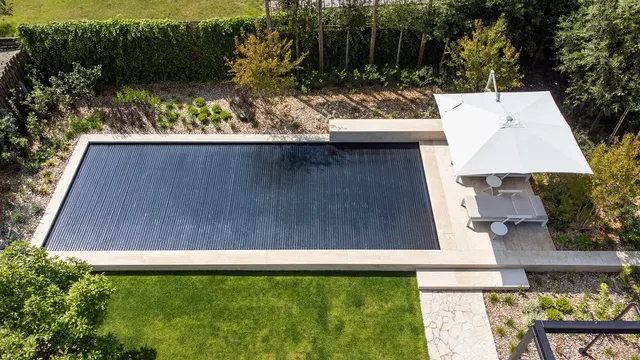
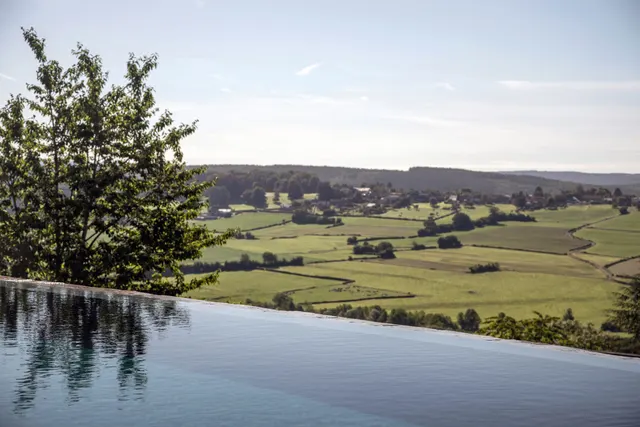
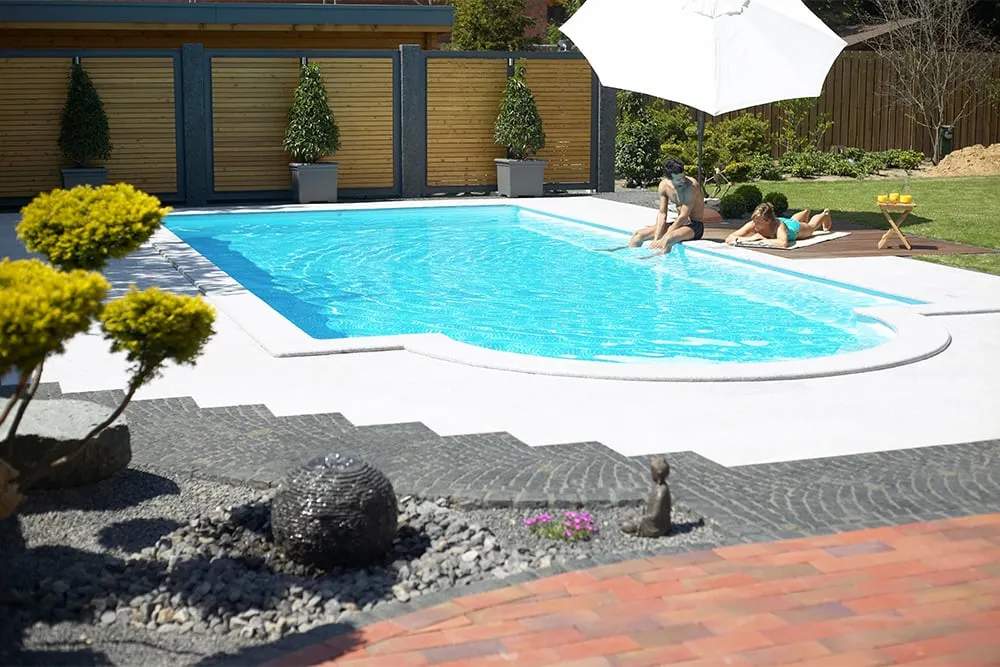
Did you know that the colour of the pool also sets the mood? To make a statement, choose a bright blue pool. As this colour is rarely found in nature, it defines the look of the garden. Dark colours and shades of grey are increasingly popular because they create a calmer effect and reflect the trees and plants. The view changes with the seasons.
Energy-efficient heating
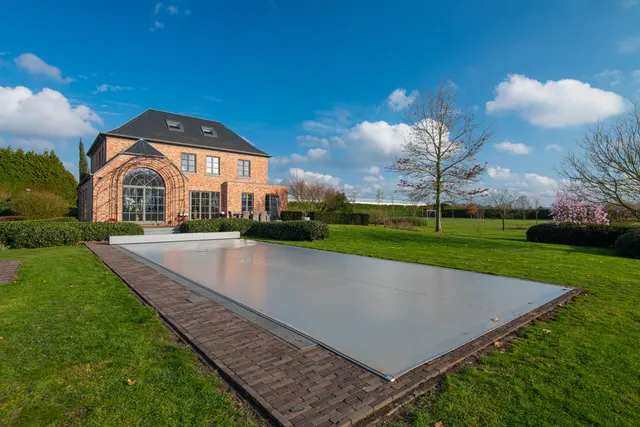
If your client wants to enjoy their pool to the full with minimal upkeep, a high-quality cover is essential. It not only keeps the pool cleaner, but is also crucial for maintaining the water temperature without a sky-high energy bill.
As well as covering the pool, the way the water is heated matters. Gas or oil heating is no longer fit for purpose. As in the green sector, the swimming pool industry is also seeing a clear trend towards sustainability and energy efficiency.
Without heating, the water will not get warmer than 22 degrees, while a comfortable swimming temperature is around 29 to 30 degrees. So supplementary heating is essential. Taking efficiency and consumption into account, a heat pump is the ideal solution. By extracting heat from the outdoor air and transferring it to the pool water, a heat pump can deliver more energy than it consumes.
If your client already generates energy using solar panels, a heat exchanger can also be used to heat the pool water. This is much faster than using a heat pump, but it also requires more energy. That energy, of course, cannot then be used in the home.
Solar mats or solar panels also harness the sun’s heat, but are mainly suitable for small pools. With this type of pool heating, water is pumped through the mats, and this takes considerably longer for larger pools.
Question about this story? Ask your question
Keep following this
Get an email when a new story is published. No account needed.
- ThemeWater and hard landscaping in the garden
- SubjectSwimming ponds & pools