Four essential steps in lawn renovation
Text Elise NoyezImage Viano / ELIET
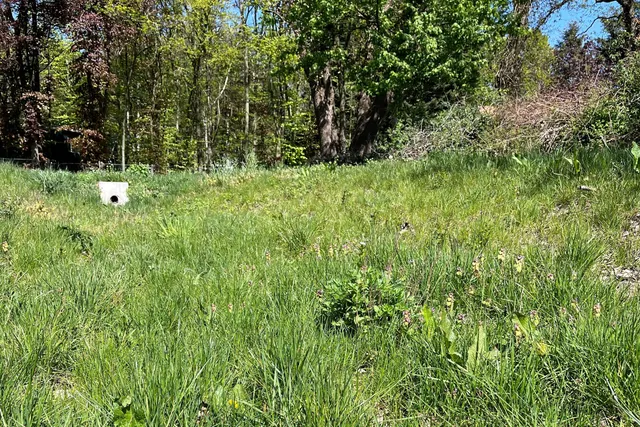
The mild but exceptionally wet start to the year has not exactly produced idyllic outdoor scenes. But for an unwelcome guest in our lawns, conditions have been ideal: moss has had every opportunity to grow and gradually smother the grass. With summer approaching, targeted lawn renovation is a necessity for many gardens. Achieving a good result requires not only the right garden products, but also tailored mechanical maintenance.
Even the finest lawn will sooner or later have to contend with moss. On the one hand, moss spores are carried by the wind and can settle almost anywhere; on the other, moss gains an advantage over grass in winter. While grass barely grows during the colder months, moss continues to develop even at low temperatures and in limited daylight. Add the many downpours of recent months, and you have the perfect conditions for moss growth.
Fertiliser producer Viano and machinery manufacturer ELIET have outlined four essential steps to help green professionals get lawns back into top condition.
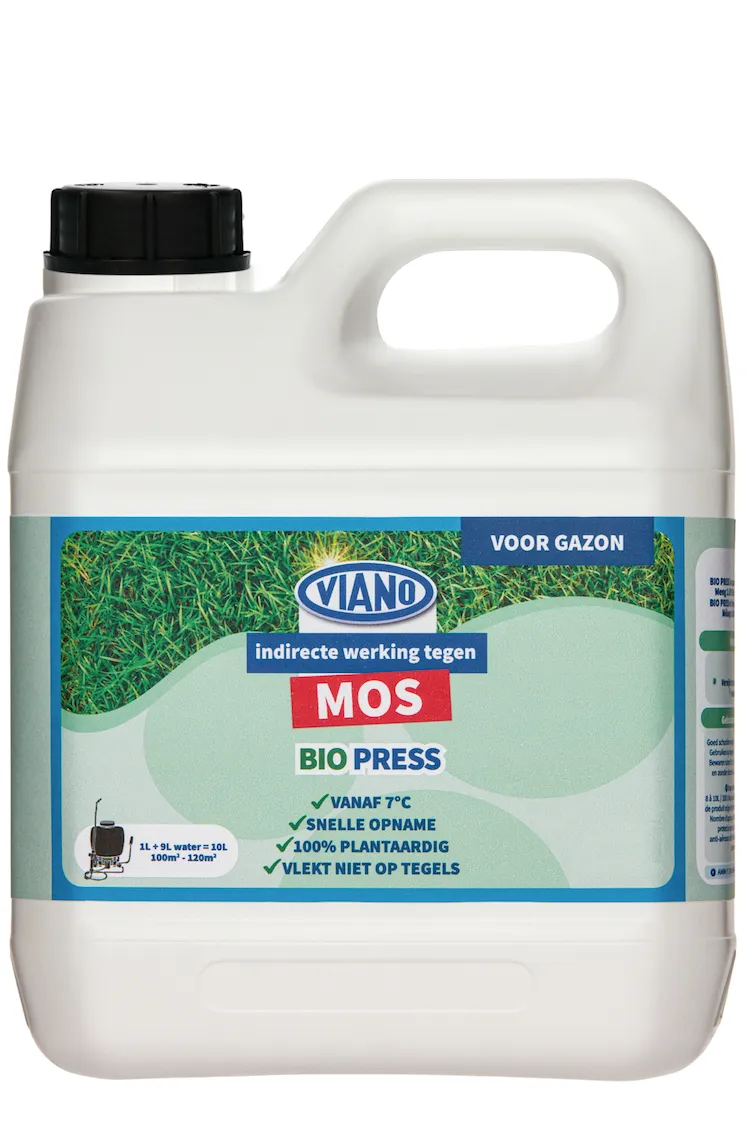
Step 1: Treat
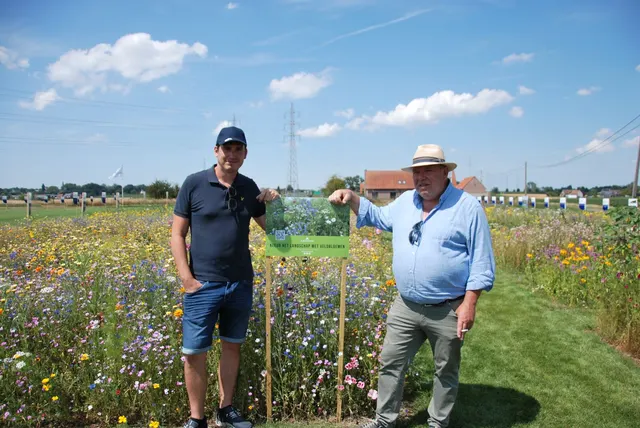
Say ‘moss’ and you say ‘scarifying’, right? “That’s true,” says Pieter Krauch of Viano. “But scarifying should not be the first step. Moss is a spore-producing plant, and scarifying straight away will only spread the spores further. That’s why you need to kill the moss first.”
Traditional solutions such as iron sulphate or iron chelate have drawbacks. “Iron sulphate can cause stains, while iron chelate can clog spray nozzles. What’s more, these products only work at outdoor temperatures of 12 to 14°C or above,” Krauch explains. As an alternative, Viano offers BIO PRESS, a liquid, 100% plant-based fertiliser that is effective from 7°C. “Thanks to its rapid uptake, this fertiliser works indirectly against moss and is highly effective as the first step in lawn renovation.”
Step 2: Scarify
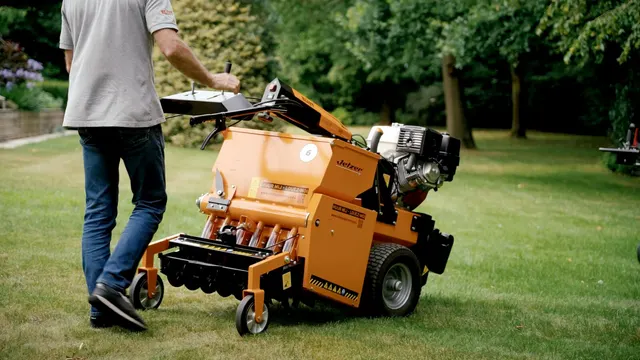
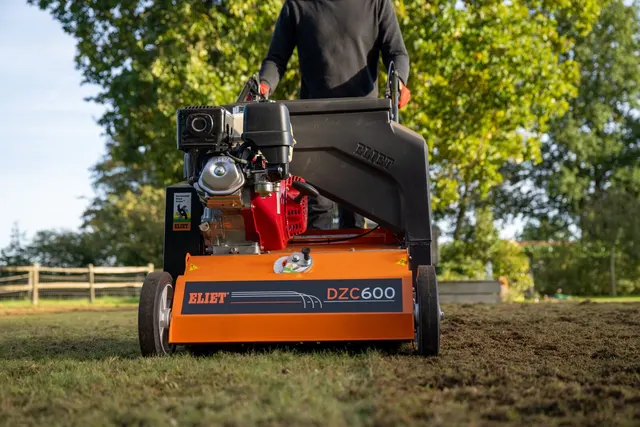
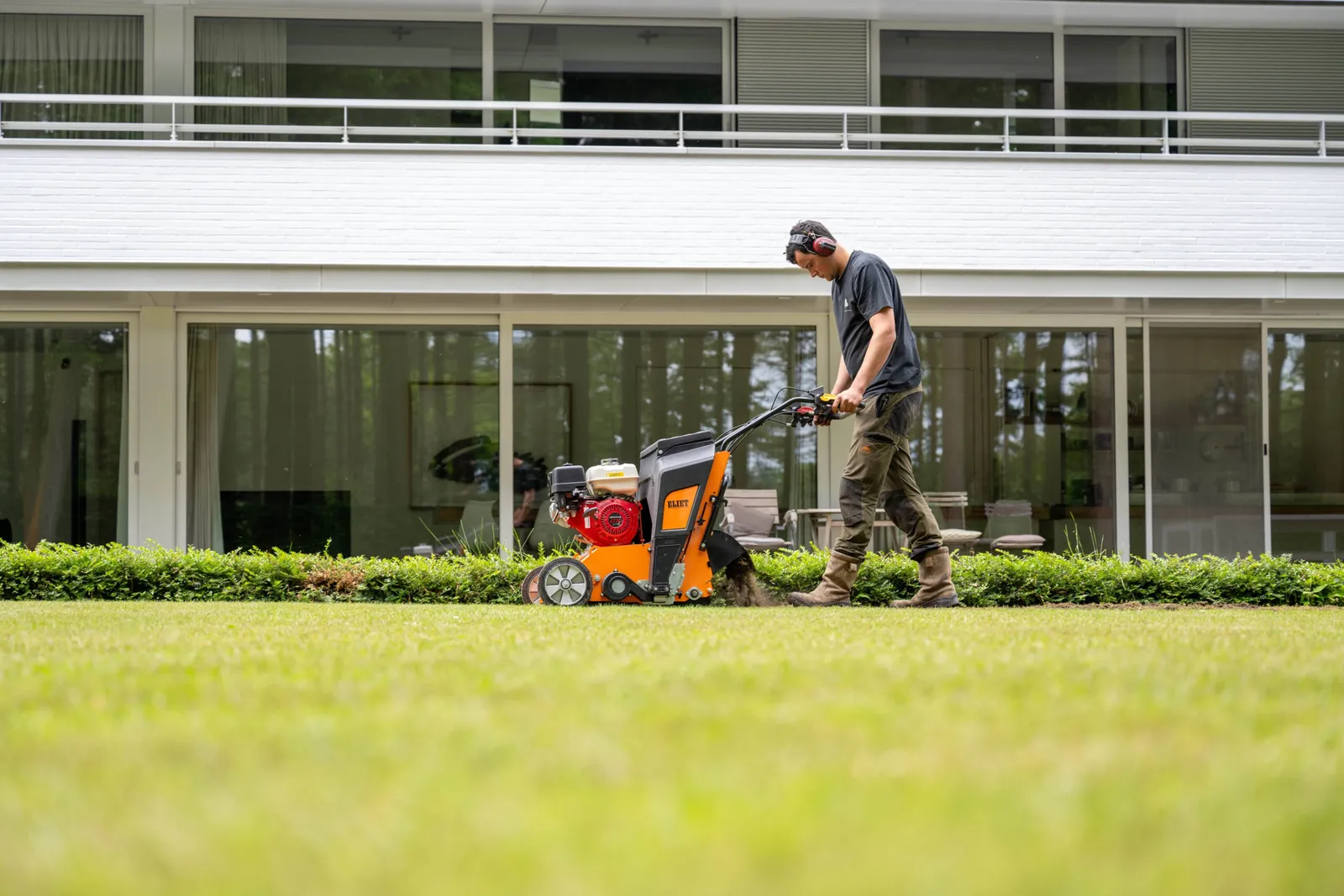
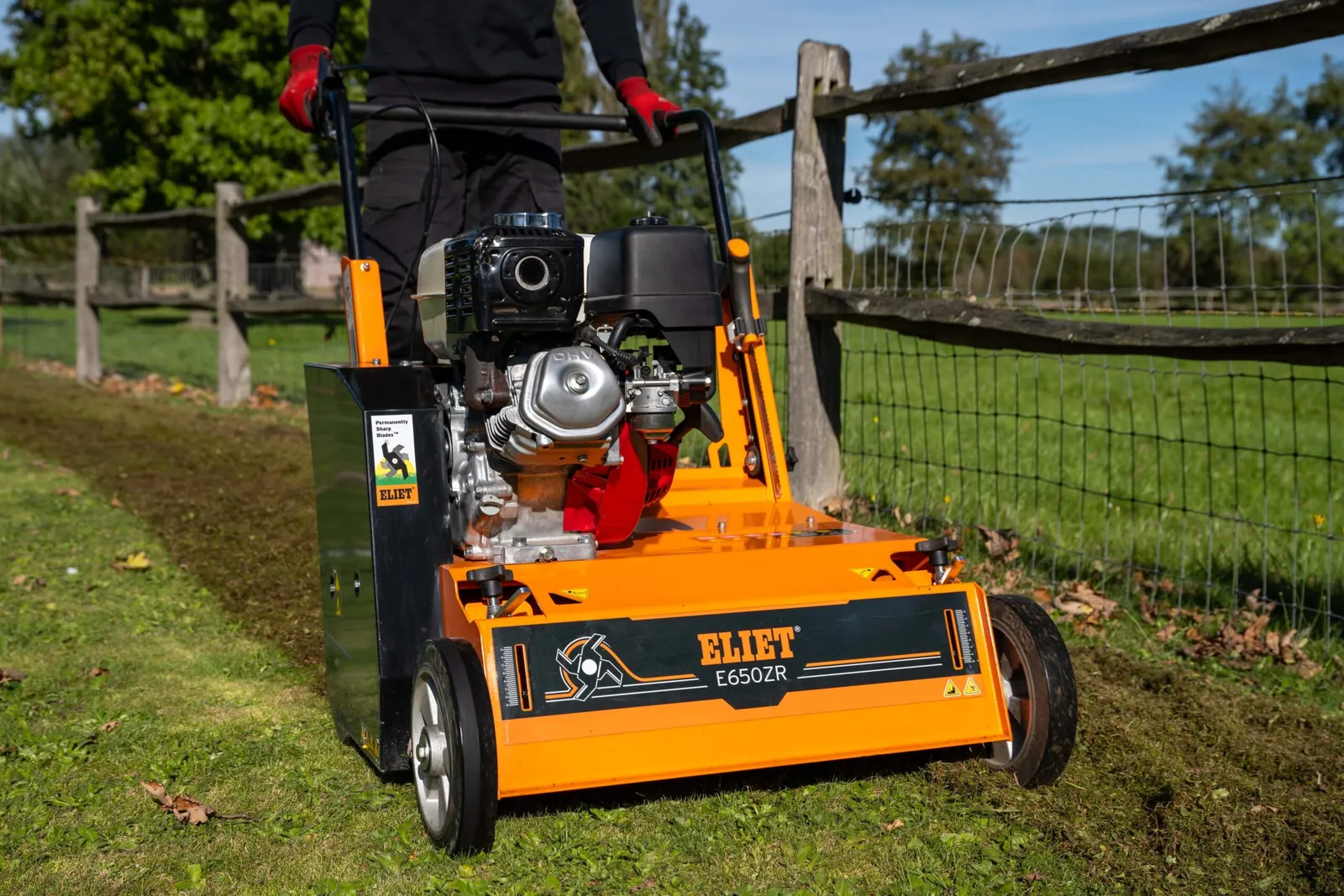
Once the moss has turned brown and died off, scarifying can begin. This removes not only the dead moss but also the thatch layer, a build-up of organic material that impedes the soil’s ability to absorb air and water. ELIET scarifiers use permanent pointed blades™ (PPM) to remove the maximum amount of dead organic material from the lawn.
Step 3: Overseed
To help the grass regain dominance and prevent moss from returning, overseeding is the next important step after scarifying. ELIET’s specialist overseeders inject grass seed directly into the soil and cover it at the same time. “This creates ideal conditions for germination, resulting in rapid and even emergence,” Krauch notes.
Step 4: Fertilise
When the new grass reaches a height of 6 to 8 cm, it is time for the first cut. The lawn should only be fertilised for the first time after that. “Fertilising too early can burn the germinating seed,” Krauch warns. “Grass seed has its own nutrient reserves, which are usually only used up after the first cut.”
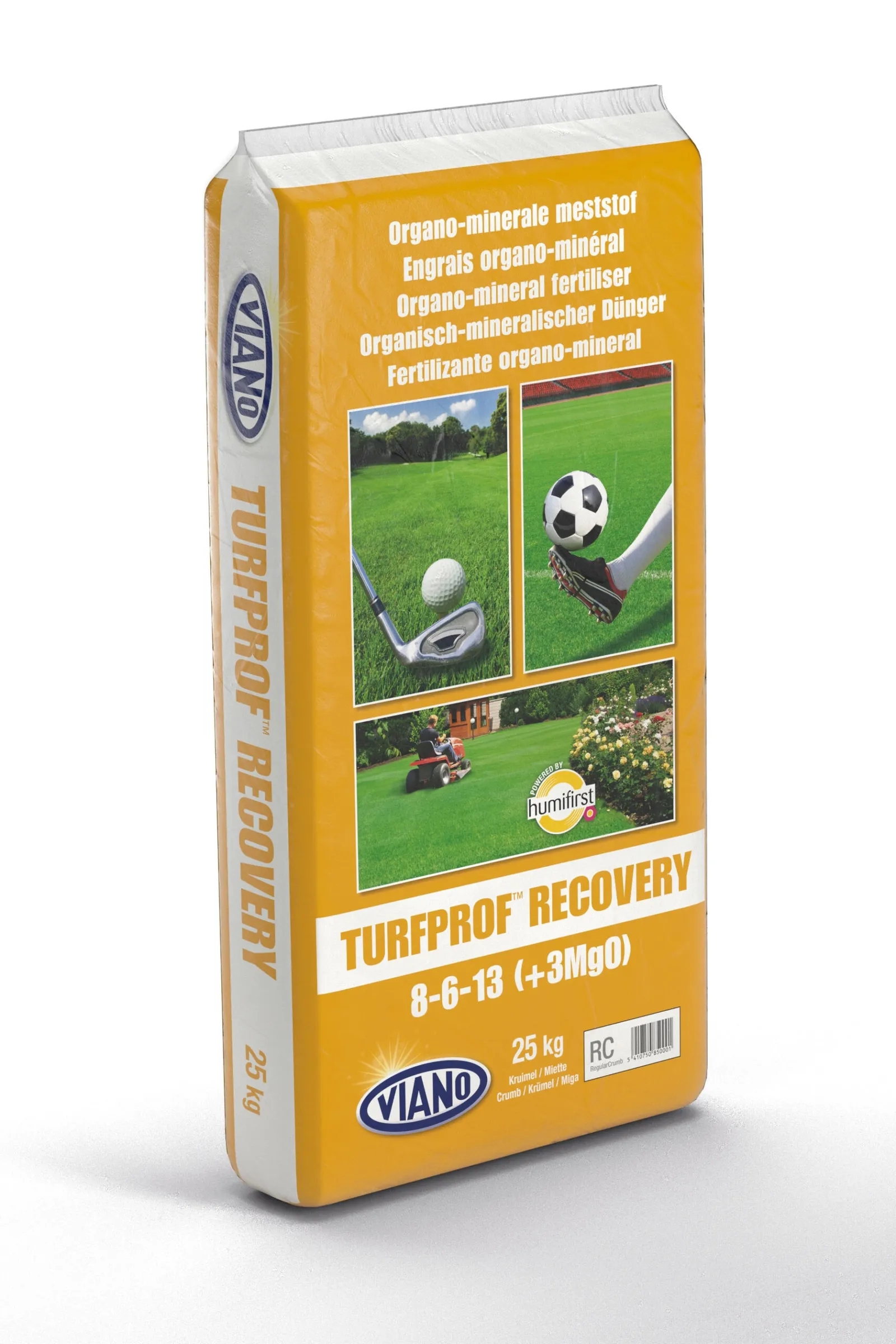
For lawn renovation, Viano recommends its Recovery fertiliser. The correct nitrogen-to-potassium ratio promotes rapid grass recovery, while an added root stimulant encourages a stronger root system. “This is particularly useful for lawns that have recently been scarified and are still recovering from damage to the leaves and leaf sheaths,” says Krauch.
Een zakelijke vraag aan Viano? Get in touch
Companies in this story
Keep following this
Get an email when a new story is published. No account needed.
- ThemeHard-wearing turf
- SubjectTurf management
- CompanyViano