‘No Mow May’, but what about June?
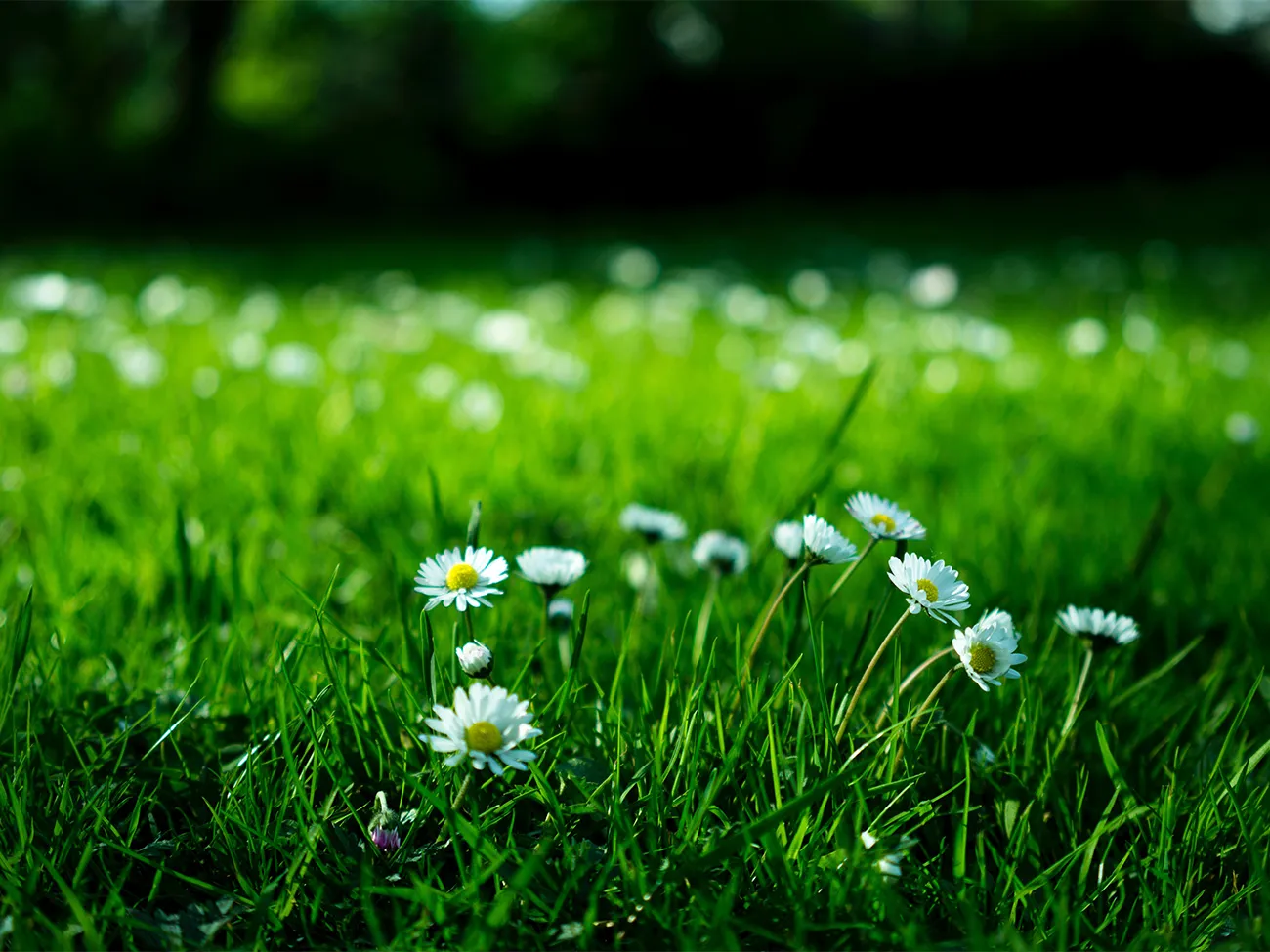
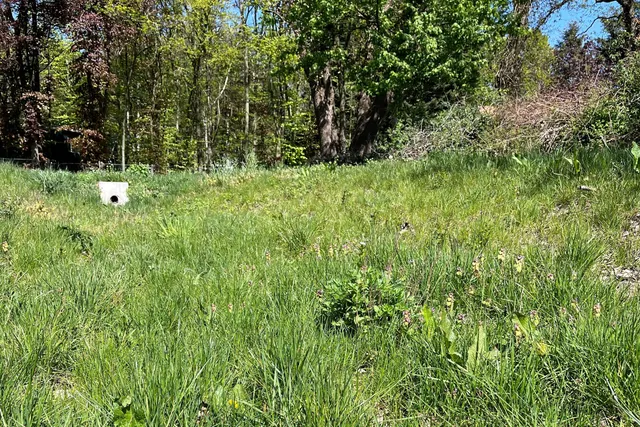
May, the month when every bird lays a proverbial egg and every patch of grass is allowed to grow and bloom freely. When lawnmowers fall silent for a month, all kinds of plants and herbs get the chance to flower, helping to boost the diversity of wildlife in our gardens. But there comes a point when you need to turn that meadow back into a lawn. Here’s how.
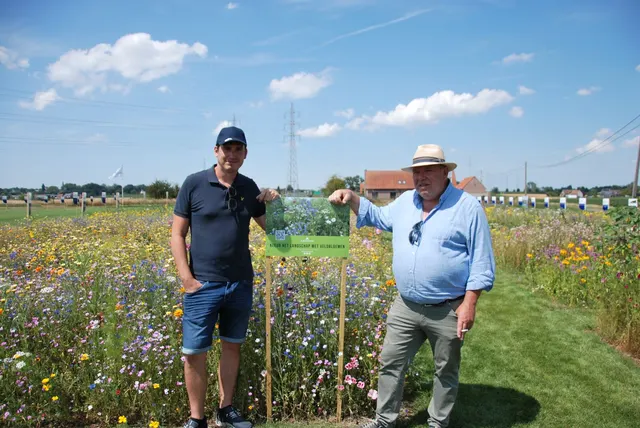
Next month, it’s time for No Mow May! It’s a great initiative that leaves the lawnmower in the shed for a whole month. The lawn is allowed to run free and develop into a carpet of flowers. You provide a real feast for the many insects and enhance biodiversity in the garden. It’s a wonderful story that warms the heart of anyone who loves gardens and nature. As a landscape contractor, of course, you also realise that this free-for-all needs to be managed, so months of care spent creating a beautiful ornamental lawn do not go to waste.
Mow gradually and scarify
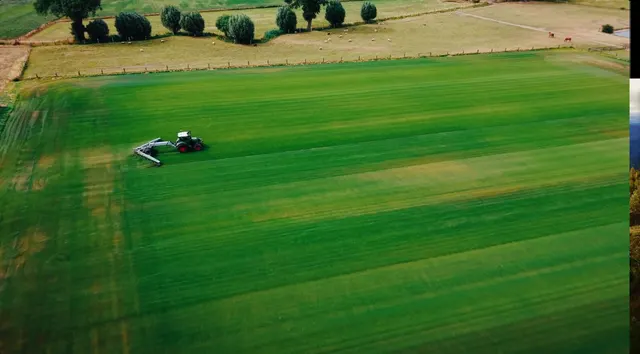
Once most of the flowers have disappeared in June, it’s best to get the mower going again. Bringing the grass back down to its usual height will take several mowing sessions, removing no more than one third of the grass height each time. This gradually reduces the amount of leaf growth, allowing the grass to adapt better and experience less stress. Always use a lawnmower with a collection box. This will collect weed seeds and reduce the risk of them spreading across your green carpet.
During the many weeks in which the grass has been able to grow long blades, it has also cast plenty of shade over the lawn surface. Leaves in this shaded area have died back, leading to a build-up of thatch in the lawn. Herbs and other plants that have grown vigorously in the meantime also need to be cut back. After a spell of boosting biodiversity in the lawn, using chemical weedkillers is out of the question. The lawn can only be cleaned up ecologically by mechanical means: scarifying is the answer.
Minimal damage
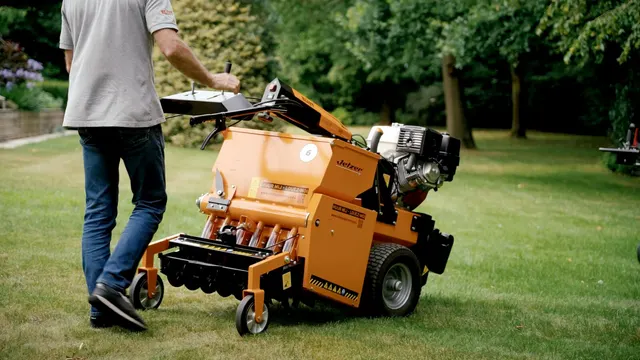
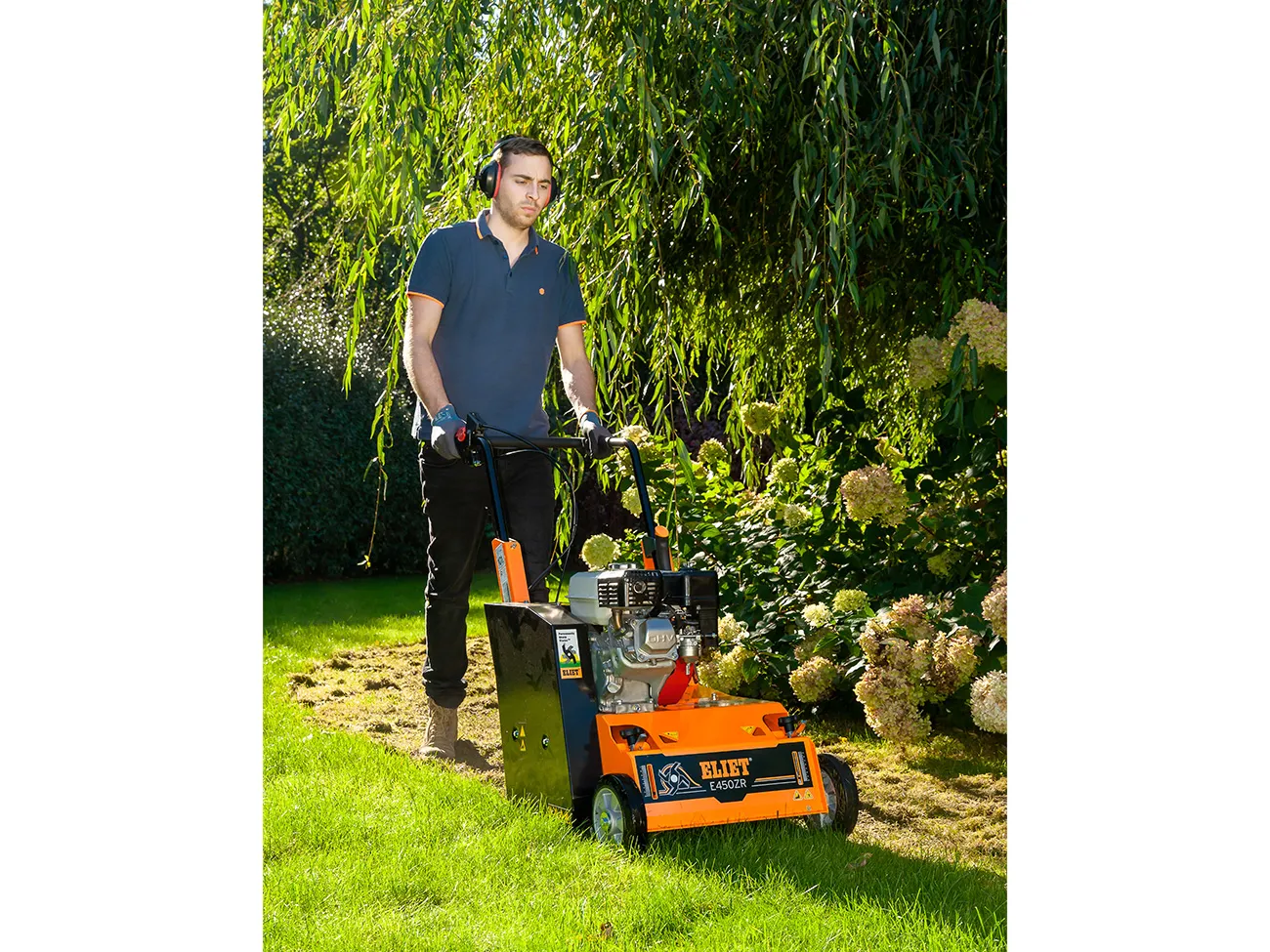
During scarifying, the blades cut vertically through the turf, scraping away excess thatch from the soil surface. Weeds and other plants in the lawn often have broader leaves than grass, so the scarifier blades mainly cut away this leaf growth. Stripped of its leaves, weeds are weakened and less able to hold their ground among the grass plants, which are unaffected by scarifying. The key is to use a scarifier that can comb through the turf very thoroughly while causing minimal damage to the grass.
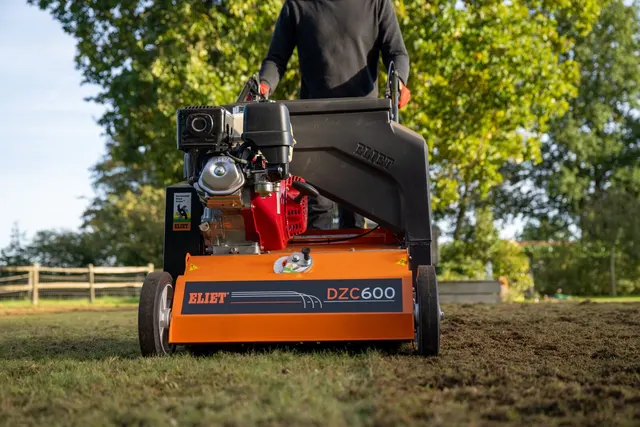
The new ELIET EZR scarifiers are particularly well suited to the job. The Double Cut blades on these machines are spaced just 1.5 centimetres apart, allowing them to cut through the turf very intensively while causing minimal damage thanks to their ultra-narrow width (1.5 mm). The blades also rotate against the direction of travel and remain sharp at all times, giving them a better grip on moss and thatch so they can lift it out of the turf more effectively. These machines are known for the quality of their scarifying: they remove moss and thatch from the turf with 30% greater efficiency.
The EZR scarifiers are self-propelled, so there is no need to push them and the lawn can be treated at a consistent speed, whatever the terrain. These professional machines come in different working widths (45 cm, 55 cm and 65 cm), so you can choose the ideal machine for the size of the garden. After scarifying, the lawn is clean again and the grass is ready for summer.
Overseeding
Once you have removed the weeds and moss, bare patches may become visible in the lawn. This is the perfect time to overseed. This introduces young grass into the existing lawn, making it more resistant to summer drought and lawn diseases. The additional grass increases plant density, which can also help suppress weed growth. With the right approach, you can have a clean, green ornamental lawn again in just a few weeks.
Question about this story? Ask your question
Keep following this
Get an email when a new story is published. No account needed.
- ThemeHard-wearing turf
- SubjectTurf management