Tips for restoring your lawn after a hot summer
Text Elise NoyezImage Advanta
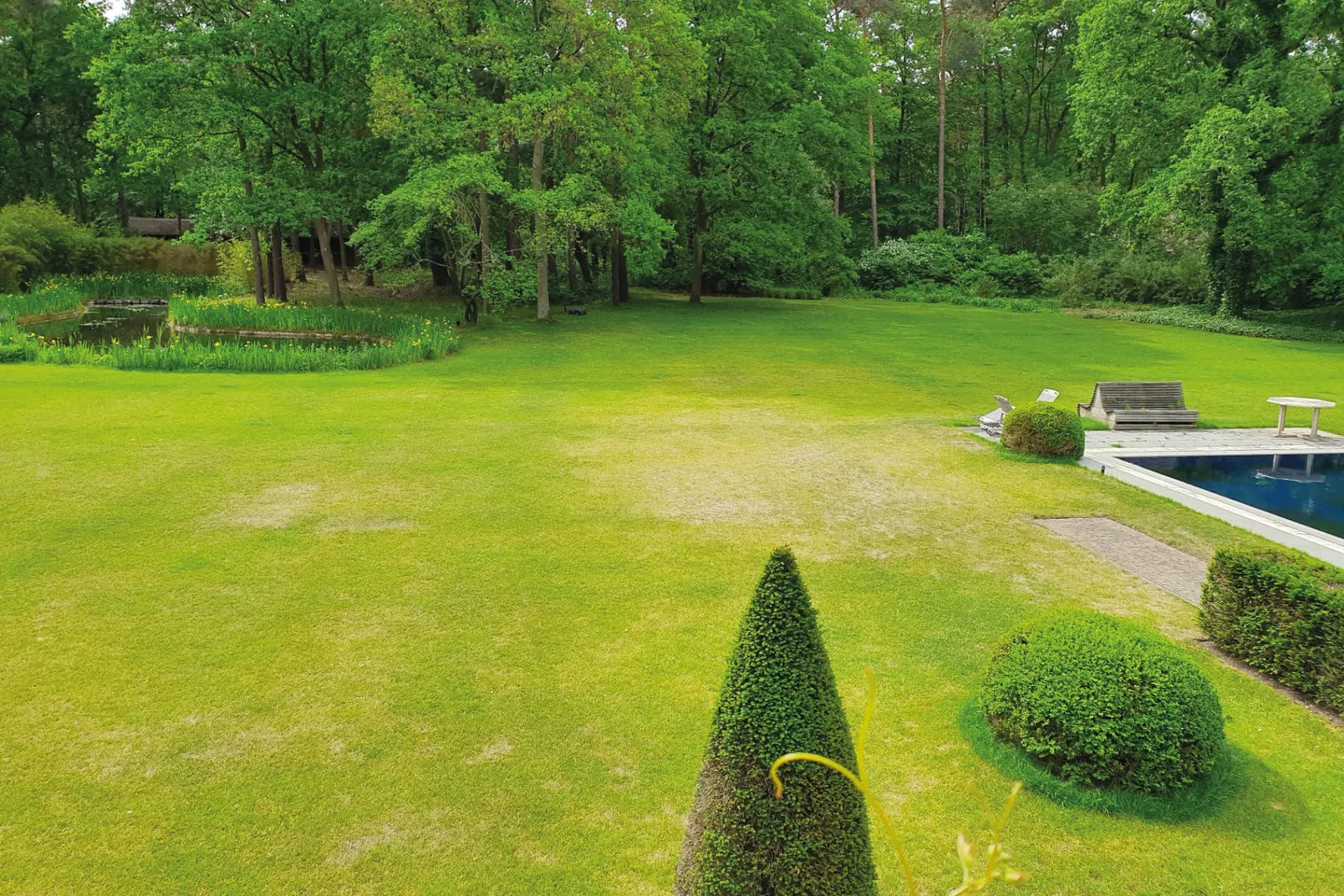
Once again, last summer was tough on our lawns. Heatwaves, weeks of drought and then a sudden downpour… The result: many lawns turned brown. How can you get your lawn green and healthy again in the coming months? According to Erik Truyers of Advanta, the idea that a lawn recovers by itself is a myth.
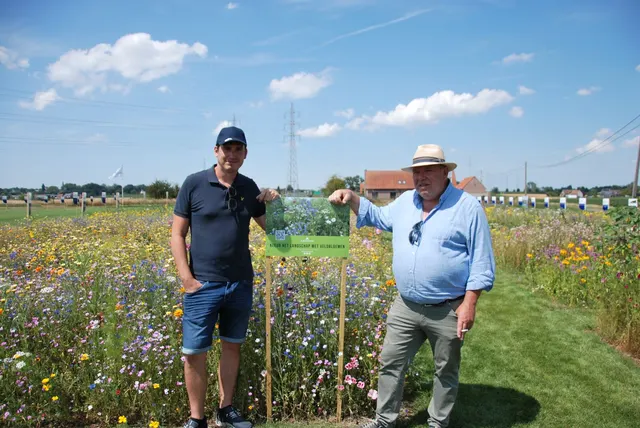
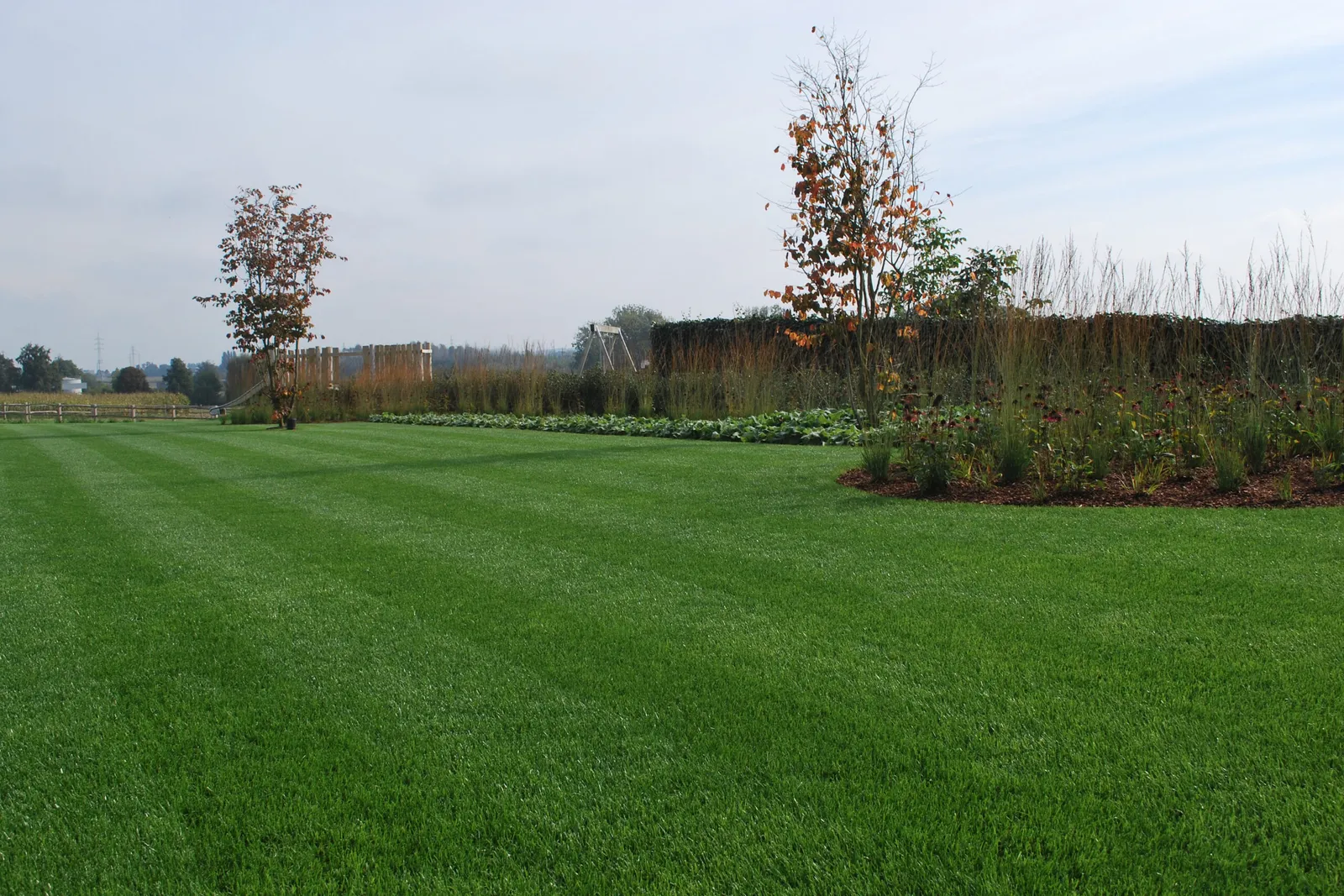
“A healthy lawn needn’t take hours of work or cost a fortune,” says Truyers. “Choose the right grass species when you lay the lawn and maintain it well, and it can last for decades, even in today’s climate. It comes down to keeping five basic factors in balance: light, air, water, nutrients and temperature. With a considered, moderate maintenance regime, that’s easy to achieve.”

Green doesn’t always mean healthy
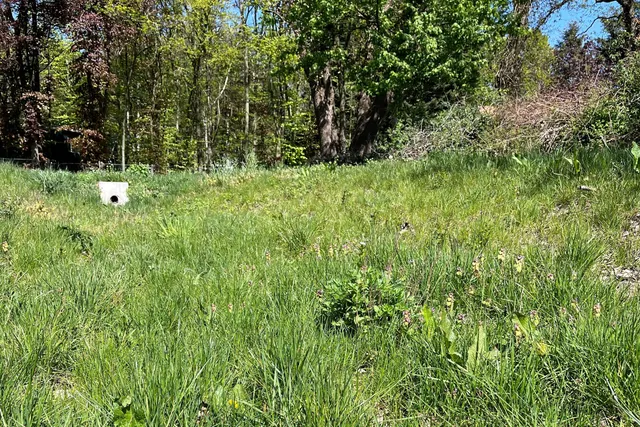
You often hear that grass will recover by itself after a drought. That’s partly true: brown grass isn’t always dead, as some species go dormant. But the longer the drought lasts, the more plants actually die. “Your lawn may look green again in autumn, but that doesn’t mean it’s the same sward. Bare patches, missing species, and more weeds and moss only become apparent in spring. That’s why you really do need to take action,” Truyers explains.
Prevention is better than cure
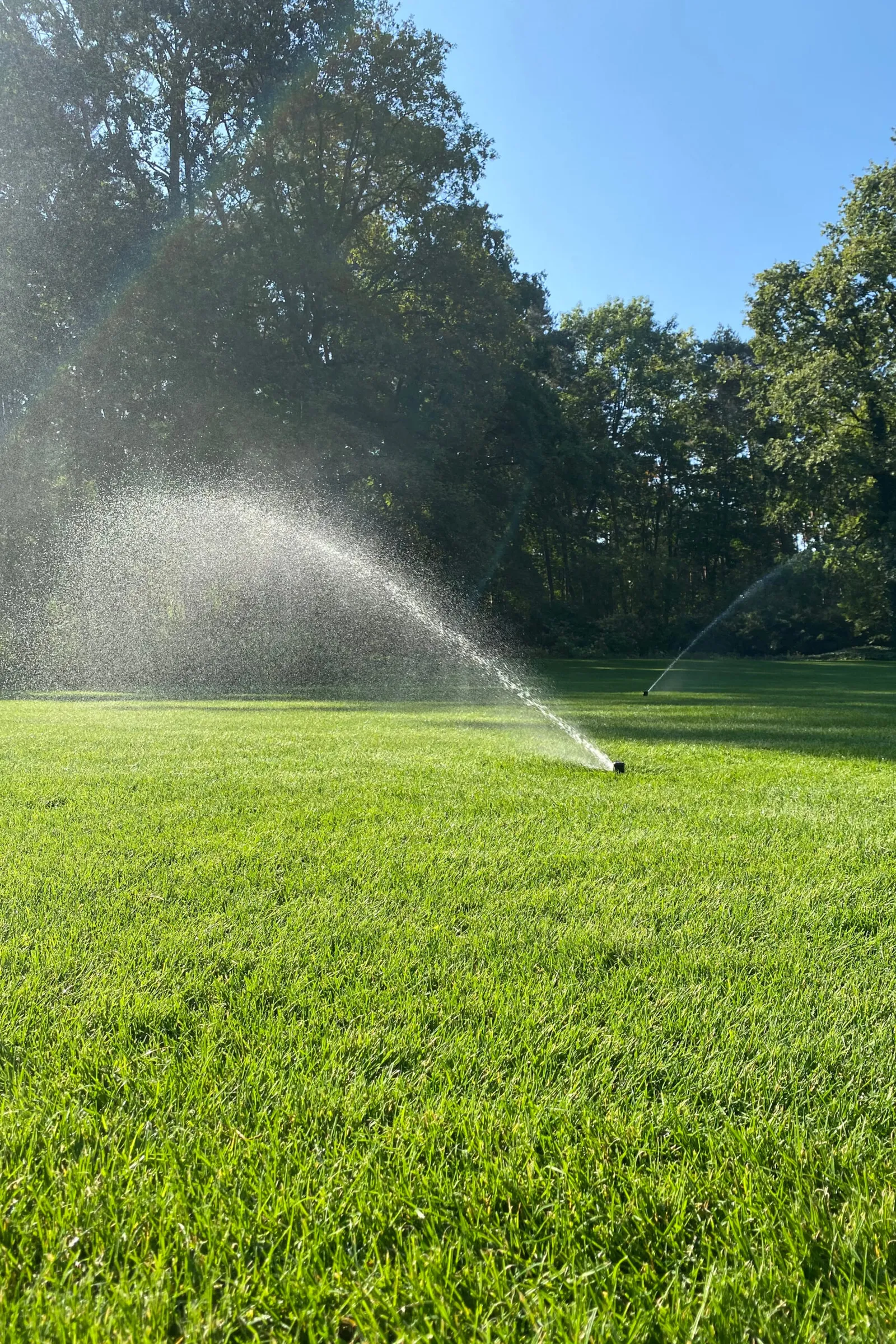
The best remedy is to water occasionally during dry spells. “You don’t need an expensive irrigation system,” says Truyers. “Watering once a week may be enough to keep the roots alive. That costs much less than laying a new lawn afterwards.”
First aid for your lawn
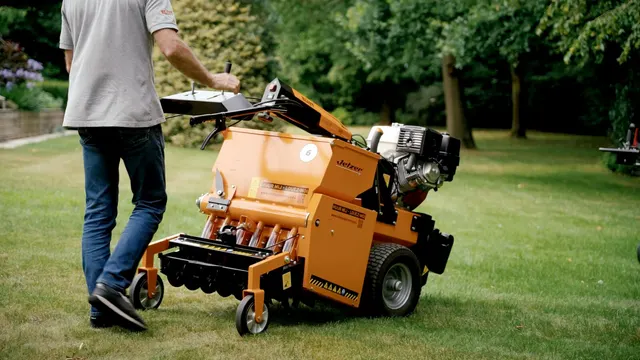
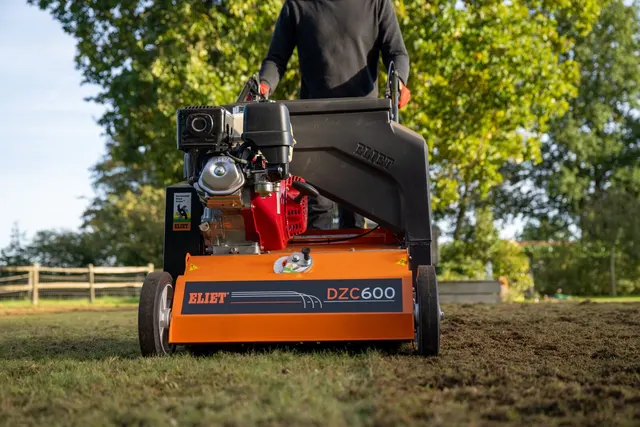
Didn’t water your lawn this summer, and did it take a battering? Truyers says late September is the ideal time to scarify and overseed. “Many people wait until spring, but temperatures are still ideal now. You can scarify less aggressively, and the sward will have recovered by November. That way, the lawn can go into winter in good health.”
Get through winter in good shape
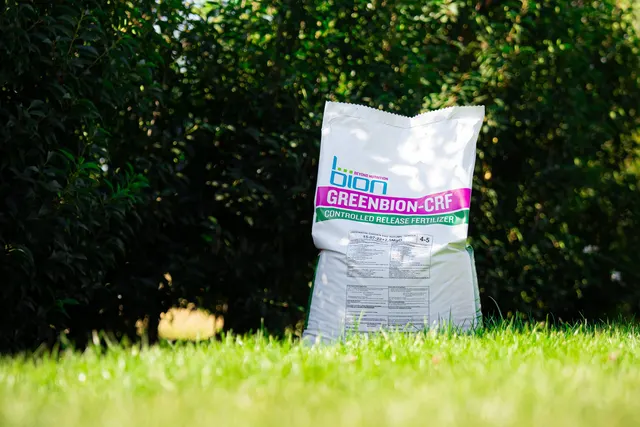
Truyers emphasises the importance of proper winter fertilisation. “We often focus on fertilising in spring, but winter fertilisation is actually the most important. Use a slow-release fertiliser containing mainly potassium. Nitrogen and phosphorus are only needed later.”
He has one more tip. “Have a soil analysis carried out. That way, you’ll know exactly what your soil and grass need. Often, that means using less lime and less fertiliser. That’s good for the lawn, your wallet and your workload.”
Question about this story? Ask your question
Companies in this story

Keep following this
Get an email when a new story is published. No account needed.
- ThemeHard-wearing turf
- SubjectTurf management
- CompanyAdvanta