Aesthetic, durable and safe paving
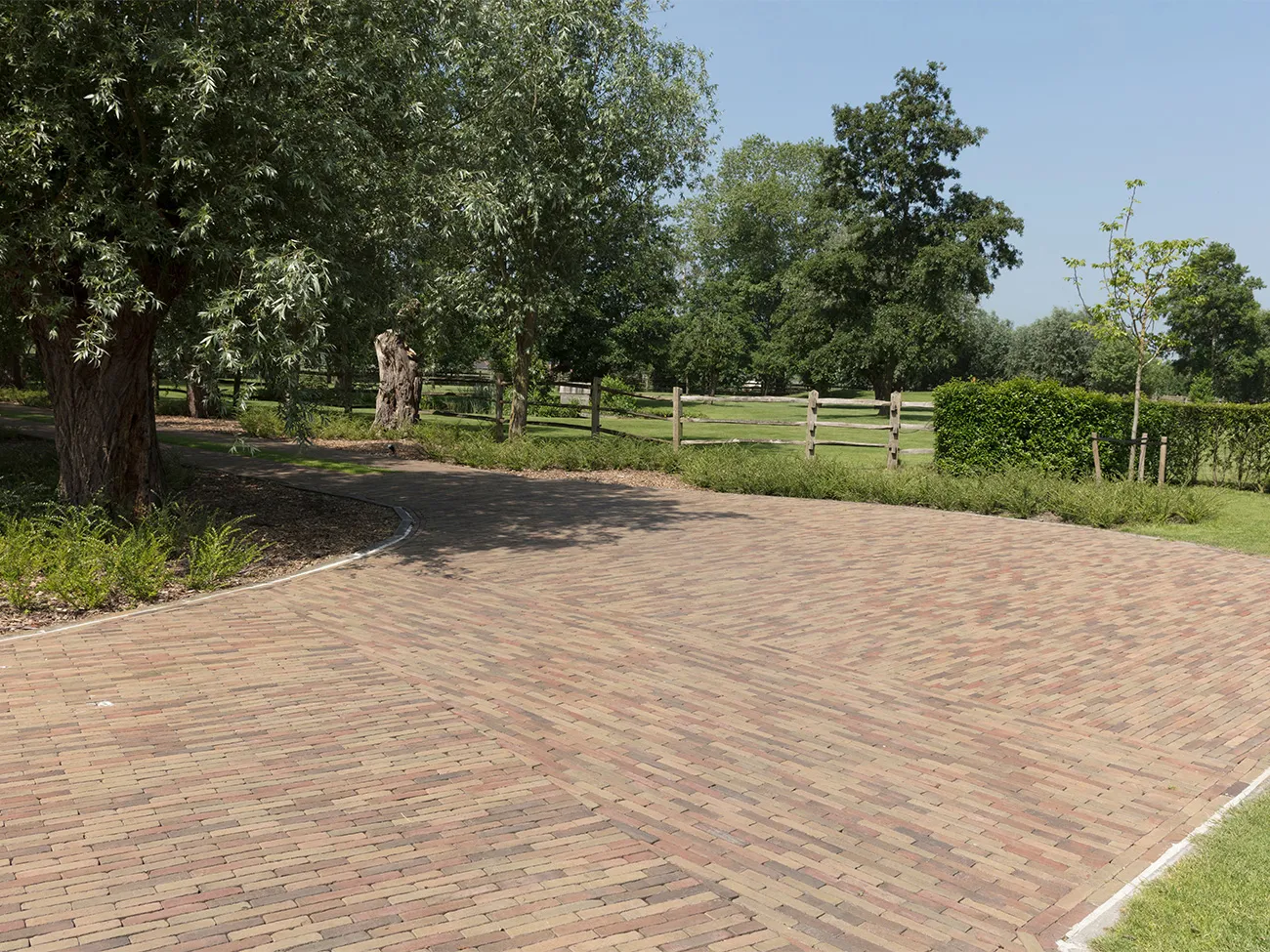
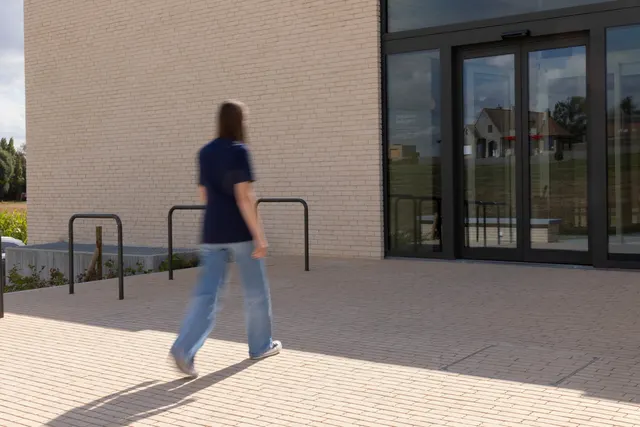
When you think of clay pavers, you may picture a garden path or the edge of a swimming pond. However, many Wienerberger clay pavers are also perfectly suited to areas that need to withstand heavy use, such as car parks, streets and squares. So why not choose this attractive, durable paving material for your public project?
Natural clay pavers have a beautiful, authentic appearance. They are also durable, colourfast and hard-wearing. Even in extreme conditions, such as severe frost and heavy pressure, Wienerberger clay pavers have an average lifespan of 125 years. On roads, they offer two further advantages: paving in a herringbone pattern reduces the noise from through traffic by a few decibels, and drivers automatically travel more slowly on clay pavers than on asphalt or concrete roads, improving road safety. Have you made your choice? We would be happy to share a few tips.
The impact of size
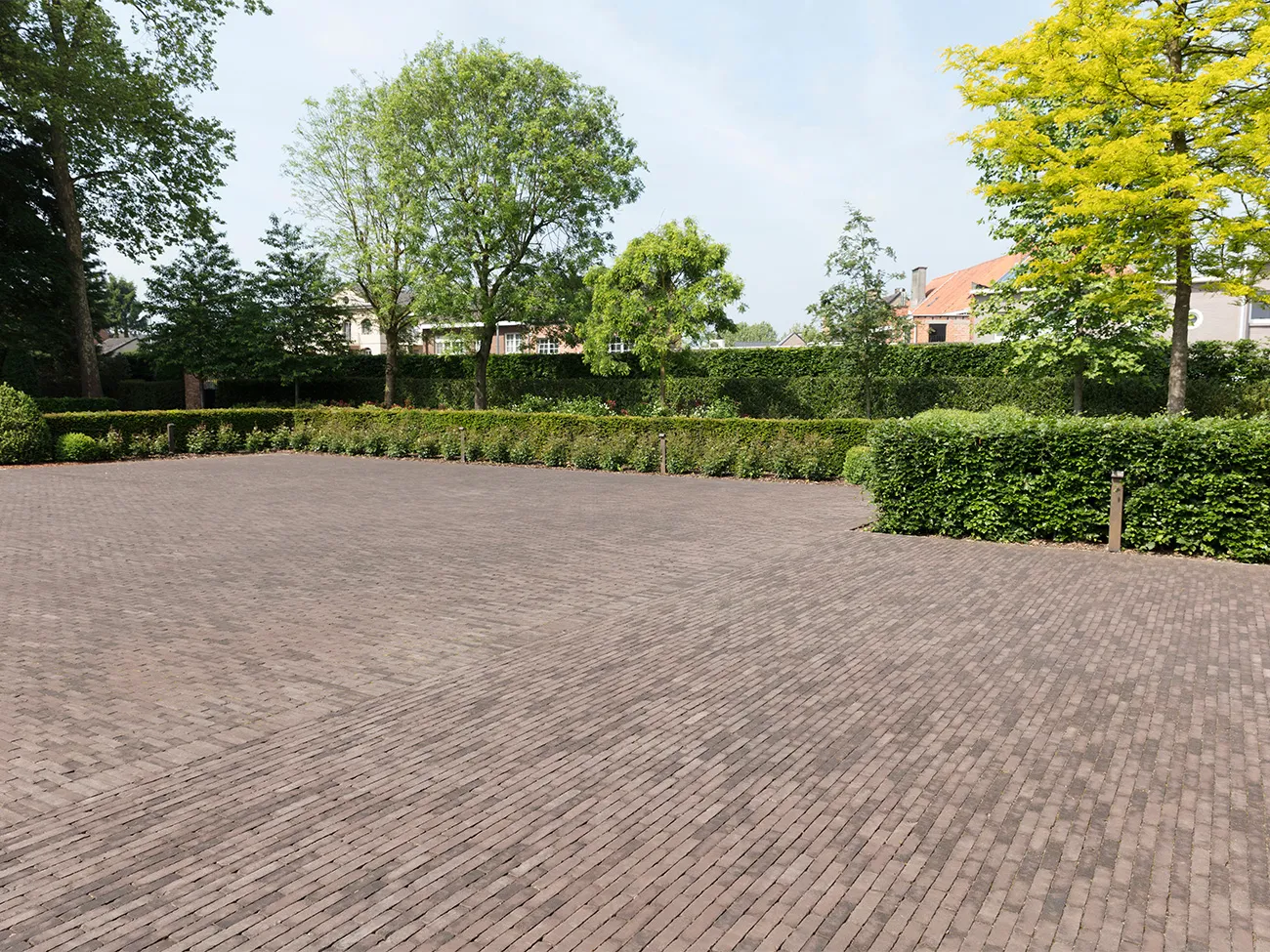
Once you have chosen the ideal clay paver for your project from the many colours and textures in the Wienerberger range, the next question is which size to choose. For public applications, the manufacturer recommends slightly thicker models in a larger format than those used for private projects.
Large and extra-large formats are quick and easy to lay, reducing the number of labour hours required. Material costs will also be lower, and the smaller proportion of joints makes maintenance easier. The most suitable options for roads and public spaces are therefore the traditional rectangular, slightly wider Waaldik format, the Kwadratacollectie in tile format, offering the strength of pure ceramic pavers, and the more robust-looking odd sizes in the Scala range, available in an extra-long version and in keiformaat.
A durable laying pattern
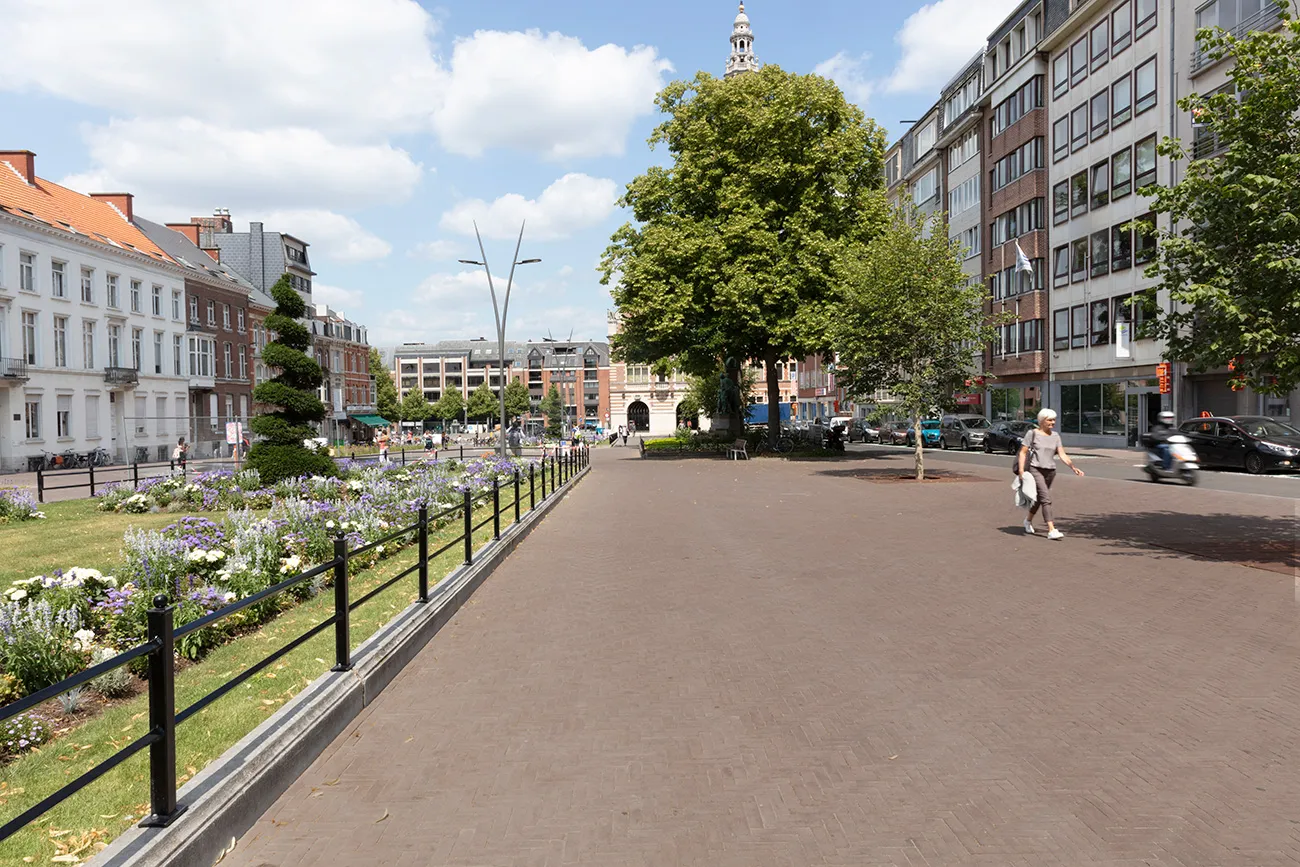
The choice of bond or laying pattern also has an impact beyond aesthetics. It is important to take account of the type of load on the road surface. In stretcher bond, the clay pavers are laid at right angles to the direction of travel, with each row offset by half a paver. This pattern offers less resistance to the twisting forces exerted by heavy or turning vehicles. A herringbone pattern is created by laying the clay pavers at a 45-degree angle to the base, turning each successive paver by a quarter turn. This requires a little more cutting and creates slightly more waste, but is less susceptible to the braking and acceleration forces of slow-moving, heavy and turning traffic.
Elbow bond uses the same pattern as herringbone, but is laid along the axis of the road, without a 45-degree angle. It is slightly less stable than herringbone in the longitudinal direction. It is therefore particularly suitable for areas subject to lighter loads, such as parking bays.
Loose or fixed joints?
The most popular clay paver jointing material is loose sand with a maximum grain size of 1 to 2 millimetres. It is inexpensive and quick to install, and makes it easy to replace pavers. To prevent weeds growing in the joints, you can opt for a slightly more expensive fixed fill, using weed-inhibiting sand, bound sand or synthetic resin. With loose materials, joints should ideally be 2 to 3 millimetres wide to provide high resistance to movement and minimise the risk of joint erosion. With fixed, closed joint fills, joints must be at least 3 millimetres wide, and the surface must have a slope or drainage to allow water to run off.
Permeable paving
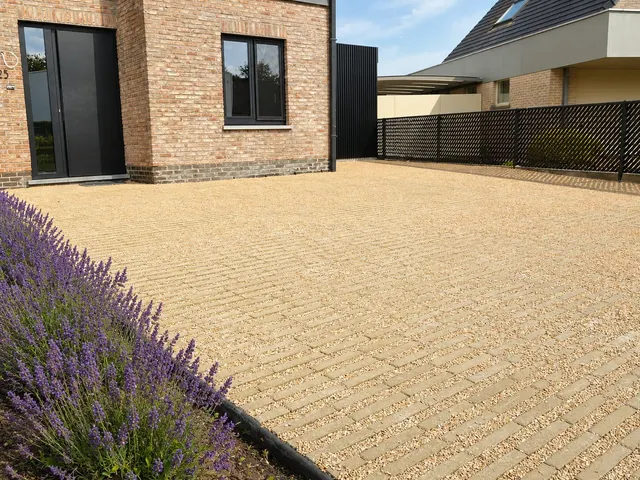
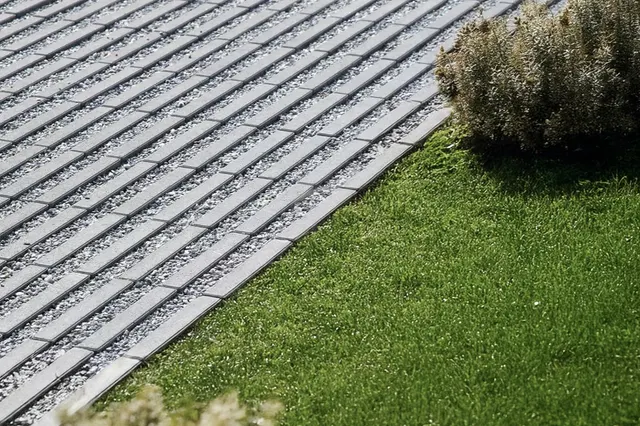
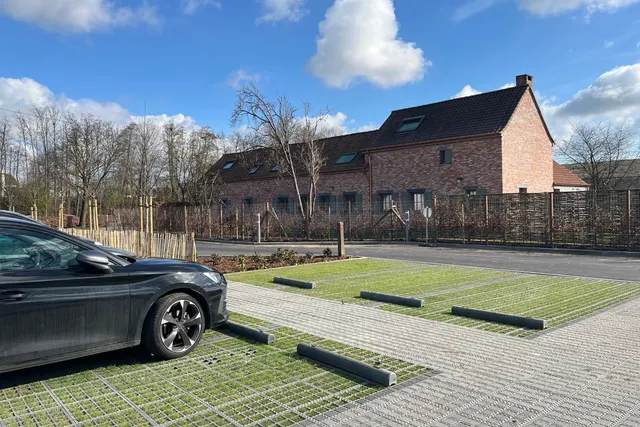
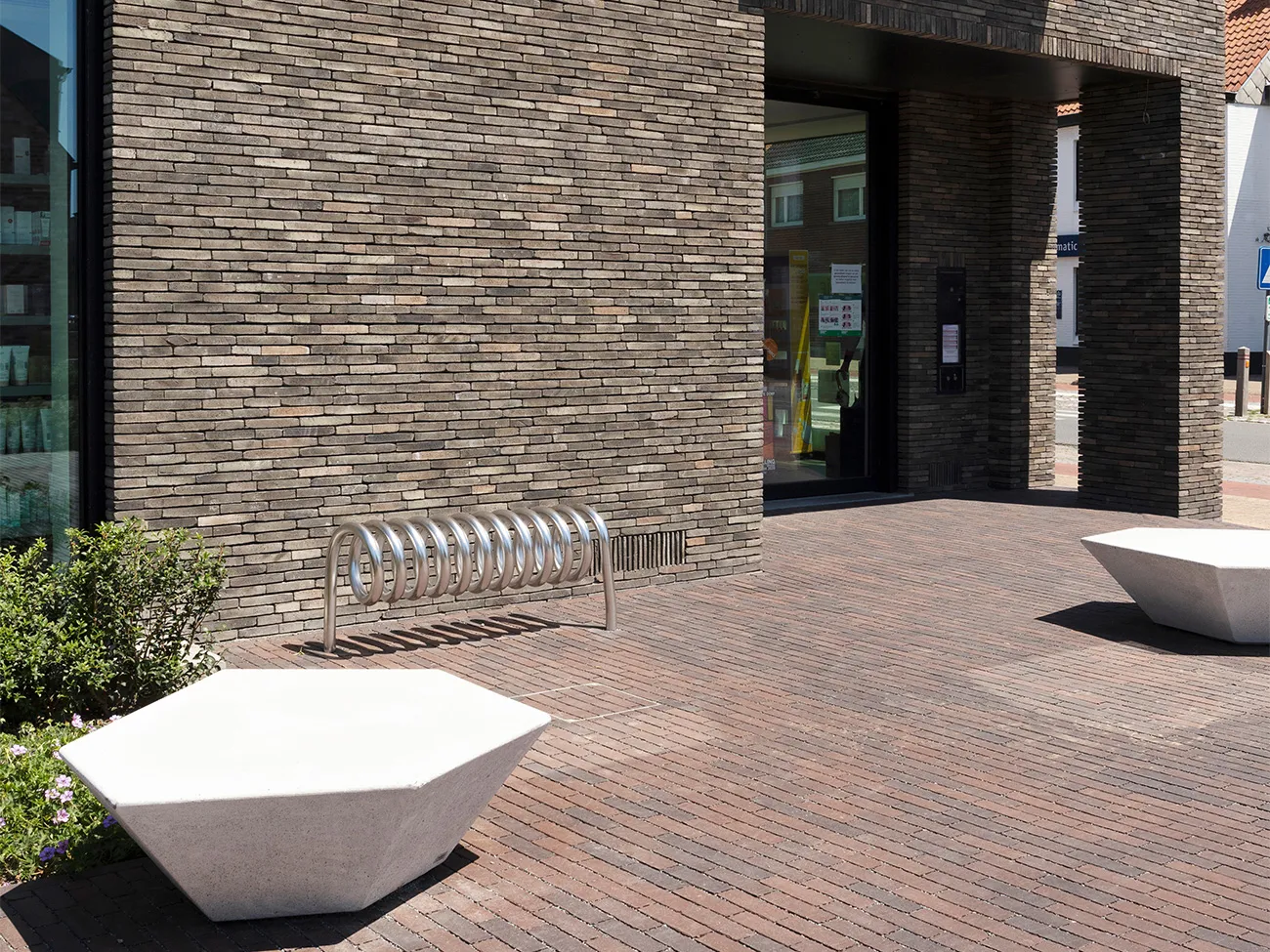
Passaqua clay pavers have spacers, allowing them to be laid with 6-millimetre-wide joints. This allows rainwater to seep easily into the ground. The paved surface comprises around 10% joints, the minimum required for permeable paving. Passaqua clay pavers are comfortable to use, making them a popular choice for those seeking high-quality paving materials. They are suitable for patios and driveways around private homes and in residential developments. They are equally at home in public spaces such as car parks, squares, cycle paths and fire-service access routes.
Question about this story? Ask your question
Companies in this story
Keep following this
Get an email when a new story is published. No account needed.
- ThemeWater and hard landscaping in the garden
- SubjectPaving
- CompanyWienerberger