Clay pavers: a unique look for every project
Text Sara DekeselImage Wienerberger
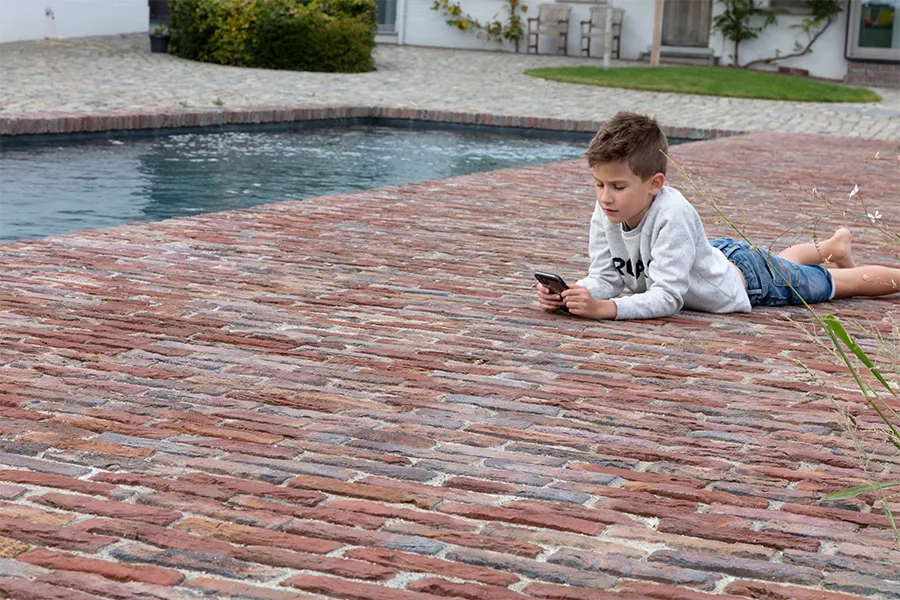
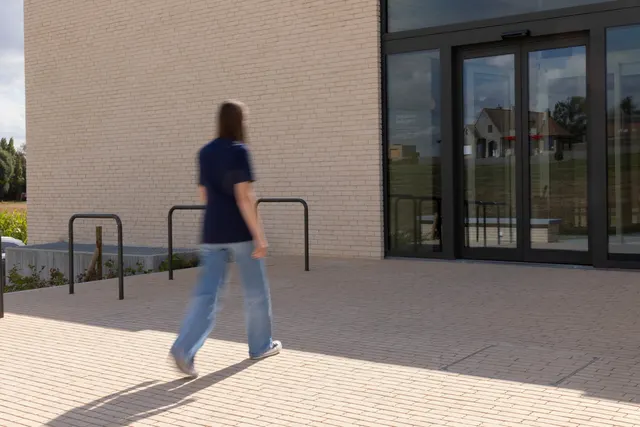
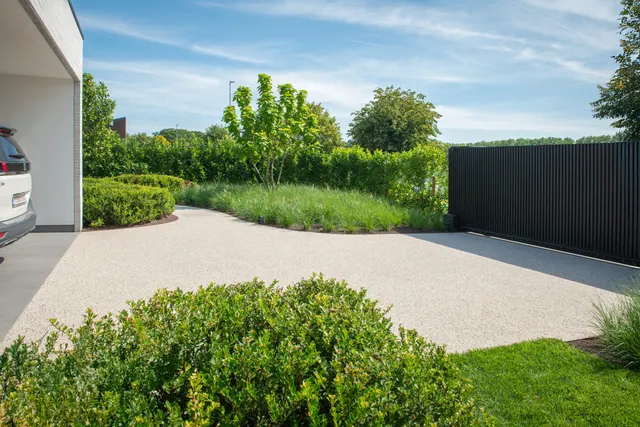
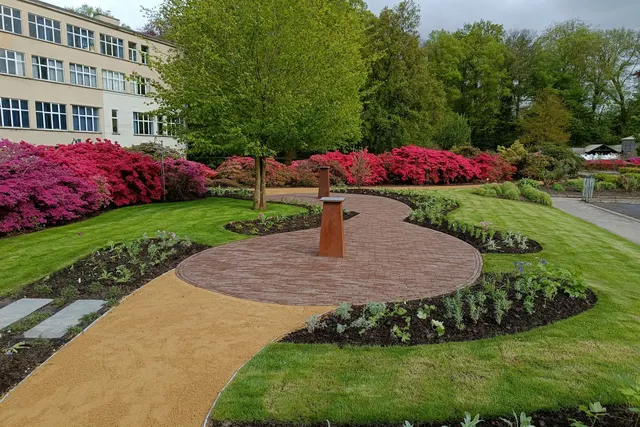
Clay pavers are a popular choice for patios, driveways and garden paths. Their countless colours, sizes, textures and possible laying patterns give you, as a landscaping professional, plenty of creative freedom in your designs. This makes it easy to incorporate clay pavers stylishly into any project. They also offer a host of practical benefits that will quickly win your clients over to this natural material choice.
No two pavers are the same
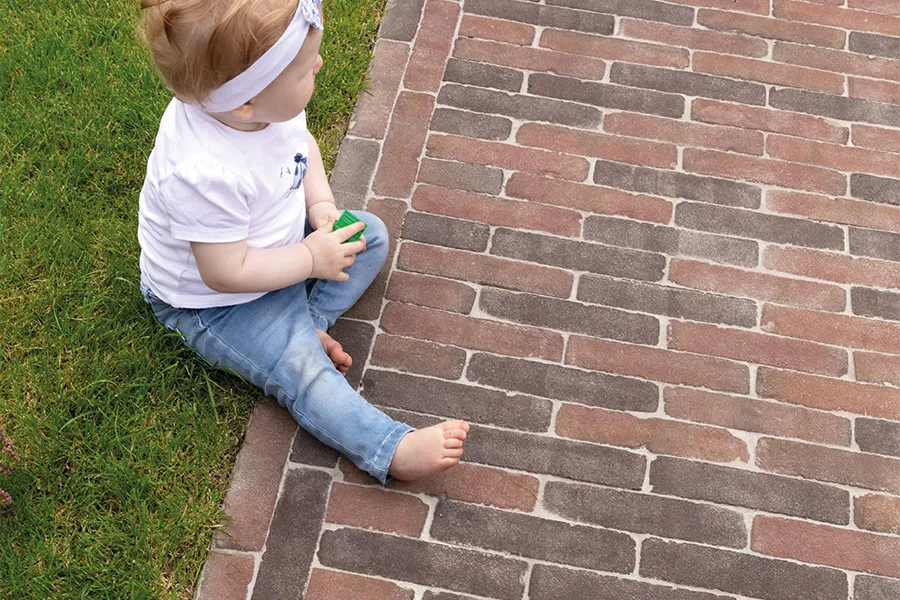
The colour of a clay paver depends on where the clay was extracted, the types of clay used and the firing process. This results in an endless palette of colours with subtle variations, making every clay paver unique. Firing techniques and finishing methods create variations in texture. For example, clay pavers can be tumbled to give them an authentic, weathered look.
Ageing only makes them more beautiful
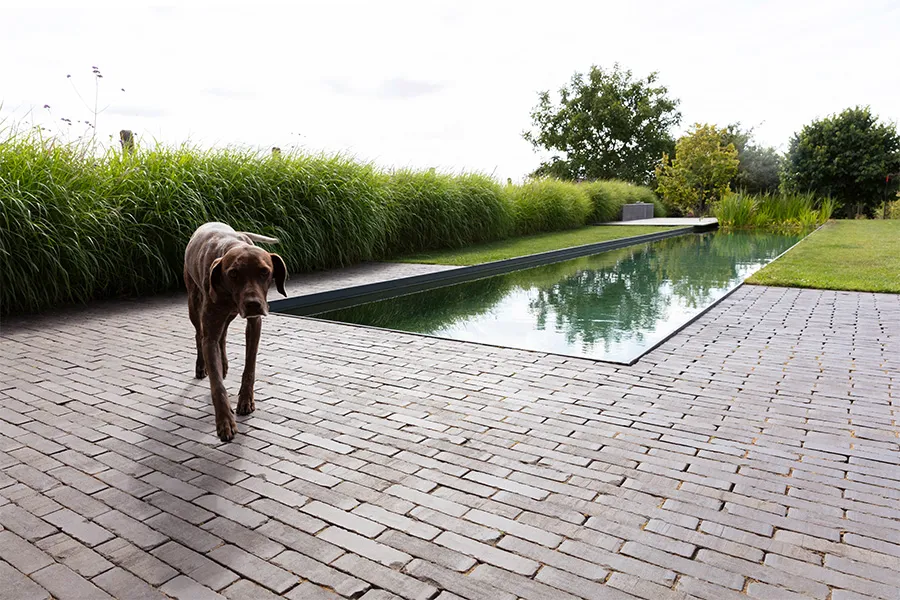
Clay pavers never lose their colour. That is because they are naturally coloured throughout, without the use of dyes. Over the years, weathering makes them even more beautiful. They retain their shape as well as their colour. Even extreme frost cannot cause clay pavers to crack or split. Their exceptional dimensional stability is thanks to the natural properties of clay and the production process. Clay pavers are shaped under pressure, dried and fired at around 1,100 °C, ensuring exceptional hardness.
Easy to maintain
The same specialised production process also results in low porosity. This makes clay pavers less susceptible to moss and algae growth. They are therefore an ideal low-maintenance material. An annual clean with a pressure washer and any standard cleaning product is all it takes to keep them clean.
A natural, sustainable product
Clay, a renewable material, is the main raw material used to make clay pavers. It is harmless to people and the environment, and is abundant in our region. The production process, using fire, water and clay, is also 100% natural. Thanks to their composition and high-temperature firing process, clay pavers can withstand extreme conditions such as frost and heavy loads. They last an average of 125 years, with no noticeable wear.
Circular and water-permeable
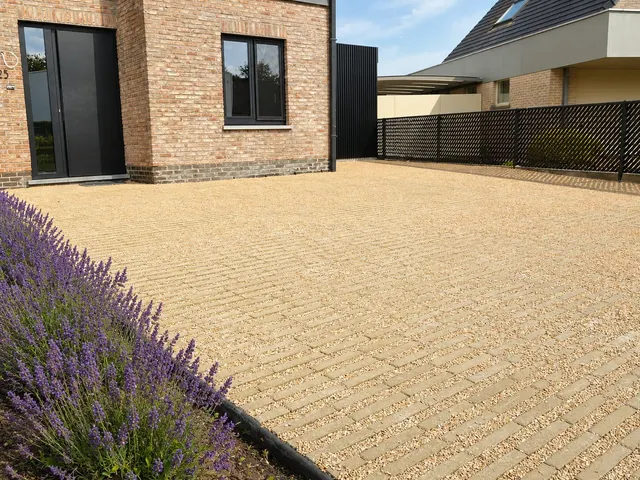
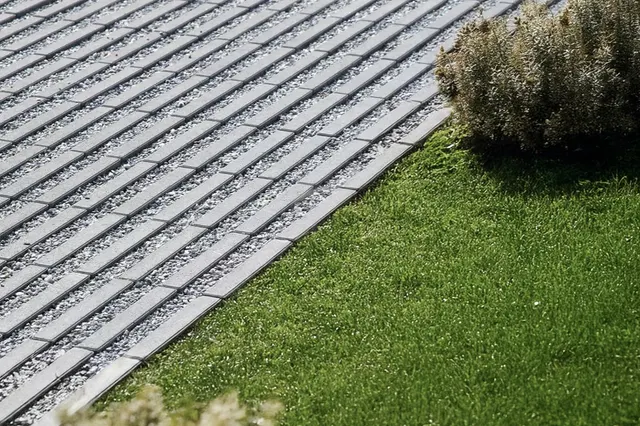
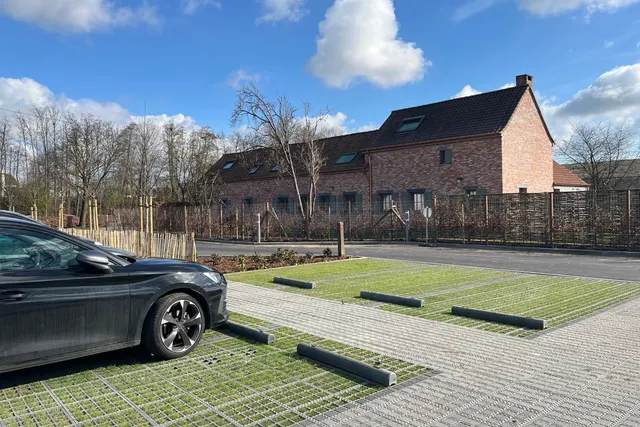
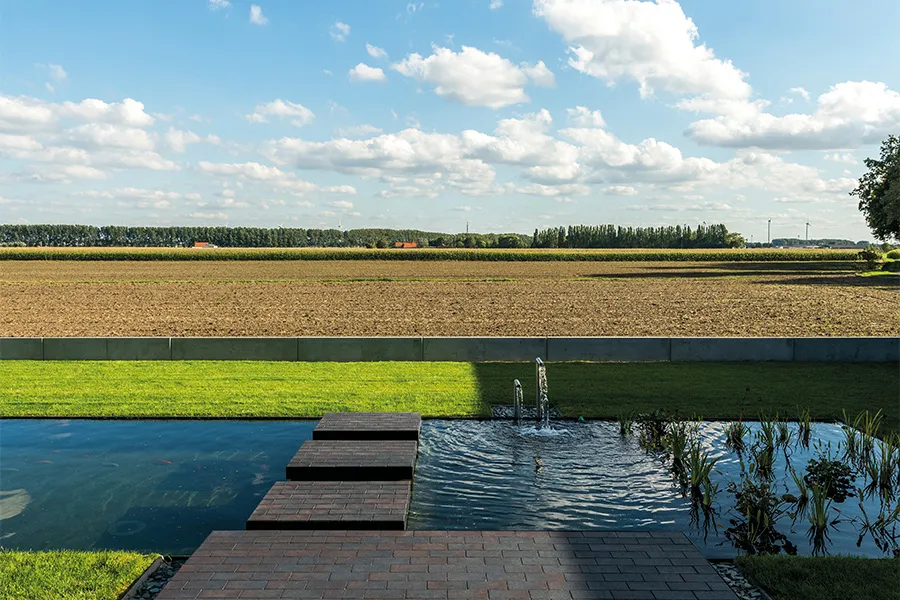
Thanks to their durability and the way they are laid, clay pavers that are no longer needed can easily be reused or recycled. Almost all Wienerberger clay pavers have been awarded the DUBOkeur, proof that they are an environmentally friendly choice. Passaqua clay pavers offer an additional environmental benefit. Their lateral spacers create wider joints, allowing rainwater to infiltrate the ground. This reduces the risk of flooding and raises the groundwater level. With a 10% joint area, Passaqua pavers can officially be used as permeable paving.
See for yourself
Visit www.wienerberger.be to explore the manufacturer's clay paver collections. You can get a good idea of the wide range of colours, sizes and textures on offer. At the Wienerberger showrooms in Kortrijk and Londerzeel, you can see the full range in person.
Did you know?
The Londerzeel showroom has had a complete makeover! It has been transformed into an immersive experience centre featuring innovative digital tools. Visitors can now be informed and inspired in a contemporary way. Drop by soon for a digital journey of discovery.
Een zakelijke vraag aan Wienerberger? Get in touch
Companies in this story
Keep following this
Get an email when a new story is published. No account needed.
- ThemeWater and hard landscaping in the garden
- SubjectPaving
- CompanyWienerberger