Innovative, sustainable concrete to tackle flooding
Tile lifting is a trend that has blown over from our northern neighbours. It involves competitions between municipalities to remove as many paving tiles as possible. The idea fits within the wider drive to unseal the ground and address the problem of too little water infiltrating the soil. At Ebema, whose Belgian Eurodal office is in Grobbendonk, they see this as a good initiative, but certainly not the only way to encourage water infiltration into the soil.
There is no doubt that the excessive use of impermeable paving in our country is ecologically unsustainable. As a concrete specialist, Ebema fully supports the aim of making villages and cities more climate-resilient. But however simple the solution may sound, simply removing paving everywhere is not necessarily the best option.
The comfort of smart paving
Ebema naturally welcomes initiatives such as tile lifting. They raise awareness of the need to think carefully before paving every square centimetre of the ground. They also highlight the importance of good water management. Ebema is committed to this too, because this innovative company wants to improve the living environment together with everyone.
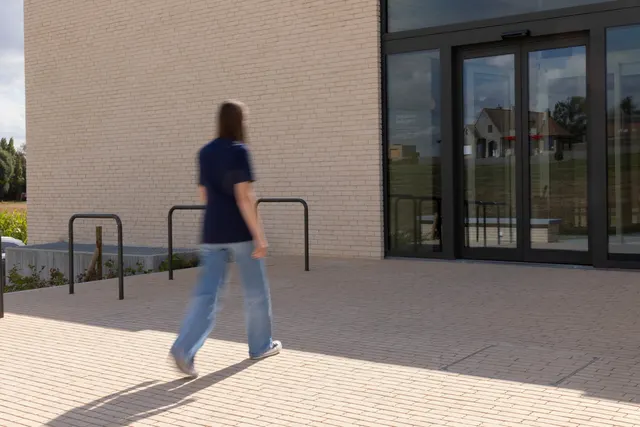
Laurens Grossard, marketing at Ebema/Eurodal: “In practice, of course, there are specific places where paving is necessary, for the comfort and safety of all road users. And remember that people with mobility or visual impairments really do need those tactile paving tiles on pavements and in other public places.”
Alternatives that bring both sides together
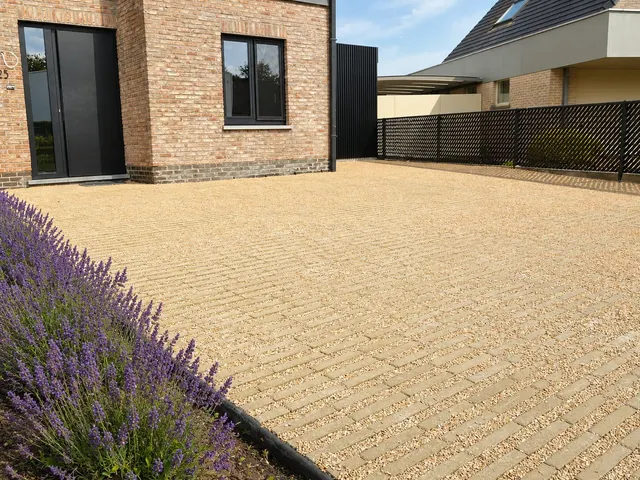
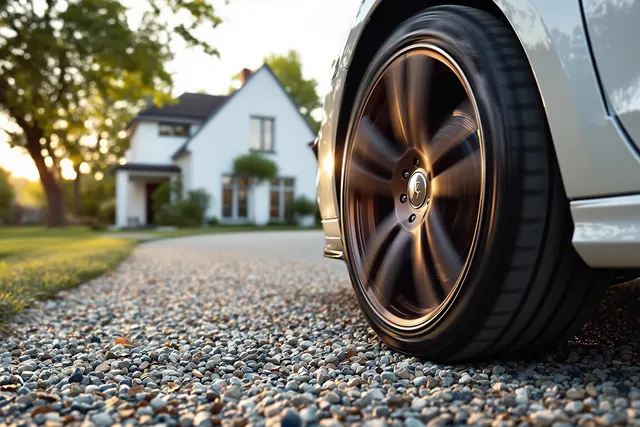
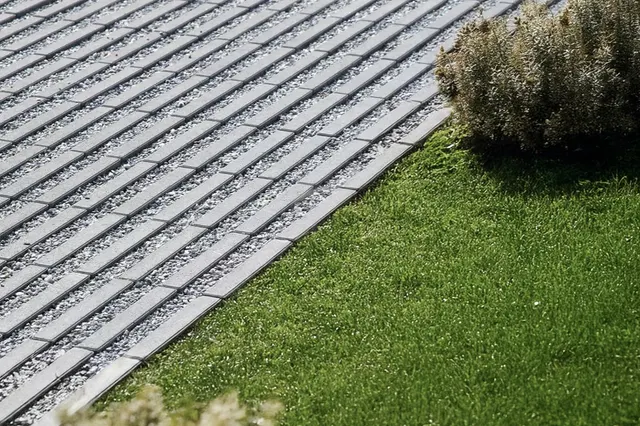
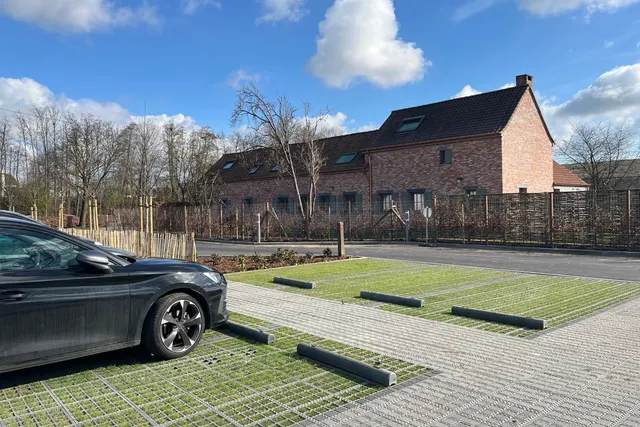
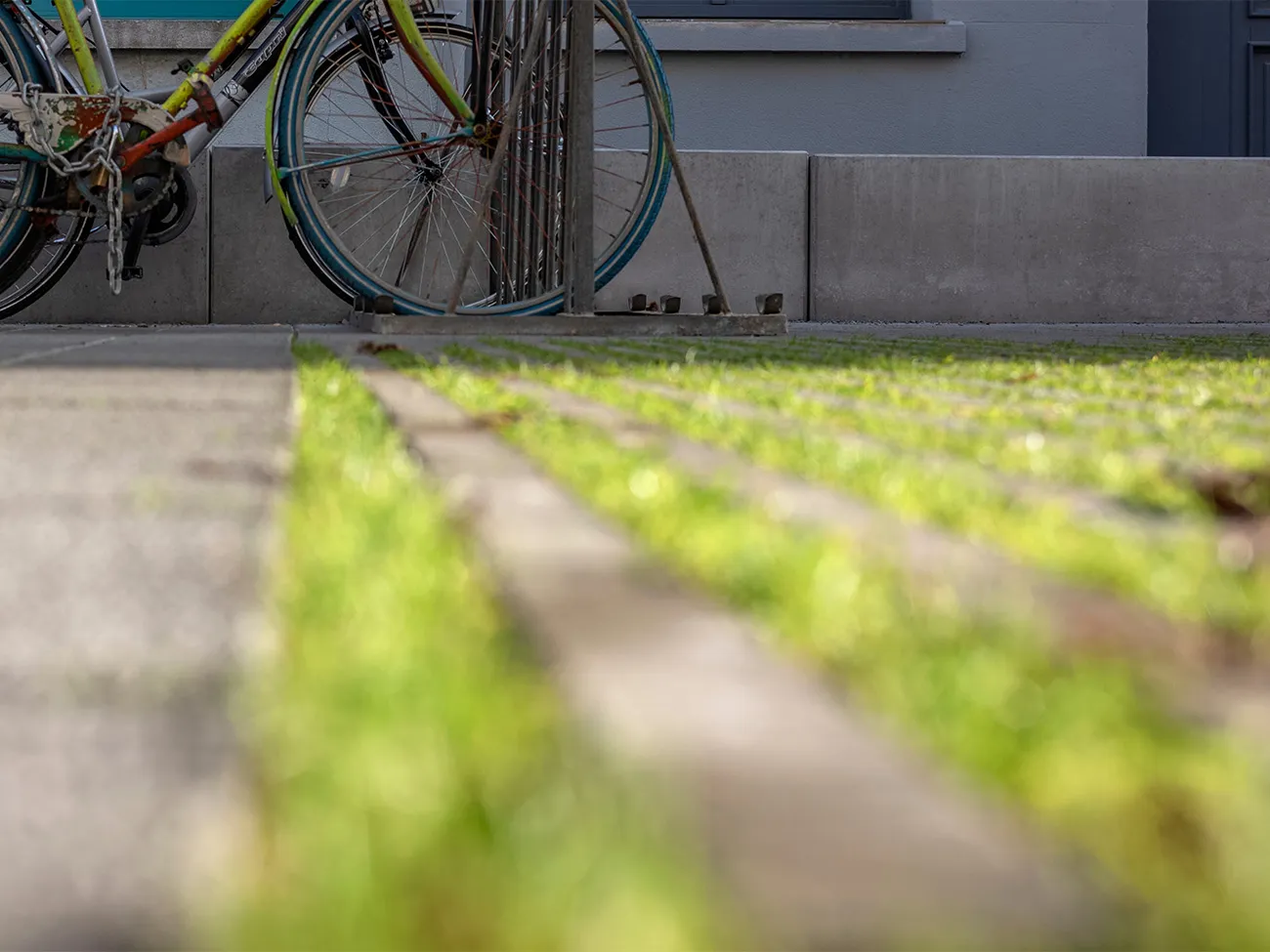
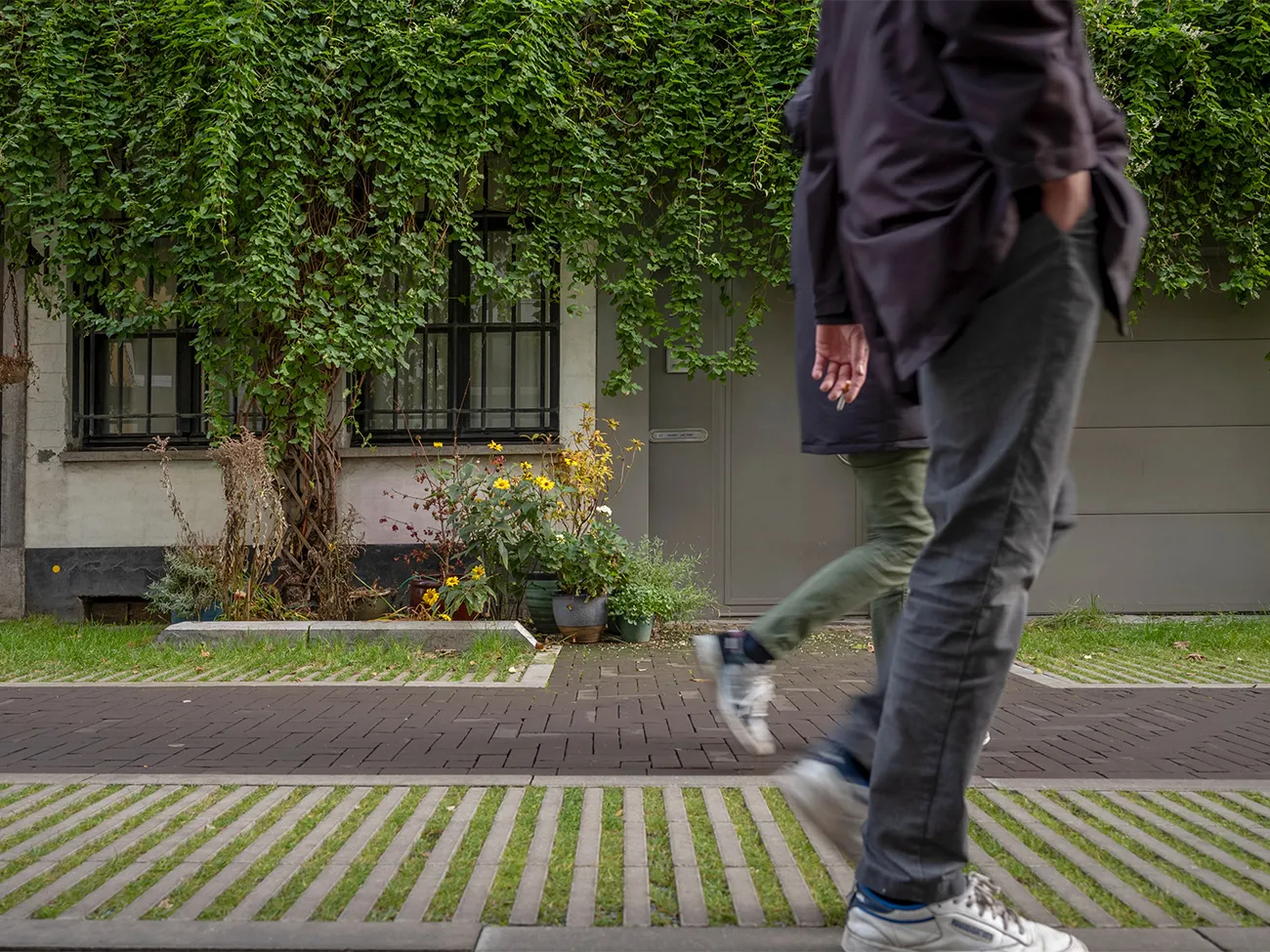
Fortunately, it does not have to be an either-or situation. There are plenty of alternatives that combine comfort with water infiltration. Ebema_LivingCity has been developing water-permeable and permeable paving tiles and blocks in precast concrete for many years. They are available in the Eco Solutions range. Specially adapted patterns create small openings that let rainwater through. This can be achieved, for example, by using wide joints filled with grass, gravel or pebbles, giving rainwater every opportunity to seep into the soil. Paving, but without the negative consequences for the planet.
Antwerp and Ostend
A striking example is the project with the city of Antwerp: the Tuinstraat. As the climate warms and flooding becomes more frequent, the answer is to add more greenery. That is why a ‘Tuinstraat’ is being created in five Antwerp districts: a street that has been unsealed and, above all, smartly paved.
Laurens Grossard: “The Tuinstraten in Antwerp serve as a green lung in the heart of the city. Installing water-permeable paving tiles on a permeable sub-base promotes water infiltration. This provides efficient and ingenious irrigation for the greenery.”
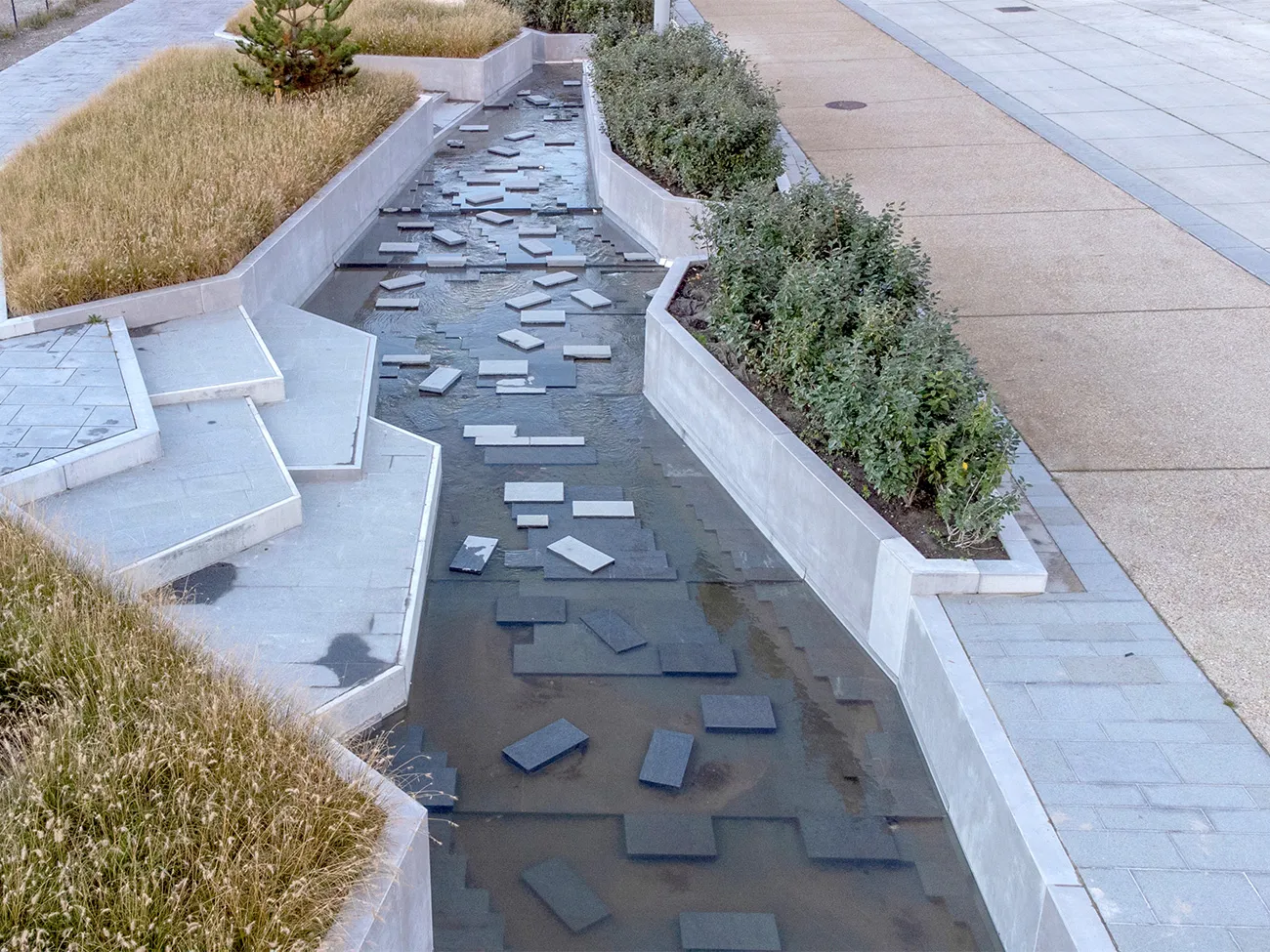
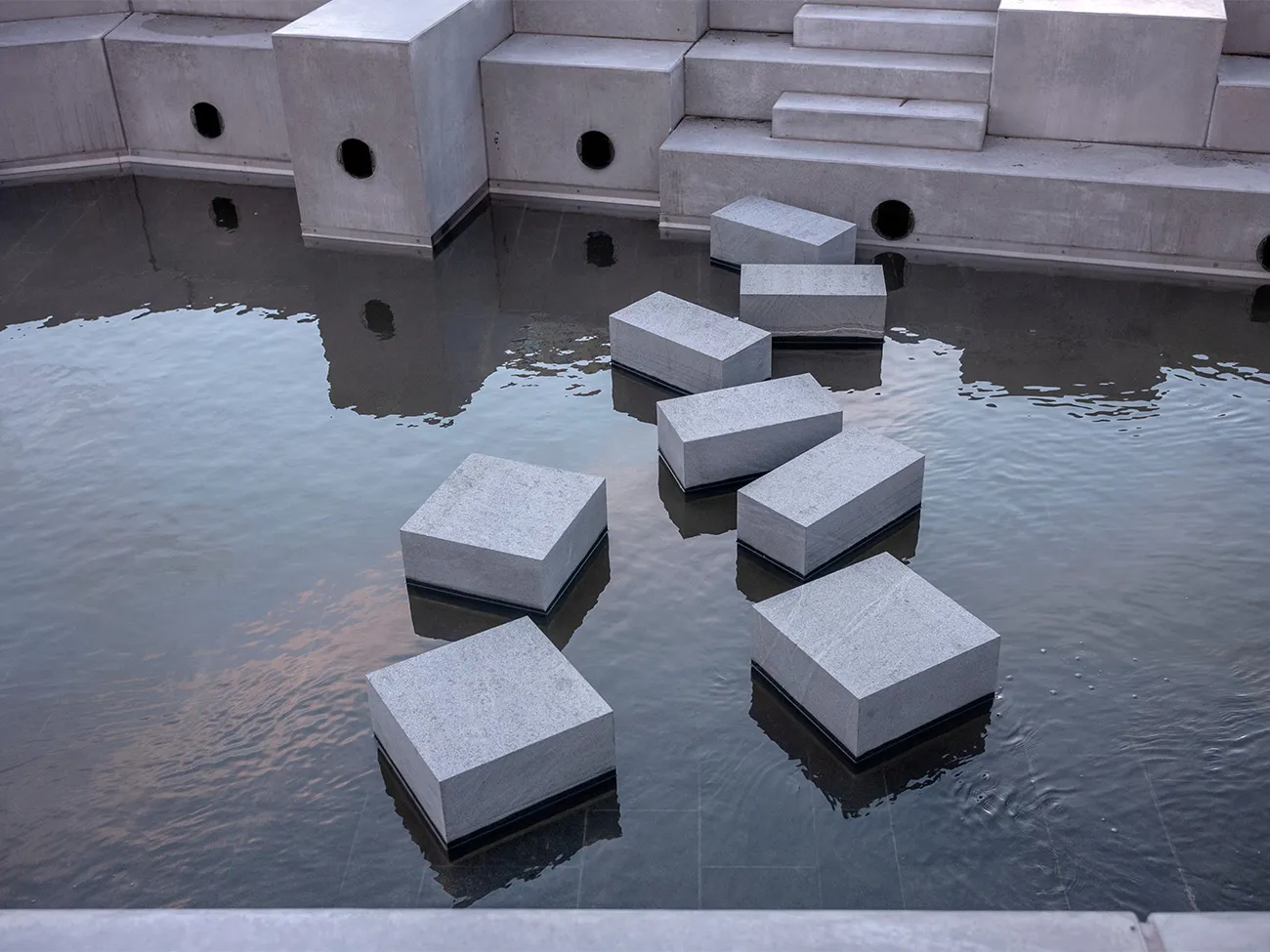
“We have also been at work in Ostend. The CityRiver project embodies the sustainable redevelopment of the former industrial maritime site on the Oosteroever, with an innovative sewerage and road design. The road features a wide central channel that collects all the rainwater. This creates an urban river that swells when it rains and returns to its original flow after each shower. This urban river can cope with intense rainfall far better than a conventional underground sewer system.”
Groentegel and Waterbench
Laurens Grossard: “If a village or city is looking for a way to make its streetscape greener, the Groentegel is a good option. It is a tile with a hole in the middle, specifically designed for planting flowers or plants. Looking for something even more original and creative? Choose a bespoke concrete solution. Take another member of our Eco Solutions range, The Waterbench. It is a bench made from porous, permeable concrete with a water reservoir. Ideal for adding easy-to-maintain greenery to streets or squares.”
Question about this story? Ask your question
Keep following this
Get an email when a new story is published. No account needed.
- ThemeWater and hard landscaping in the garden
- SubjectPaving