Permeable green car parks revitalise the urban fabric
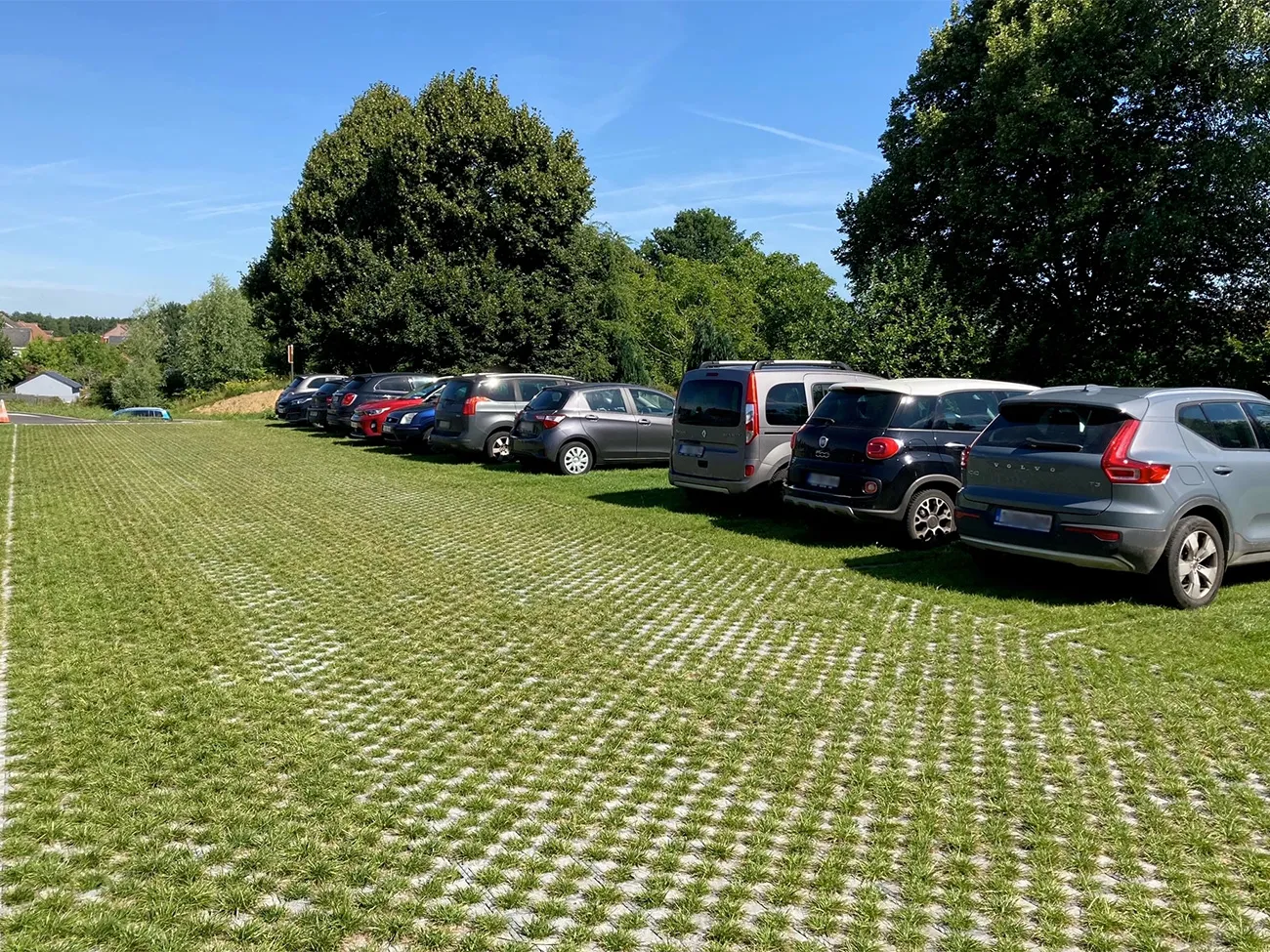
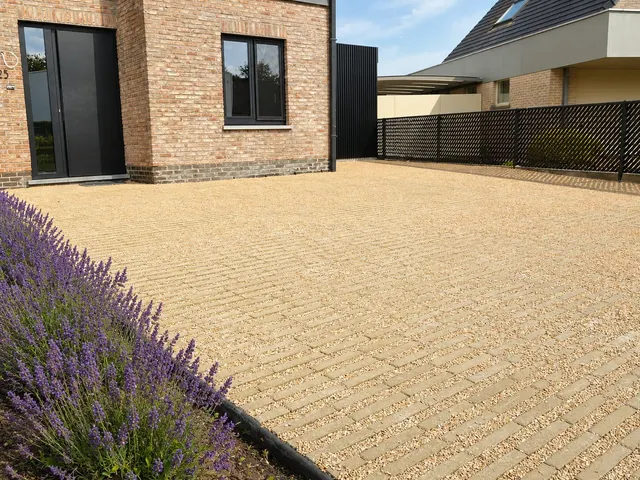
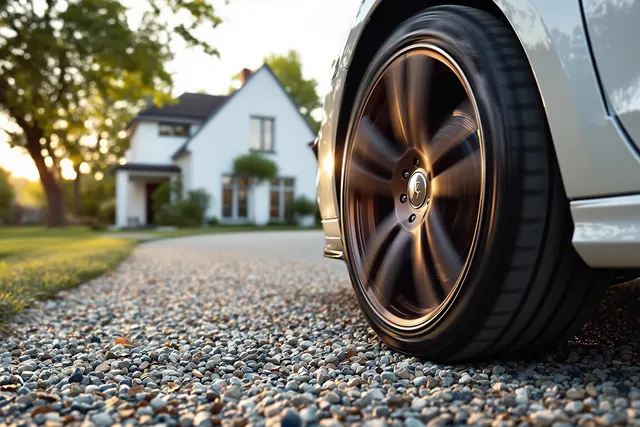
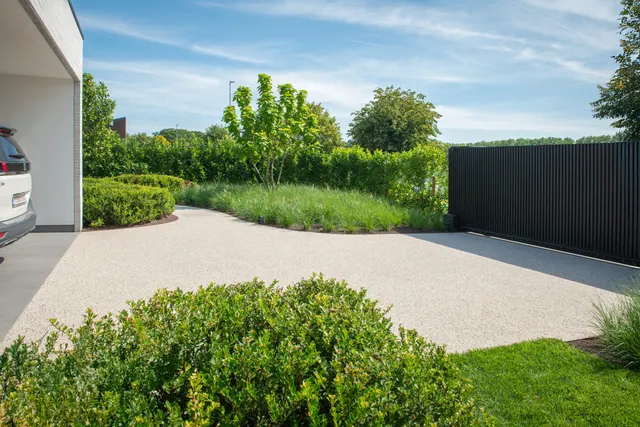
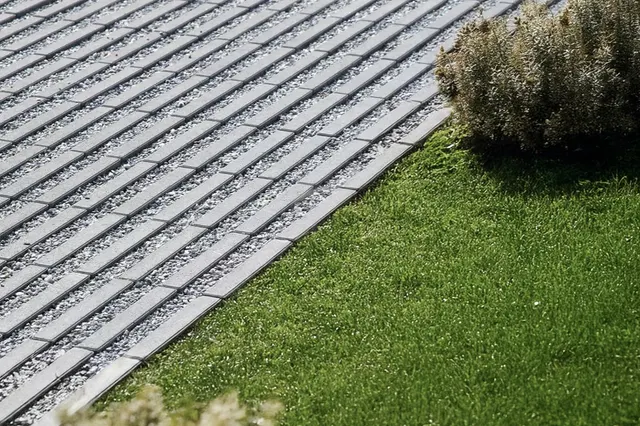
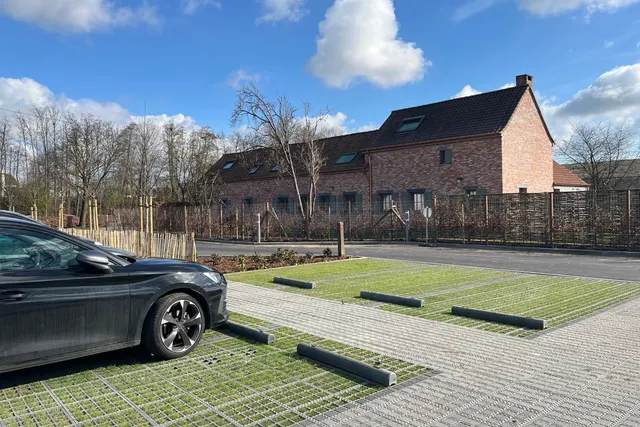
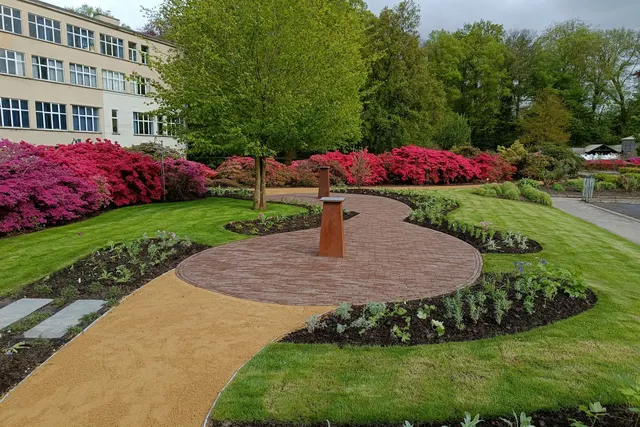
Since 2004, O2D Environnement® has specialised in developing permeable surfacing systems for driveways, integrating them into ecologically designed projects that promote the natural infiltration of rainwater and the greening of urban spaces. In response to urban planning challenges, its solutions combine technical performance and landscape integration with clear environmental benefits.
Reducing the urban heat effect
To optimise its solutions, O2D Environnement® launched the ACTIV-S research and development project in 2017, with the involvement of two leading laboratories, and set up an experimental permeable car park. Analysis of the thermal behaviour of O2D® permeable surfacing systems, compared with conventional asphalt and an open grassed area, made it possible, among other things, to identify and measure the cycles in which the surfacing systems store and release solar energy.
The study’s findings confirmed the role of the surface as an energy collector and the sub-base as a heat reservoir. The permeability of the surfacing systems helps cool them by allowing air to circulate between the different soil layers.
Ultimately, the measurements revealed three types of thermal performance: unfavourable (asphalt), favourable (O2D Green® and O2D Mulch®) and moderate (O2D Klinkers®). This means that, compared with asphalt, the thermal gain ranges from -0.7°C to, 5°C during the day and from, 6°C to, 6.8°C at night.
Restoring biodiversity
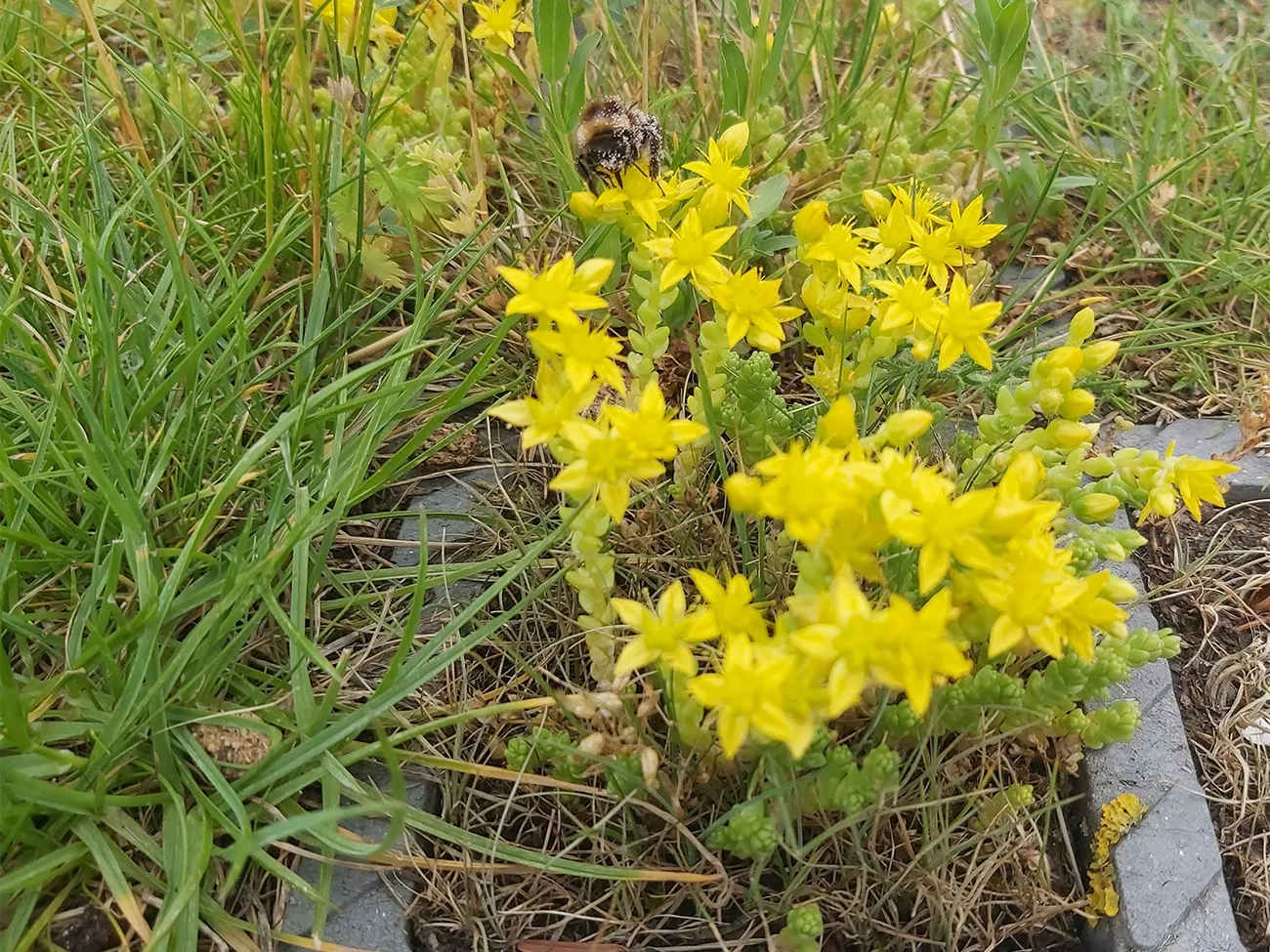
The numerous samples of soil fauna collected during sampling campaigns between 2019 and 2021, both on the test platform and at twelve car parks in use, revealed the diversity of fauna in the soil beneath green car parks. The macrofauna (4 to 80 mm) included pollinators such as bumblebees, soil engineers such as ants and earthworms, detritivores such as woodlice, and predators such as spiders. Sampling of the mesofauna (0.25 to 4 mm) found an average abundance of 12,626 individuals per square metre of green car park, including springtails and mites. Green car parks proved to be genuine areas for movement, habitation and breeding, with intense microbiological activity.
Hydrocarbon capture and breakdown
In response to questions and concerns about the filtration capacity of permeable surfacing systems and the potential migration of hydrocarbons from spilled oil and fuel, two key properties were investigated: the capacity to capture hydrocarbons and the ability to biodegrade them.
The hydrocarbon capture capacity of the system studied, O2D® SR Green, was validated through column leaching tests, while monitoring soil respiration (measuring biological oxygen demand after 5 days) demonstrated its hydrocarbon bioremediation potential. This means that O2D Green® green solutions can capture and biodegrade hydrocarbons deposited on the surface, in a sustainable way.
Eco-materials and carbon offsetting
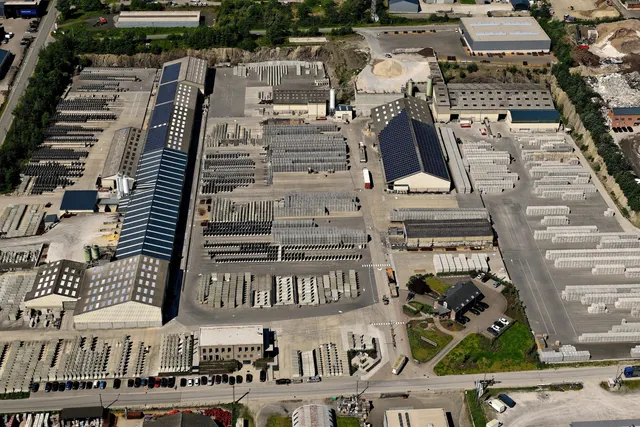
O2D Environment’s commitment goes beyond maximising the inherent benefits of its solutions. It also aims to ensure the soundest possible production methods and product life cycle, from using recycled plastic materials to offsetting carbon emissions from production and freight transport, as shown in its Environmental Product Declaration (EPD).
The full research reports and EPD can be downloaded from the manufacturer’s website.
Question about this story? Ask your question
Companies in this story
Keep following this
Get an email when a new story is published. No account needed.
- ThemeGreen space for everyone
- SubjectPaving
- CompanyO2D Environnement