Water-permeable clay pavers with outstanding benefits
Text Sara DekeselImage Wienerberger
A green light for rainwater
To create a climate-resilient environment, it is important to let rainwater infiltrate into the ground where it falls. Local rainwater infiltration helps maintain healthy groundwater levels, supporting green vegetation and reducing the risk of flooding. You can incorporate rain gardens, infiltration systems and other measures into your projects, but Passaqua water-permeable clay pavers offer a simple solution. They combine the functionality, beauty and durability of standard clay pavers with the added benefit of water permeability.
Pure and authentic for a lifetime
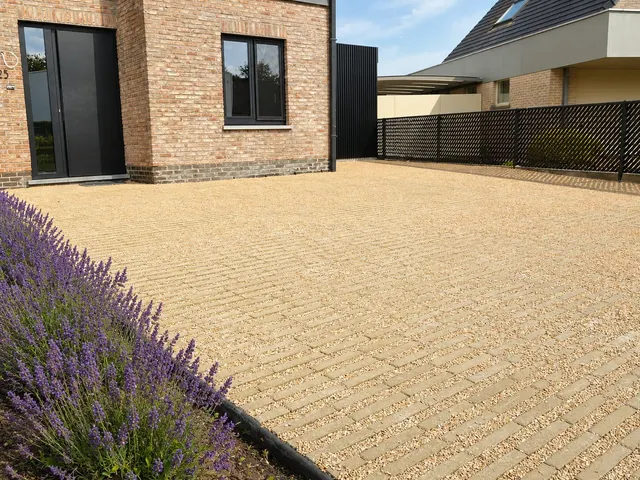
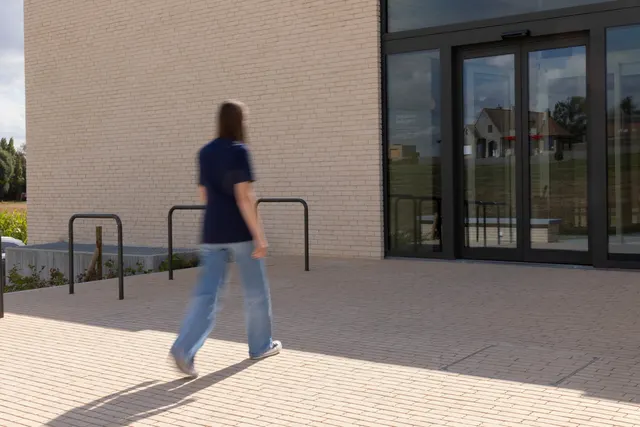
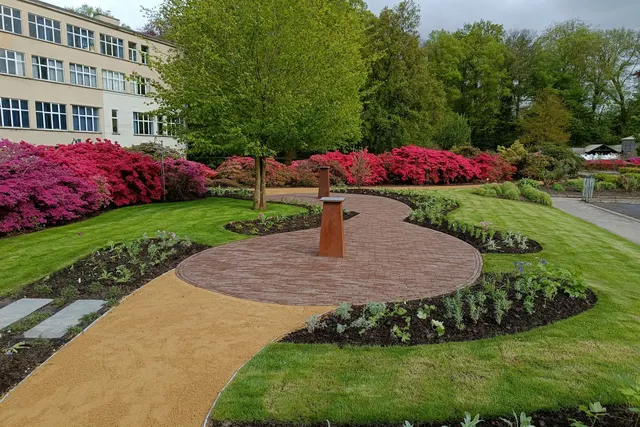
Passaqua clay pavers from Wienerberger have a rustic appearance and precise rectangular dimensions. Like the manufacturer’s other clay pavers, they have an extremely long service life, retain their shape and colour, and are comfortable and easy to maintain. As a high-quality paving material, they are particularly suitable for patios and driveways at homes, paved emergency access routes, and public spaces such as car parks, squares, footpaths and cycle paths.
You can integrate Passaqua perfectly into any project by choosing the right option from four colours, brown, grey, black and red, and selecting a laying pattern that complements its surroundings. Over the years, the pure and authentic appearance of the water-permeable clay pavers develops an attractive patina.
Water-permeable paving
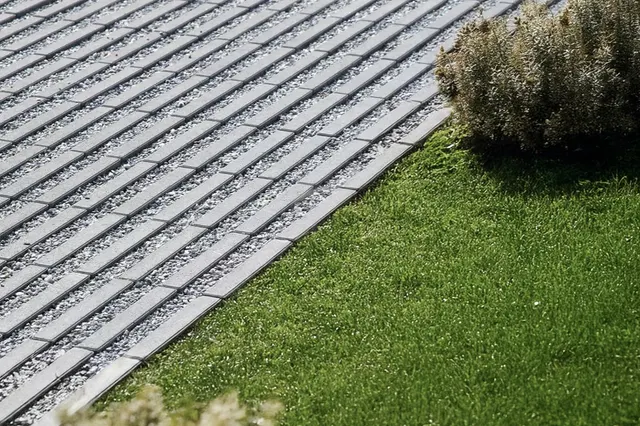
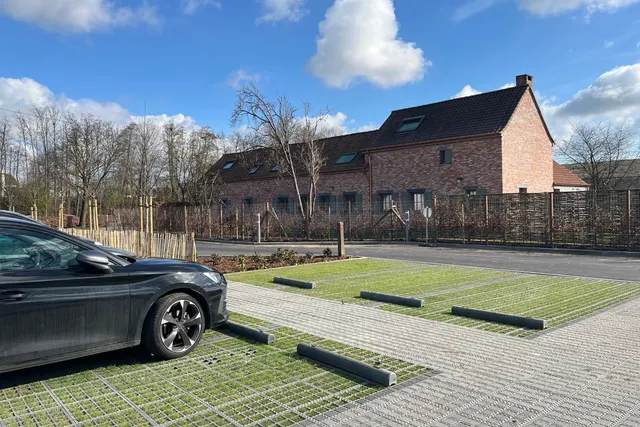
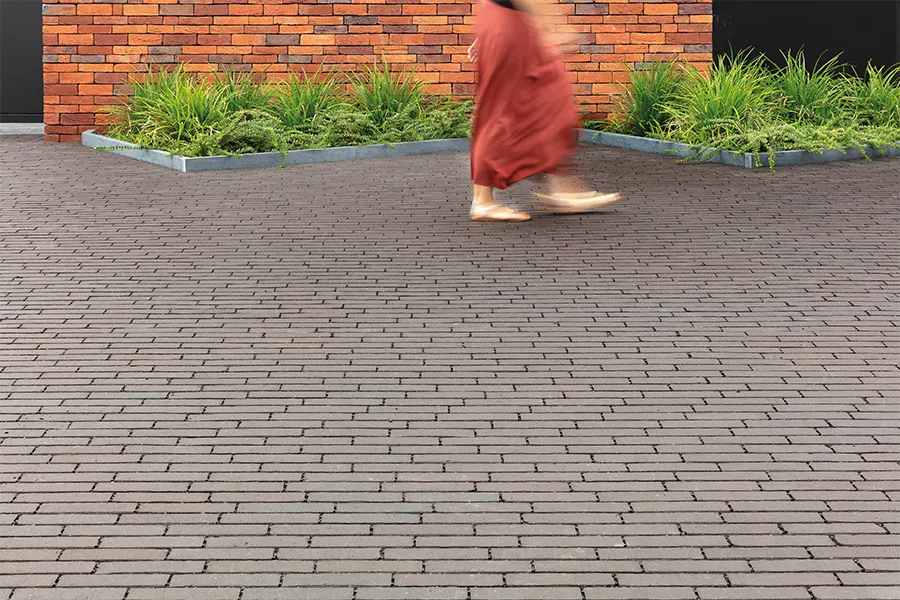
What sets Passaqua clay pavers apart is that they allow water to pass through. The pavers themselves are not water-permeable, but water can pass through the joints. They are fitted with spacers, so they are laid with joints 6 millimetres wide. This allows rainwater to drain away freely and infiltrate into the ground.
When you lay these clay pavers, joints make up around ten per cent of the paved surface. This is the minimum joint area required for water-permeable paving. Combined with permeable jointing material and a suitable sub-base, no further measures are needed, such as installing infiltration crates or creating rain gardens, to meet the applicable regional and planning requirements for water permeability.
The wide, water-permeable joints in Passaqua paving offer another benefit: because water drains through them quickly, algae, moss and weeds are less likely to grow in them. The paving therefore requires little maintenance to keep it looking clean.
An attractive architectural feature
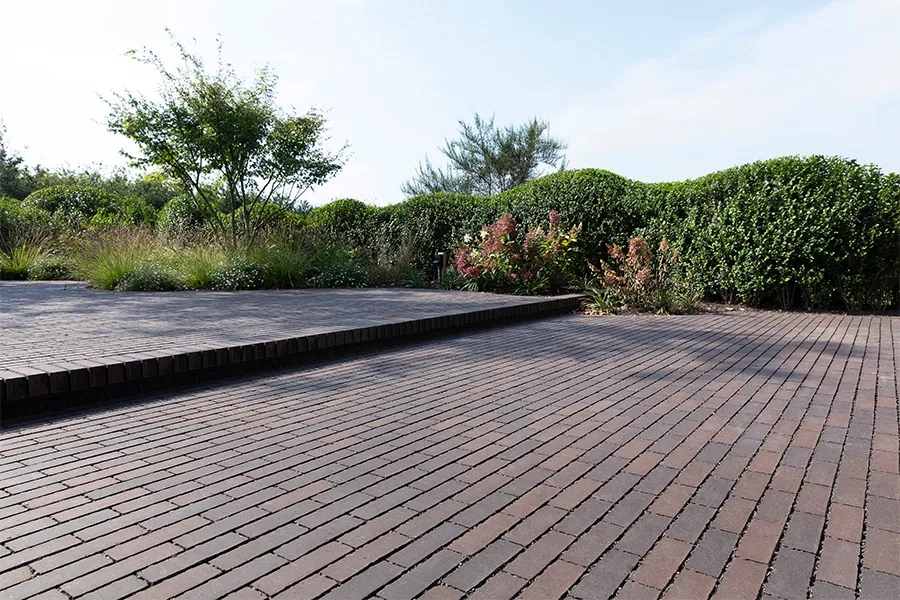
With all these benefits, Passaqua clay pavers were just what Jo Pauwels, owner of bistro ’t Moorken beside the Het Maldegemveld nature reserve, was looking for. For his sun terrace, he chose brown-variegated Passaqua Doris, partly for its natural appearance and partly because its colour and texture harmonise beautifully with
the restaurant.
Landscape architect Nils Trenson from Adegem carried out the installation. He speaks enthusiastically about the project: “The new terrace had to fit into the open, rural character of the surroundings. We incorporated old trees and new planting into the terrace. Some of the trees were set above the paving level. We used corten steel beams to accommodate the changes in level. Combined with the Passaqua clay pavers, they create a striking visual effect. Every day during the installation, a passer-by or cyclist would stop, curious about the unusual clay pavers.”
Come by and see them for yourself
Would you like to discover Passaqua water-permeable clay pavers for yourself? Drop in at Wienerberger’s experience centre in Londerzeel or its showroom in Kortrijk.
Een zakelijke vraag aan Wienerberger? Get in touch
Companies in this story

Keep following this
Get an email when a new story is published. No account needed.
- ThemeHealthy soil and smart water management
- SubjectPaving
- CompanyWienerberger