Soil pioneer Marc Galle calls for greater care for soil life
Text Ingrid AllaertsImage Marc Galle
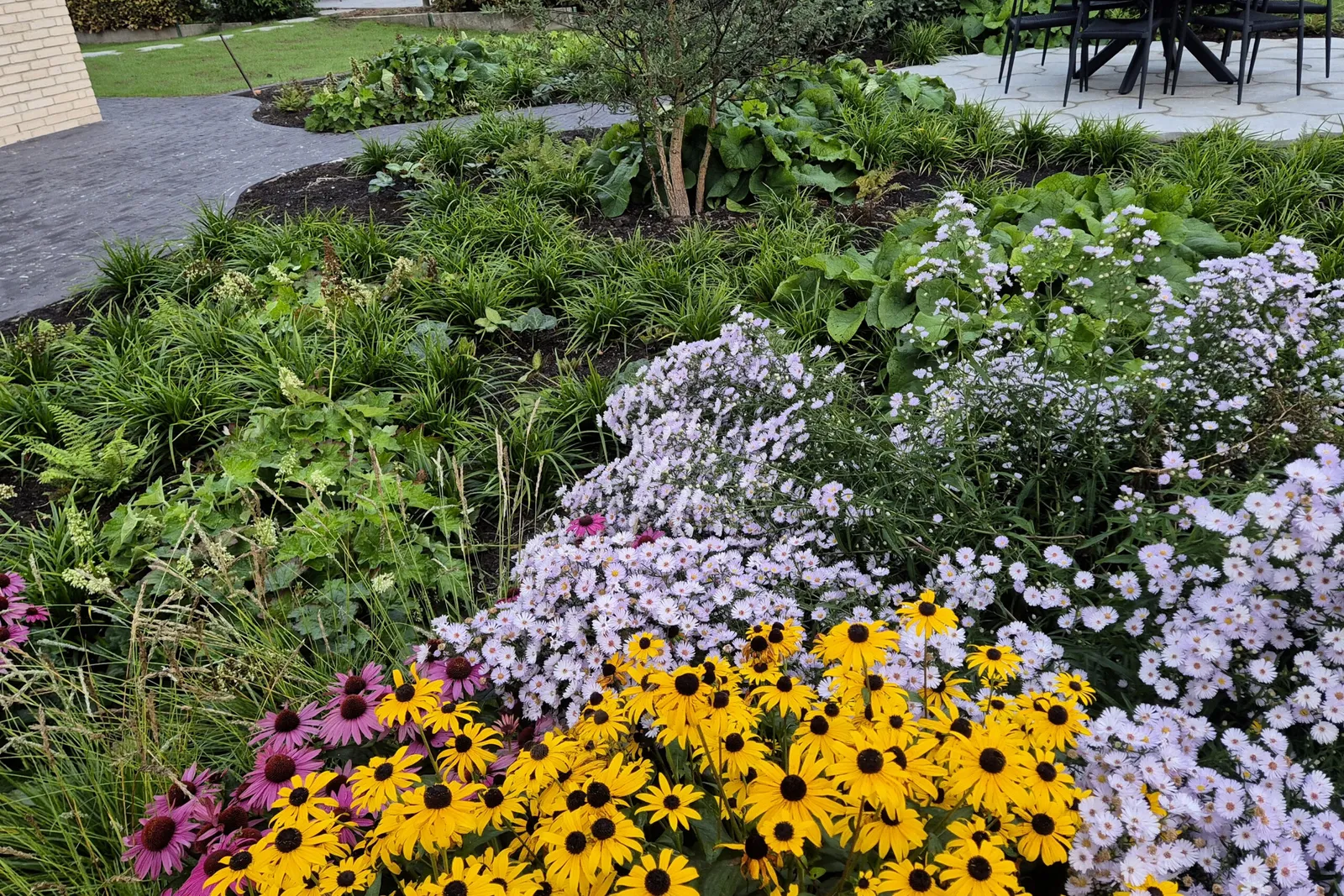
Marc Galle is a garden contractor. He was also chair of ‘Groen Groeien’, the association of Flemish garden contractors, for twelve years, and gained a certificate in ecological consultancy. He can recently add the title ‘Soil Pioneer’ to his credentials too.
Grond+Zaken, an initiative by the Flemish government, is a learning network of soil pioneers. “Within the network, we put into practice ways of taking better care of the soil and regenerating it. We also share knowledge and experience. After all, healthy soil supports greater biodiversity, better water management and greater resilience to climate change,” says garden contractor and soil pioneer Marc Galle.
What state is our soil in?
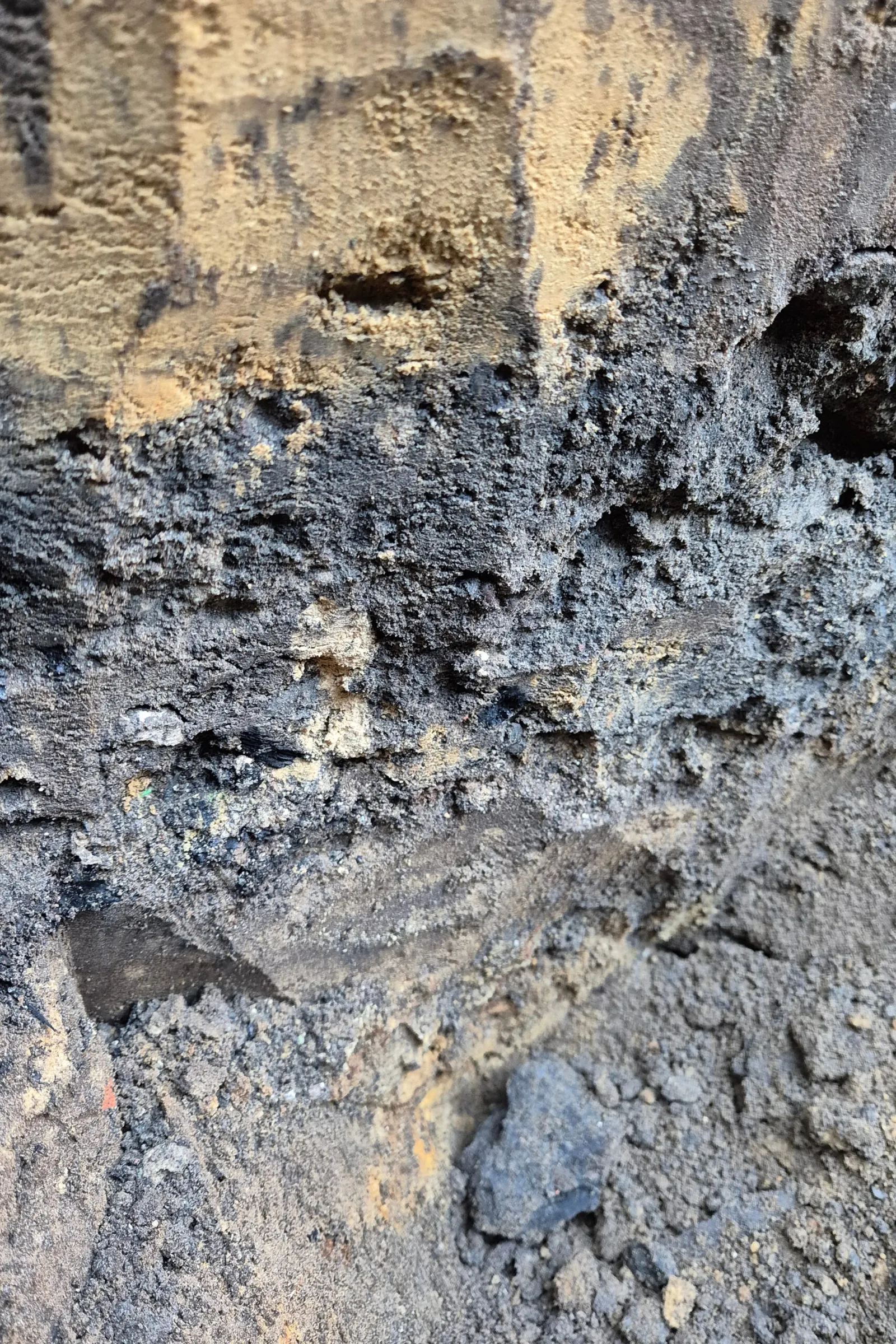
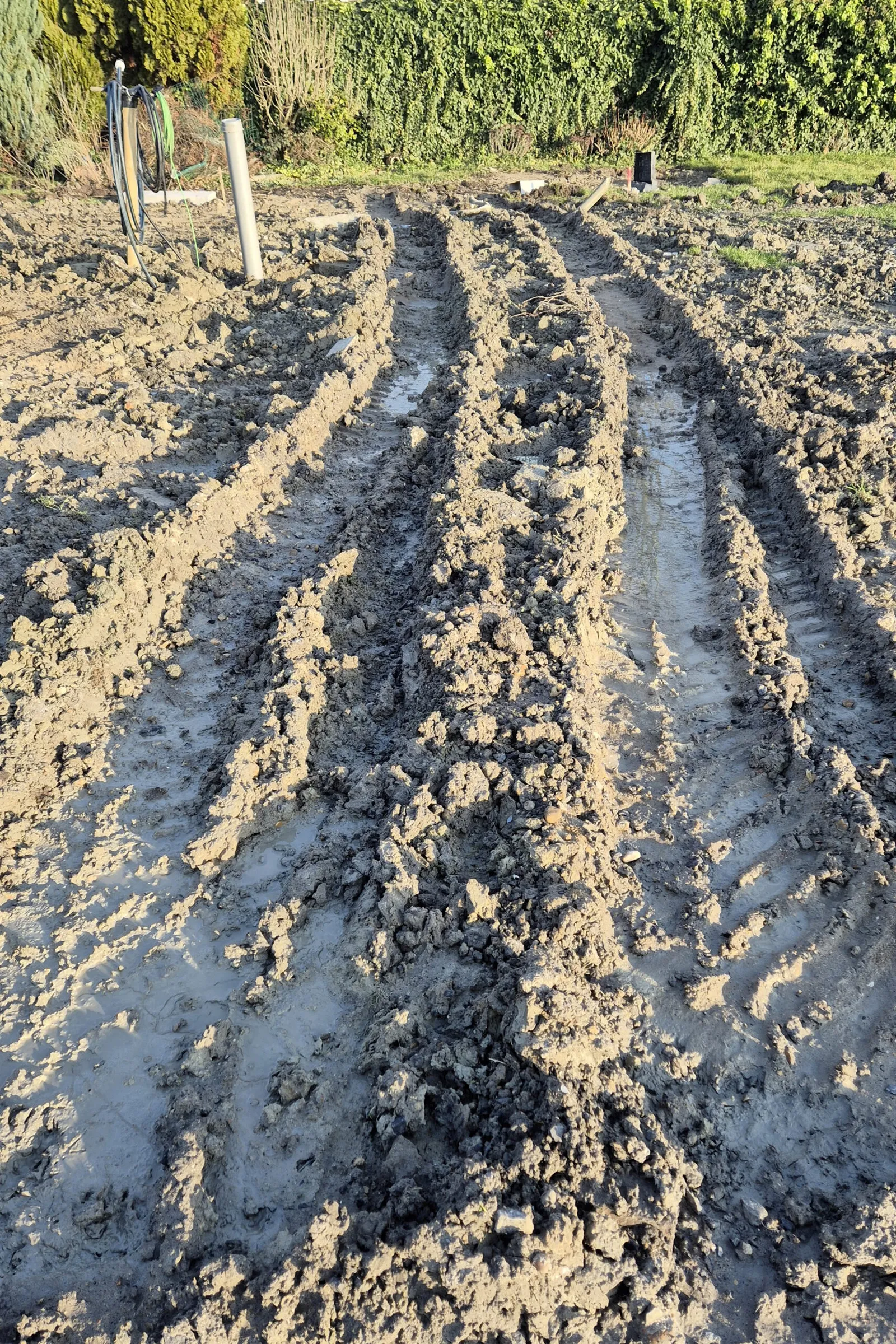
“The truth is, it is in a very sorry state. Soil is under severe pressure from intensive use, erosion and compaction. We are seeing a clear decline in biodiversity in forests and gardens, and especially in agricultural areas. With the knowledge I have gained and a broader perspective, I think compaction is the biggest problem in our sector. In the past, the bricklayer used a wheelbarrow. Today, lorries and tractors come and go, repeatedly churning up the soil. Then the garden contractor arrives and has to work with soil that has been completely disturbed and compacted by traffic.”
“The biggest challenge is to get oxygen back into the soil and activate soil life. You cannot create soil life yourself, you can only provide the right conditions. You can introduce it, though, for example with worm compost. My number one rule is: anything people compact, they must loosen again.”
How do you get oxygen back into the soil?
“Adding organic matter, or coarse river sand in clay soils, for example, creates more air in the soil. It is also important to learn to observe what is growing in a garden. Certain plants give clear signals about the condition of the soil. A vigorous growth of sorrel, for instance, often points to wet, acidic soil. Lots of thistles, on the other hand, indicate compaction. Their fleshy taproots try to break up the soil, as it were.”
“Did you know that the number of earthworms in our gardens has halved? Yet we need them for healthy soil. For example, anecic earthworms move vertically through the soil. The tunnels they create help water infiltrate.”
Why is it so important for the soil to stay covered and function effectively as a water buffer?
“Nature always tries to cover the soil as quickly as possible. Through their chlorophyll, plants convert sunlight into sugars. These sugars are exchanged with soil life through symbiosis, providing it with food. Without this nourishment, the soil slowly dies. Plants also release water vapour, contributing to moist air. Small and large water cycles play a part here. Small water cycles are sustained by ponds, forests, streams and wet grasslands.”
“Did you know, for example, that a forest can even help trigger a rain shower? Today we are seeing longer dry spells more often, partly because of hard surfaces and bare soil. The soil must therefore function like a sponge: absorbing water during wet periods and gradually releasing it again during dry periods.”
What makes soil act like a sponge?
“Soil with plenty of organic matter and active soil life. Together, they create a porous, crumbly structure that can absorb and retain water.”
Question about this story? Ask your question
Keep following this
Get an email when a new story is published. No account needed.
- ThemeHealthy soil and smart water management
- SubjectSoil & water