Why leaf mulch is becoming essential for sustainable soil management
Text Koen Verhelst / Kris VandekerckhoveImage Koen Verhelst
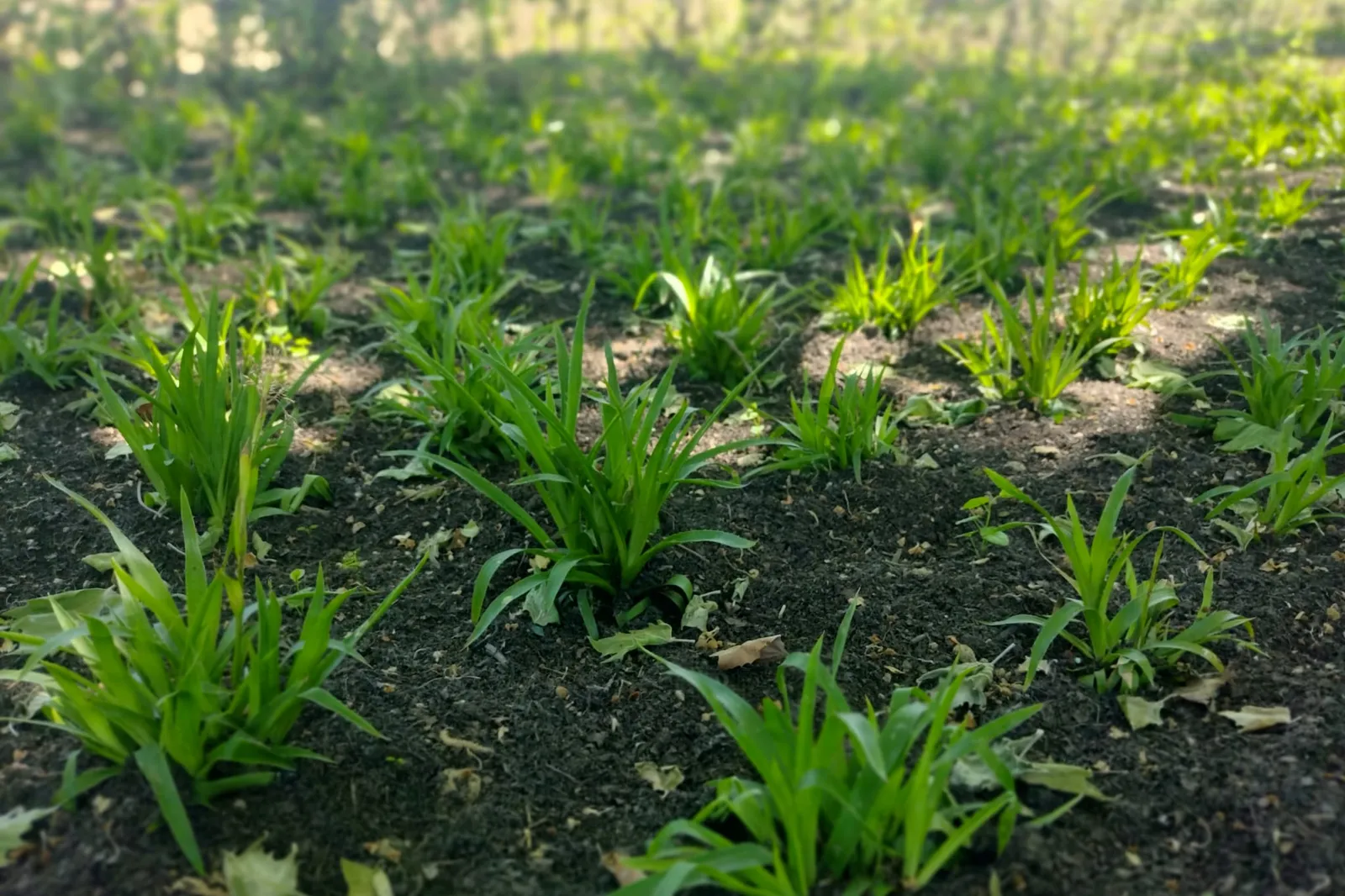
The planting season is just around the corner. Anyone aiming for resilient gardens, strong plants and fewer weeds knows the key word: mulch. A well-applied layer of mulch protects the soil, reduces evaporation and retains moisture. A natural ally for every garden or green space.
Many green-space professionals instinctively think of materials such as lava rock, shells or decorative bark. Yet one champion is often overlooked: leaf mulch. This pure, circular and locally produced form of mulch deserves a leading role in sustainable soil management.
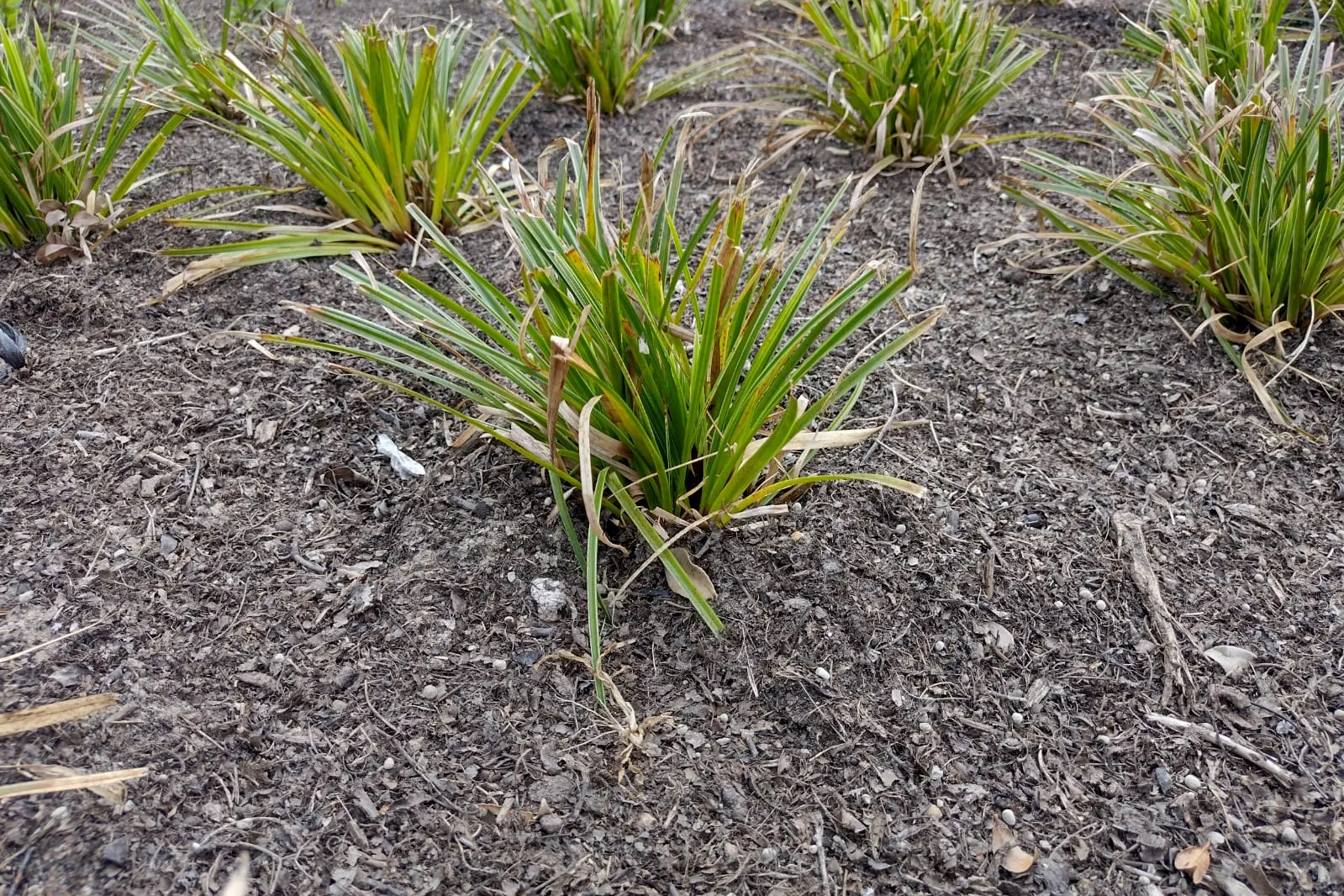
Why mulching is essential
Mulching is much more than an aesthetic treatment. A layer of mulch acts as the soil’s air conditioning and moisture bank.
It regulates temperature, prevents the soil from drying out in summer and protects it from frost in winter. It also acts as a buffer during heavy rainfall, preserving soil structure and preventing compaction.
Mulch also stimulates soil life. Worms, fungi and bacteria break down organic matter and convert it into nutrients for plants. Although the decomposition of leaf mulch can temporarily take some nitrogen from the soil, this is more than offset by the benefits to soil health and vitality.
Leaf mulch: the wisdom of the forest
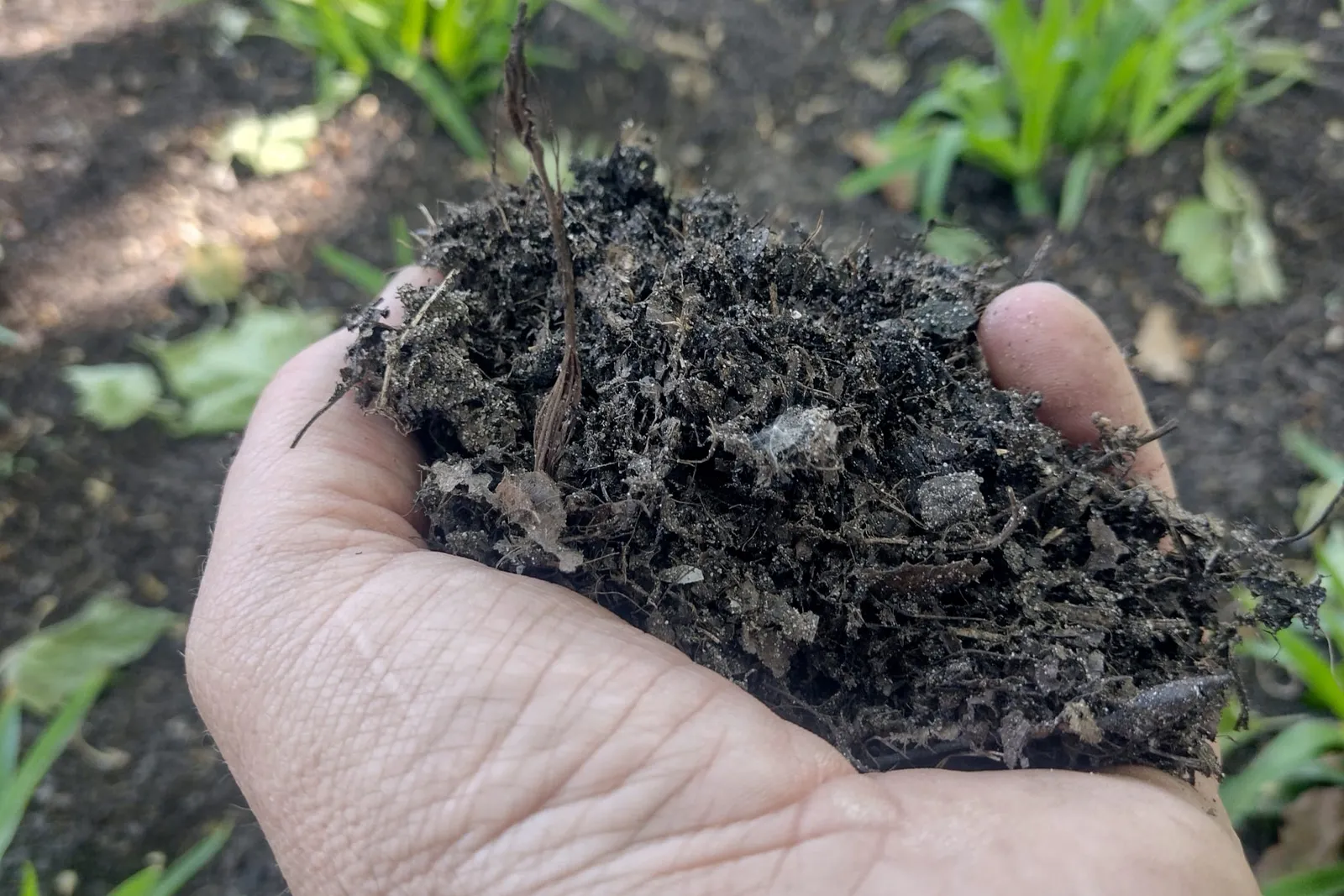
In nature, forests ‘mulch’ themselves each year with a layer of fallen leaves. This natural mulch is the secret behind fertile, well-aerated forest soil. Leaf mulch recreates this process with a stable, airy and ecological product, usually made from composted and screened leaves collected in municipal leaf bins.
Leaf mulch has benefits that are hard for other materials to match:
- Nutrients and soil life: leaves form the basis of the soil food web. Worms and micro-organisms turn them into humus-rich soil with good structure, aeration and water infiltration.
- Slow nutrient release: nutrients are released gradually, benefiting plants in the following growing season.
- Low carbon footprint: leaf mulch is a locally recycled product that requires minimal transport.
- Weed-free: the high temperatures reached during composting cause weed seeds to lose their ability to germinate.
Easy to maintain
One major practical benefit of leaf mulch is how easy it is to maintain. If weeds do come through, they are easy to hoe out, which is much harder with bark or lava rock.
Tips for applying it to achieve the best results:
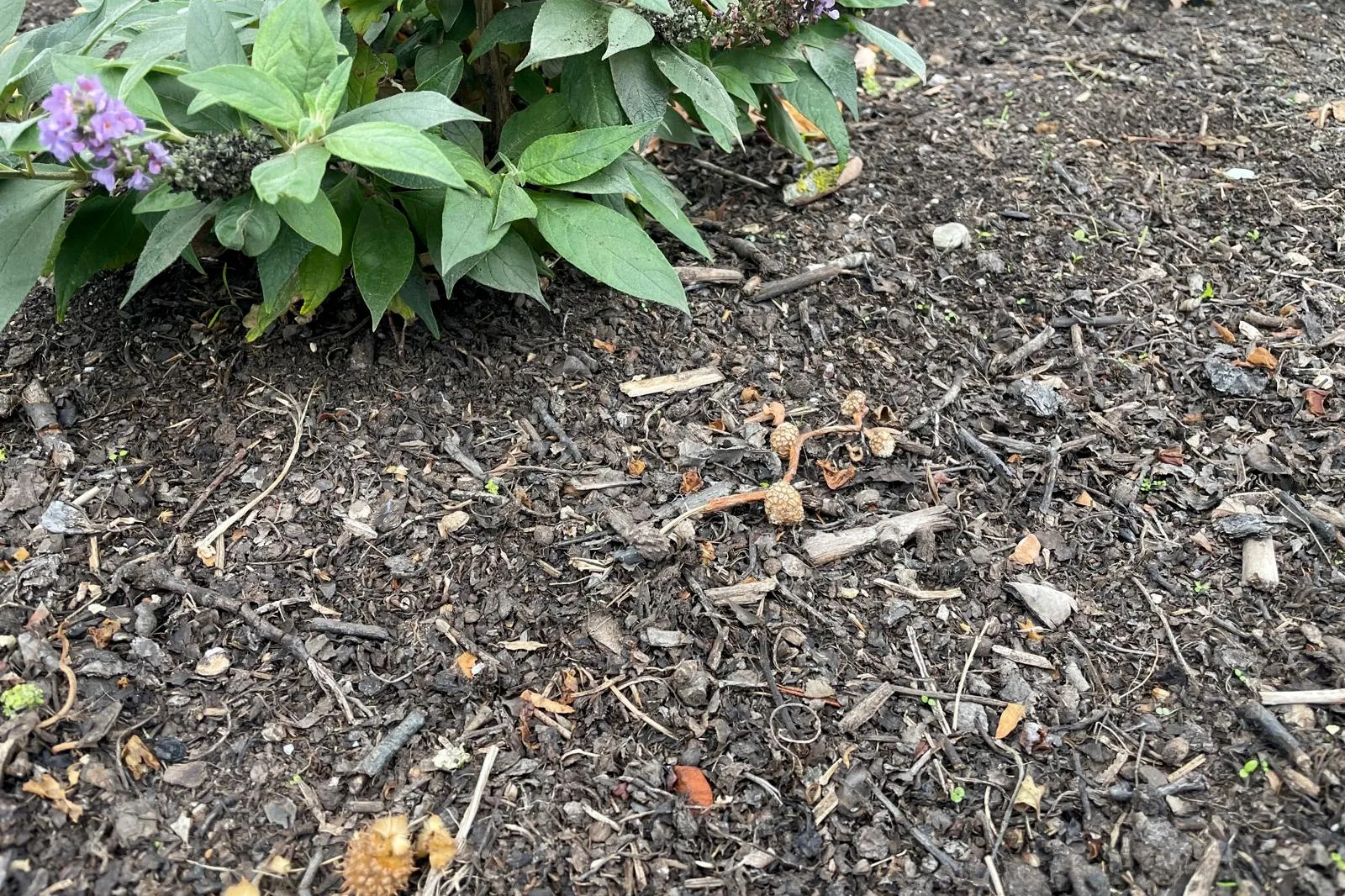
- Initial layer: apply about 6 cm when planting new beds.
- Top up annually: leaf mulch breaks down faster (C/N ratio ±30), so add a little more each spring.
- Do not apply too thickly: a maximum of 7 cm allows water and air to penetrate properly.
- Keep clear of stems: do not apply mulch directly against trunks or stems, to prevent them from suffocating.
- Activate the soil: for an extra boost, apply a thin layer of mature compost under the mulch or inoculate the soil with microferm. This is a mix of beneficial micro-organisms that speed up decomposition and preserve nutrient levels.
Key benefits at a glance
Property: Effect
Quality: Virtually weed-free thanks to high composting temperatures
Structure: Rich in organic matter, helps keep the soil well aerated
Hydration: Excellent water-retention capacity
Ecology: Stimulates soil life and improves plant resilience
Application: Ideal for borders, public green spaces and nurseries
Choosing leaf mulch means choosing a circular, natural and low-maintenance way to nourish and protect the soil. It is how nature has been doing it for millions of years. Leaf mulch is literally and figuratively nature’s ‘air conditioner’. And with healthy soil as its foundation, a flourishing garden will follow naturally.
Question about this story? Ask your question
Keep following this
Get an email when a new story is published. No account needed.
- ThemeHealthy soil and smart water management
- SubjectSoil & water