A tree nursery with a heart for nature
Text Geert Van CauwenbergeImage Boomkwekerij Schepers
More than 200 years of tradition, knowledge and expertise
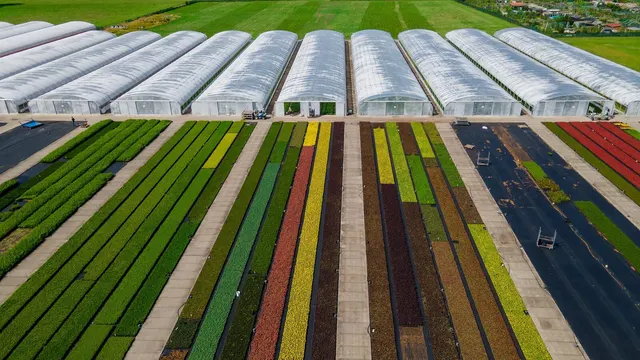
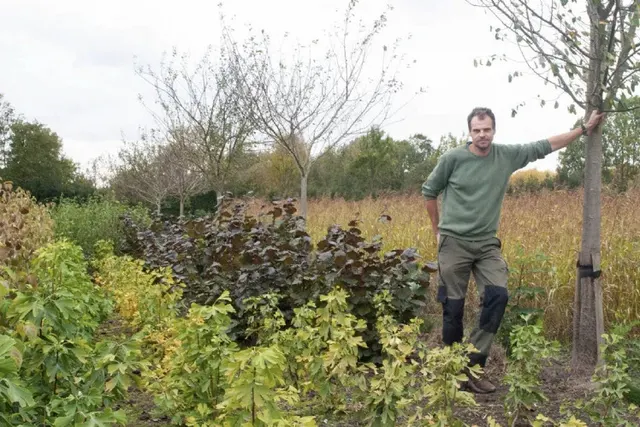
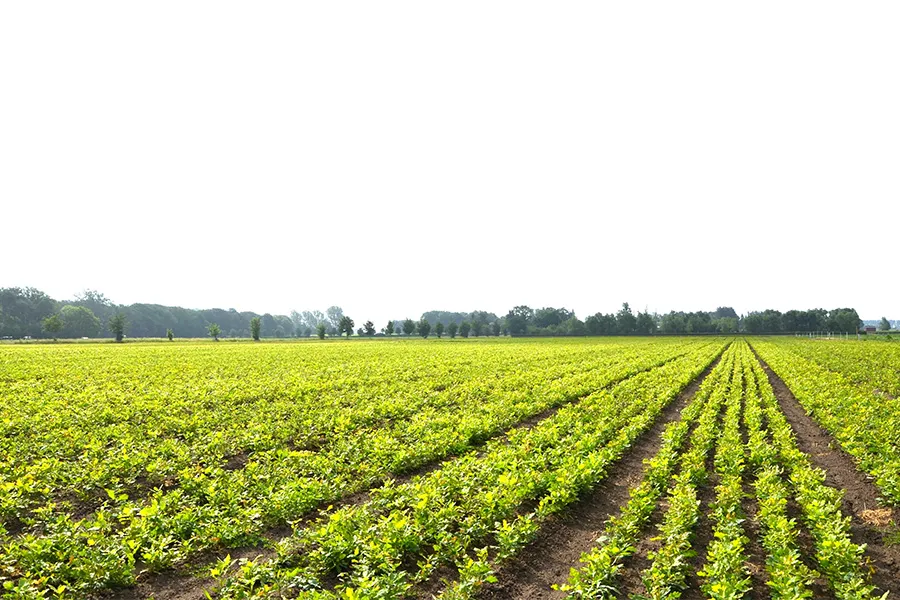
It is not often that we feature a tree nursery whose roots date back to 1805. Spanning seven generations, Schepers tree nursery in Wingene combines tradition, craftsmanship and innovation. In 2023, the West Flanders family business grows more than 150 plant species on 40 hectares. Together with Emmanuel Hanssens, who runs the nursery in close consultation with his parents, we take a closer look at the many challenges facing the sector.
How it all began…
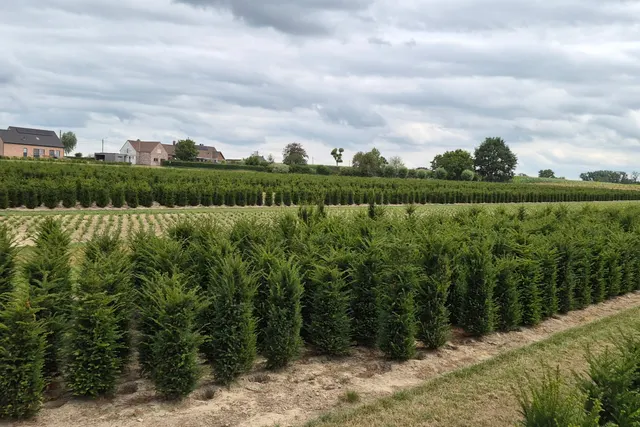
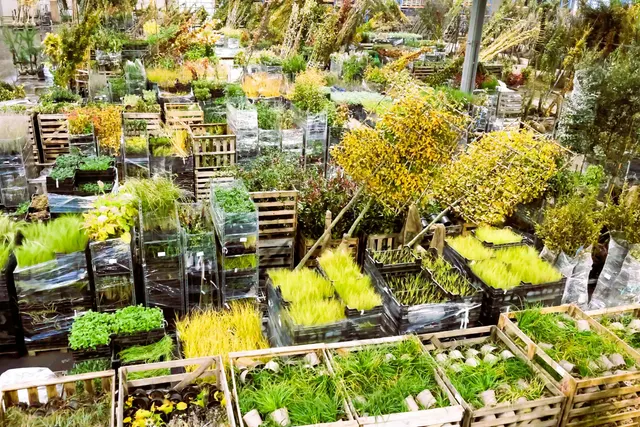
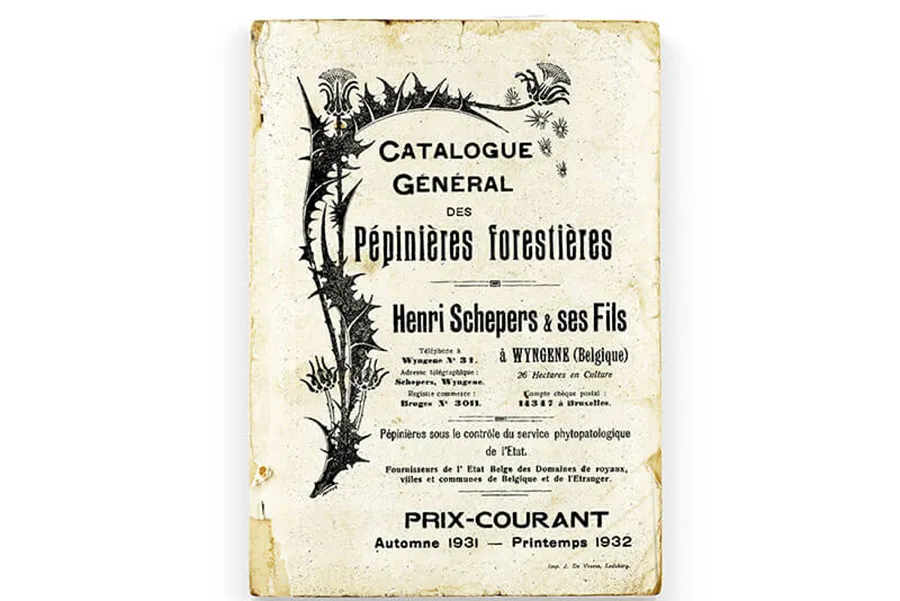
To trace the beginnings of Schepers tree nursery, we have to go a long way back, specifically to 1805. “Around that time, a deserter from Napoleon’s army who came from the Kempen began growing plants for local landowners in the wooded surroundings of Bulskampveld,” Hanssens explains. “At first, the nursery grew almost exclusively forest planting stock, focusing on conifers, but from the 1970s onwards it shifted its attention to broadleaved trees, hedging plants and landscape plants. Today, we offer our customers a wide range of forest, hedging and landscape plants, with more than 150 species. We supplement this range with plants from a network of growers. This means we can ensure that every customer can tick off their entire planting list. We also enjoy discovering new varieties together with our customers, so they can offer their own customers surprising results.”
Plants of every shape and size
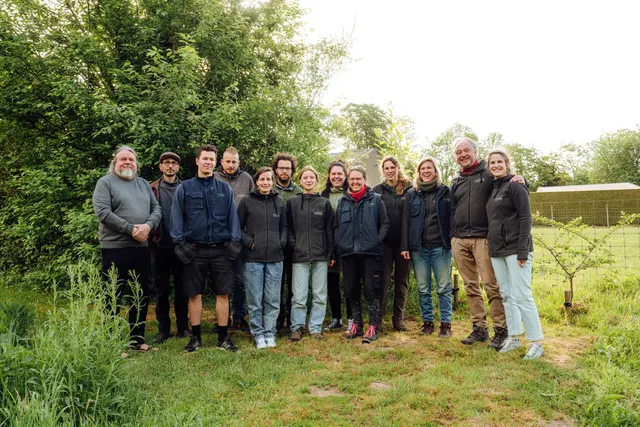
In 1986, Jozef and Greet Hanssens-Mehuys took over the nursery, which had until then been owned by the Schepers family. In 2023, Emmanuel Hanssens runs the family business, with close follow-up, personal contact, short lines of communication and 100% dedication high on the agenda.
“I took over the business from my parents two years ago. We still work together today, although that collaboration will gradually come to an end. Our customers appreciate how we combine the tradition and knowledge of seven generations with high-quality products and innovative, sustainable growing techniques,” says Hanssens. “Thanks to the diversity of our soil types and growing methods, we can offer plants for every location and purpose. We continually adjust our range, too, so that we can always respond to new trends and changing demands. With a diverse range of plants and trees, complemented by young plants and propagation stock for further growing, our nursery has become a trusted partner for many professionals.”
Sustainability is no empty promise
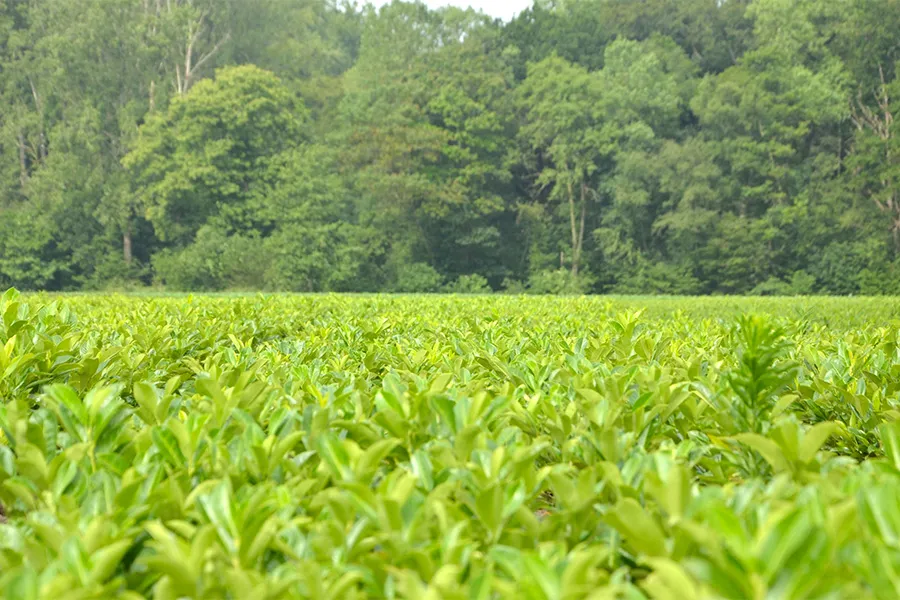
At Schepers tree nursery, sustainability is no empty promise. Hanssens is happy to explain what this sustainable approach looks like in practice: “Even after seven generations, we continue to evolve as a tree nursery, constantly adapting to changing market trends and environmental conditions. Climate change, with all its effects on weather conditions, makes our work all the more challenging and interesting. We are always looking for plant species that are as resilient as possible to external environmental and climatic factors. We do this by continuing to invest in new growing techniques, such as planting distances and transplanting methods.”
“We use crop protection products, energy, water and fertilisers very sparingly,” Hanssens adds. “We sow Tagetes, Sudan grass and Japanese oats as green manure and use biological soil disinfestation instead of chemical soil disinfestation. We also use mechanical alternatives for weed control. Mechanical hoes, weed brushes and tine weeders have largely replaced herbicides. And to protect our plants as effectively as possible against diseases and pests, we use natural or environmentally friendly products wherever possible. Where necessary, we also use natural enemies to control harmful organisms.”
“It is also worth noting that, over the past ten years, we have focused strongly on certified native planting stock, supplying all forestry projects. This fits perfectly within a broader framework of sustainability, climate resilience and local cultivation.”
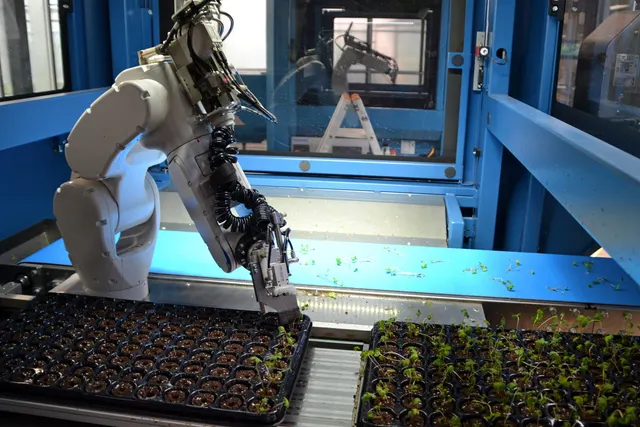
Finally, Hanssens also points to the use of innovative technologies at the nursery. “For example, we use a machine that adjusts its operation using camera technology, linked to mechanical weed control. The same adjustment is applied to LVS technology. As a result, we have been able to reduce our herbicide use by up to 70 per cent in a single season. Everything is automated using GPS-guided tractors.”
Question about this story? Ask your question
Keep following this
Get an email when a new story is published. No account needed.
- ThemeTrees and plants of tomorrow
- Subject(Tree) nurseries