Betterbuxus®: a patented solution from Herplant nursery
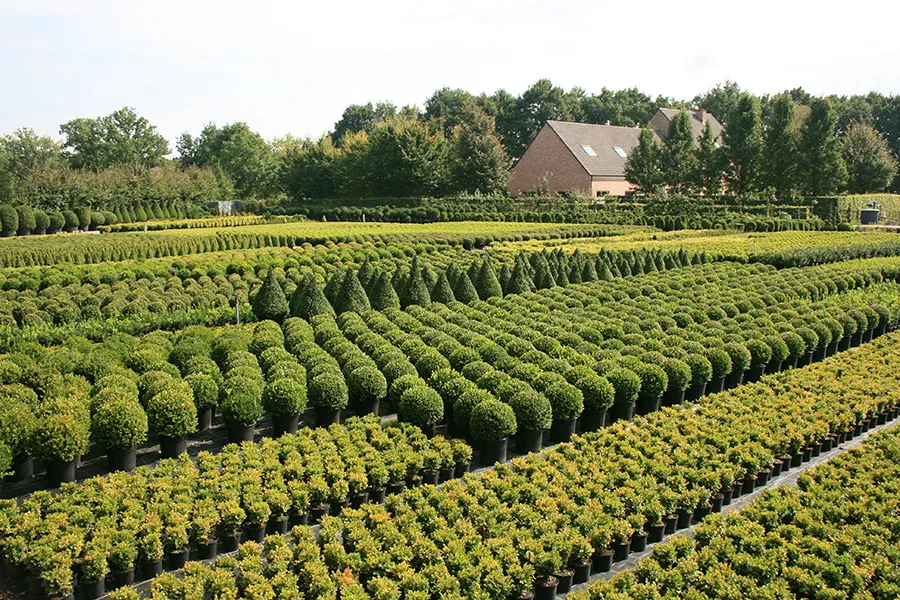
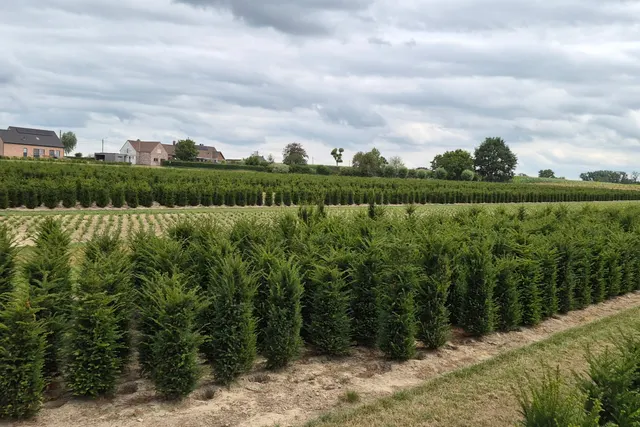
An early-flowering plant that takes pruning in its stride and holds its shape well: surely that is what everyone wants? Yet in recent years, box seemed to lose some of its lustre. Fortunately, the different varieties of this evergreen plant still have plenty to offer, in private gardens and larger parks alike. Didier Hermans of Herplant BV brings us up to date on the latest developments at his nursery, which has been growing and supplying box and yew for almost forty years.
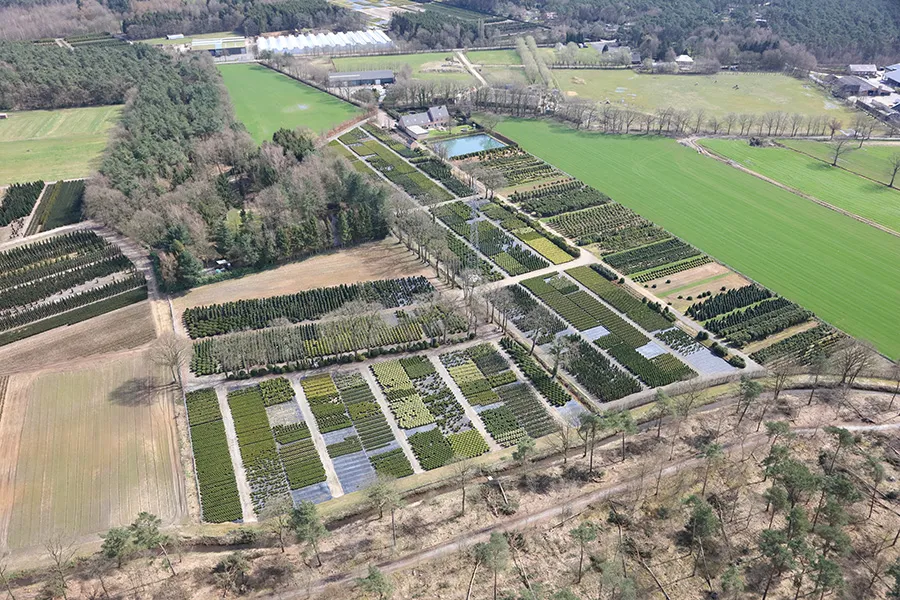
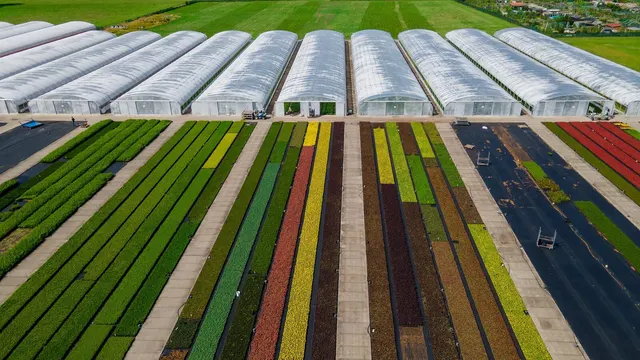
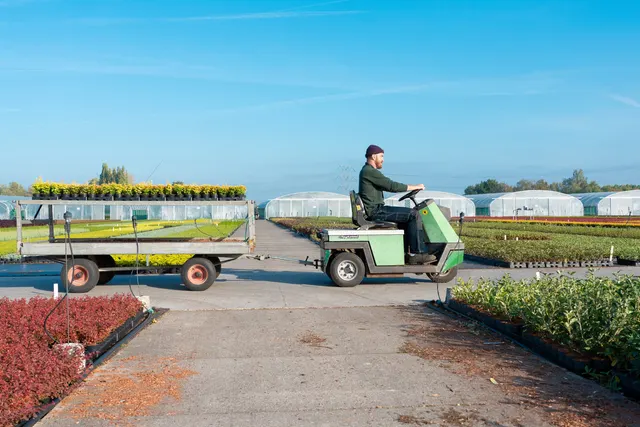
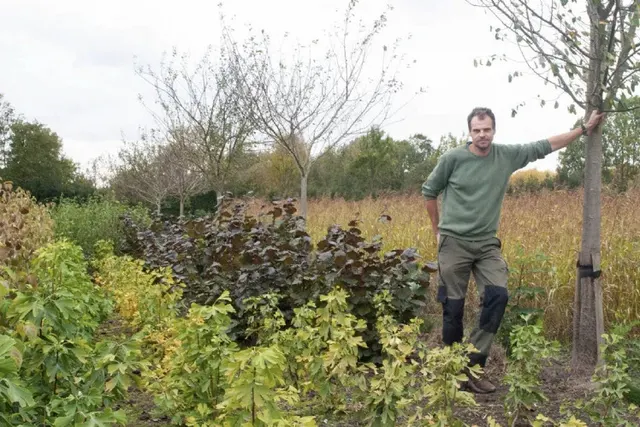
In 1985, the Hermans brothers founded Herplant BV in Vosselaar, building on their parents’ business. Until then, the Hermans family had mainly worked in garden landscaping and grown conifers. From 2000, Didier, Louis and Luc gradually wound down the landscaping side in favour of the nursery. “We all enjoy pruning, so box and yew were the obvious choice for us,” Didier laughs. “When Herplant was founded, box was not yet very popular in private gardens, but that soon changed. In 2005, for instance, we published the book ‘Buxus’ with Harry Von Trier. Thanks to the great diversity in growth habits and plant forms, we have a suitable variety for every application.”
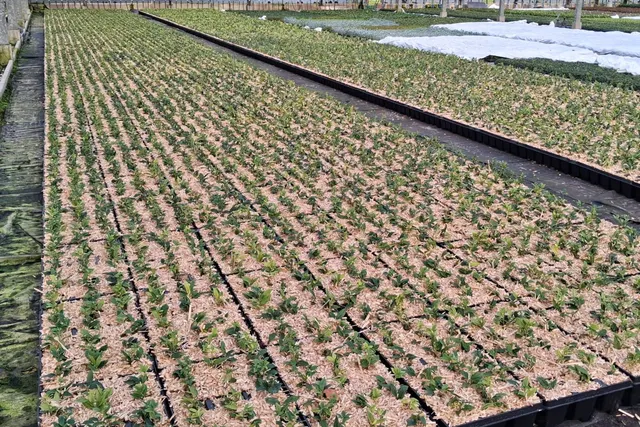
Box remains the focus of the family business today, and the next generation is now working there too. The plant is known for its slow growth, as Didier confirms: “Box is usually propagated from cuttings. After seven months, you can pot up a young plant. Two years after taking the cuttings, you have a young plant. A mature ball with a diameter of one metre is about eighteen years old.” Herplant BV sells its yew and box plants to garden designers and landscapers, as well as to wholesalers and garden centres.
Risks and resistance
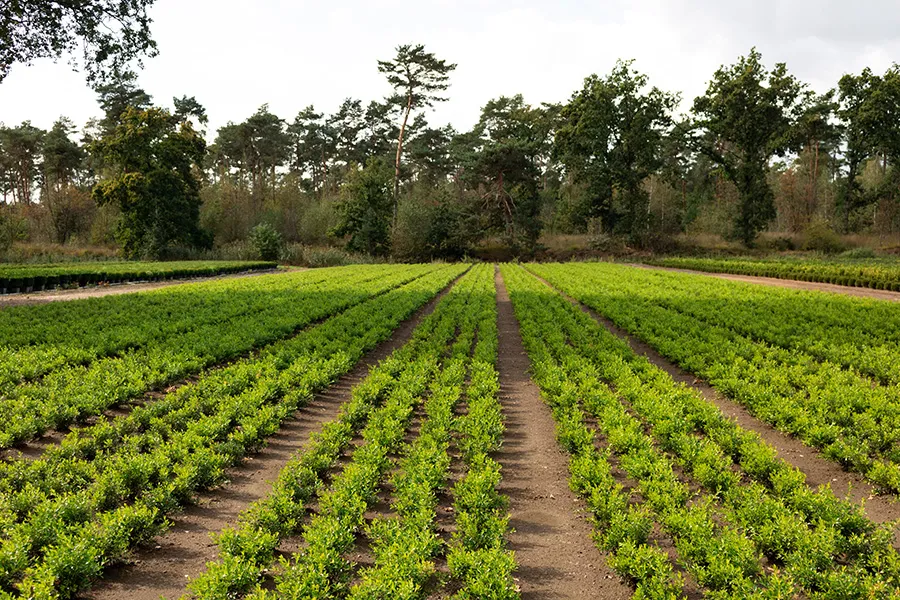
Alongside growing plants, the Hermans brothers also carry out extensive research based on their collection of more than 200 species and cultivars. They have also added new varieties through breeding. “A breakthrough in our research was the development of varieties resistant to most fungal diseases. After an intensive breeding programme in collaboration with the Flanders Research Institute for Agriculture, Fisheries and Food (ILVO), we brought Betterbuxus® to market. The plant is not yet available to the general public, and we sell it only directly to landscapers, garden designers and historic gardens. From next year, these patented plants will also be available in the United States.”
Alongside fungal diseases, the biggest challenge in recent years has been the box tree moth. “The invasive species itself was not a risk, as the box tree moth is fairly easy to treat with biological control products. It was the misinformation about box spread by the national media that posed the main threat to our plants,” says Didier. “The one-sided picture of a plant that does not contribute to biodiversity is simply wrong. Buxus sempervirens is native to Belgium. There are around a hundred wild box species worldwide, most of them tropical. There are cultivars with large and small leaves, and varieties suitable for low and tall hedges. Box also grows in any soil, tolerates drought well and comes in varieties with different flowering times. Early-flowering varieties, for example, provide bees with food in spring.”
An innovative plant in historic gardens
To counter the negative coverage, Herplant BV launched the Buxuscare website, where thousands of visitors can find information in four languages on how to care for their cherished plants. A dedicated core of garden enthusiasts has remained loyal to box, and the plant is now making a comeback. “Some projects we are very proud of include our collaboration with the world-renowned garden designer Wirtz and the use of Betterbuxus® in more than fifty historic castle gardens. Examples include Château de Villandry in the Loire Valley and the King’s Garden at Paleis Het Loo in Apeldoorn. Box really comes into its own in gardens like these.”
Question about this story? Ask your question
Keep following this
Get an email when a new story is published. No account needed.
- ThemeTrees and plants of tomorrow
- Subject(Tree) nurseries