Knowledge of invasive alien species enhances the services offered by green professionals
Text Carolien KleesImage WUR/Wikimedia Commons
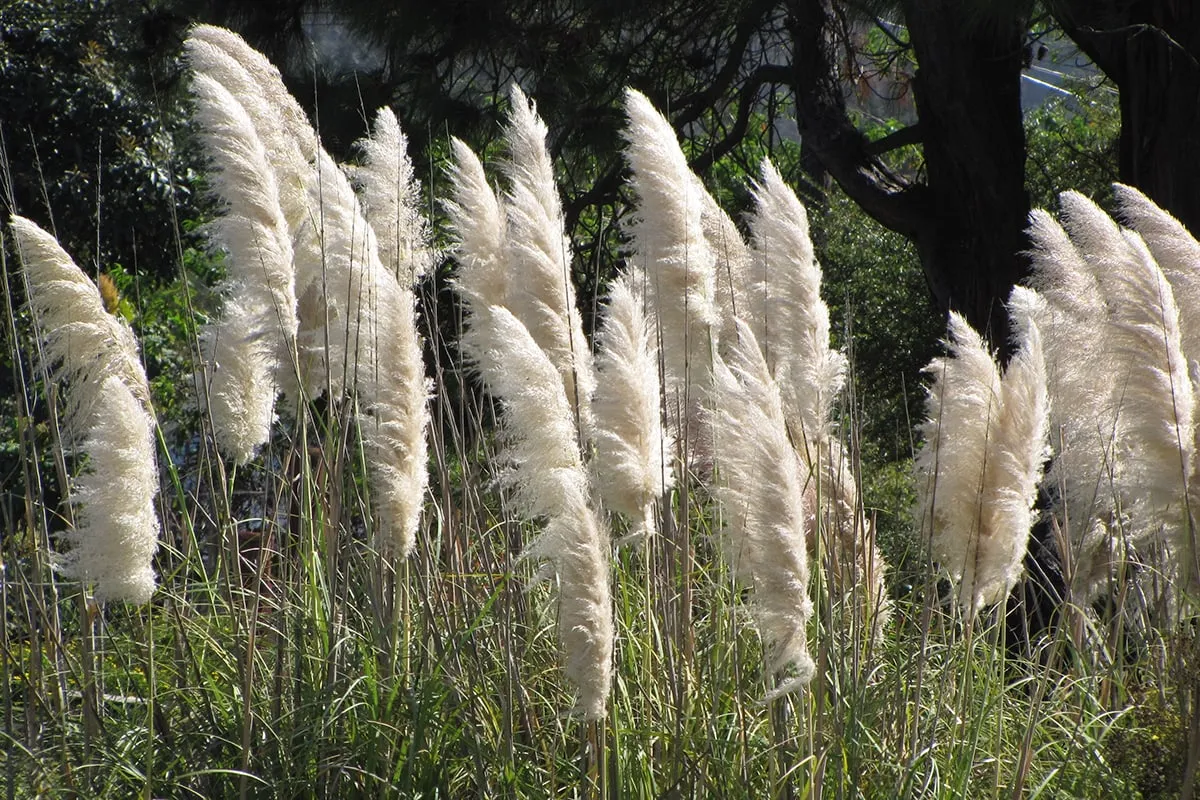
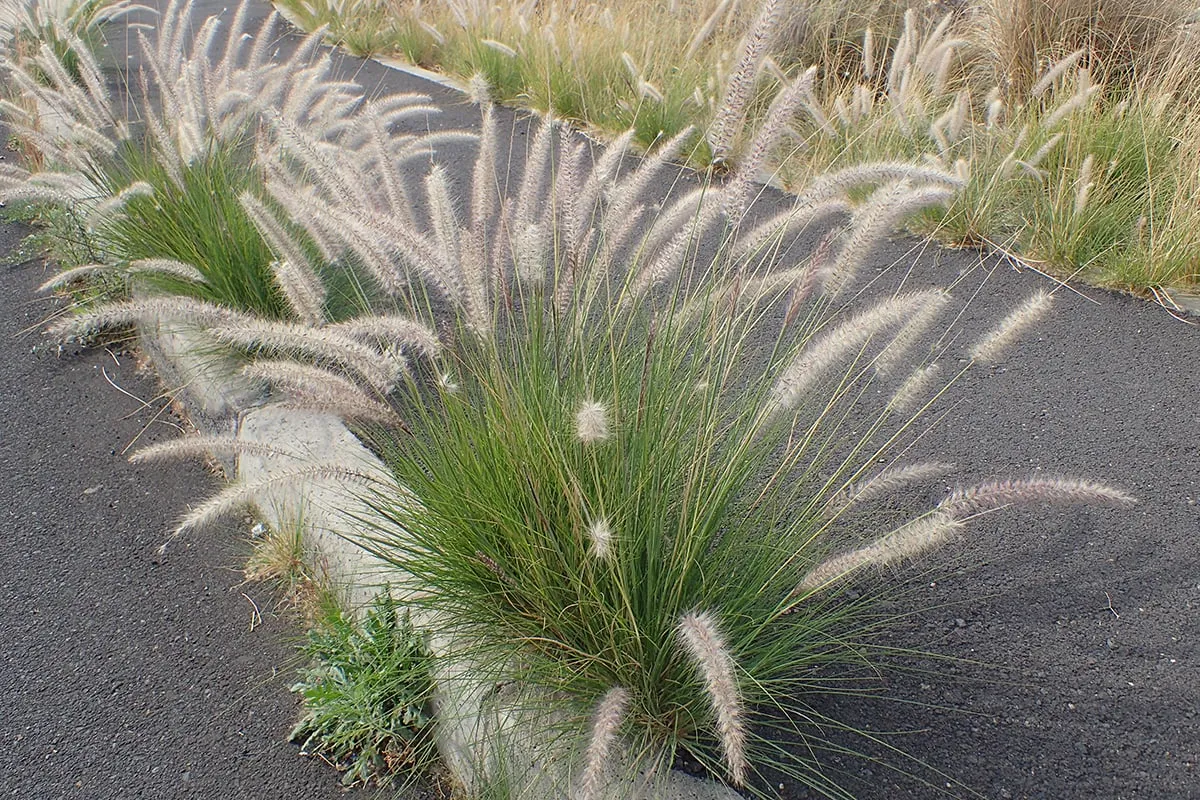
Did you know that varieties of Chinese fountain grass and pampas grasses are on the EU list of invasive alien species? And that some species on this list are still sometimes available to buy? To raise awareness of invasive alien species and curb their spread, the Knowledge Network on Invasive Alien Species was set up in 2019. “We started this network to bring together knowledge and practical information about invasive plants and animals and make it available to everyone,” says co-founder Chris van Dijk, a Plant and Environment researcher at Wageningen University & Research.
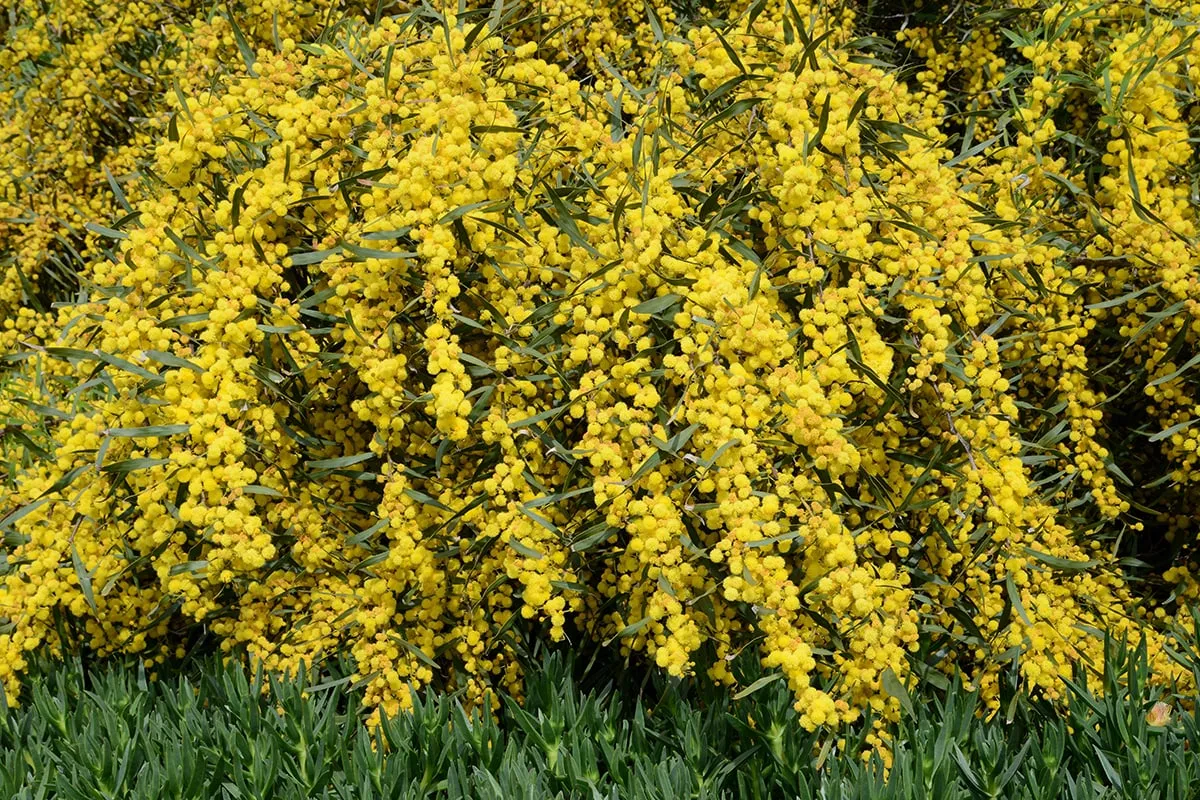
There was recently an uproar in Alkmaar city council over the arrival of a new Robinia pseudoacacia. Thanks to its vigorous growth, this member of the legume family can seriously disrupt biodiversity. Although further investigation showed that the tree was not on the EU list but on the ‘blacklist’, the incident does show that the threat posed by certain plant species is being taken increasingly seriously. And that is a positive development, because they pose a danger to our biodiversity, native species and health. They can also create unsafe situations and cause damage, for example to walls, pipes and paved surfaces. Green professionals therefore need a good understanding of invasive alien species to provide the best possible service. “Clients want to know what is growing on their site, so you are doing them a service by pointing out an invasive alien species.”
Legislation and regulations
Specific laws and regulations apply at European and national level to prevent the spread and negative impacts of invasive alien species as far as possible. The EU has drawn up a Union list of invasive species found in Europe that cause harm, or are likely to do so in the future. Possession, trade, cultivation, transport and import of these species are prohibited throughout the EU.
Information sheets
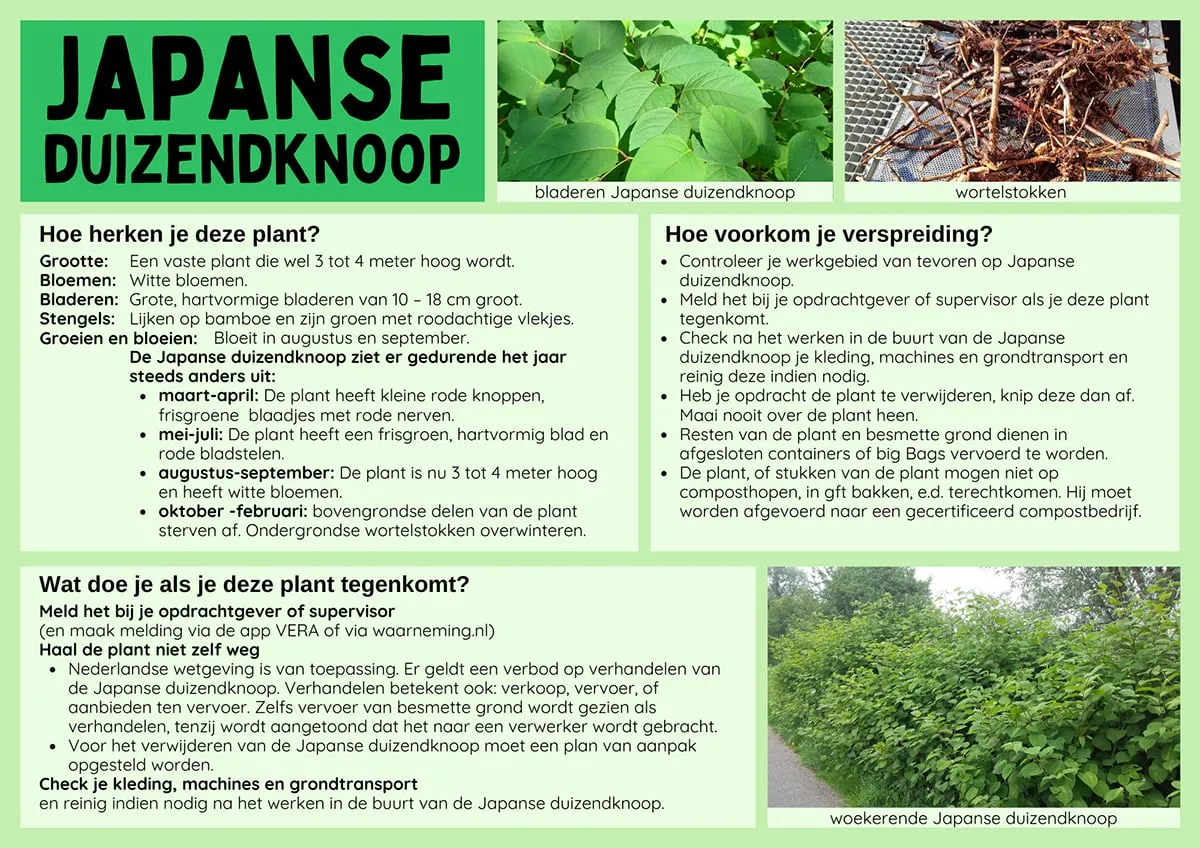
“We are currently developing information sheets for green professionals to help them identify the main invasive alien species and understand what to do when they encounter them. This does not mean tackling them themselves, as that should be left to specialists. Instead, they should avoid moving the species, work around it, brush down their clothing afterwards and clean their machinery thoroughly. It is also important to report it to a manager or client so that action can be taken. These information sheets will soon be available free of charge through VHG.”
Further training
Van Dijk also calls for greater awareness through education. “For example, we are currently working with a vocational school that wants to use the information sheets in its lessons. It would also be a positive development if the subject were included as much as possible in further training for gardeners, for example in their toolbox meetings.”
Knowledge
The Knowledge Network on Invasive Alien Species provides plenty of useful information via its website, www.invasieve-exoten.info. Visitors can find an overview of invasive alien species, including images and useful background information, such as the relevant regulations and the steps to take when a species is encountered.
The website also features an overview of webinars, meetings, organisations and working groups. It also shares the latest news, including new findings and research results.
Finally, the network provides an online forum where users can ask questions. Access is restricted to employees of government bodies, public organisations and nature organisations, allowing them to share cost information or other internal matters safely without making them public.
Question about this story? Ask your question
Keep following this
Get an email when a new story is published. No account needed.
- Subject(Tree) nurseries