Kwekerij Helleborus BV sells more than 125 Helleborus varieties
Text Trees AccouImage Helleborus BV
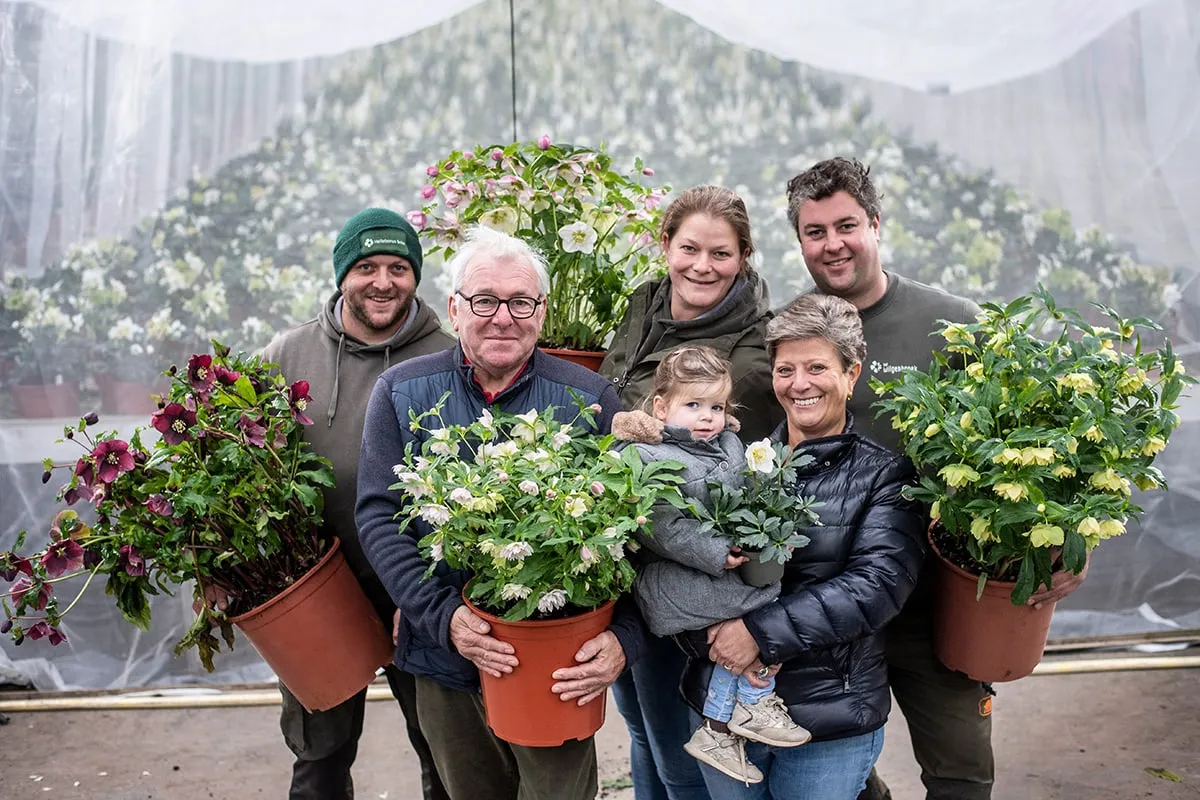
Anyone looking to brighten up a garden, park or urban space in the very early spring cannot overlook the hellebore. This evergreen perennial flowers from January, bringing joy to people and insects alike. Kwekerij Helleborus BV in Oostkamp stocks almost every hellebore variety in the world and continues to develop new hybrids for export and domestic sales. The fact that the wider public is now discovering this remarkable winter-flowering plant is fantastic news for managing director Thierry Van Paemel.
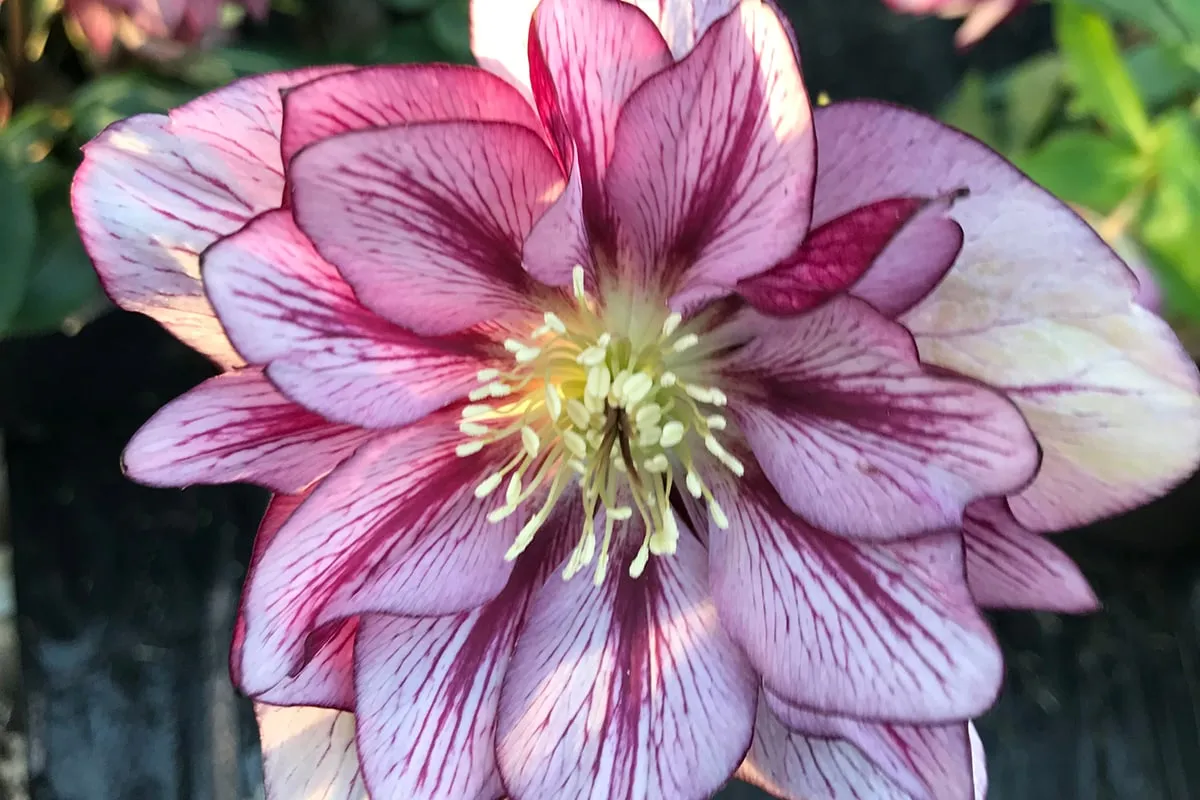
With a colour palette ranging from white and light green to pink and dark purple, there is a hellebore for every garden. Since Kwekerij Helleborus BV began growing this plant 25 years ago, its range has continued to expand. Originally native to the Balkans, the plant is now popular in all parts of the world that experience both summer and winter. “These temperature fluctuations are essential for hellebores to flower,” explains grower Thierry Van Paemel. “The Balkans have hot summers and cold winters. So we export our plants to places with similar temperature variations in Europe, America and Asia, as well as, for example, South Africa.”
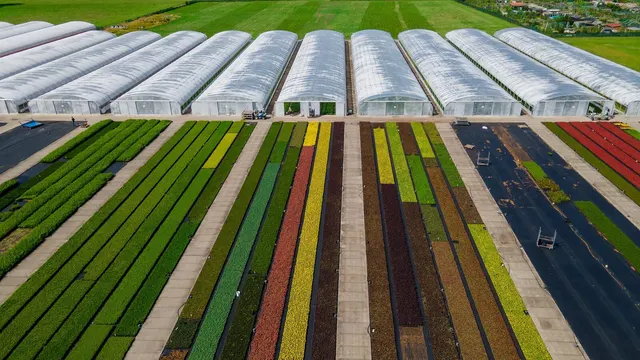
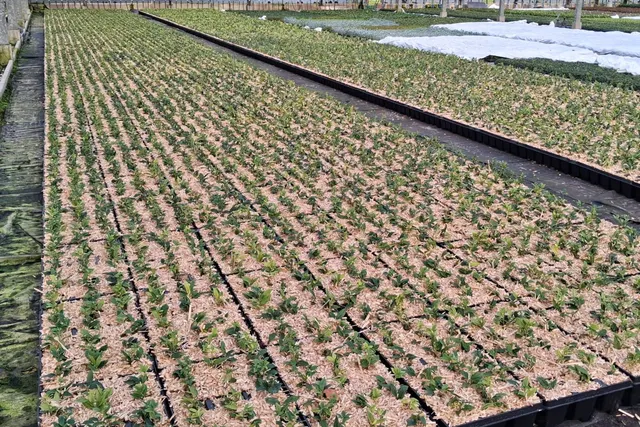
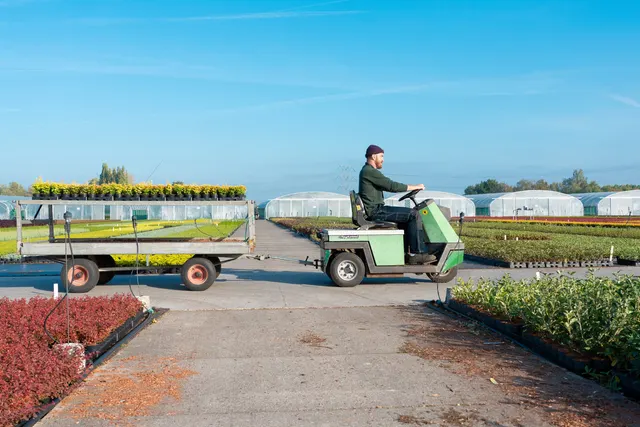
In recent years, the nursery has focused more on improving its varieties, making them even more sustainable, longer-flowering and disease-resistant. It now grows 125 different varieties. As Helleborus is a “cold-loving” plant, it requires little energy to grow on. Helleborus BV grows plants outdoors and in greenhouses, for the comfort of its staff. “We grow both young plants, which we sell to other nurseries to grow on, and mature plants for garden centres. Ninety per cent of our plants are destined for export, but in February private customers can visit the garden centre run by our daughter and son-in-law, Het Wilgenbroek, during our open days. Visitors from across Europe can discover new selections and floral creations by well-known florists.”
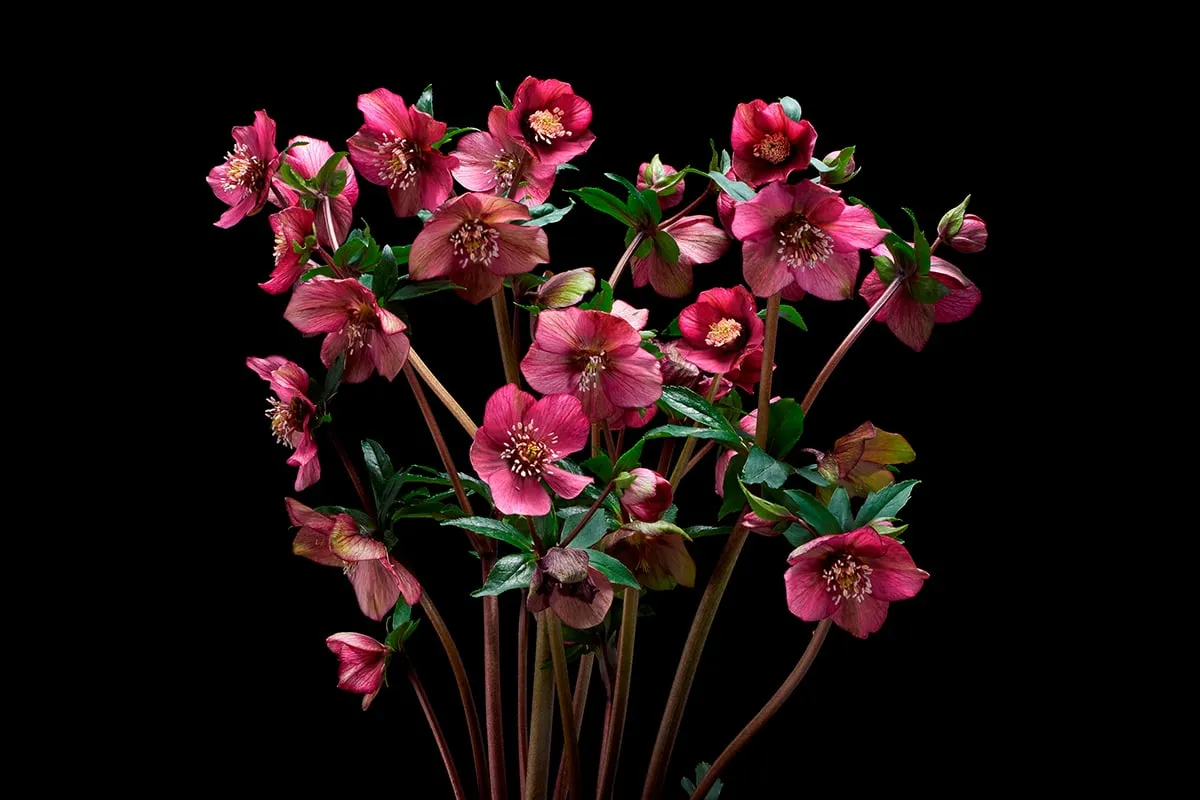
Colour in winter
When the nursery was set up, hellebores had a devoted following, but the plant was less well known among the wider public. Thierry says: “Visually, it did not match what garden centres wanted to offer. By focusing on breeding and new growing techniques, we are now meeting those requirements more closely. With an attractive, consistent range of different varieties, we reach a much wider audience through garden centres than we did at the beginning. We have also noticed that consumers pay more attention to their gardens in spring and autumn. There is an overabundance of plants in summer, but outside those periods the hellebore really stands out. People also want to enjoy their gardens in winter, with plants that bring colour to the darkest days.” Insects, too, appreciate an early spring flower. When they emerge in early spring, bees are drawn to hellebores.
As well as for its flowering season, the hellebore is increasingly popular as a ground cover plant. “With evergreen selections such as ‘Helleborus Snow Love’ and ‘Helleborus Candy Love’, we offer a low-maintenance plant that thrives in public green spaces and gardens. In Belgium, the hellebore is not yet widely known for this use, but landscape architects in countries such as Germany are firm fans of the plant, as it flowers in winter, stays evergreen and provides ground cover.”
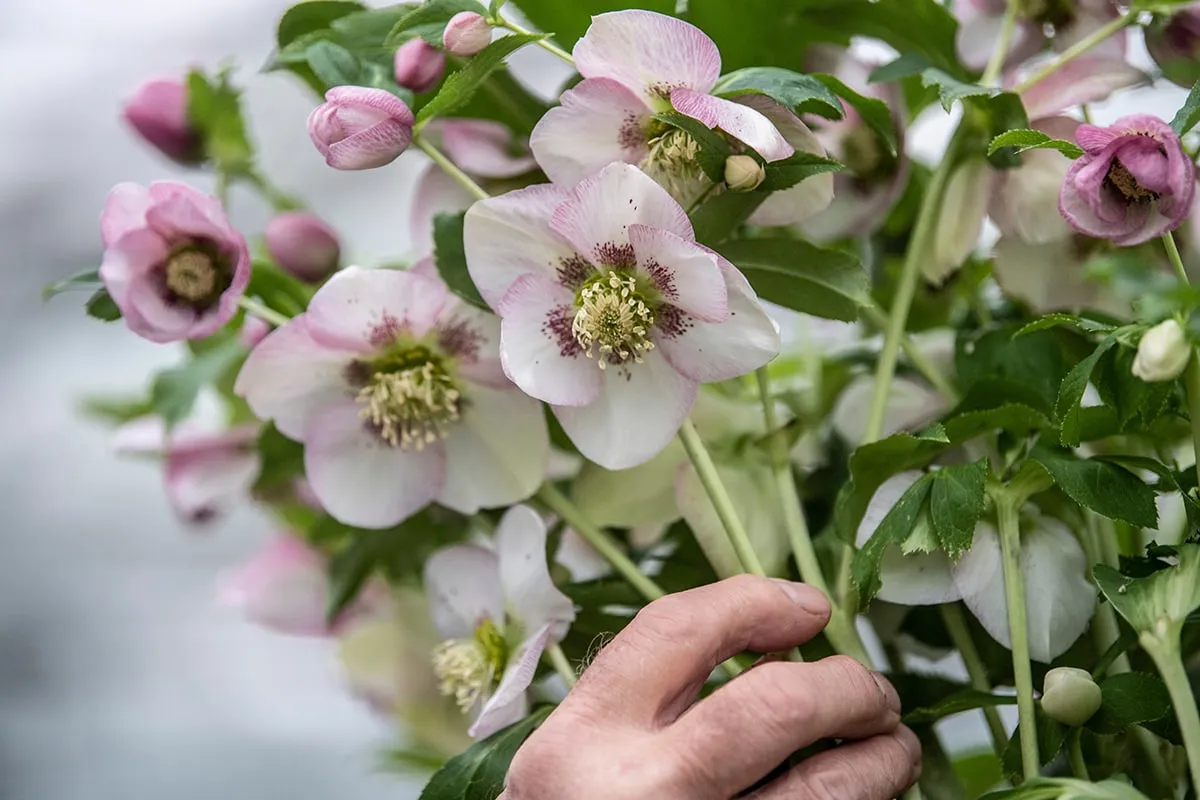
The right soil
If you are planting a hellebore flower bed, it is important to choose well-drained soil, such as sandy loam, with plenty of lime. “Hellebores like full sun in winter, but prefer a spot in partial shade in summer, ideally beneath a deciduous tree. Adding bentonite to sandy soil helps regulate moisture, keeps nutrients available to your plants for longer and promotes plant growth. The period from September to February is ideal for planting this species. There is no harm at all in planting hellebores in flower directly into the ground, so you can enjoy the blooms straight away.”
Question about this story? Ask your question
Keep following this
Get an email when a new story is published. No account needed.
- ThemeTrees and plants of tomorrow
- Subject(Tree) nurseries