Round-up on the impact of coronavirus on Dutch and Belgian businesses. Growers have little to complain about, quite the opposite
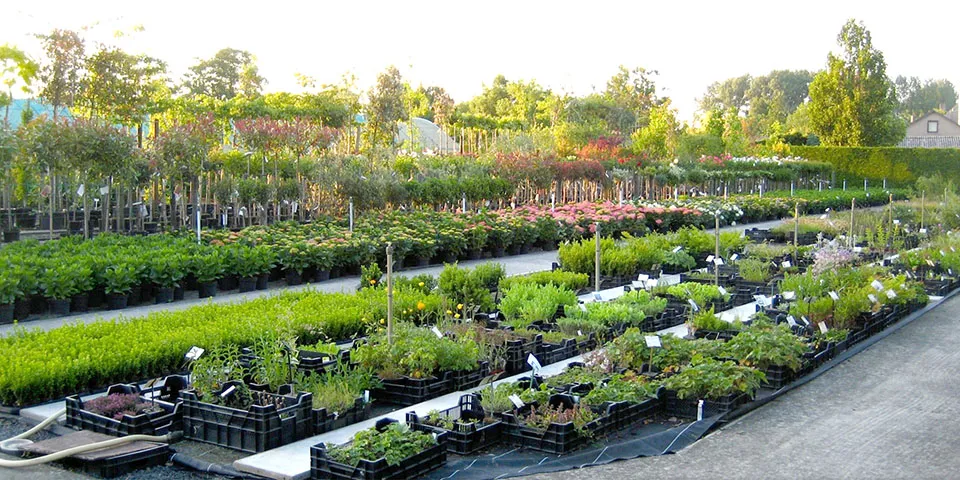
The Dutch and Belgian tree nursery sector performed well during the coronavirus crisis. Growers specialising in Belgian public-sector projects were an exception, as these projects were put on hold or cancelled. That is the conclusion reached by Greenpro after speaking to growers in both countries. The lockdown was not the only factor. Shortages were both a cause and a consequence of the surge in demand for greenery.,
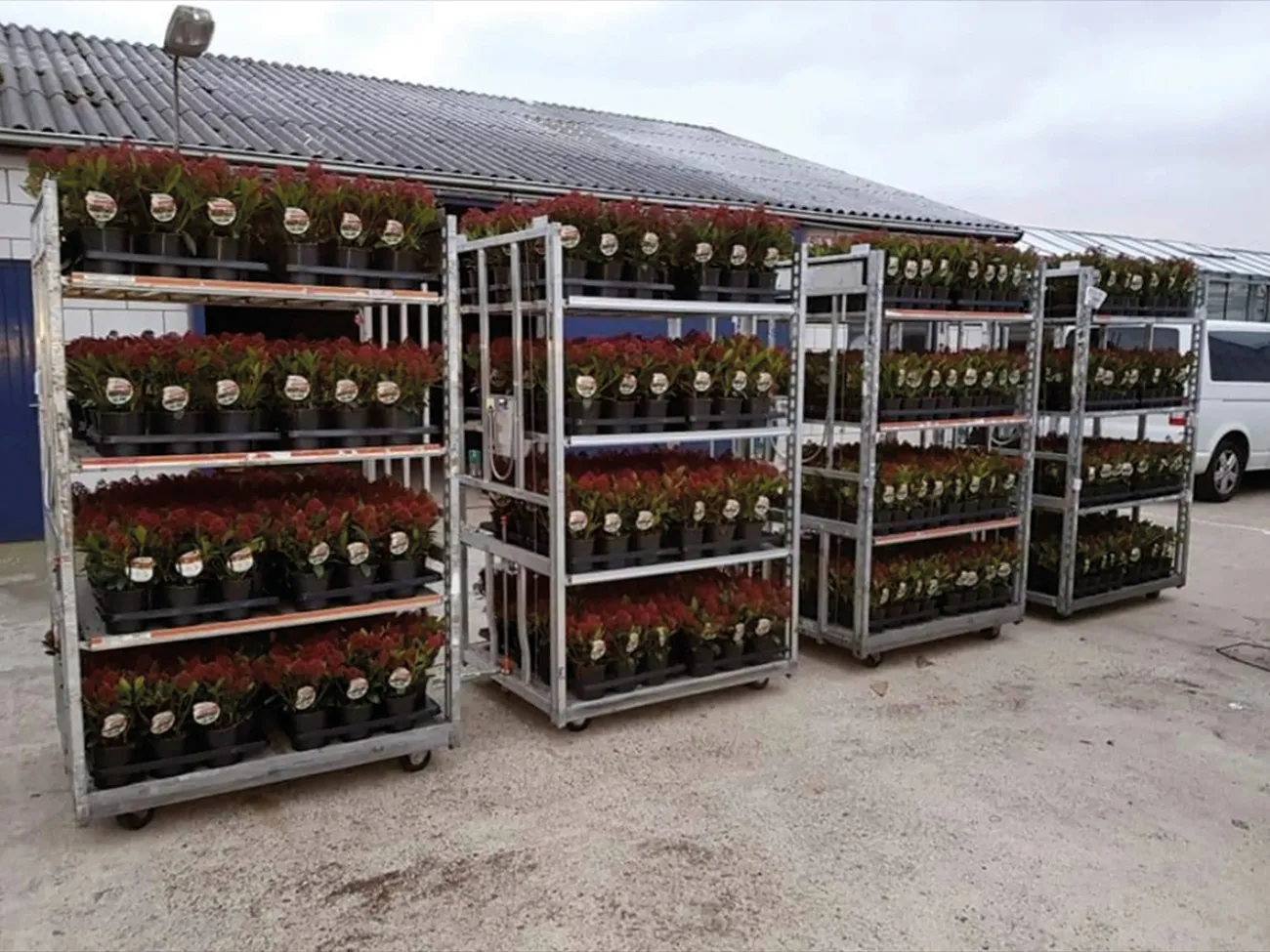
Some growers were also on tenterhooks later in the year. David Moerings grows Skimmia in Boskoop in the Netherlands. When trade came to a halt for a few weeks in March, Moerings was not particularly concerned. But in autumn 2020, when the business had a considerable number of orders in the pipeline with garden centres in Belgium and the Netherlands, they closed their doors. This meant the original garden centre orders were cancelled. Florists and DIY stores in Germany also cancelled orders.
Crisis breeds creativity
Moerings: “We had to work hard to find other ways to sell the products. This was especially difficult with the larger pot sizes intended for garden centres, such as P7.5 and P10, which we mainly sell in October and November: their average selling price was much lower than usual. We sat down with chains that could not honour their agreements. We looked for flexible solutions, such as selling part of the stock on to another party, or delivering smaller batches each week instead of one large consignment, as happens with major Skimmia promotions involving around a hundred trolleys. Time was of the essence, because once Skimmia starts flowering, you can no longer sell it. We did everything we could to ensure that as few plants as possible were left unsold. If more growers had had to do the same, there would have been a surplus next year. Fortunately, we made up for the losses in late January and February. All in all, it was not a bad year, but it could have been better.”
Flying off the shelves
Willaert Boomkwekerij in Roeselare, Belgium, is a wholesale business with divisions covering landscaping, garden centres, cash & carry, and local authorities. It works with sixteen production nurseries that grow exclusively for Willaert, and also operates as a trading business. It buys a lot from the Netherlands, as well as from France, Germany and Italy.
Bart Jackers of Willaert has worked in sales for more than twenty years and says that 2020, when coronavirus struck, was the best year ever for the business: “Plants and trees for the green sector flew off the shelves, causing shortages at nurseries. In May this year, we were almost relieved when the extreme pressure eased a little, because we were struggling to fulfil orders in full.”

Back to business quickly
When coronavirus broke out in March 2020 and governments announced that people could no longer have physical contact with one another, Willaert Boomkwekerij was briefly concerned about how the situation would develop. The business was shut down for about ten days during that period. Transport for work purposes was allowed to continue, but strict measures were in place governing physical contact between people.
Jackers: ‘Our business has more than a hundred employees and prepares thirty lorries for transport every day. During those ten days, we reviewed our logistics operation to see how we could organise it in such a way that there would be no physical contact. Once we had that in place, we resumed operations. Sales staff in the office worked from home as much as possible, freeing up more space in the office for administrative staff. Screens were also installed in the office.’”
Willaert Boomkwekerij continued to fulfil orders. The coronavirus situation in Italy was very serious. Trade with the country was halted for three to four weeks, meaning imports from there were impossible until May.
Trade returned to normal from May onwards, and business was better than average heading into autumn. “In May 2020, we also benefited enormously from the reopening in April of Belgian garden centres that sell pet food. Because people were not allowed to go on holiday, they invested heavily in their gardens.”
Booming business
Boomkwekerij Fleur is a major importer, distributor and wholesaler of flowers and plants in Zonnebeke, Belgium. It mainly supplies garden centres and supermarkets, and is active in the public-sector market to a small extent. Project manager Lien Vanpoucke: “Fleur boomed across all segments during the coronavirus crisis. People could no longer eat out at restaurants or go on holiday, and prioritised things such as their gardens. As shops were allowed to reopen during 2020, coronavirus had a limited impact on us. We were not completely unaffected, because the period when shops closed is normally our busiest time of year. But by the end of 2020, we were back at the same level as in 2019. 2021 then proved to be a year of business like no other.”
Shortages
Boomkwekerij Udenhout in Udenhout, the Netherlands, also had an exceptionally good year during the coronavirus crisis. Measures were quickly put in place to ensure people could keep their distance from one another. Boomkwekerij Udenhout was able to resume most deliveries fairly early on. Cancelled orders were reinstated or sold on after the company found creative solutions.
Sales representative Franky Vandeputte’s customers are mainly in France. “Turnover has increased in both France and Belgium, partly because Boomkwekerij Udenhout added another sales representative to its team last year. In autumn 2020, the British and Irish built up their stocks in large numbers ahead of Brexit, before the measures at the UK borders came into force. This generated quite a lot of business for Boomkwekerij Udenhout through its business-to-business trade with England. Many orders have also been placed across the board for next year, including from Belgium. There are shortages of everything: trees, forest and hedge plants, and especially fruit trees.”

A sigh of relief
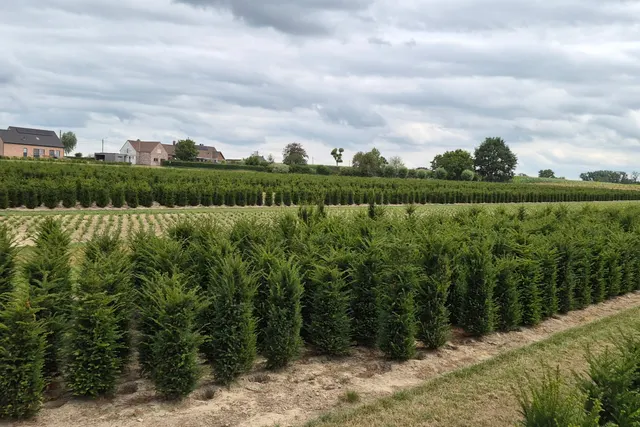
Boomkwekerij Dirk Waelkens in Zulte, Belgium, is half an hour from Ghent. Its core business consists of yew, hedge plants, ornamental plants and Christmas trees.
His son Bert took over the business from his father Dirk in 2016: “We got through 2020 well, but we had already noticed a shortage of plants and trees in 2019. This shortage is due to a combination of factors, including a shortage of growers, as many businesses in Belgium have already closed, the need to replace plants damaged by dry summers, and gardens being redesigned after large beds of boxwood affected by disease were replaced.”
When lockdown began in March 2020, Waelkens was at a loss: “From March to May, we sell most of the production from 2019, so a complete lockdown would have been disastrous.”
Waelkens would normally start producing his container-grown plants that month. Yew and hedge plants are planted in the ground in April. The business had already bought all the necessary materials from its suppliers. “We did not know how this crisis would turn out, and were afraid we might have to throw everything away. But now that we have drawn up the full balance sheet, we can breathe a sigh of relief and see that we have performed as well as in other years. 2020 may even have been slightly better than 2019.”
Waelkens concludes that Belgium’s tree nursery sector has generally come through the crisis well compared with other sectors, particularly hospitality and travel. “We have very little to complain about,” he says.
Public-sector projects
Although the overall trend was positive, the coronavirus crisis was not all plain sailing for the Belgian tree nursery sector. In the Netherlands, according to Thomas de Ruiter of Boomkwekerij Udenhout, public-sector tenders went ahead because construction plans are drawn up years in advance. The public-sector market in Belgium presented a different picture.
“The private market is booming, but I get the impression that since coronavirus arrived, public-sector tenders have been put on the back burner,” says Jackers of wholesaler Willaert Boomkwekerij. “In fact, all those projects came to a standstill because of coronavirus and were postponed or cancelled. Local authorities do plan projects in advance, but circumstances often mean those deadlines are exceeded anyway. Nurseries that grow mainly for public-sector projects are certainly having a hard time in Belgium. Greenery continues to have a positive effect on the streetscape, though. We hope things get back on track soon.”
Question about this story? Ask your question
Keep following this
Get an email when a new story is published. No account needed.
- ThemeTrees and plants of tomorrow
- Subject(Tree) nurseries