The challenges facing tree nurseries
From ecological growing to automation
Dutch and Belgian tree nurseries have weathered the coronavirus crisis well. Lockdown measures drove a sharp rise in demand for greenery. Today, however, new challenges are emerging. Labour shortages, soaring energy prices, the rising cost of living and scarce raw materials are just a few of them. Not to mention automation and digitalisation, running a sustainable business and adapting to weather conditions that seem increasingly extreme. How are business owners tackling these challenges?
We asked four professionals for their views: Marian Maenhoudt (owner of Laurica-Plants), Franky Vandeputte (PR manager at Boomkwekerij Udenhout), Lucas De Nolf (owner of Boomkwekerij Willy De Nolf) and Paul Vermeulen (owner of Janeko).
Looking back on the coronavirus period
The outbreak of the coronavirus crisis and the lockdown measures that followed took growers by surprise. “Because our professional customers, including garden centres, had to close their doors or operate at a slower pace, it was not easy to deliver our products according to the planned schedules,” says Vandeputte. “Fortunately, this uncertain period lasted only a few weeks, so we were able to quickly return to our usual pace afterwards,” adds Maenhoudt. “And of course, we took every possible safety measure at our nursery to protect our staff as well as we could,” says De Nolf. “A colleague occasionally had to take time off sick, but overall the impact was limited.”
During the subsequent waves of coronavirus, uncertainty gave way to a sharp upturn in business. “More and more people discovered the pleasure of gardening. As a result, our end customers, including landscapers, garden centres and fellow nurseries, quickly filled their order books. This naturally had a positive effect on our turnover,” says Vermeulen. His colleagues agree, although Vandeputte also sees a downside: “Unfortunately, it was almost impossible for any of us to meet our customers in person. Personal advice on trees and plants is very important in our sector. Providing advice remotely was not easy.”
Brexit and the Russia-Ukraine conflict
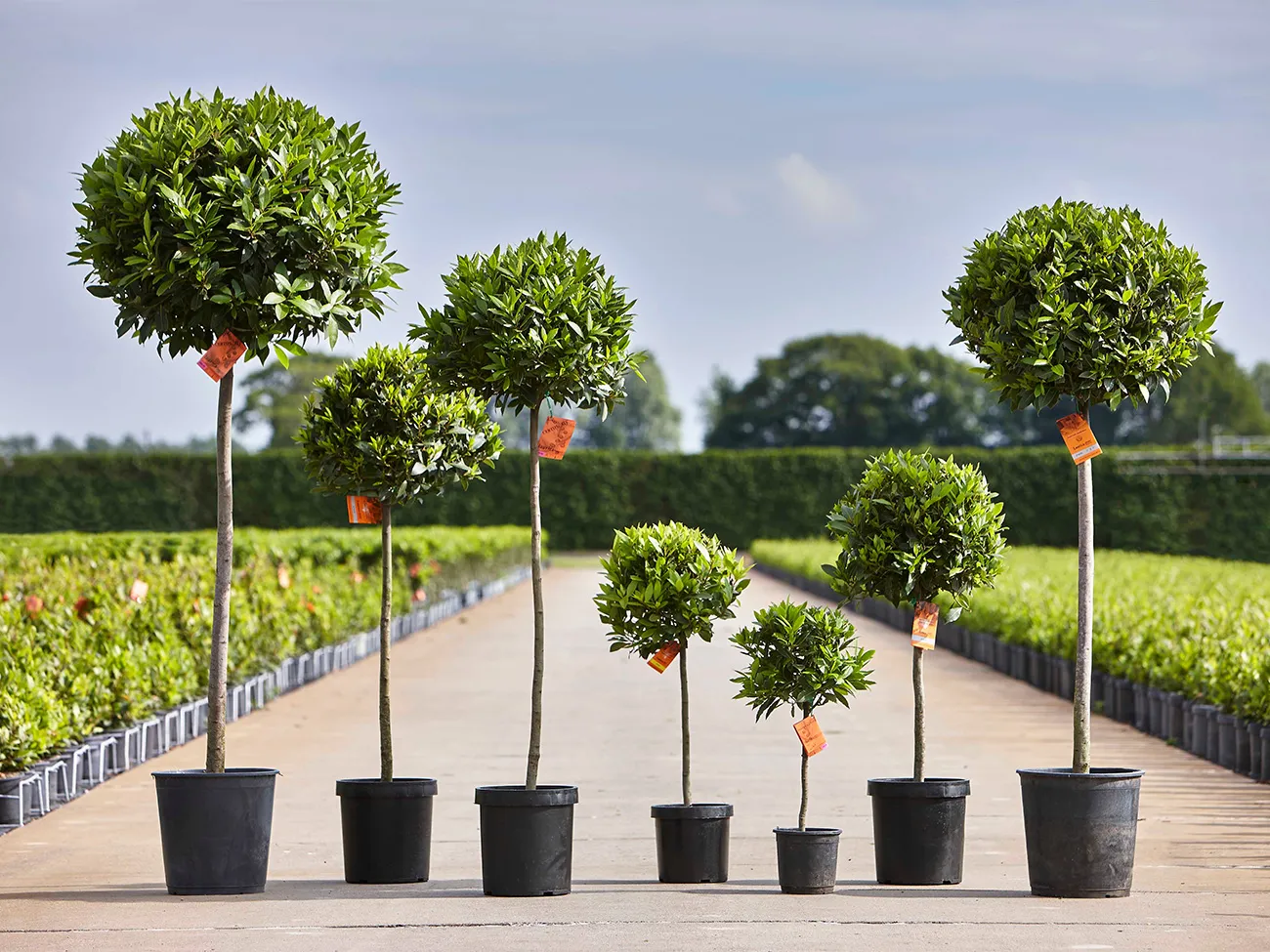
The experts also point to Brexit as a challenge that should not be underestimated. “The United Kingdom is an important export market for laurel,” confirms Maenhoudt. “Fortunately, the number of orders has remained stable, but we have had to take on a lot of extra administrative work. This has pushed up costs. Fortunately, we were well prepared for the change.” De Nolf agrees: “We had also made the necessary preparations. Even so, we are not looking forward to the more complex administration and supply chains. We pass on the extra costs in our prices.”
It goes without saying that the conflict between Russia and Ukraine is also having far-reaching consequences for the nursery sector. The impact is keenly felt, both directly and indirectly. “The war has created considerable uncertainty,” says De Nolf. “Disrupted supply chains, shortages of raw materials and the loss of export markets are putting pressure on the sector. As our sector follows the construction industry, where projects are at risk of grinding to a halt, we will have to wait and see how things develop.”
Vermeulen adds: “I have a feeling that the war, combined with the rising cost of living, is putting landscaping investments on hold. I hope my gut feeling is wrong…”
Sustainability and ecology
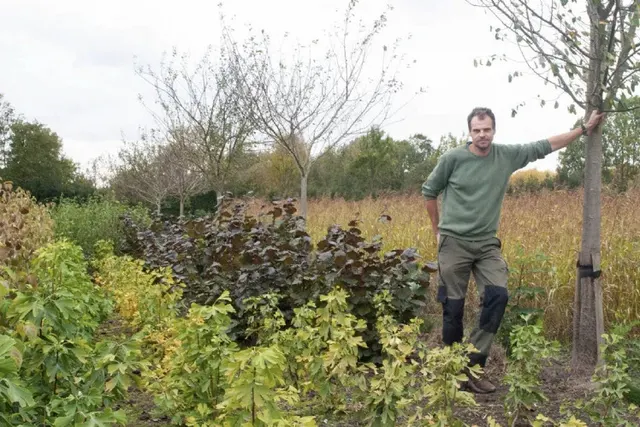
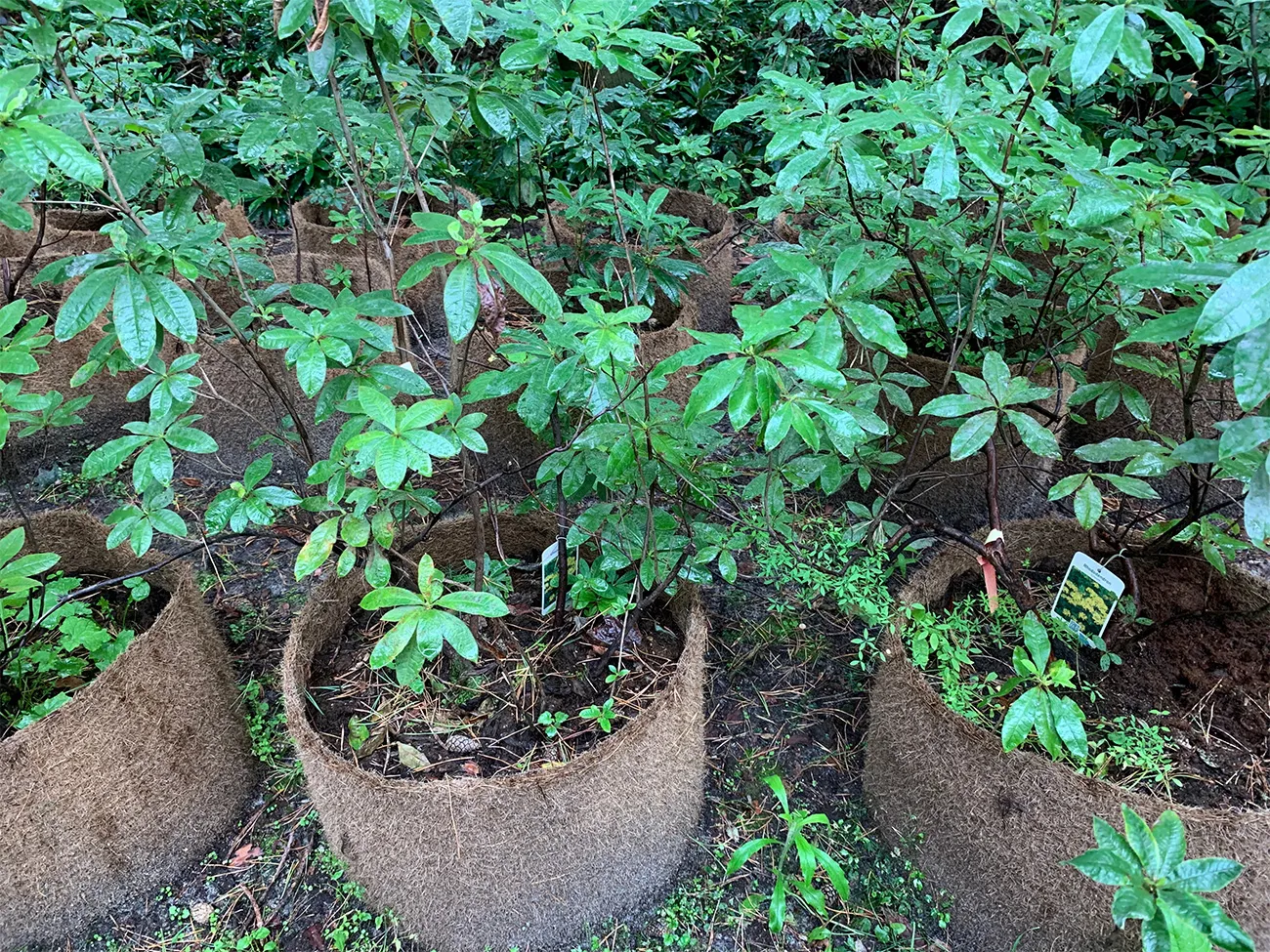
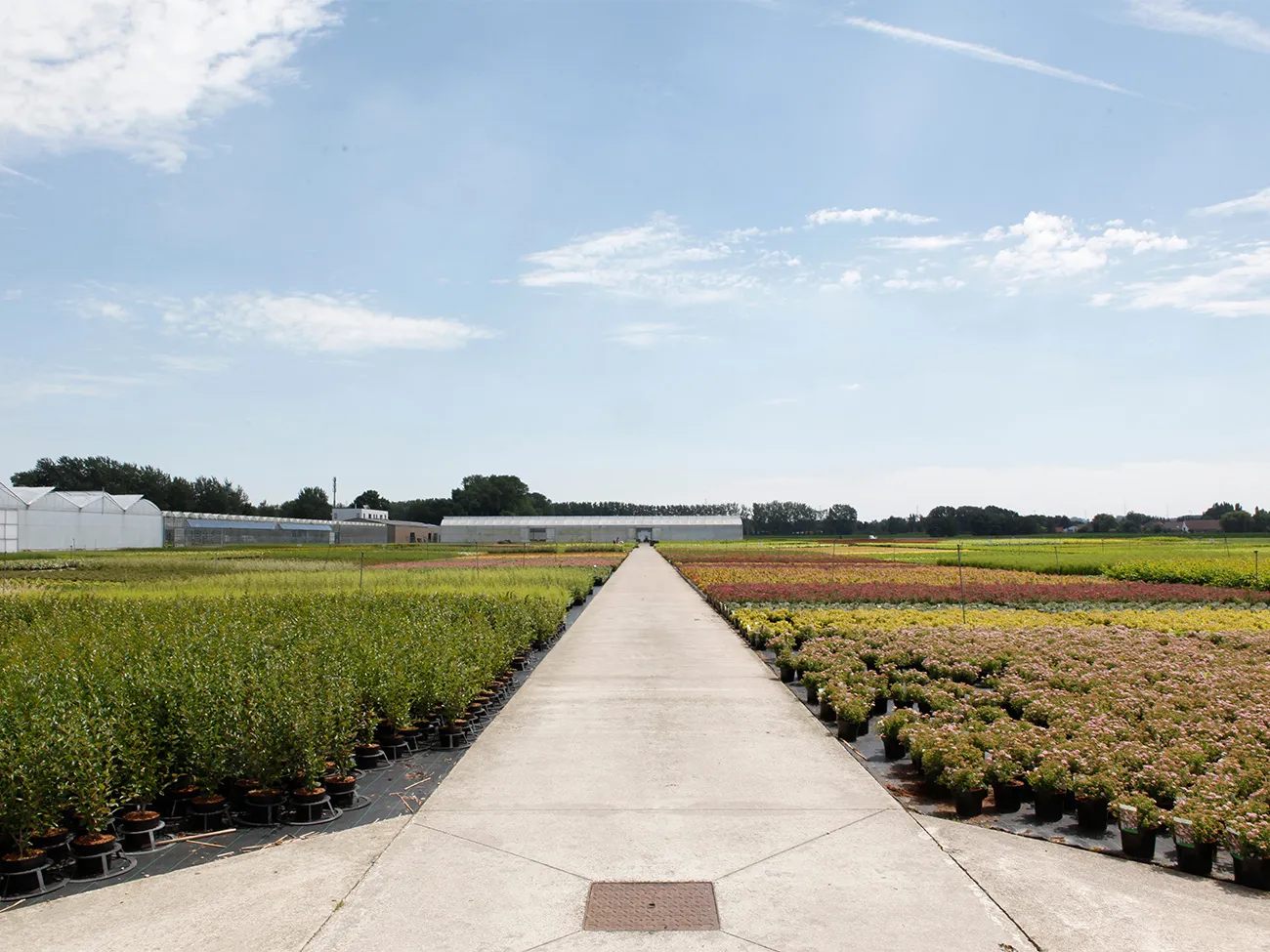
Sustainable and ecological growing is a key issue for all the nurseries. They are investing heavily in techniques to grow crops in an environmentally and climate-friendly way. Vermeulen takes an максимально green approach to growing his rhododendrons: “We grow our plants in a forest. This natural setting makes our work quite challenging, but it also helps our rhododendrons literally grow into strong plants. They have to find water and nutrients on their own. We use as few pesticides and fertilisers as possible. The mown weeds are left in place, along with leaves and needles. We also keep watering with rainwater to a minimum, partly because it is difficult to do in practice in a forest.”
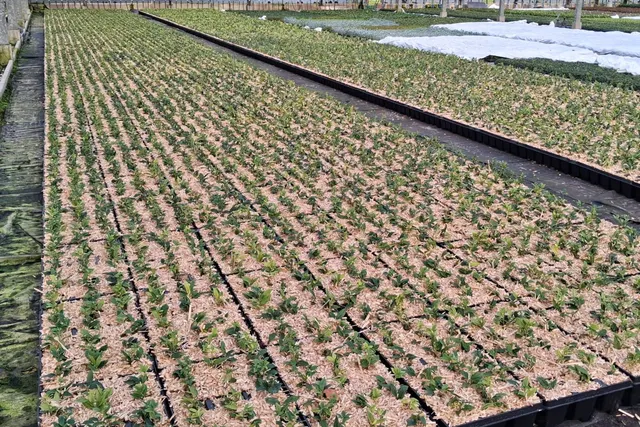
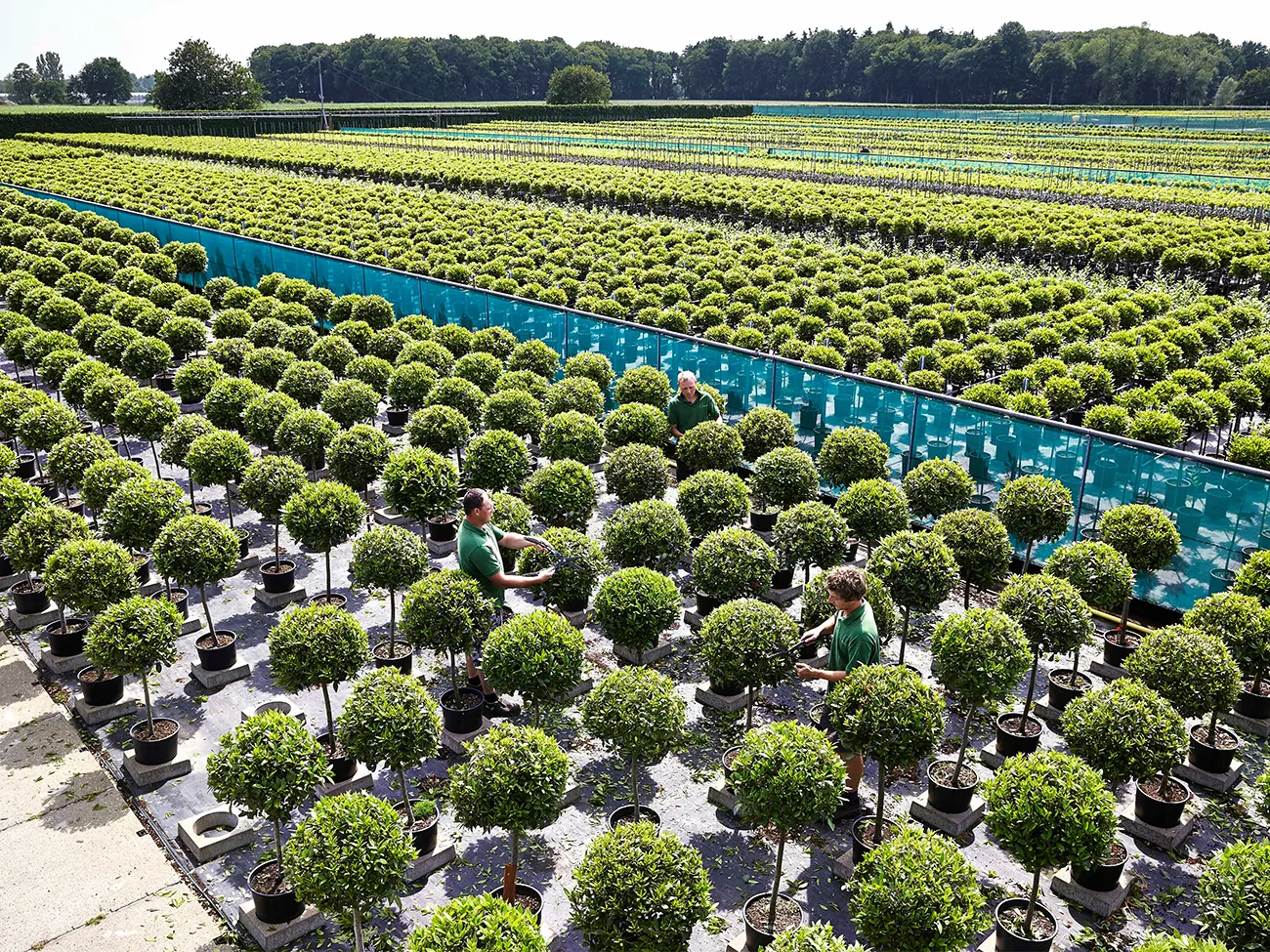
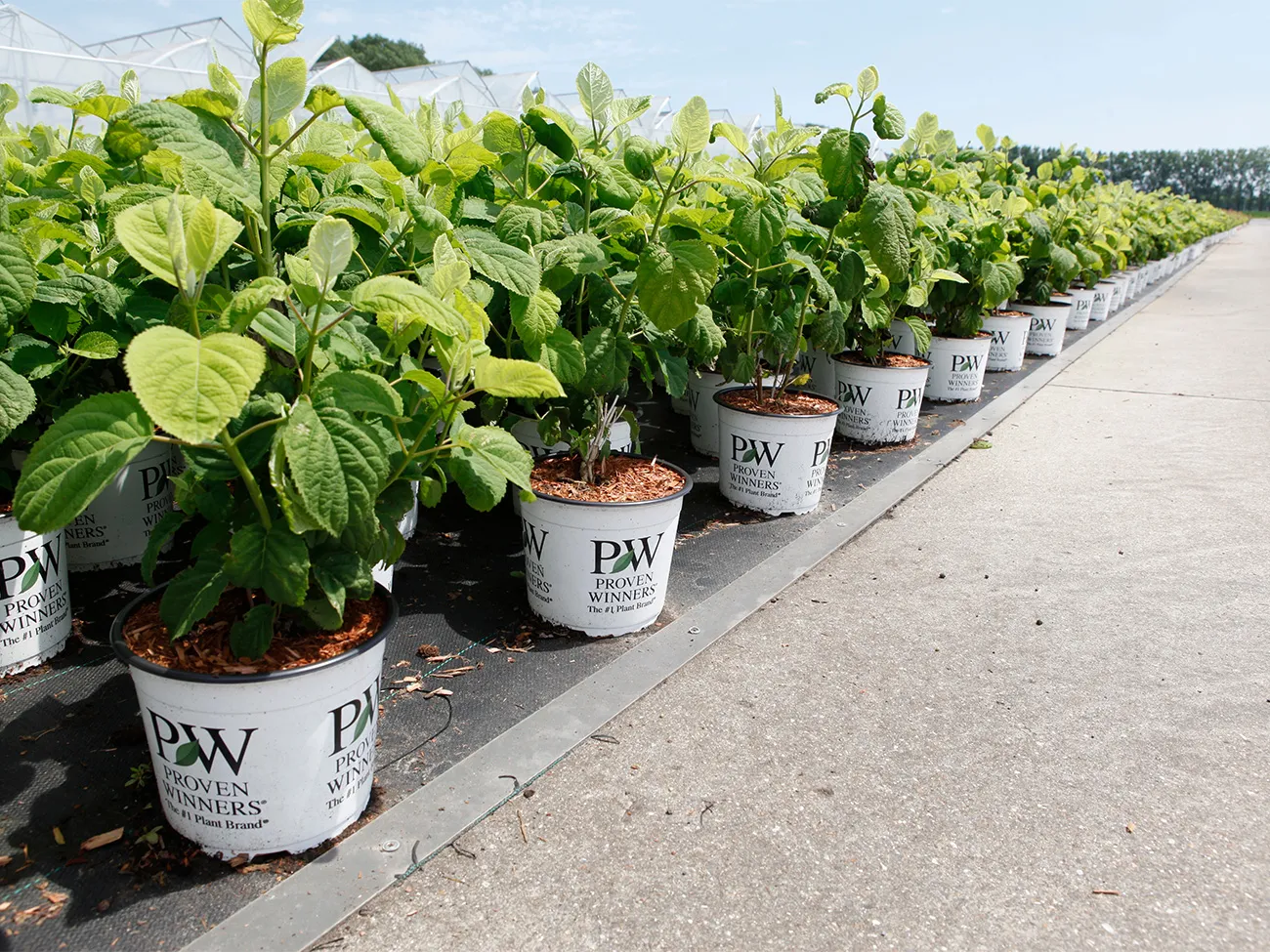
How does Maenhoudt’s team approach this? “For several years now, we have been placing mats on the potting soil of our young laurel plants. This limits weed growth and therefore the use of sprays, although it also calls for a different approach to things such as fertilisation. We also have to use water ever more sparingly. That is why we continue to invest in new container fields, make sure the water is directed as precisely as possible onto the plants, and collect all surplus water in a 4-million-litre reservoir. The water is filtered and then reused.”
A shared responsibility
Boomkwekerij Willy De Nolf also spares no expense or effort in this area. De Nolf explains: “We control weeds manually, never chemically. We do use chemical methods to control plant diseases, but always with a mix of products that work in the short term and are therefore traceable on our plants for no more than a few weeks. We also use only cold, slow-release fertilisers, which we dose as carefully as possible for each plant. As a result, we see virtually no leaching in our recycled water.”
“Boomkwekerij Udenhout takes a similar approach,” says Vandeputte. “We are constantly looking for alternative methods and materials to grow better-quality plants more sustainably. This also often helps us deal with the problem of items that are scarce and/or out of stock. Meeting the highest environmental standards has become part of our company’s DNA. We believe local authorities, which are important customers for us, should buy as sustainably as possible. With good business management and a well-considered production method, we can offer trees that are not much more expensive.”
Energy efficiency
The four nurseries are models of energy-efficient management. “At Boomkwekerij Udenhout, we are currently installing 4,000 m² of solar panels, which will generate almost one megawatt per year,” says Vandeputte proudly. “Our next goal is to produce our own hydrogen for our machinery. A large part of our vehicle fleet is already electric, too.”
What is Boomkwekerij Willy De Nolf doing in this area? “At the moment, we do not yet have our own solar panels. Unfortunately, our plan to install our own 150-metre-high wind turbine cannot go ahead. Most of our extensive vehicle fleet is electric. We recently bought a new electric motor.”
As mentioned above, Laurica-Plants is already making significant efforts to use water as efficiently as possible. “We are making similar efforts to generate electricity,” says Maenhoudt. “Our own solar panels allow us to operate our watering vehicles more sustainably. The fact that we hold an MPS-A label is proof that we are on the right track!”
Investing in automation
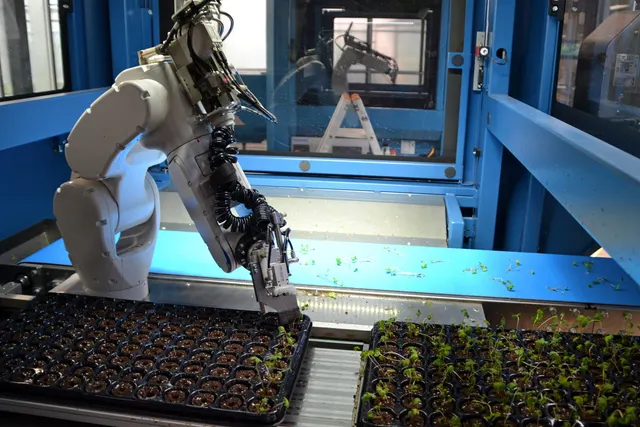
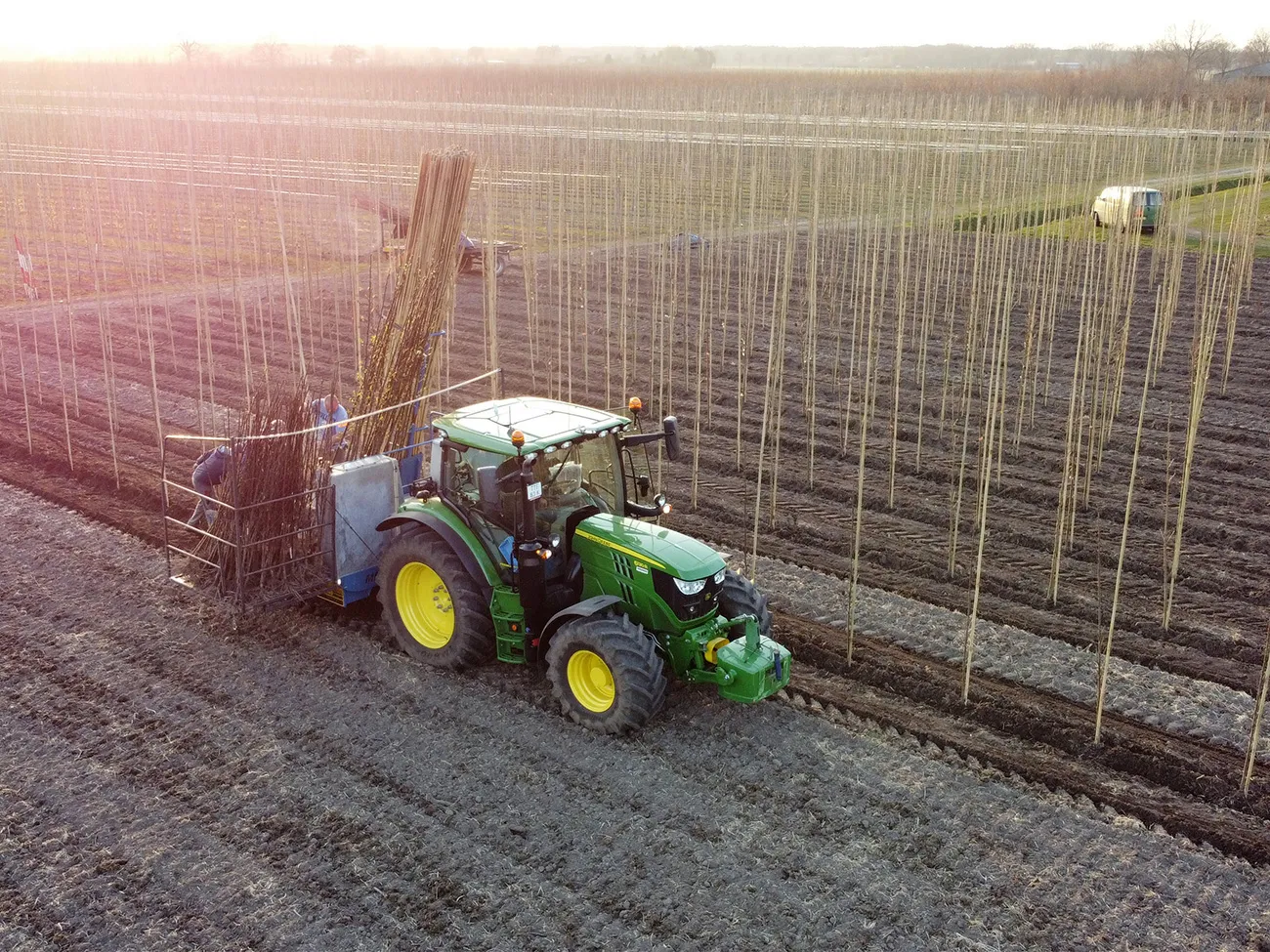
Sustainable and ecological growing is not the only essential issue for the sector. Automation and digitalisation are just as important. Our panel can point to some impressive achievements in this area, too. Vandeputte is first to speak: “We are going all in on automation. All our trees are planted using GPS. We are testing the next steps, including driving through the entire nursery every month with a tree caliper. As the robot measures the trees’ growth in girth, we can see their development in real time and always have an accurate picture of our stock. Next, we are focusing on digital tagging. Each sales colleague has an iPad with a GPS connection, allowing them to tag every tree digitally in the nursery. When an order is placed, the harvesting team takes over and attaches an RFID label to the tree as it is lifted. From then on, we can track the trees digitally throughout the post-harvest process.”
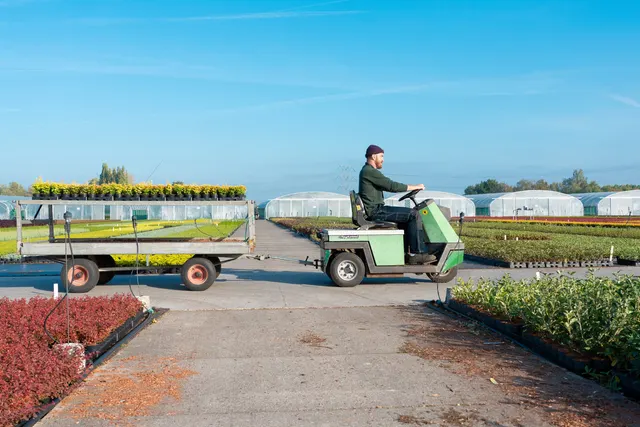
De Nolf is just as enthusiastic about the opportunities automation offers in 2022. “Automation and robotics are essential for our business too, because we grow more than one and a half million plants. We are making full use of the technology, particularly for smaller pot sizes. Smaller pots are moved manually only during order picking. Before that, they are moved using, among other things,
plant forks.”
Maenhoudt has the final word: “At Laurica-Plants, plant forks have become an indispensable means of transport. Buffer and conveyor belts are also proving their worth. They allow our staff to work at height in safe, ergonomic conditions. The use of machinery in growing and pruning laurel is relatively limited. The plant’s value lies in the ornamental quality of its leaves. If you prune mechanically, the leaves are cut in half, so you lose an important aesthetic feature. For this reason, our plants are pruned mechanically only to a very limited extent, and all shaping pruning in recent years has been done by hand.”
Question about this story? Ask your question
Companies in this story

Keep following this
Get an email when a new story is published. No account needed.
- ThemeTrees and plants of tomorrow
- Subject(Tree) nurseries
- CompanyLaurica Plants