Three essential tips from Rhodoskwekerij
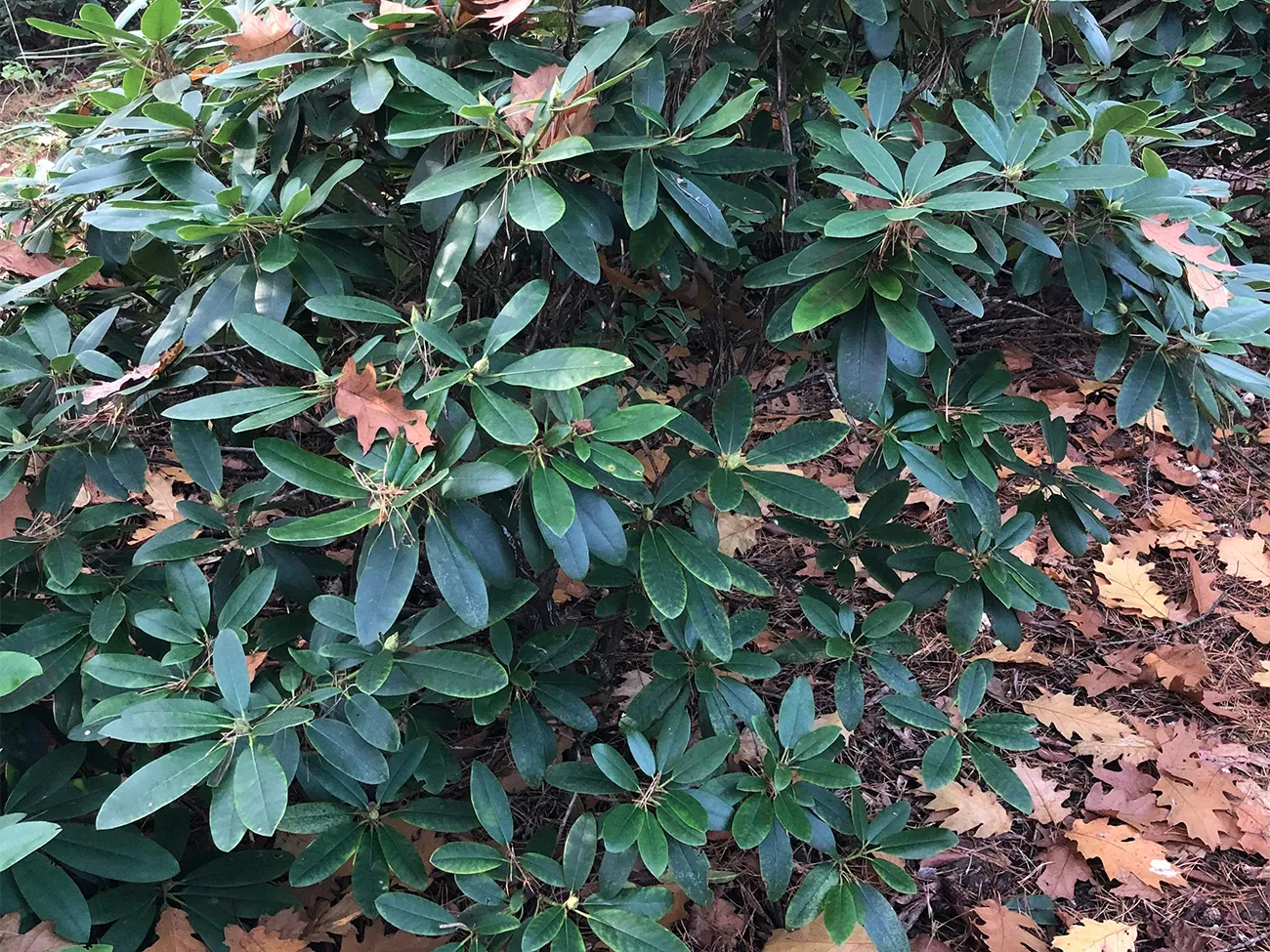
How to protect rhododendrons from drought
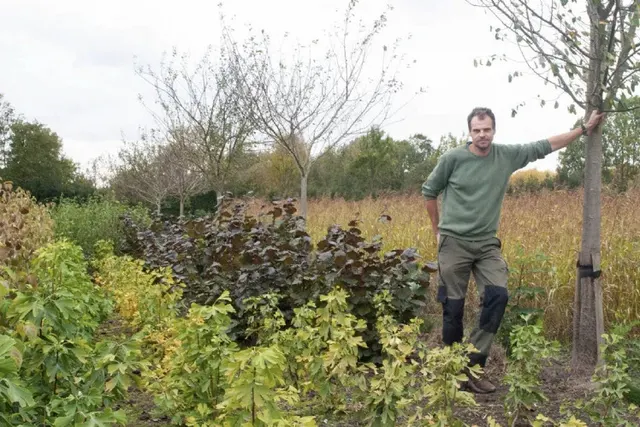
Scorching heat and unprecedented drought. That sums up the summer of 2022. It is no surprise that many lawns are brown and many newly planted plants have failed to survive. But mature plants are also suffering from the prolonged drought. Paul Vermeulen of Rhodoskwekerij explains how to protect rhododendrons.
“Rhododendrons are sensitive to drought,” Vermeulen admits. “Their roots are shallow. This means the plants benefit from fresh rainwater even after the slightest rainfall, but it also means that during prolonged dry spells they cannot draw water from deeper layers of soil.”
Choosing the right plant
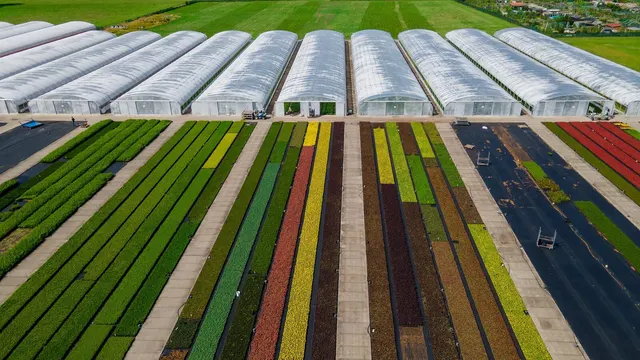
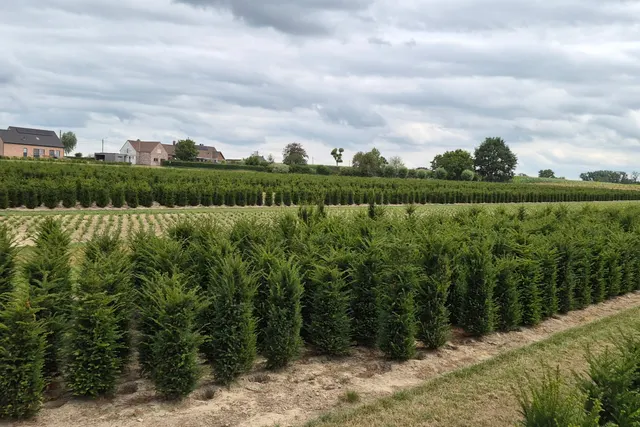
It all starts with choosing the right plant. “Many rhododendrons are grown in pots. They receive plenty of water and can therefore struggle to adapt to drought. We choose instead to grow rhododendrons in a natural environment. This produces robust plants that can withstand some drought.”
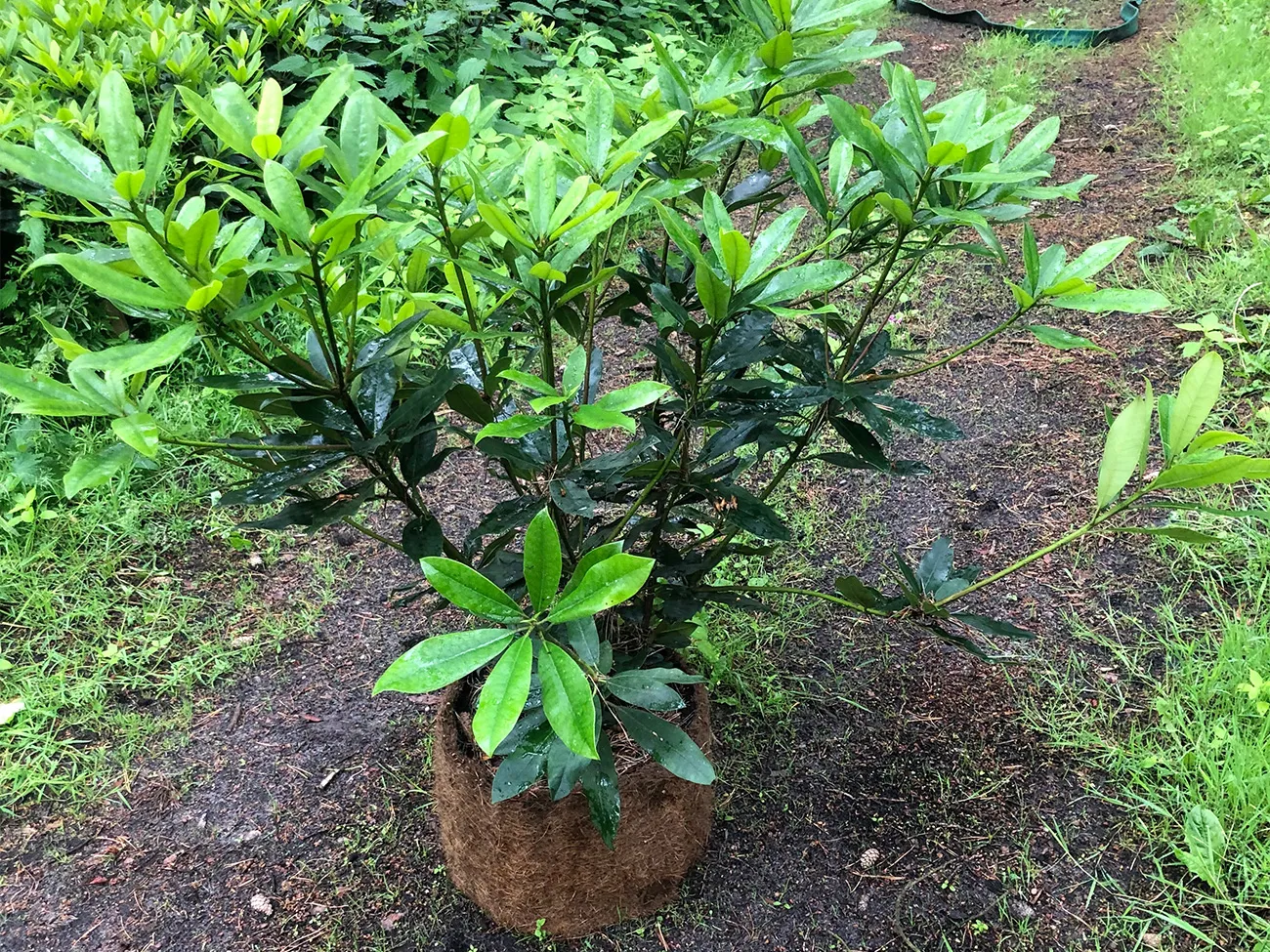
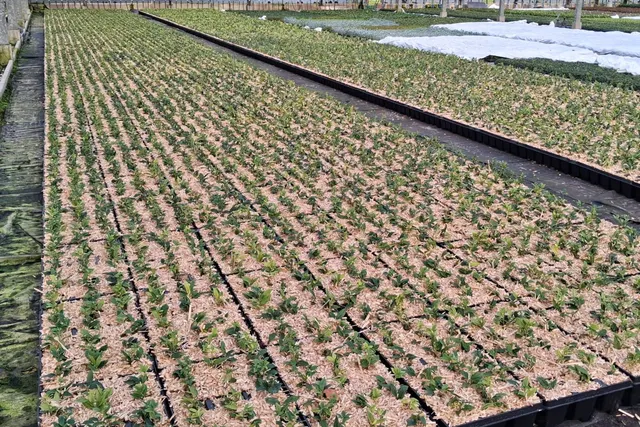
Another method used by Rhodoskwekerij is growing plants in coir wraps. “These create a uniform mass of fine feeder roots, making the plants easy to plant and repot even during dry periods.”
Organic matter
Secondly, Vermeulen stresses the importance of adequate ground cover. “Customers do not like seeing twigs and dry leaves beneath their plants, but this organic matter is actually a vital form of protection. Rather than removing it or blowing it into one big pile with a leaf blower, it is best to spread it as evenly as possible over the soil.”
Prune back in time
Have the rhododendrons succumbed to the drought after all? In that case, Vermeulen says, it is important to prune the plants back as quickly as possible. “There is no point waiting, and you can be quite drastic. As soon as you notice signs of drying out, it is best to cut the plant back to half a metre above the ground. This is the only way to give the root system a chance to recover.”
RHODOSKWEKERIJ: Stand 1623
www.rhodoskwekerij.be
Question about this story? Ask your question
Keep following this
Get an email when a new story is published. No account needed.
- ThemeTrees and plants of tomorrow
- Subject(Tree) nurseries