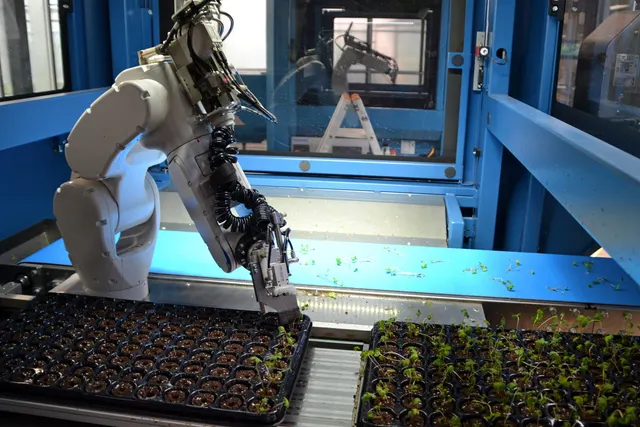
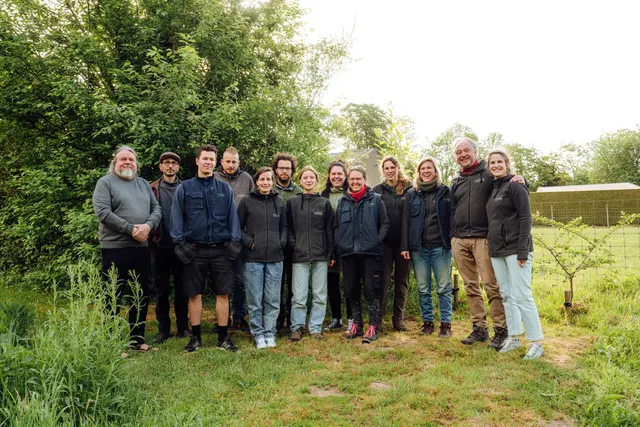
Waterplantenkwekerij R. Moerings supplies garden centres across Europe
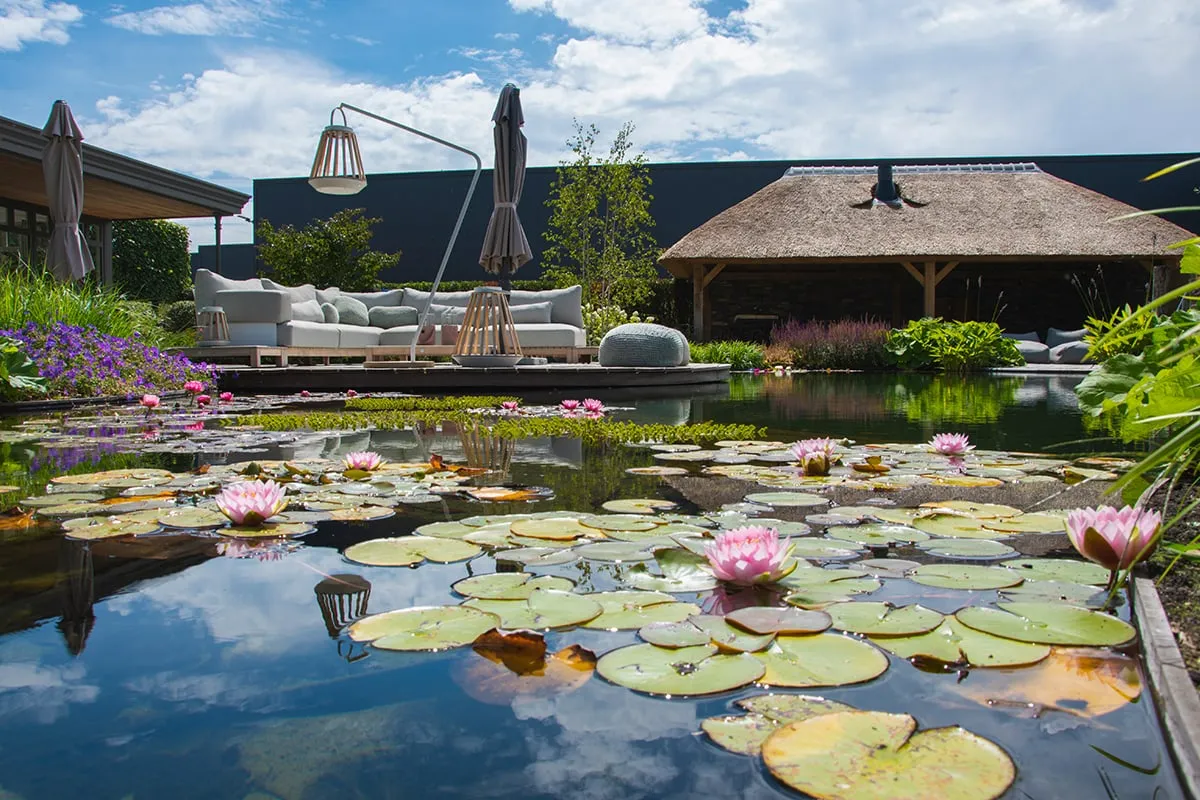
This autumn, Waterplantenkwekerij R. Moerings celebrated its 30th anniversary. Since founder Ronald Moerings took over his uncle’s modest nursery in 1994, the business has quickly grown into an authority on aquatic plants. Today, it supplies aquatic plants across Europe, is a pioneer in the cultivation, breeding and care of various species, and its expertise is sought by landscape contractors in the Netherlands and Belgium.
Thirty years ago, Ronald Moerings took over his uncle’s aquatic plant nursery in Boskoop (the Netherlands). His passion for the plants and flair for presentation soon saw the business outgrow its premises. A move to Rosendaal became necessary, and several employees left their homes and families behind to make the move. Three of them are still part of the 35-strong team today, which grows to around 120 employees during the peak season. “From January to December, we supply landscape contractors and garden centres across Europe, with a peak from March to June,” explains René Verspuij, sales representative at Waterplantenkwekerij R. Moerings. “As soon as the sun comes out, people want to work in the garden, and everything needs to look attractive and ready to sell.”
Growing and thriving
Ronald Moerings quickly realised that aquatic plants should not be sold to customers covered in mud. With visually appealing, well-rooted plants, he soon secured shelf space in nearby garden centres, and later across Europe. His sudden death in a car accident in 2015 came as a major shock to the business. Because Ronald had mastered the art of delegation as its captain and shared his expertise with his team, the nursery was able to continue growing, with his wife as managing director. “After his death, his words, ‘An aquatic plant in every hand’, remained our slogan. Today, they even appear in large letters on the outside of our building,” adds René. “The fact that we are Europe’s largest aquatic plant nursery, with nine million plants leaving our greenhouse each year, is thanks to him.”
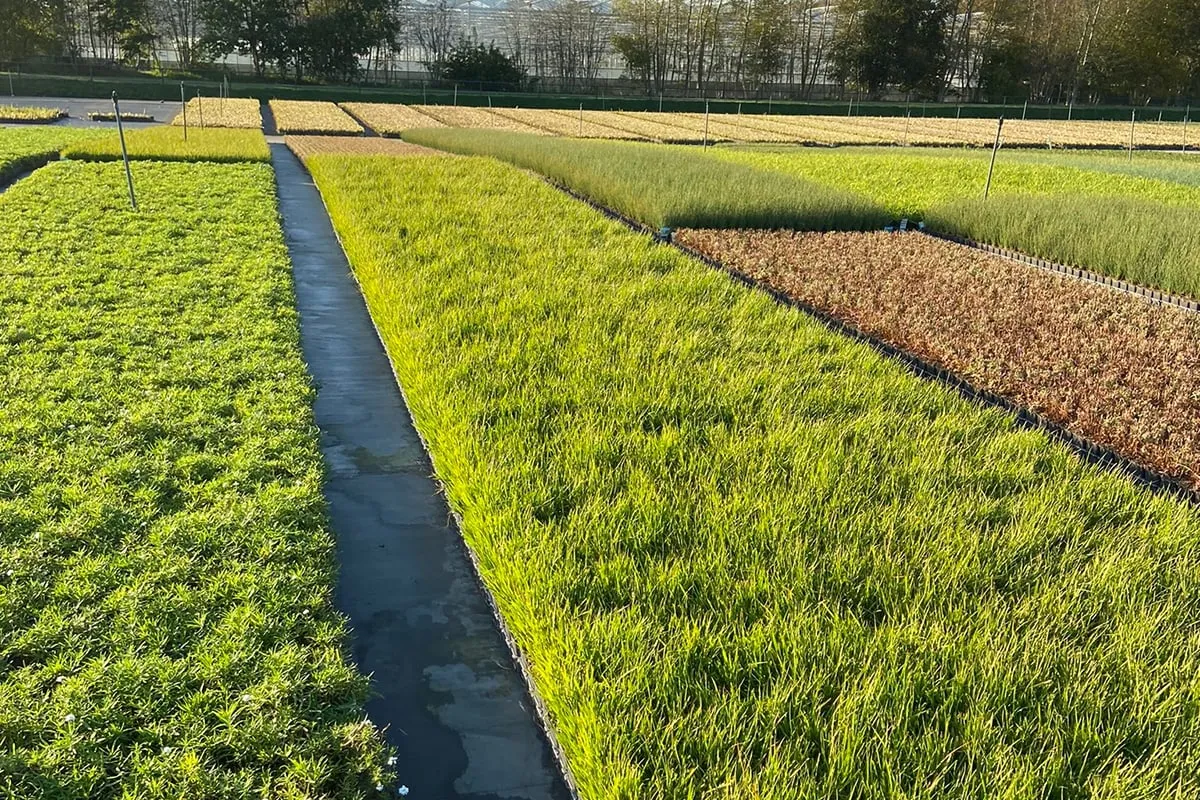
The greenhouse complex underwent a major upgrade seven years ago. “Using diffuse glass allows us to bring in more light, resulting in more vigorous flower and leaf development. We also chose a flood-and-drain system to water our plants. Most of the aquatic plants we grow do not need to be constantly submerged. Beside our greenhouses, you can see concrete areas where rainwater is collected and stored in large reservoirs. By being submerged regularly, these plants absorb enough moisture. Only the water lilies and oxygenating plants, such as shining pondweed, remain underwater at all times.”
Control or improvement?
As well as aquatic plants, the nursery has also developed its expertise in producing water conditioners. In the pond sector, as in the wider green sector, fewer and fewer pesticides are being used. That is a good thing, because the same products used to control algae growth also have a negative impact on the growth of aquatic plants. René explains: “We take a different approach to water. When you optimise water conditions for your aquatic plants by adding minerals, they grow so well that they filter out all the phosphates and nitrates. This deprives algae of their food source. Since a pond is usually a closed loop, owners are responsible for water quality. We help them improve water quality, in the short and long term, including through our website Pond Trends.”
At its own nursery, Waterplantenkwekerij R. Moerings uses natural control agents in the growing process. For example, a few ducks help keep duckweed under control, while beetles are used to control the floating plant azolla. “Where people once reached for a pesticide sprayer, they now rely on natural alternatives. And rightly so, because chemicals damage the entire biotope of your pond, or in our case, your nursery.”

Planting plans tailored to your needs
Alongside its extensive product range, Moerings is also known for its expertise. Landscape contractors come to the nursery for advice or planting plans for ponds and swimming ponds, and also receive tips on improving water quality. “One advantage of aquatic plants is that they can be planted all year round. We only advise against it when it is freezing or snowing. Customers provide us with information about their filtration system and the dimensions of the pond, and we use this to prepare a complete quotation. We also take the customer’s preferences into account. For example, we now offer the classic yellow flag iris in white and purple as well. We are also breeding tropical water lilies to make them winter-hardy. I’m particularly fond of the beautiful lilies in our range,” René concludes.
Question about this story? Ask your question
Keep following this
Get an email when a new story is published. No account needed.
- ThemeTrees and plants of tomorrow
- Subject(Tree) nurseries