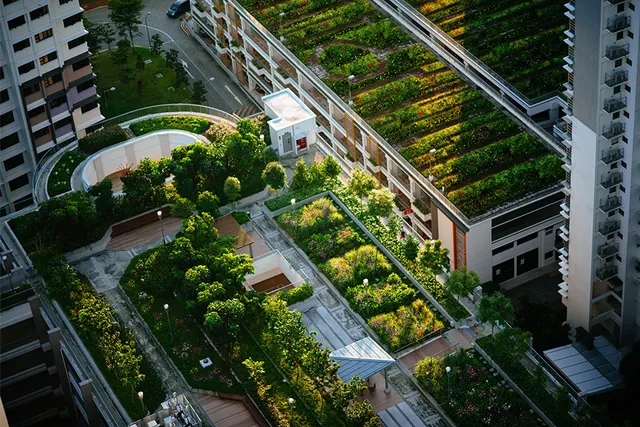
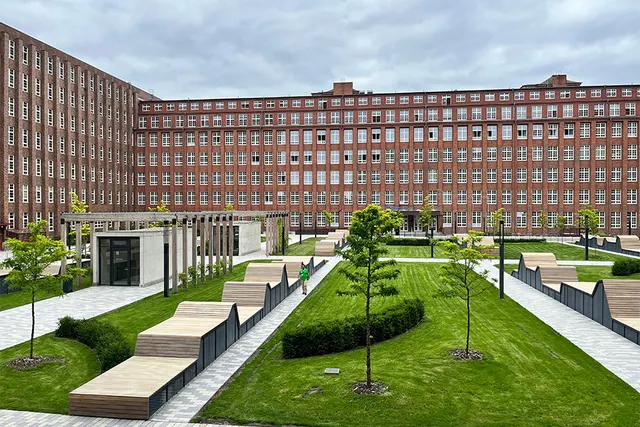
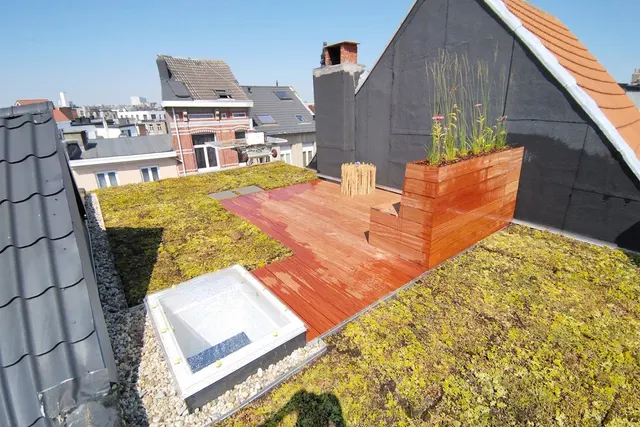
Construction Confederation takes a clear stand: green roofs help prevent further climate change
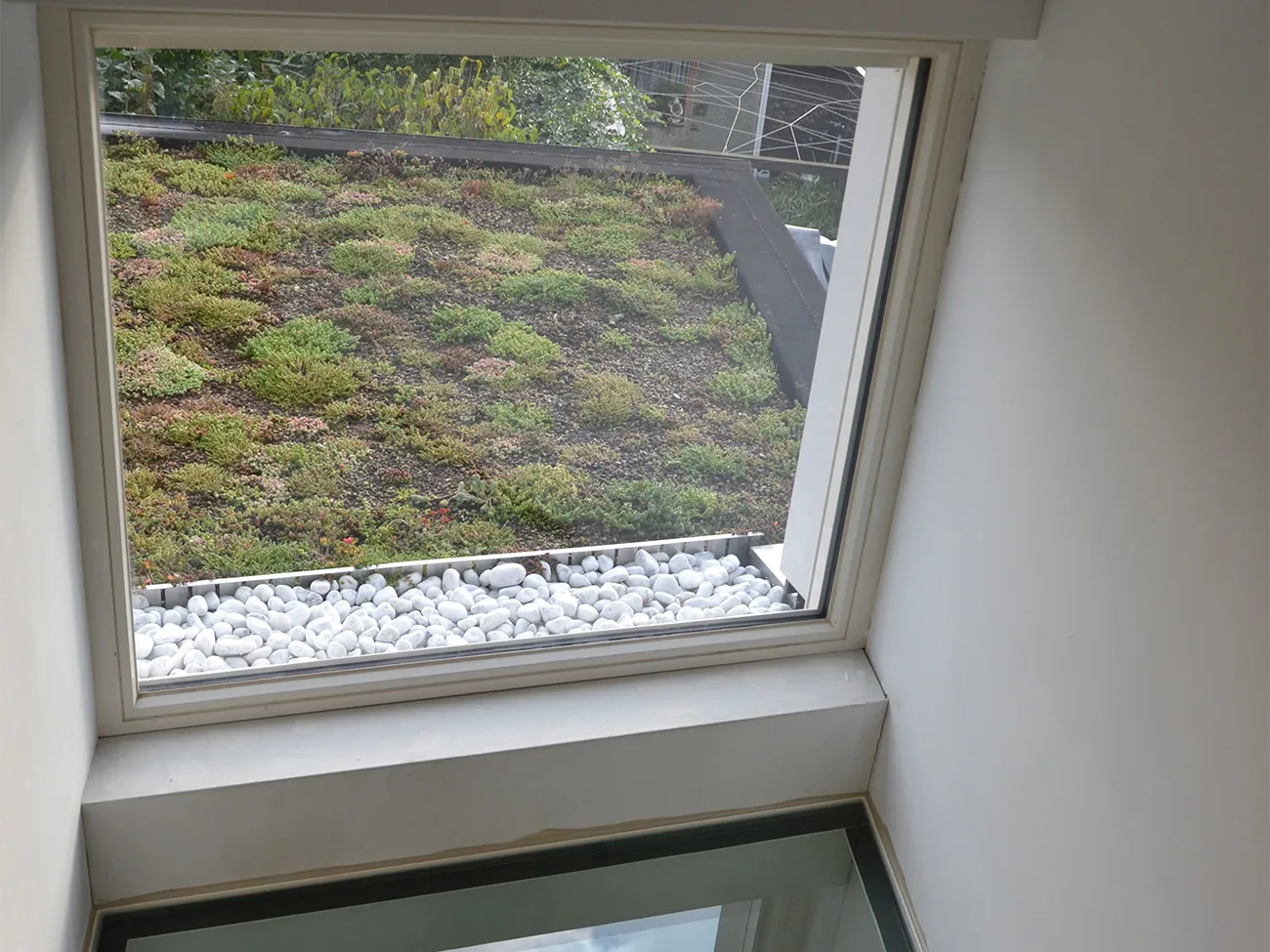
A new UN report confirms that the effects of global warming are becoming increasingly pronounced. A rise in temperatures of 1.5 degrees is on the way, bringing more frequent periods of drought and intense downpours, among other effects. The construction sector is backing European climate plans to make infrastructure, buildings and mobility more sustainable. Green roofs are a good example. Construction Confederation counts the federation for green roofs and façades among its members, promoting green techniques and best practice.
It is widely known that existing buildings are responsible for around 40% of CO2 emissions in Europe. Alongside the hoped-for renovation wave, roofs are increasingly being examined to make the most of the potential to improve the sustainability of the building stock, in terms of energy and water management, as well as cooling and boosting biodiversity in densely built-up areas. Green roofs are growing in popularity. Contractors recently reported that the area installed is growing by 15 to 20% year on year.
Buffering and filtering
Green roofs can retain water, in other words, they can hold it back to reduce peak flows and allow more water to seep gradually into the ground. The regional urban planning regulation on rainwater requires a minimum storage capacity of 35 litres per square metre. Green roofs can therefore help release water slowly back into nature, allowing it to be absorbed and stored as groundwater at a more measured pace, ready for us to use again later.
Green roofs also filter the air, support biodiversity and help bee populations and birds. They also help mitigate rising temperatures in urban centres, providing welcome cooling during summer heat stress.
Within reach
“Greenery in construction is gradually becoming mainstream. Interest in green roofs and façades is growing year on year. Through our federation, we want to give contractors sound information and further training. We want to showcase best practice and advise policymakers on the opportunities, needs and benefits of green roofs, among other things. They offer a solution to climate change that is within reach. Although interest among private individuals is growing, there is still some way to go before we convince the general public of the significant added value. That is where we are focusing our efforts,” says Patrick Noé, director of the federation for green roofs and façades within Construction Confederation.
But roofs offer even more possibilities. Their functionality can be expanded further. They have the potential to serve as power plants, terraces or car parks. Urban farming is also practised on many roofs today. The trend originated in America and has since spread to many European and Belgian cities. Some restaurants in major cities grow organic vegetables on their roofs. There is even a fish farm operating on a roof using stored rainwater. Greenhouses can also be installed on roofs. These examples all show that making efficient use of roofs can both help tackle flooding and reduce transport and CO2 emissions.
Question about this story? Ask your question
Keep following this
Get an email when a new story is published. No account needed.
- ThemeGreen roofs and buildings
- SubjectGreen roofs