Green roof sector finds its voice
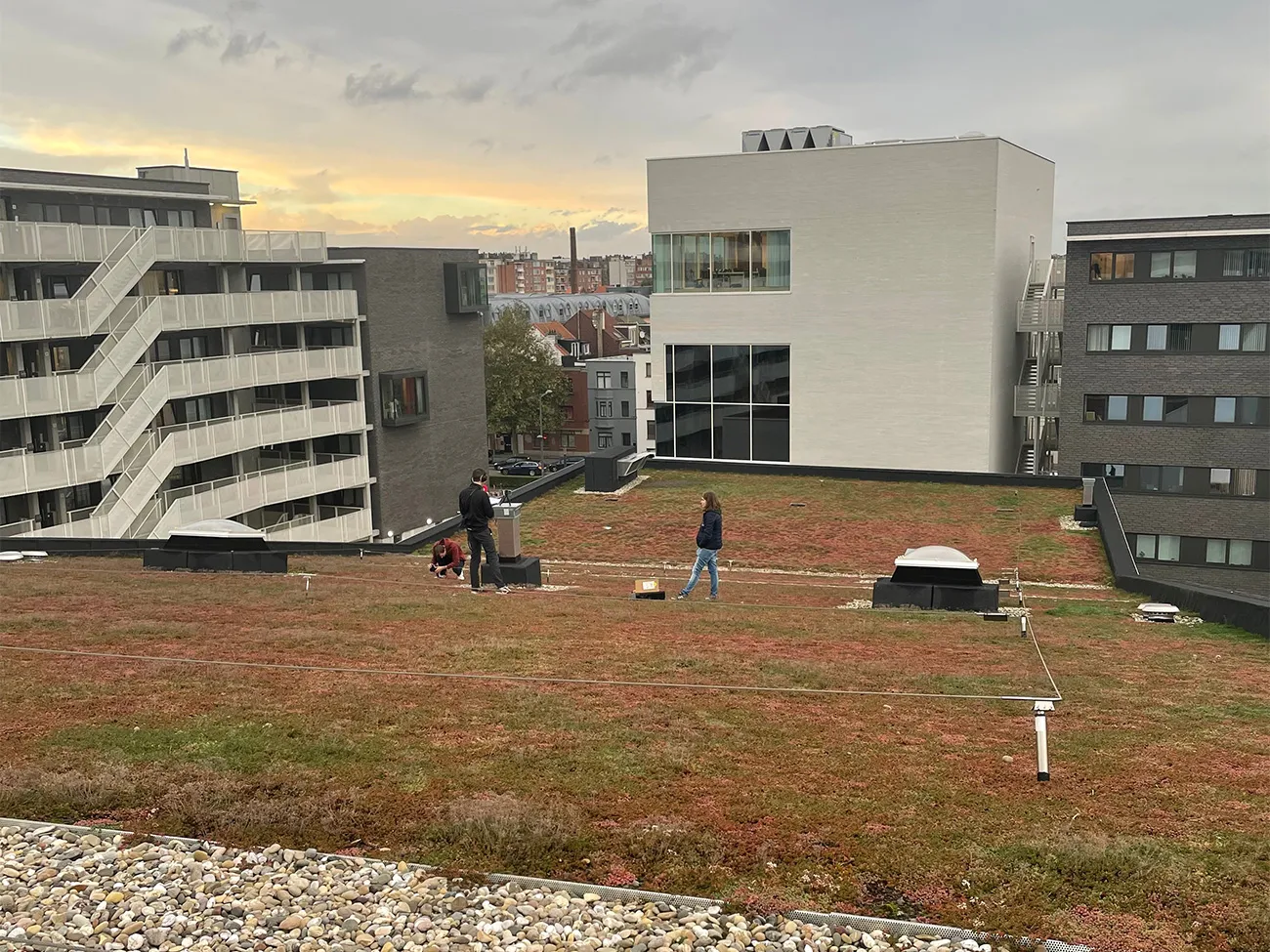
Anyone looking to build sustainably can no longer ignore the popularity of green roofs. Our country, too, has discovered the many benefits of this ecological product. This made it clear that the interests of this specialised sector needed to be represented. A dedicated Federation for Green Facades and Roofs has therefore been established within the Confederatie Bouw. It also promotes the installation of green roofs.
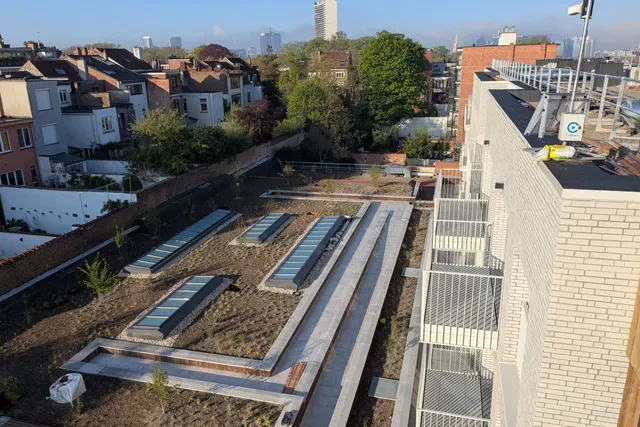
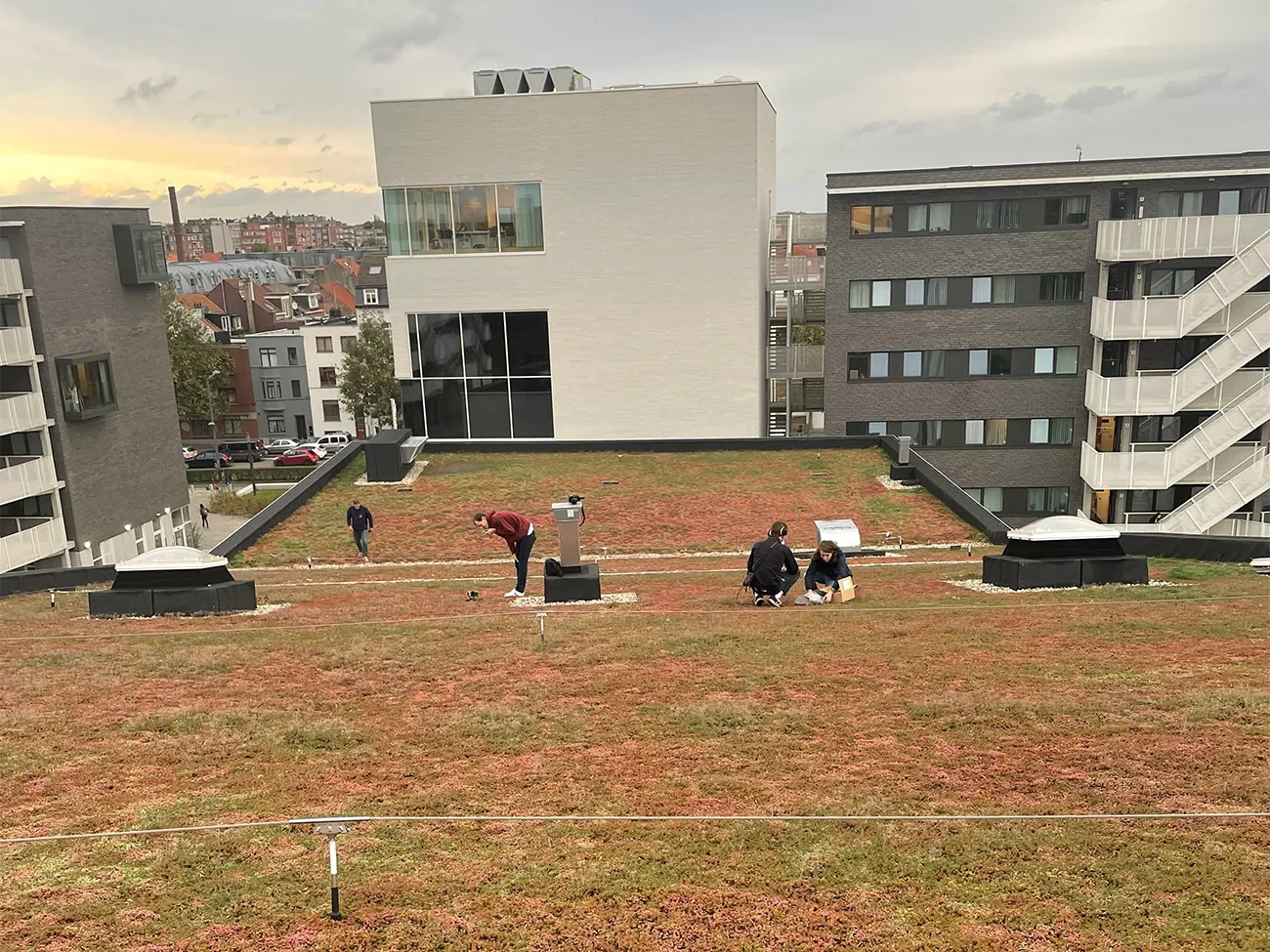
A green roof is a roof covered in vegetation, and is also a sustainable, multifunctional and energy-saving choice for your building. It extends the life of your roof and protects the entire building from rainwater, heat and noise. However, there are some technical requirements. Your roof must be strong enough, and the roof waterproofing must be root-resistant. A drainage mat is then installed on top of the waterproofing to channel water to a drainage point.
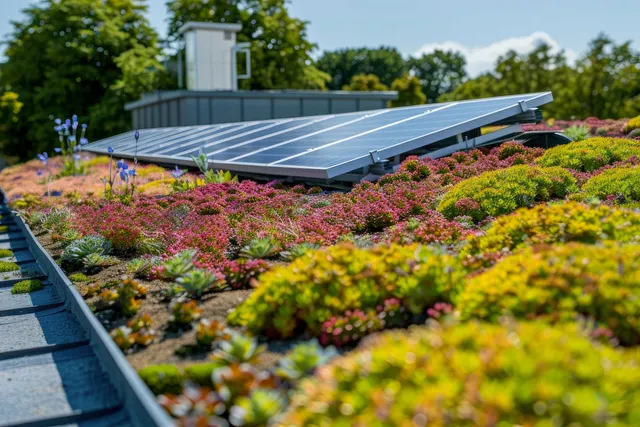
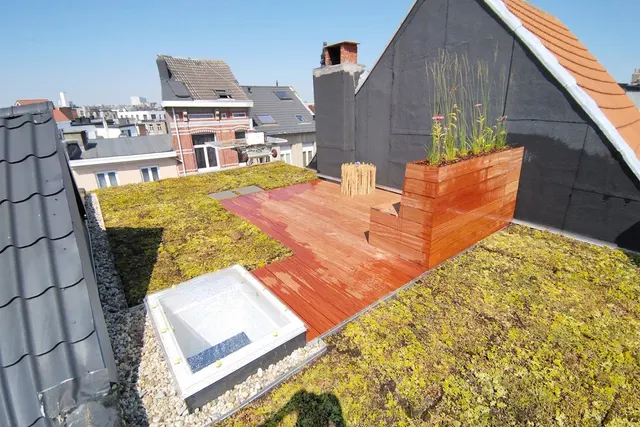
Do not use ordinary topsoil. Instead, use a growing medium made from minerals, lava and green compost. Topsoil damages the roof waterproofing, which can lead to leaks. Once these points have been checked, you can sow sedum or lay sedum mats. These succulent plants retain water for longer. A green roof can therefore hold as much as 30 litres of water per square metre. This makes this type of roof particularly effective in the fight against flooding.
Intensive
As well as ecological benefits such as sustainability and biodiversity, green roofs also provide an extra layer of insulation and protection from water. Your solar panels also benefit from higher yields because the roof heats up less quickly.
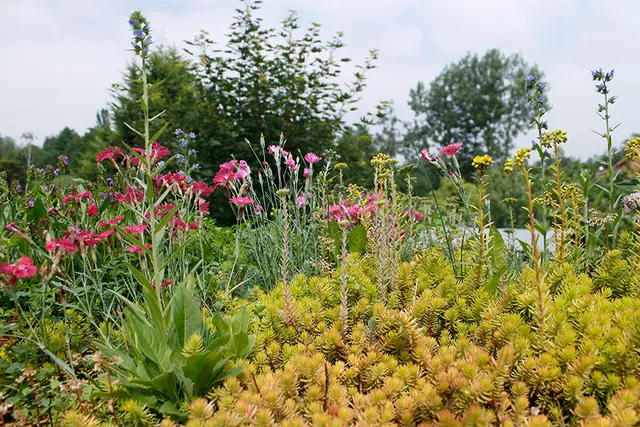
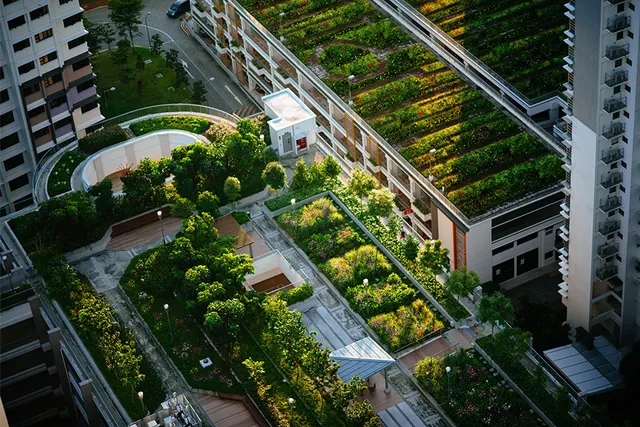
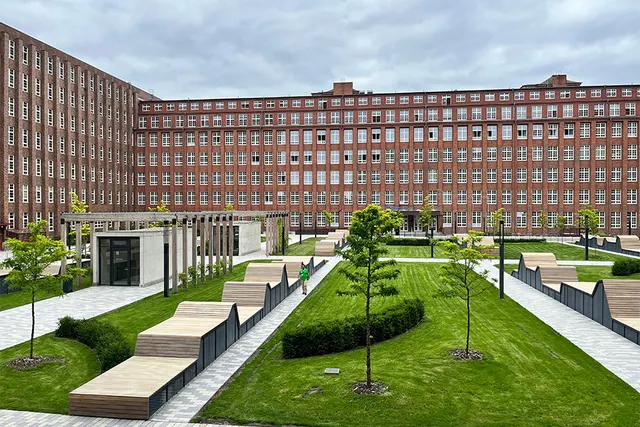
As well as sedum roofs, you can use other plants, such as ornamental grasses, hedges and even trees. “But then we are talking about an intensive green roof, which requires one metre of growing medium. These are usually found on roofs that can support a great deal of weight, such as the courtyard garden of a residence, apartment building or hospital, or even a basement roof,” says the Federation for Green Facades and Roofs. “Sedum roofs are extensive green roofs, consisting of six centimetres of growing medium and succulent plants. A semi-intensive green roof has at least 12 centimetres of growing medium and consists of an SKBG mix: sedum, herbs, flowers and grasses. This provides more structure and variety, but requires a saturated weight of 250 kilograms per square metre.”
Catching up
Belgium may be catching up, but it still has a lot to learn from other countries. Green roofs are widely promoted in Scandinavia. Our neighbouring countries are also much further ahead. “In the Netherlands, a green roof is often multifunctional,” says the Federation for Green Facades and Roofs. “It is used to grow plants, which people are then allowed to buy. People really do live on the roofs there. At the moment, we can only dream of that in Belgium. The authorities are, however, increasingly making green roofs compulsory, particularly to store water and reduce the risk of flooding. They are now compulsory on new-build apartment blocks and industrial buildings. Some cities and municipalities already offer grants, and you can apply for a grant to install a green roof as part of a renovation.”
Question about this story? Ask your question
Keep following this
Get an email when a new story is published. No account needed.
- ThemeGreen roofs and buildings
- SubjectGreen roofs