How to get a green roof ready for spring
Twice-yearly maintenance is essential
The sun is making more frequent appearances again, and the early bloomers have already started to put on a fine display. At this time of year, it is not just the traditional back garden that needs attention: green roofs are also due for their twice-yearly maintenance. After all, a green roof is the equivalent of a garden on the roof. And yes, even an extensive green roof needs maintenance.
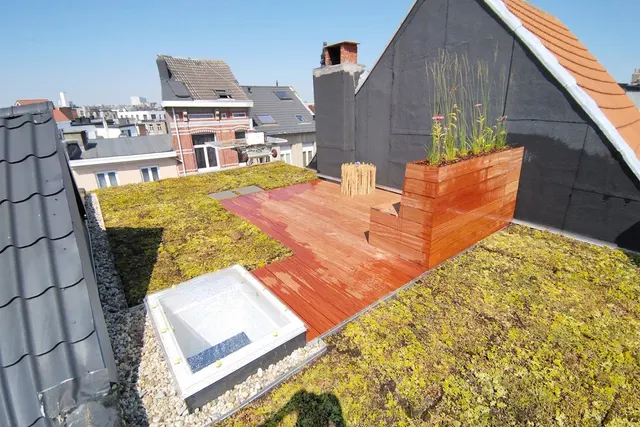
An extensive green roof is, by nature, low-maintenance. There is no need to mow or prune, and you do not have to go up on the roof every week or month. But low-maintenance does not mean maintenance-free. Wind and birds, for example, can bring unwanted plants onto the roof or cause vegetation to grow where it is not wanted. That is why maintenance in spring and before winter is essential.
Five steps
Getting an extensive green roof ready for spring involves five basic steps.
First, inspect the rainwater outlets and remove any debris. A drainage system that allows water to flow freely reduces the risk of water damage to the building.
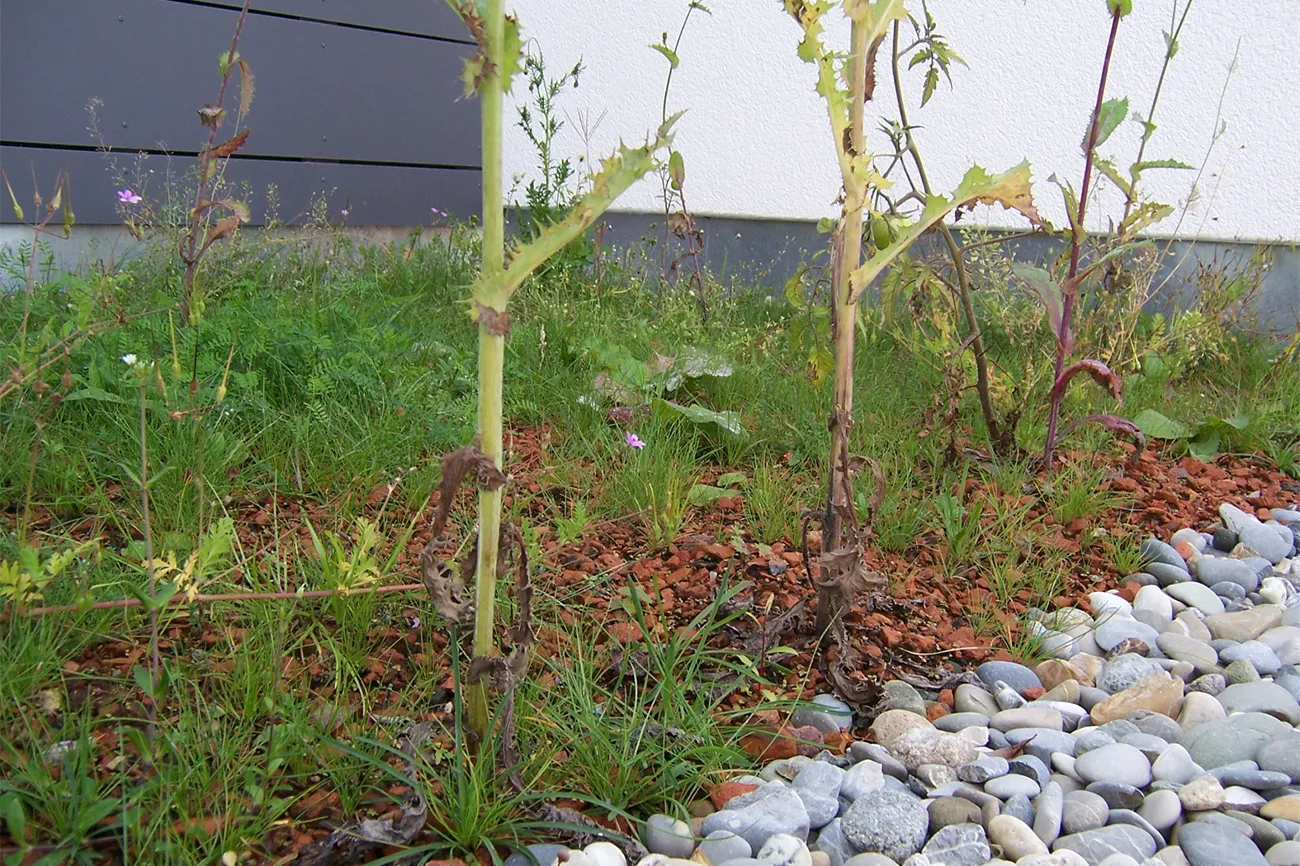
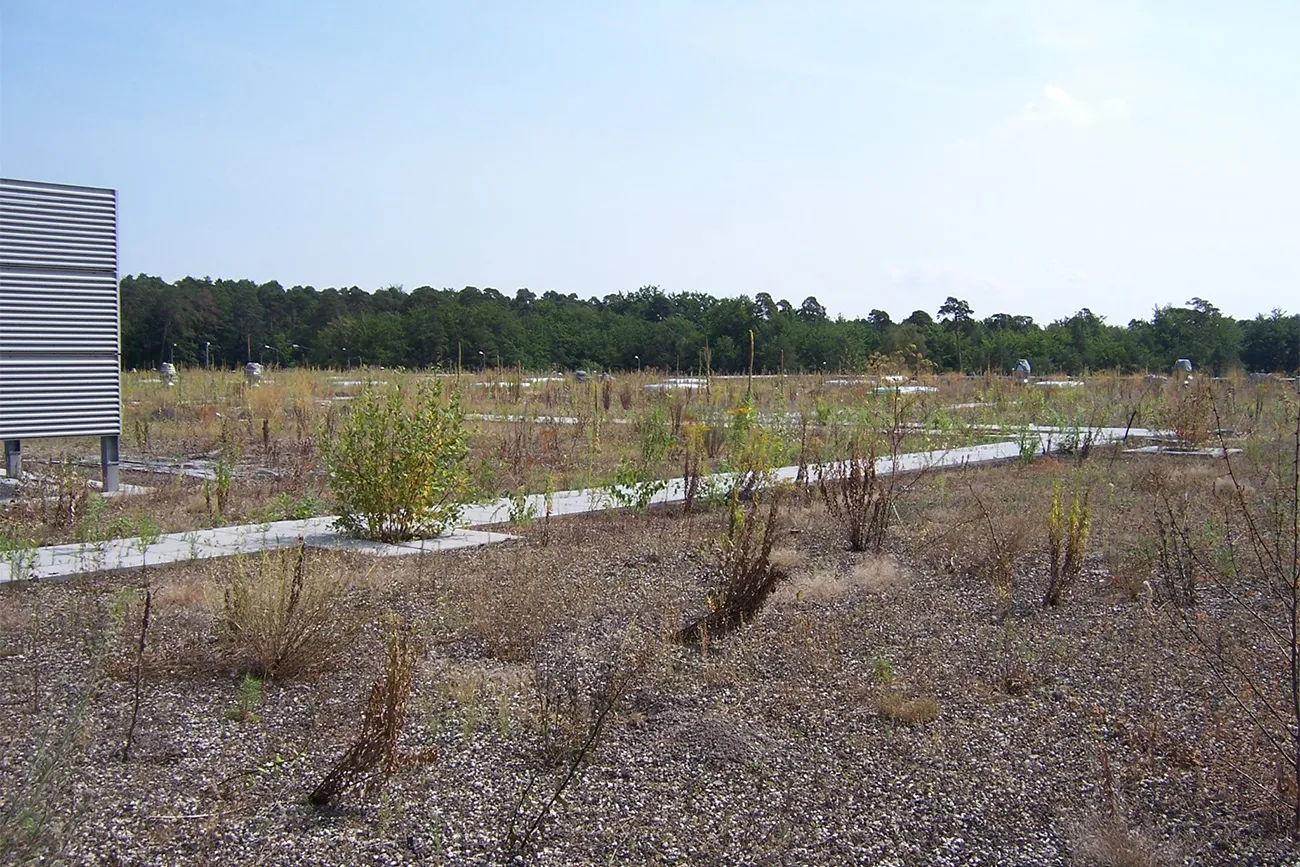
Next, check the roof for unwanted rooted plants or seedlings. For example, an acorn dropped on the roof by a bird could damage the roof structure. It is therefore a good idea to remove any unwanted species twice a year.
Third, clear all vegetation-free zones. These areas prevent vegetation from growing where it is not wanted or into installations, and also help slow the spread of fire. They include the zone along the roof edge and around the chimney and other penetrations and installations.
Fourth, check the roof for bare patches. Extremely wet conditions or prolonged dry spells can affect plant growth, as can extra shade from a tree that has grown too large, for example. If you find a lot of bare patches during spring maintenance, this is the best time to overseed or plant cuttings. Alternatively, you can tear off a section of sedum and spread it over the bare patches.
Finally, assess the overall growth of the plants and, if necessary, apply extra fertiliser using a natural product such as ZinCo’s specially developed Pflanzenfit.
What about water?
The extremely dry summers of recent years have prompted several owners and green-space professionals to ask whether extensive green roofs need watering. When verges and lawns everywhere are turning yellow and brown, what happens to the vegetation on a green roof?
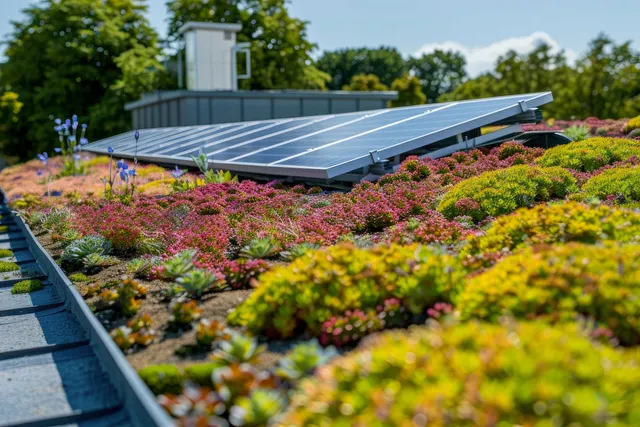
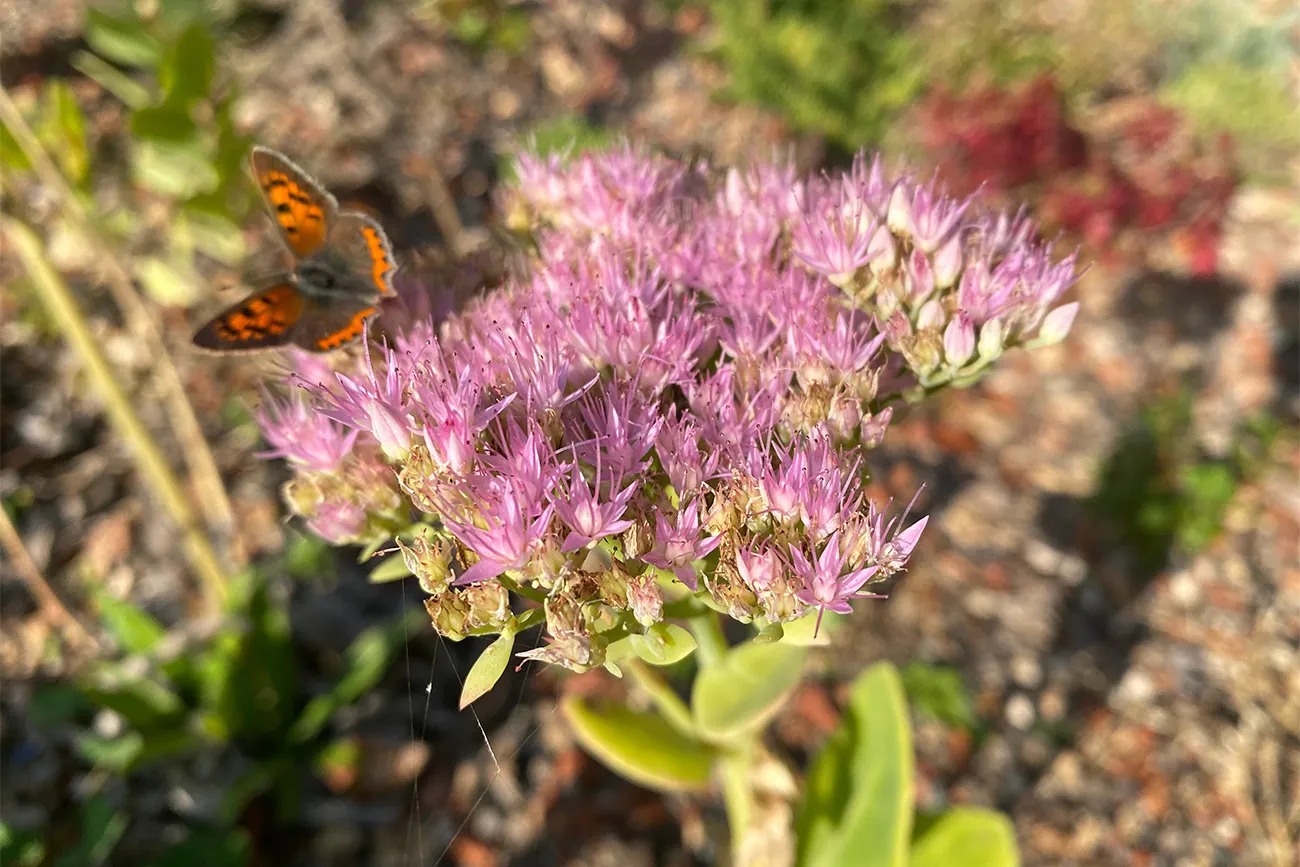
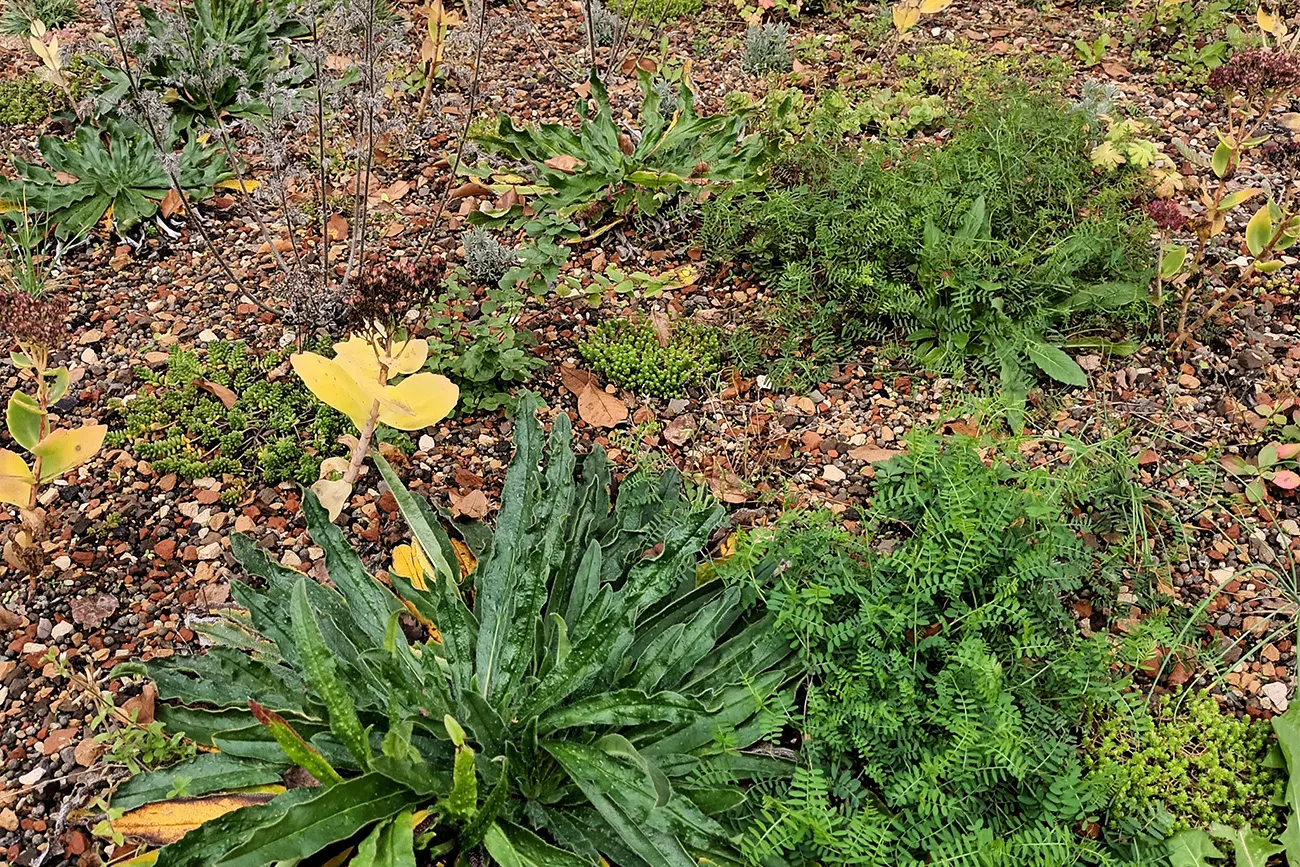
As a rule, an extensive green roof does not need extra water. Sedum roofs are highly resistant to drought and heat. Ideally, the drainage system includes a water reservoir, while the substrate layer and the succulents themselves also store plenty of water. Even when the entire water buffer in the roof build-up has been depleted, the plants can easily rely on their own reserves for another two weeks.
In practical terms, a sedum PLUS roof can therefore go 3 to 3.5 weeks without irrigation during a dry spell. Only if the drought lasts for more than a month should you consider watering the roof, preferably with harvested rainwater.
Safety first
Maintenance on a green roof may be relatively straightforward, but it still involves working at height. This calls not only for due care, but above all for the right safety measures. Consider how you will access and leave the roof, and ensure there is suitable edge protection or an anchor point.
Een zakelijke vraag aan ZinCo? Get in touch
Companies in this story

Keep following this
Get an email when a new story is published. No account needed.
- ThemeGreen roofs and buildings
- SubjectGreen roofs
- CompanyZinCo