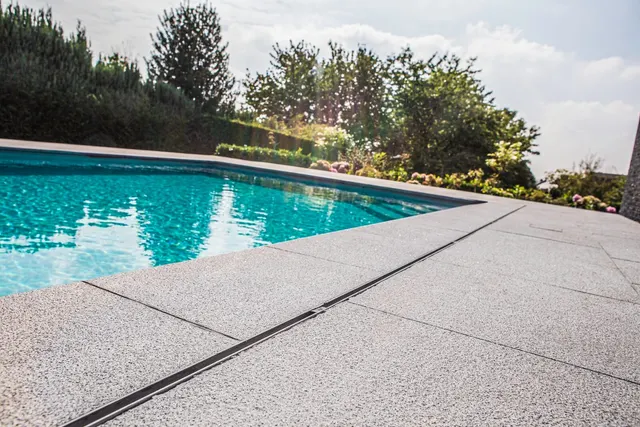
Infiltration made simple

g of the patio, a brand-new garden room…: anyone adding a little more hard landscaping to their garden also has to provide a solution for the rainwater that falls on it.
A cosy patio canopy, an extension to the patio, a brand-new garden room…: anyone adding a little more hard landscaping to their garden also has to provide a solution for the rainwater that falls on it. People often think of a rainwater tank or the sewer, but an infiltration system is another option. It helps maintain groundwater levels and protects the garden during long periods of drought.
“Sending rainwater to the sewer is not really a good idea,” stresses Karolien Vanovertveld of ACO. “It wastes water that could be put to good use and, during periods of heavy rainfall, can overload the sewer network. That is why the rainwater regulations require rainwater to be retained on site as far as possible, either by storing and reusing it in a rainwater tank, or by buffering and infiltrating it.”
Why infiltrate?
It makes sense for clients to try to direct as much rainwater as possible into a rainwater tank, Vanovertveld believes. “This allows the water to be reused, for example to flush toilets or water the garden during dry periods. However, not every project allows for this. In renovation and remodelling projects, for example, it is not always easy to install a rainwater tank, while connecting new roof areas and paved surfaces to an existing tank can involve too much work. In such cases, infiltration is an excellent, environmentally friendly solution. The rainwater is buffered and gradually released back into the ground. This helps maintain groundwater levels, irrigates the plants and makes the garden and landscape more resilient to long periods of drought.”
Easy to install
The best-known solution is the infiltration crate. “It is an excellent system,” says Vanovertveld. “But it has its limitations. For one thing, it involves quite a lot of excavation, and you always have to keep a sufficient distance from trees and other plants. If you do not, there is a risk that roots will grow through the crates and the system will no longer function properly.”
In a private garden with limited space, it is unfortunately not always easy to meet this requirement. What is more, for modest projects such as extending a patio or adding a small extension, clients would rather not dig up the entire garden again.
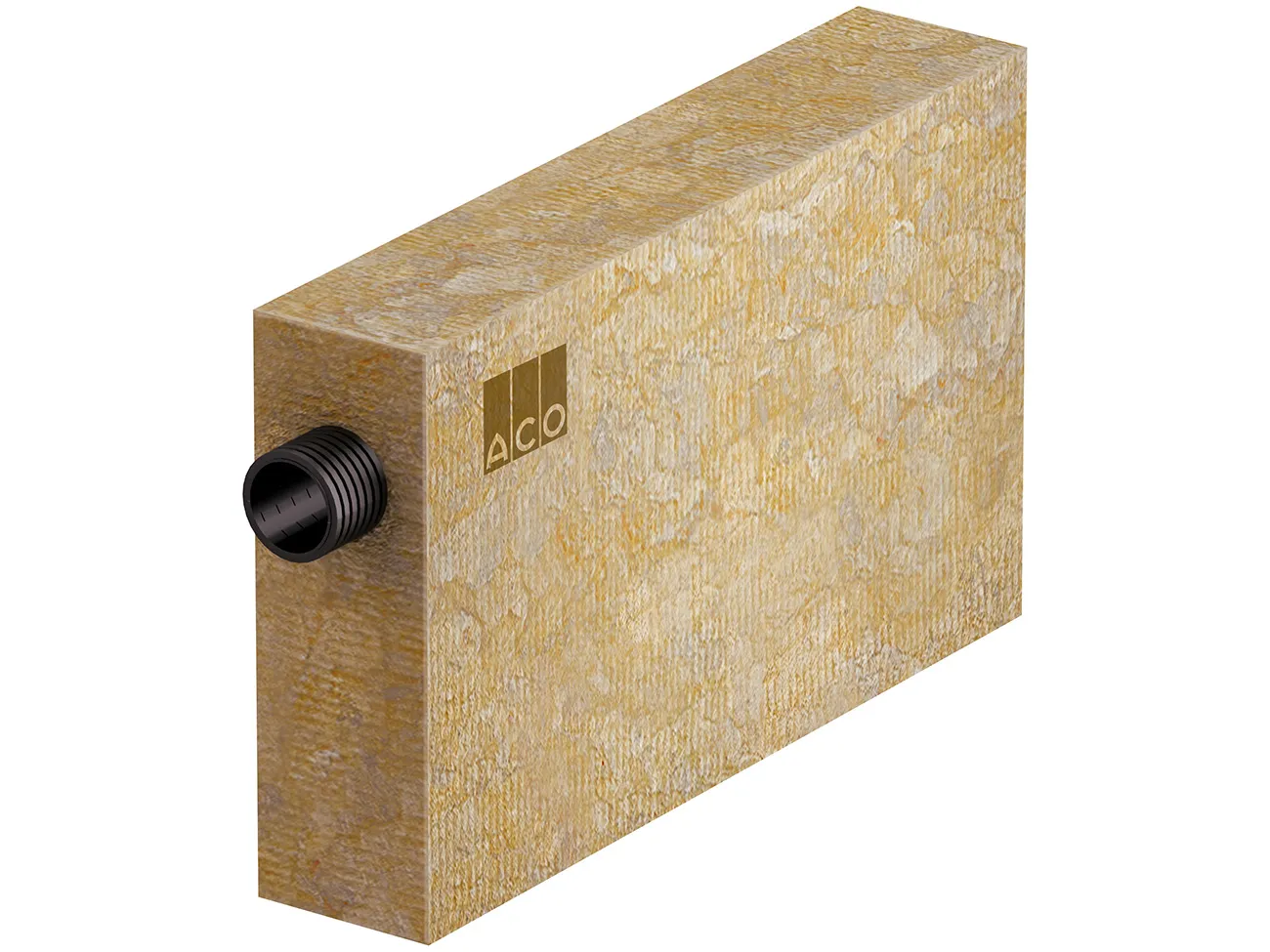
“In such cases, you can opt for a system based on water-absorbing rock wool blocks, such as our Infiltration Line. This 100% natural solution, rock wool is a natural product with a very low environmental impact, works like a sponge: each 100x60x20 cm block can absorb up to 112.8 litres of water, then gradually release it back into the ground. Depending on the required storage capacity, several blocks can simply be placed in a row. Their compact size means that all you need to do is dig a narrow trench, for example along the edge of the garden. Roots can grow through the blocks without affecting how the system works, so you also have plenty of flexibility when it comes to positioning. This makes it a very accessible solution. The only thing to watch out for, as with any infiltration system, is keeping debris out as much as possible. That is why a leaf trap or siphon at the outlet is an essential accessory.”
For smaller projects
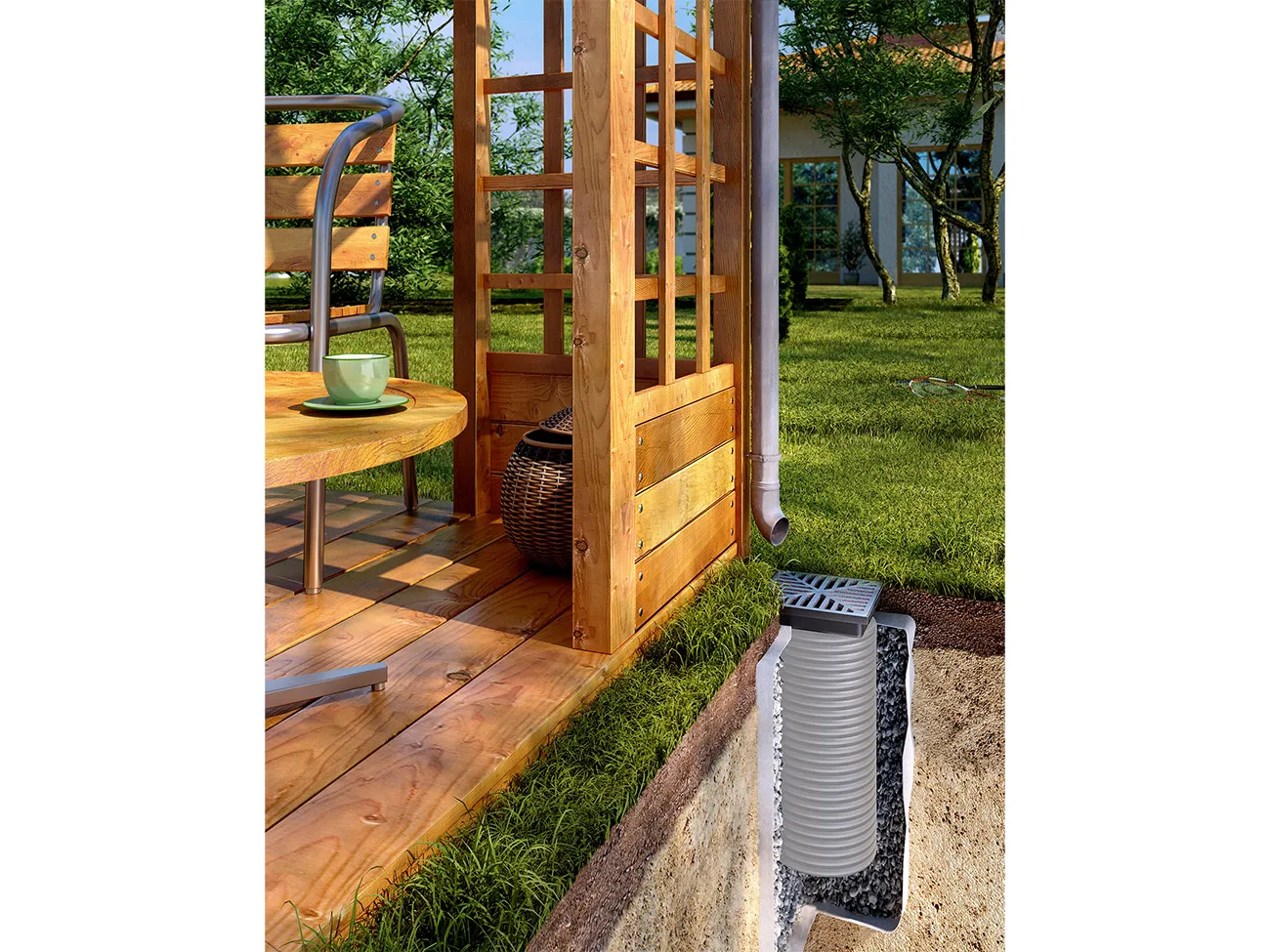
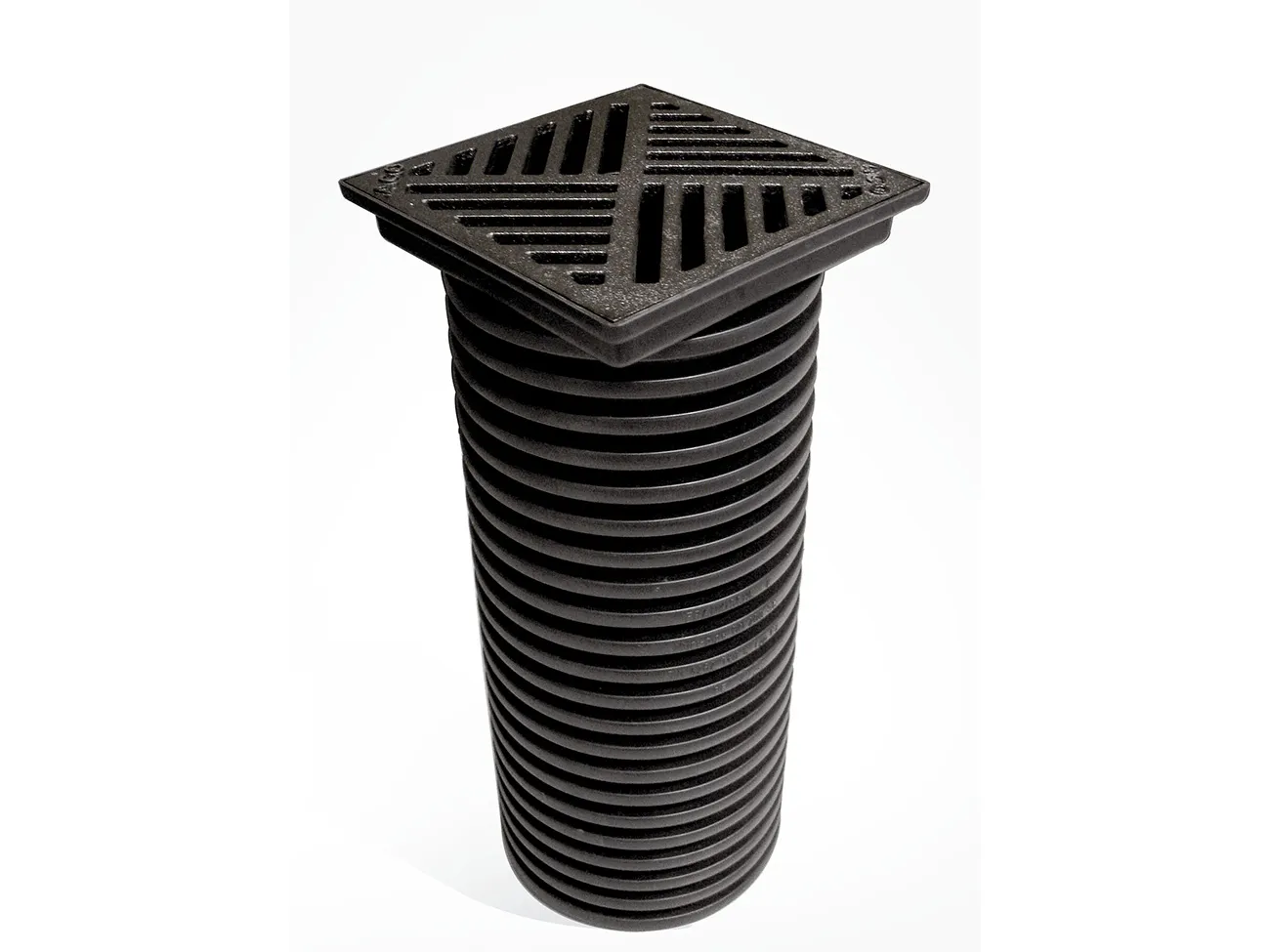
For more modest projects, Vanovertveld also recommends the Gully. “This infiltration pit is a simple, lower-cost alternative for infiltrating water from smaller areas. The Gully consists of a drain gully with a perforated pipe beneath it. The whole unit is installed in a pit about 60 centimetres deep, with gravel filling the space around it to promote infiltration. This allows water to be released gradually into the deeper soil layers and prevents puddles from forming. The system has a capacity of 11 litres, which is enough for a small canopy, a garden shed, a carport or the overflow from a water butt, for example.”
Question about this story? Ask your question
Companies in this story

Keep following this
Get an email when a new story is published. No account needed.
- ThemeHealthy soil and smart water management
- SubjectSoil & water
- CompanyACO